Get in Touch with Pangeng

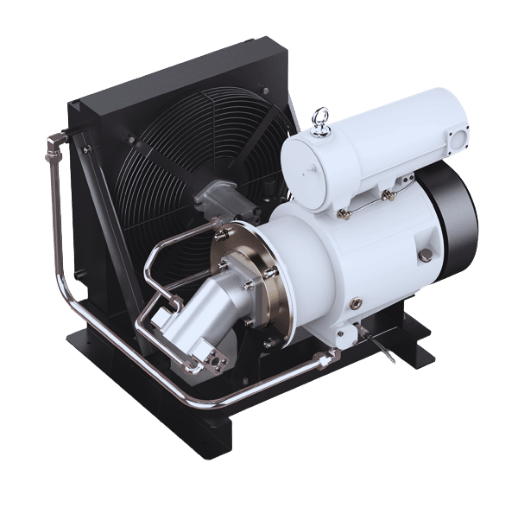
Hydraulic Air Compressor
Hydraulic Air Compressor — Custom Compressed Air Solutions by Pangeng
Convert Your Vehicle’s Hydraulic Power into Reliable Compressed Air
30-185 CFM
Air Output Range
100-175 PSI
Operating Pressure
100%
Duty Cycle (Rotary Screw)
Custom OEM
Solutions Available
Global
Shipping Worldwide
ISO 9001
Certified Quality
Why Hydraulic Air Compressors Outperform Standalone Units
Every independent engine-driven air compressor on a service truck is a duplicate system: a second motor burning fuel that takes up bedroom space to haul tools and parts, producing unnecessary noise that frustrates the technician and violates city ordinances, and draining the bottom line with inefficiency. Fleetwide field data reveals for every hour a truck runs an engine-driven compressor, it produces three hours of increased fuel cost, and ballpark it costs half a penny in additional fuel for every pound of combustion engine to make as much compressed air as the same amount of hydraulic fluid from the engine. For a fleet of fleet of 100 trucks running ten thousand hours annually, that’s over fifty thousand dollars in annual hemorrhaging. A hydraulic compressor eliminates the standalone engine entirely by attaching directly to the truck’s existing hydraulic system and converting it into a reliable supply of ready-made compressed air. Mounting conveniently on the frame or underbody, it frees up the entire bed for tools and product, and consumes zero additional fuel, produces zero additional emissions, and has a fraction of the wear-and-tear installation overhead.
Pangeng Hydraulic Air Compressor Series — Models & Specifications
Pangeng offers three series of hydraulic air compressors, each tailored to a different application requirement. Whether your heavy-service application runs continuous-duty at 185 CFM or your farming operation needs a light-duty 60 CFM intermittant piston compressor, Pangeng can provide.
Rotary Screw
PG-HKR Series
Type:Rotary Screw
CFM Range:40-185 CFM
Max PSI:175 PSI
Duty Cycle:100% Continuous
Ideal Use:Permanent truck, construction, oil & gas, mining Y-series brings output pressures up to 2750 PSI and is capable of continuous duty while other models operate in the intermittent range.
Mounting:Frame/underbody/bed mount
Piston
PG-HK Series
Type:Reciprocating Piston
CFM Range:10-40 CFM
Max PSI:150 PSI
Duty Cycle:Intermittent (60-75%)
Best Use:intermittent use on trucks or farming vehicles that need a light-duty compressor at lower flow levels.
Mounting:Frame/auxiliary mount
Custom OEM
PG-Custom Series
Type:Per Application
CFM Range:Custom to Specification
Max PSI:Custom to Specification
Duty Cycle:Per Application Design
Best For:OEM integrations, specialized vehicles, non-standard requirements
Mounting:Any configuration
Decision Matrix — Selecting the Right Series
| Series | Type | CFM Range | Max PSI | Duty Cycle | Best For | Weight Class |
|---|---|---|---|---|---|---|
| PG-HKR | Rotary Screw | 40-185 CFM | 175 PSI | 100% continuous | Heavy-duty service trucks, construction, drilling | 90-250 kg |
| PG-HK | Reciprocating Piston | 10-40 CFM | 150 PSI | 60-75% intermittent | Tractors, light work trucks, occasional tool use | 40-80 kg |
| PG-Custom | Per application | Custom specification | Custom specification | Per design parameters | OEM integrations, specialty vehicles, unique mounting | Per configuration |
Technical Deep-Dive: Hydraulic Flow & Pressure Requirements
Matching the right hydraulic compressor to your vehicle begins with consulting the available hydraulic oil volume and pressure. Each compressor motor is designed to operate within a nominal range of flow and pressure; if your hydraulic circuit delivers less flow or pressure than a machine’s specs, its output will be proportionally diminished and risks damaging the compressor motor.
- PG-HKR 40 CFM (185 CFM series): Minimum 12 GPM at 2,000 PSI hydraulic input. Maximum recommended to avoid damaging the hydraulic motor.
- PG-HKR 40 CFM (185 CFM series): Minimum 22 GPM at 2,500 PSI hydraulic input. Maximum recommended to avoid damaging the hydraulic motor
- PG-HKR 40 CFM (185 CFM series): Minimum 35 GPM at 3,000 PSI hydraulic input. Maximum recommended to avoid damaging the hydraulic motor.
- PG-HK Piston series: Minimum 8-15 GPM at 1,500-2,000 PSI hydraulic input.
Before presenting the recommended model, we’ll analyze your vehicle’s hydraulic capacity, and if the pump can’t deliver the needed flow and pressure, we will suggest a supplemental pump. Aluminum housings may be available on select models to help ease the payload.
Hydraulic vs PTO-Driven vs Engine-Driven Air Compressors — Data-Backed Comparison
When it comes down to decision time for fleets and vehicle procurement groups considering mobile compressed air, most will pare the options to three drive types: hydraulic, PTO and engine driven. Each has quantifiable compromises in daily fuel use, upkeep costs, complexity of install, and service life. Every comparison point below relies on field experience and manufacturer specs for a reality check; it is not fluffy marketing language.
| Attribute | Hydraulic | PTO-Driven | Engine-Driven |
|---|---|---|---|
| Power Source | Vehicle hydraulic system (existing pump) | Vehicle transmission PTO output shaft | Dedicated gasoline or diesel engine |
| Fuel Source | Vehicle’s main fuel tank (shared) | Vehicle’s main fuel tank (increased load) | Separate fuel tank on the compressor unit |
| Fuel Efficiency vs Standalone | 35-45% less fuel than engine-driven | 15-25% less fuel than engine-driven | Baseline (100% — separate engine running at governed RPM) |
| Typical Duty Cycle | 100% (rotary screw); 60-75% (piston) | 75-100% depending on transmission cooling | 100% (governed engine speed) |
| Truck Bed Space Used | 0 sq ft (frame/underbody mount) | 6-10 sq ft (typically bed-mounted) | 12-20 sq ft (full unit on bed or trailer) |
| Installed Weight | 90-250 kg (compressor only, no engine) | 120-300 kg (compressor + PTO gearbox) | 200-600 kg (compressor + engine + fuel tank) |
| Installation Time | 4-8 hours (hydraulic line tie-in) | 6-12 hours (PTO adapter + drive shaft) | 2-4 hours (bolt-down, independent unit) |
| Transferability Between Vehicles | 2-4 hours to relocate | 6-10 hours (PTO must match new transmission) | 1-2 hours (fully self-contained) |
| Annual Maintenance Cost | Filters + oil only: est. $200-$400/yr | Filters + oil + PTO inspection: est. $400-$700/yr | Full engine service + filters + oil: est. $800-$1,500/yr |
| Cold Weather Performance | Starts immediately when vehicle hydraulics are active | Starts when vehicle engine reaches operating RPM | Requires separate cold-start system; may need block heater below -10°C |
Ultimately, the right solution is a function of your fleet’s existing infrastructure, operational logistics and work load demands. Hydraulic compressors are the most powerful solution when the vehicles are equipped with hydraulic systems and hence hydraulic compressors may be used (which account for most utility trucks, service trucks, backhoe loaders, tractors, and heavy equipment in the fleet). Over time, the 35-45% fuel consumption reduction over an equal engine driven unit becomes a matter of pure operating savings when averaged over a large fleet of 10, 50 or 200 units operating over a 5-year equipment life. PTO-driven compressors have become the choice where the vehicle is equipped with a PTO output but limited hydraulic capacity (certain models of pickup trucks, some older style trucks, agricultural equipment). Engine driven units are the choice when truly portable units are called for and a compressor must be used independent of the vehicle, in the remote work sites or rental fleet inventory where an engine driven portable unit must be trailer serviced from job to job. For most fleet source evaluations, the hydraulic solution provides the best total cost of ownership by eradication of the most significant recurring expense lines: fuel and engine depreciation/maintenance. Equipment efficiency increases, as does the bottom line profitability when it is working harder with fewer components.
Pangeng’s Industrial Solutions
01
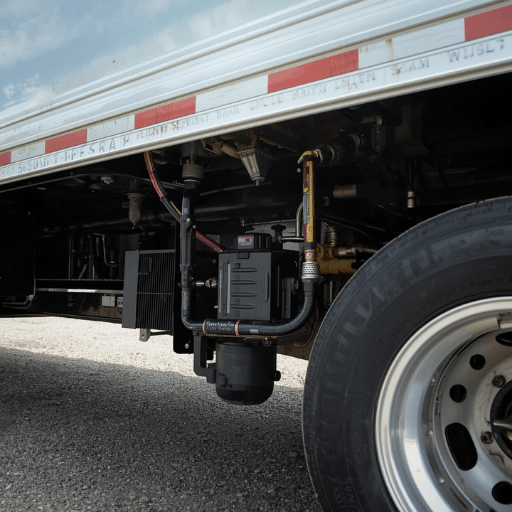
Service Trucks & Fleet Maintenance
A Service Truck Mechanic operating a 1-inch impact wrench, die grinder and tire inflation hose needs air flow to start straightaway on arrival at the jobsite. Pangeng’s PG-HKR series mounts underneath the body of the truck or on the frame rail, freeing up every last square foot of bed space…
Read more ▼
02
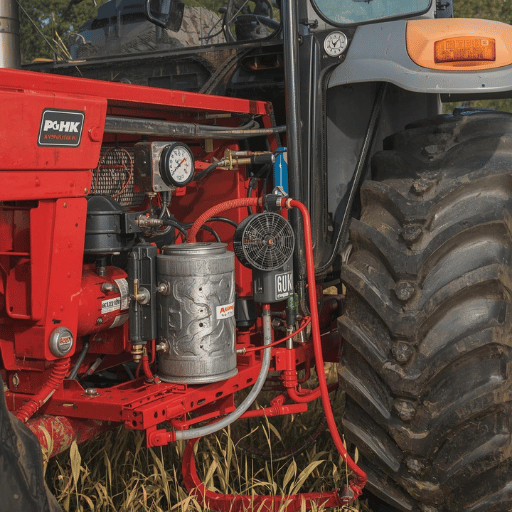
Tractors & Agricultural Applications
Agricultural equipment operators operate tires, implements, and pneumatic accessories on thousands of acres, where half a day round trip back to the shop is not an option. A PG-HK piston compressor, located on a tractor frame can produce 10—40 CFM of compressed air to inflate tires, charge brake systems…
Read more ▼
03
Construction & Mining
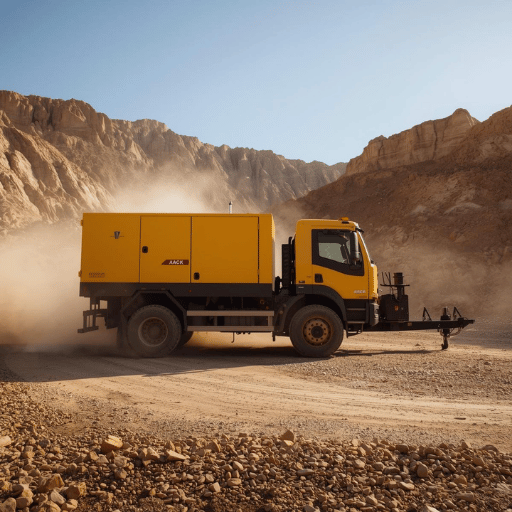
In dusty, hot, vibration-prone and dynamic construction sites, continual high quantity of air is a necessity. Rock drills, pneumatic construction and dust suppressor breakers, and conveyor cleaning air, all need a growth in air during inherent harsh operational conditions. Pangeng PG-HKR rotary screw compressors…
Read more ▼
04
Oil & Gas Operations
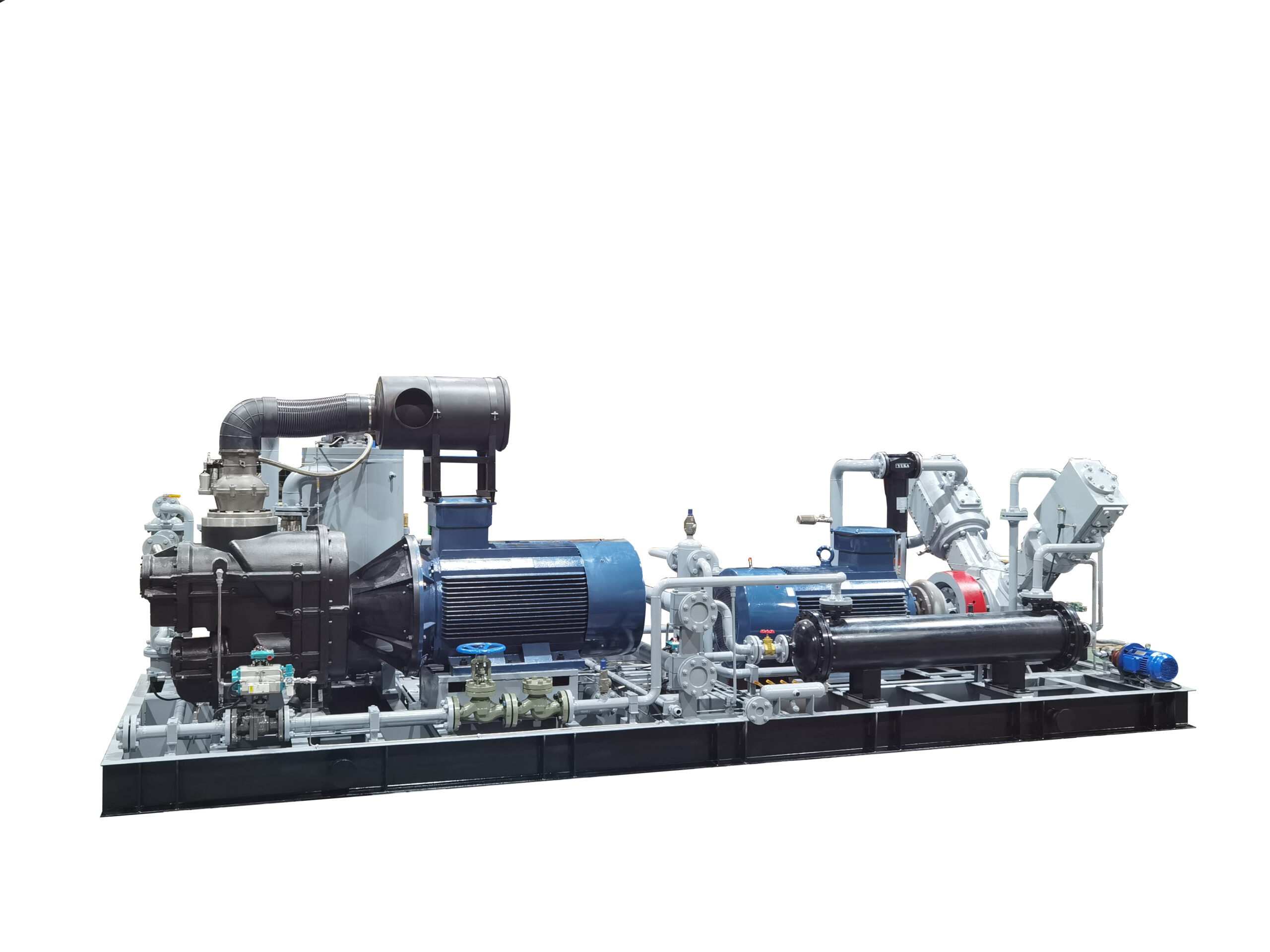
Limited air, whether for drilling, pipeline purging, instrument air or general pneumatic tool use in any well pad or pipeline right-of-way, requires consistent and available compressed air in these hard-to-get-to locations where downtime is thousands of dollars per hour. Pangeng has years of experience…
Read more ▼
Certifications & Industry Compliance
ISO 9001
Quality Management System
CE Marking
EU Market Access Compliance
ISO 1217
Performance Testing Standard
ASME
Pressure Vessel Standards
Manufacturing at Pangeng’s plant in Bengbu, Anhui includes multi-axis CNC machining centers, tight assembly standards and an internal quality testing laboratory. Every hydraulic air compressor leaves the factory fully checked on load with verified output matching all published CFM and PSI figures. With extensive component experience in oil injection, drilling, hydrogen, biogas and all other high pressure air and gaseous compression, Pangeng has the engineering knowledge and manufacturing maturity to satisfy demanding users worldwide with reliable equipment, each accompanied by test, material traceability and shipment compliance documentation.
There are six key factors contributing to bill of Pangeng hydraulic air compressor. They change your total investment according to the technology and business conditions of your application.

Compressor Type
What makes the rotary screw compressors more expensive than piston is the design of the screw element and oil separation system that are machined and they are intended for operating in a continuously duty systems. As an example, the PG-HKR series is more expensive initial fee comparing with the PG-HK piston series, but more economical throughout investment and more productive.
CFM Output Range
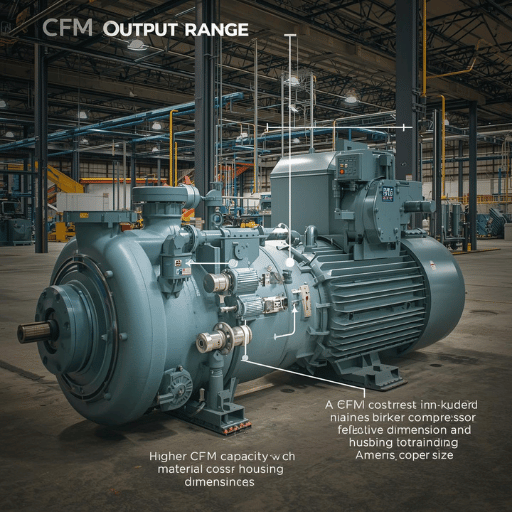
A 40 CFM compressor and a 185 CFM compressor demand entirely different hydraulic motors, compression element and housing dimensions. Higher CFM capacity affects the base cost of the material, machining time and the coupling size of the hydraulic motor.
Operating Pressure
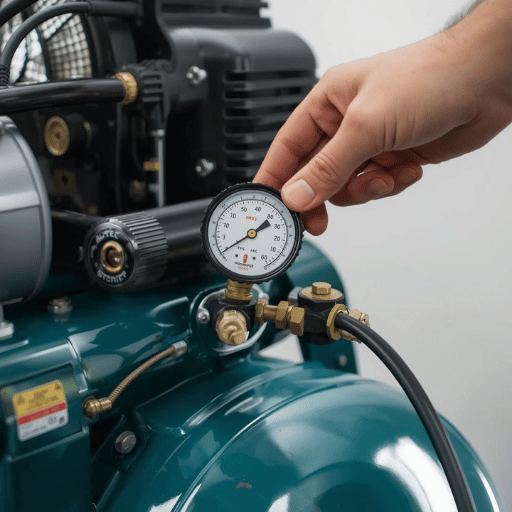
The units rated at 175 PSI will also need more heavy-gauge pressure vessels, higher-rated fittings, and quality testing than the 100 PSI models. Pressure rating affects the compressor head as well as any part after the air outlet.
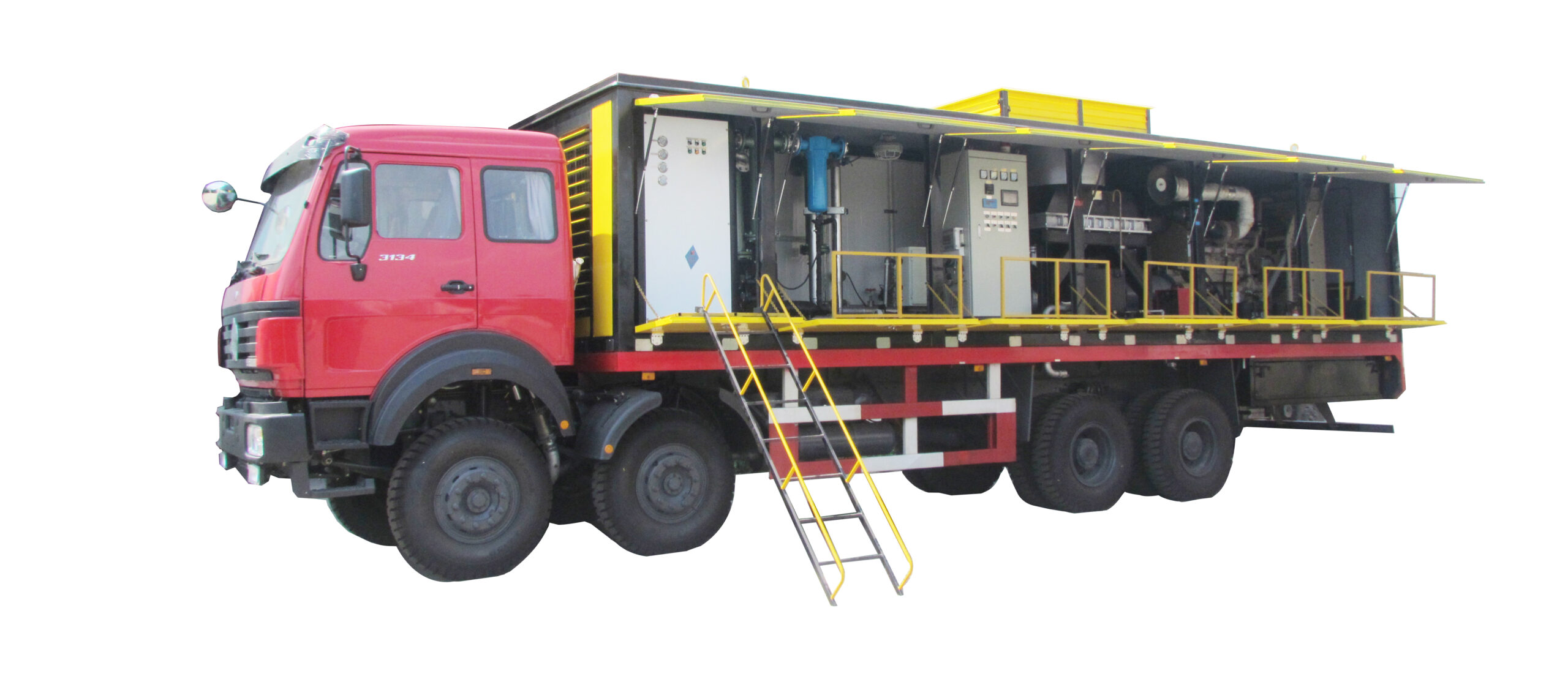
Mounting Configuration
Standard frame mounted brackets are very different from custom under-body mounted systems, vehicle specific adapter plates, or integrated enclosures. All mounting systems require engineering time, custom fabrication, and fitment check.
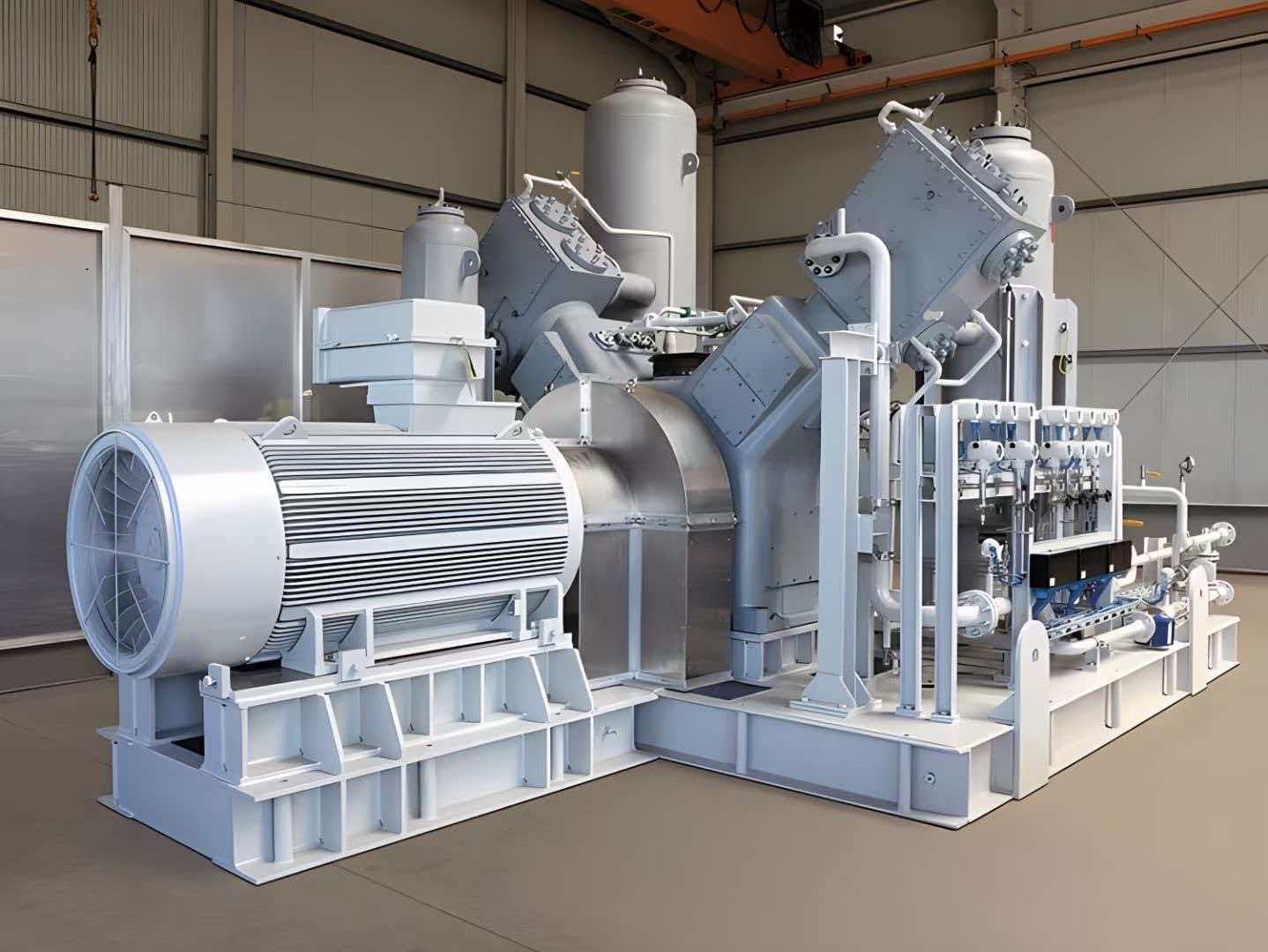
Custom Modifications
Air tank integration, aftercoolers, existing (oil free) filtration, remote condition monitoring, non-traditional hydraulic connections all increase engineering and manufacturing scope. The PG-Custom series is designed to accommodate these special requirements.
Order Quantity
When ordering single unit orders delivers real different economics than fleet scale purchasing for 10, 50 or 200+ units. The fleet scale orders gives economy of scale on production, amortization of dedicated tooling and next consolidated shipment.
Hydraulic Air Compressor Tools
CFM Sizing Calculator
Calculate the exact Cubic Feet per Minute (CFM) requirements for your hydraulic air compressor setup.
Access Calculator
Compressor Comparison
Compare different hydraulic air compressor models to find the perfect match for your operational needs.
Compare Models
Fuel Savings Estimator
Estimate your potential fuel and energy savings by switching to an optimized hydraulic air compressor system.
Estimate Savings
Frequently Asked Questions — Hydraulic Air Compressor Buying Guide
How does a hydraulic air compressor work?
A hydraulic air compressor is a device which connects to your rig’s hydraulic system using a hydraulic motor. The hydraulic fluid flow drives the motor, which then, via a rotary screw element or piston type compression, supplies compressed air. The output of the compressor is controlled by the hydraulic flow and pressure delivered to the air compressor by the vehicle’s hydraulic pump. PG-HKR series rotary screw models need a minimum hydraulic flow of 15 GPM at 2,000 PSI to deliver rated CFM air output. No extra engine or fuel is necessary- existing power take-off or hydraulic plumbed-in circuit supplies the necessary energy.
What size hydraulic air compressor do I need for a service truck?
Most service truck jobs require 40-100 CFM at 100-150 PSI. A 60 CFM unit at 150 PSI covers impact wrenches, die grinders, and tire inflation. For sandblasting or running multiple tools at once, step up to 100-185 CFM. Contact Pangeng with your tool list and we will size the compressor to your actual demand.
Do I need a reciprocating or rotary screw air compressor?
The answer really hinges on duty cycle and respective air volume needs. Reciprocating piston compressors are appropriate for intermittent applications at less than 40 CFM- long-term tire inflation and intermittent use of impact wrenches. Rotary screw air compressors are preferable for continuous operation exceeding 40 CFM, delivering stable, pulsation-free compressed air. Roughly 80% of mobile pneumatic air users prefer rotary screw package units for their efficiency . Pangeng’s PG-HKR rotary screw series is designed for 100% duty cycle, whereas the PG-HK piston series is for infrequent, light weight workloads at a lower beginning cost.
What is the difference between CFM and PSI?
CFM (cubic feet per minute) measures air volume delivered. PSI (pounds per square inch) measures air pressure. Size your compressor to the tool with the highest CFM demand, then verify PSI meets all tool requirements.
How much CFM do you need for common air tools?
CFM requirements vary widely by tool type. Here are typical values at 90 PSI: 3/8-inch impact wrench: 3-5 CFM. 1/2-inch impact wrench: 4-8 CFM. 1-inch impact wrench: 10-16 CFM. Die grinder: 4-8 CFM. Cut-off tool: 4-7 CFM. Sandblaster (standard nozzle): 20-35 CFM. Sandblaster (large nozzle): 35-50+ CFM. Paint spray gun (HVLP): 8-12 CFM. Paint spray gun (conventional): 12-15 CFM. Needle scaler: 8-16 CFM. Air drill (1/2-inch): 3-6 CFM. When running multiple tools on the same line, add all individual CFM requirements together and multiply by 1.25 as a safety factor to account for line losses, fittings, and hose length. For example, running a 1-inch impact wrench (16 CFM) alongside a die grinder (8 CFM) requires at minimum 30 CFM after applying that factor. Pangeng’s PG-HKR series at 40-185 CFM covers single-tool through multi-tool jobsite configurations with capacity to spare.
What is compressor duty cycle and why does it matter?
Duty cycle indicates how long a compressor can run before it must cool down. A 50% duty cycle runs 5 minutes out of every 10. A 100% duty cycle means continuous operation. Pangeng’s rotary screw PG-HKR series provides 100% duty cycle, so your crew runs air tools all day without forced pauses.
Hydraulic vs PTO air compressor — which is better for my fleet?
Hydraulic compressors are the stronger choice for fleets where vehicles already run hydraulic systems, including service trucks, utility trucks, tractors, and heavy equipment. They mount compactly on the frame or underbody without consuming truck bed space, draw power from the existing hydraulic circuit, and transfer between vehicles in 2-4 hours. Because they tap into power already being generated, hydraulic units consume 35-45% less fuel than engine-driven alternatives. PTO-driven compressors work when a vehicle has an available PTO output but limited hydraulic capacity. However, PTO units force the vehicle engine to run at higher RPM during compressor operation, increasing fuel consumption by 15-25% compared to hydraulic alternatives. PTO systems also require more complex installation involving driveshaft alignment and transmission adapter matching. Pangeng hydraulic compressors integrate directly with standard hydraulic circuits operating at 2,000-3,000 PSI, making them the most fuel-efficient and space-efficient option for most fleet configurations.
What maintenance does a hydraulic air compressor require?
Hydraulic air compressors require far less preventative maintenance than engine powered units as they have no separate engine, fuel system, or emissions components. The routine preventative maintenance schedule for a rotary screw diesel compressor is oil and oil filter change every 2,000 – 4,000 hours, air filter inspection every 500 hours with replacement as needed, and separator element change every 4,000 – 8,000 hours. Hydraulic connection hoses should be checked annually. Piston style elements should be checked every 1,000-2,000 hours. Pangeng provides detailed preventative maintenance schedules, service part kits, and technical support for all PG-HKR and PG-HK series compressors to keep units up and running.
Trending now
![Low Pressure Hydrogen Compressor Applications [Guide]](https://pgcompress.com/wp-content/uploads/2026/09/low-pressure-hydrogen-compressor-applications-blog-featured-150x150.png)