Get in Touch with Pangeng

Reciprocating Air Compressor Packages, Pangeng Industrial Manufacturer
- Quotation within 24 hours
- Discharge pressure up to 50 MPa
- Free air delivery between 1.3 and 100 m³/min
- Air, nitrogen, hydrogen and biogas duties
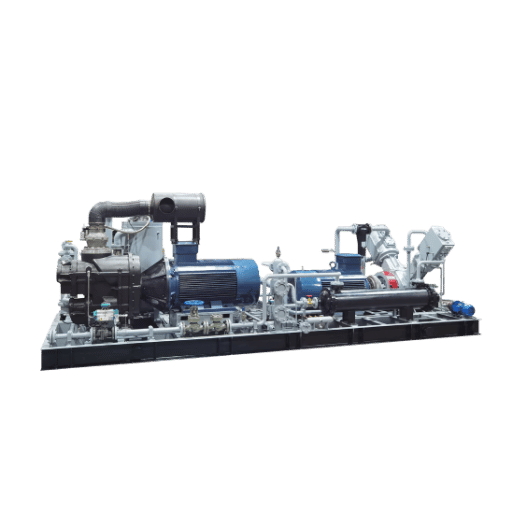
Pangeng builds oil-lubricated and oil-free reciprocating air compressor packages for drilling rigs, oil injection, leak testing and process plant. Each package is engineered to the inlet pressure, discharge pressure, flow, gas, cooling, drive and mounting requirement you send us.
Where it fits
Choose a reciprocating package for intermittent or cyclic demand, high discharge pressure, gas duties, or booster service from a 1.7–3.45 MPa plain-air main.
Where it does not
Continuous full-load plant air at 8 bar and modest flow is usually better served by a rotary screw air compressor.
Discharge pressure
Configured up to 50 MPa (500 bar / 7,252 psig)
Free air delivery
Configured between 1.3 and 100 m³/min (46–3,531 cfm)
Quotation
Returned within 24 hours, reviewed by an engineer
Gas media
Air, nitrogen, hydrogen and biogas
Build basis
Every package is engineered to order
Production schedule
45 to 60 days after drawing approval
Compression Capabilities and Configurations
Screw–piston packages
LGF.VF sets deliver 10–31 m³/min (353–1,095 cfm) at 8 or 15 MPa, with 132–500 kW (177–671 hp) drives. Flow is free air delivery on the ISO 1217 basis.
V-type boosters
VF boosters take 1.7–3.45 MPa inlet air and deliver 25–72 m³/min (883–2,543 cfm) at 8 or 15 MPa.
High-pressure frames
Multistage frames are configured up to 50 MPa. Stage count, rod loading and intercooling are selected for the duty point.
Cylinder options
Oil-lubricated and oil-free cylinders change ring and packing material, service intervals and required downstream treatment.
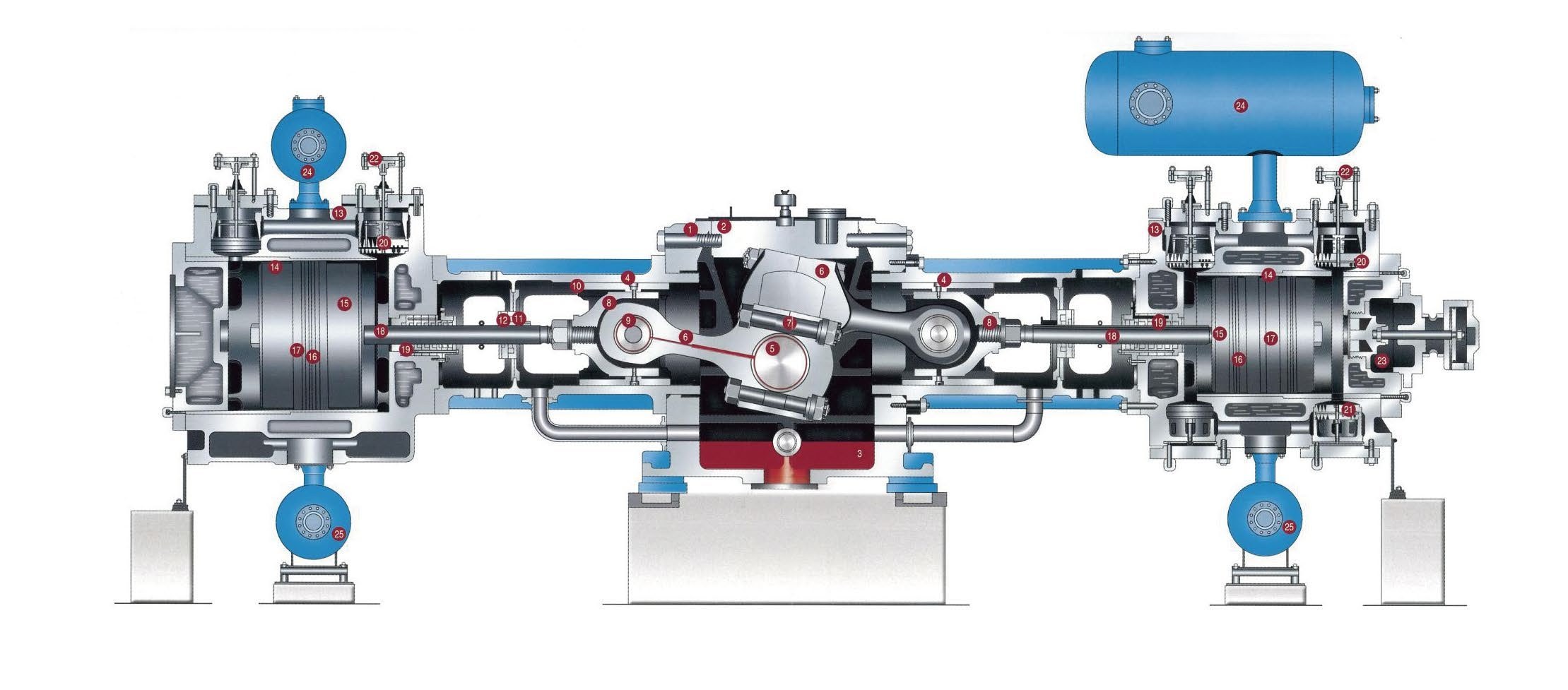
Cutaway of a horizontal balanced-opposed reciprocating air compressor showing crankshaft, crosshead, piston rod packing, suction and discharge valves, clearance pocket and pulsation dampers
Core service parts
SYSTEM OVERVIEW: Horizontal balanced-opposed compressor block with running gear, cylinder and valve train.
- Frame, crankshaft, connecting rod and crosshead
- Cylinder, liner, piston, rings and piston rod
- Piston-rod packing, suction and discharge valves
- Suction-valve unloaders, clearance pockets and pulsation dampers
Typical packages
- Drilling-air, oil-injection and gas-lift skids
- Leak-testing, blow-cleaning and conveying air supply
- High-pressure plant air for mining, textile, pharmaceutical and electronics works
- Skid, enclosed and vehicle-mounted sets for remote sites
Configuration Options and Air Quality
ISO 8573-1 air quality
ISO 8573-1 grades particles, water and total oil separately. Specify the classes required by the process: the compressor is supplied with aftercooling and moisture separation, while dryer and filtration are quoted to reach the stated class.
Oil-free versus oil-lubricated
An oil-free cylinder removes carryover at source but changes ring life and frame price. An oil-lubricated cylinder suits heavy duty where the process accepts trace oil after filtration.
Cooling and mounting
Air-cooling removes a site service and is used throughout the drilling-air line. Water-cooling maintains a steadier discharge temperature in hot ambient conditions, while skid or vehicle mounting follows installation and transport constraints.
-
Cylinder lubricationOil-lubricated or oil-free dry rings and packingOil-free for product or instrument air; oil-lubricated for heavy duty where trace oil after filtration is acceptable
-
CoolingAir-cooled finned intercoolers and aftercoolers, or water-cooled shell-and-tube circuitAir-cooled where water is unavailable; water-cooled for an installed cooling loop
-
StagingOne to four stages with intercoolingThree stages for published 8 MPa air machines and four for 15 MPa versions
-
FrameV-type booster, horizontal balanced-opposed, or screw–piston tandemV-frames conserve floor area; balanced-opposed frames suit low-vibration skid mounting
-
Drive and mounting90–500 kW electric motor or diesel; foundation, skid or vehicle mountingMotors are wound for the ordered supply; enclosure and mounting follow site conditions
Package scope and auxiliary equipment
| Item | What it does | Scope |
|---|---|---|
| Compressor block | Frame, running gear, cylinders and valve train sized for the duty point | In base scope |
| Drive, coupling and guard | Electric motor for your supply, or diesel where there is no grid | In base scope |
| Cooling and piping | Intercoolers, aftercooler, moisture separation, safety valves and instrument connections | In base scope |
| Control and electrical equipment | Start, stop, unloading, protection, panel, starter and package field wiring | In base scope |
| Automatic cycling and drainage | Unattended cycling and timed condensate discharge | Option |
| After-treatment | Dryer and filtration for specified ISO 8573-1 classes | Option |
| Enclosure or vehicle body | Weather, noise and transport protection | Option |
| Receiver and site pipework | Storage volume and distribution-main interconnection | By others unless quoted |
Unless quoted otherwise, the package is mechanically complete with control and electrical equipment fitted. Foundations, receiver and distribution pipework remain with you.

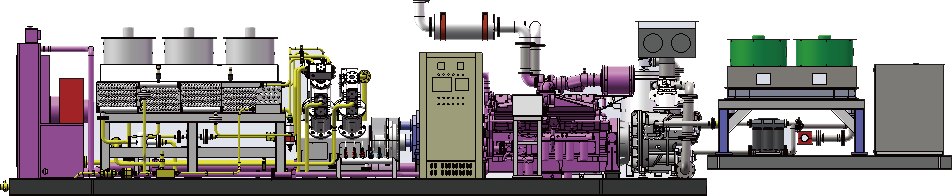
Specification Range and Model Selection Table
Free air delivery
Between 1.3 and 100 m³/min (46–3,531 cfm)
Discharge pressure
Up to 50 MPa (500 bar / 7,252 psig)
Gas media
Air, nitrogen, hydrogen and biogas
Cooling
Air-cooled or water-cooled
Mounting
Foundation, skid or vehicle-mounted
Medium and High-Pressure Air Models
| Model | Free air delivery | Discharge pressure | Type / stages | Drive | Weight |
|---|---|---|---|---|---|
| LGF.VF-10/80 | 10 m³/min (353 cfm) | 8 MPa (80 bar / 1,160 psig) | Screw–piston / 3 | 132 kW | 4,800 kg (10,582 lb) |
| LGF.VF-15/80 | 15 m³/min (530 cfm) | 8 MPa (80 bar / 1,160 psig) | Screw–piston / 3 | 220 kW | 4,900 kg (10,803 lb) |
| LGF.VF-24/80 | 24 m³/min (848 cfm) | 8 MPa (80 bar / 1,160 psig) | Screw–piston / 3 | 350 kW | 7,600 kg (16,755 lb) |
| LGF.VF-31/80 | 31 m³/min (1,095 cfm) | 8 MPa (80 bar / 1,160 psig) | Screw–piston / 3 | 450 kW | 11,000 kg (24,251 lb) |
| LGF.VF-10/150 | 10 m³/min (353 cfm) | 15 MPa (150 bar / 2,176 psig) | Screw–piston / 4 | 160 kW | 4,800 kg (10,582 lb) |
| LGF.VF-15/150 | 15 m³/min (530 cfm) | 15 MPa (150 bar / 2,176 psig) | Screw–piston / 4 | 250 kW | 4,900 kg (10,803 lb) |
| LGF.VF-24/150 | 24 m³/min (848 cfm) | 15 MPa (150 bar / 2,176 psig) | Screw–piston / 4 | 400 kW | 7,600 kg (16,755 lb) |
| LGF.VF-31/150 | 31 m³/min (1,095 cfm) | 15 MPa (150 bar / 2,176 psig) | Screw–piston / 4 | 500 kW | 11,000 kg (24,251 lb) |
All eight published sets are oil-injected and air-cooled. The 10 and 15 m³/min frames measure 3,800 × 2,500 × 2,500 mm (150 × 98 × 98 in); the 24 and 31 m³/min frames measure 5,500 × 2,500 × 2,500 mm (217 × 98 × 98 in).
Booster Models for an Existing Air Main
| Model | Free air delivery | Inlet pressure | Discharge pressure | Type / stages | Drive |
|---|---|---|---|---|---|
| VF-1.5/(17-24)-80 | 25–35 m³/min (883–1,236 cfm) | 1.7–2.4 MPa (247–348 psig) | 8 MPa (1,160 psig) | V-type / 2 | 132 kW |
| VF-1.5/(17-24)-150 | 25–35 m³/min (883–1,236 cfm) | 1.7–2.4 MPa (247–348 psig) | 15 MPa (2,176 psig) | V-type / 3 | 185 kW |
| VF-2.2/(17-24)-150 | 39–52 m³/min (1,377–1,836 cfm) | 1.7–2.4 MPa (247–348 psig) | 15 MPa (2,176 psig) | V-type / 3 | 280 kW |
| VF-3/(17-24)-80 | 54–72 m³/min (1,907–2,543 cfm) | 1.7–2.4 MPa (247–348 psig) | 8 MPa (1,160 psig) | V-type / 2 | 280 kW |
| VF-0.95/34.5-80 | 30.5 m³/min (1,077 cfm) | 3.45 MPa (500 psig) | 8 MPa (1,160 psig) | V-type / 1 | 90 kW |
| VF-0.95/34.5-150 | 30.5 m³/min (1,077 cfm) | 3.45 MPa (500 psig) | 15 MPa (2,176 psig) | V-type / 2 | 160 kW |
| VF-1.9/34.5-80 | 61 m³/min (2,154 cfm) | 3.45 MPa (500 psig) | 8 MPa (1,160 psig) | V-type / 1 | 185 kW |
| VF-1.9/34.5-150 | 61 m³/min (2,154 cfm) | 3.45 MPa (500 psig) | 15 MPa (2,176 psig) | V-type / 2 | 315 kW |
- Free air delivery is flow referred to inlet conditions under ISO 1217; it is not swept volume. State ambient temperature, altitude and inlet pressure because they change delivered flow.
- Published drive figures are motor ratings, not measured shaft power; package input also includes fan and auxiliary loads.
- Booster capacity is stated at the inlet-pressure band in its row because output moves with the supply pressure.
- Receiver volume smooths pulsation and gives start-stop headroom, but it does not replace correct machine sizing.
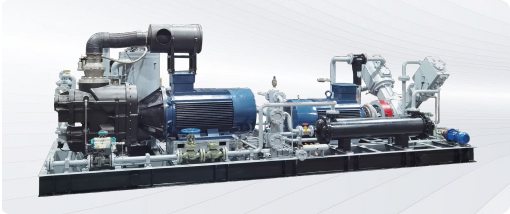
Quotation, lead time, and documentation
ENGINEERING PARAMETERS
Package Specification Drivers
DRIVER 01
Discharge pressure and stages
EFFECT ON PACKAGE
Adds cylinders, coolers and valve sets
WHAT TO PROVIDE
Required point-of-use pressure
DRIVER 02
Free air delivery
EFFECT ON PACKAGE
Sets frame size and drive rating
WHAT TO PROVIDE
Measured demand and duty pattern
DRIVER 03
Cooling and ambient
EFFECT ON PACKAGE
Sets cooler area and site services
WHAT TO PROVIDE
Maximum ambient and cooling-water availability
DRIVER 04
Scope and enclosure
EFFECT ON PACKAGE
Adds dryers, filtration, enclosure or vehicle body
WHAT TO PROVIDE
Base-machine and option requirements
DELIVERY SCHEDULE
Order Stage & Lead Time Breakdown
01
Quotation
Within 24 hoursDuty review, model, scope list and commercial terms
02
Engineering and drawing approval
Confirmed with the quotationGeneral arrangement, electrical schedule and interfaces
03
Production
45 to 60 days after drawing approvalManufacture, works test and export packing
Commercial Terms & Compliance
- Terms are 30% deposit and balance before shipment by wire transfer. We ship FOB, CIF or CFR; other Incoterms are available on request.
- Tell us the destination country at enquiry so the document set is agreed in the quotation.
- Nameplate data, test record and operating manual ship with every machine.
- Pressure equipment for the European market and United States air receivers have separate regulatory requirements; the party placing equipment on that market carries the obligation.
How the quotation is prepared
An engineer reviews the duty point and returns the model, staging, drive rating and scope split. This lets you compare the proposed package line by line with another supplier.
When the schedule starts
The 45–60 day production window starts after drawing approval, not order placement. It excludes shipping time and site work that remains in your scope.
Manufacturing Control and Inspection
-
STEPIncoming inspection of castings, forgings, valves and bearings against the purchase specification.
-
STEPDimensional checks on cylinders, liners, rods and crossheads, with running clearances recorded per unit.
-
STEPAssembly checks on alignment, rod run-out, valve seating and mechanical and electronic protection settings.
-
STEPWorks test at rated duty, logging capacity, discharge pressure, stage temperatures, power draw and vibration.
The works test record, nameplate data and operating and maintenance manual ship with every order. Pangeng is an ISO 9001 certified manufacturer; the certificate is issued with order documents on request.
A unit that misses its duty point on the works test is corrected and retested against the same written acceptance criteria before shipment. Every machine carries a 12-month warranty on the complete machine, with spare parts and technical support available for the life of the unit.
Acceptance figures
Application engineering, PangengThe works record is the evidence for capacity, discharge pressure, temperature, power draw and vibration at the agreed duty point. It is more useful for comparing a delivered machine than a generic datasheet.
Specification and Build Sequence
-
STEP 01 //
Send the duty point — inlet and discharge pressure, flow, gas, ambient conditions and site supply.
-
STEP 02 //
Selection review — an engineer selects the frame, staging and cooling, and identifies a better-fit screw or centrifugal machine where appropriate.
-
STEP 03 //
Written quotation — model, staging, drive rating, scope split and commercial terms within 24 hours.
-
STEP 04 //
Drawing approval and build — production starts from the approved drawings; the machine is works-tested at the agreed duty before packing.
Duty-Point Submission Card
-
01. Pressure and flowWHAT TO SEND Point-of-use pressure, inlet pressure and m³/min or cfm with duty patternIMPACT ON PACKAGE Sets stage count, frame size, drive and unloading
-
02. GasWHAT TO SEND Air, nitrogen, hydrogen, biogas and contaminantsIMPACT ON PACKAGE Changes sealing, cylinder material and valve arrangement
-
03. Site conditionsWHAT TO SEND Maximum ambient, altitude and cooling-water availabilityIMPACT ON PACKAGE Sets cooler area and cooling method
-
04. Electrical supplyWHAT TO SEND Voltage, frequency, phase and starting restrictionIMPACT ON PACKAGE Sets motor winding and starting arrangement
-
05. Installation constraintsWHAT TO SEND Floor area, transport clearances and whether the set travelsIMPACT ON PACKAGE Sets mounting, enclosure and package dimensions
Equipment and Industries
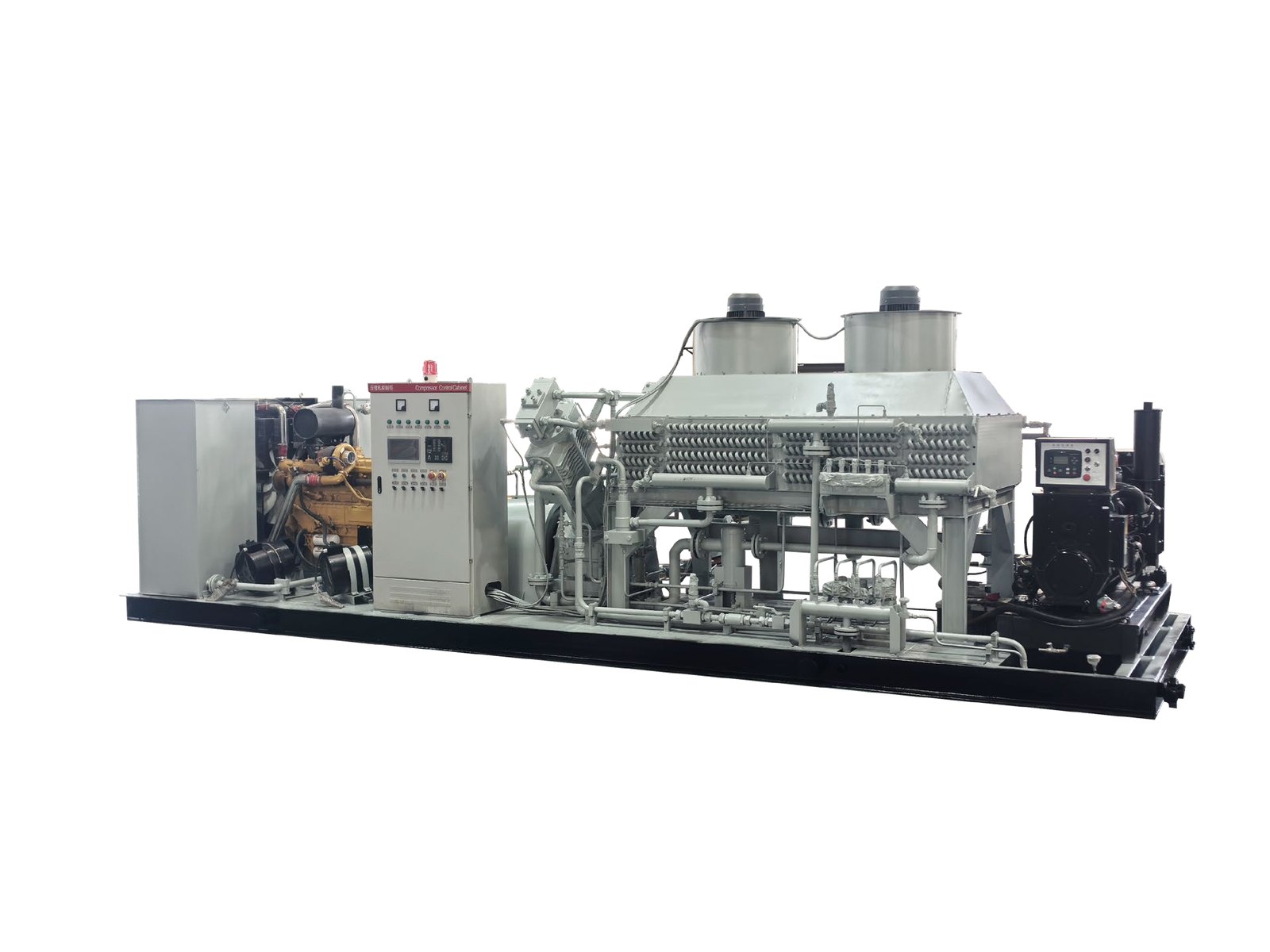
EQUIPMENT
High-pressure air package
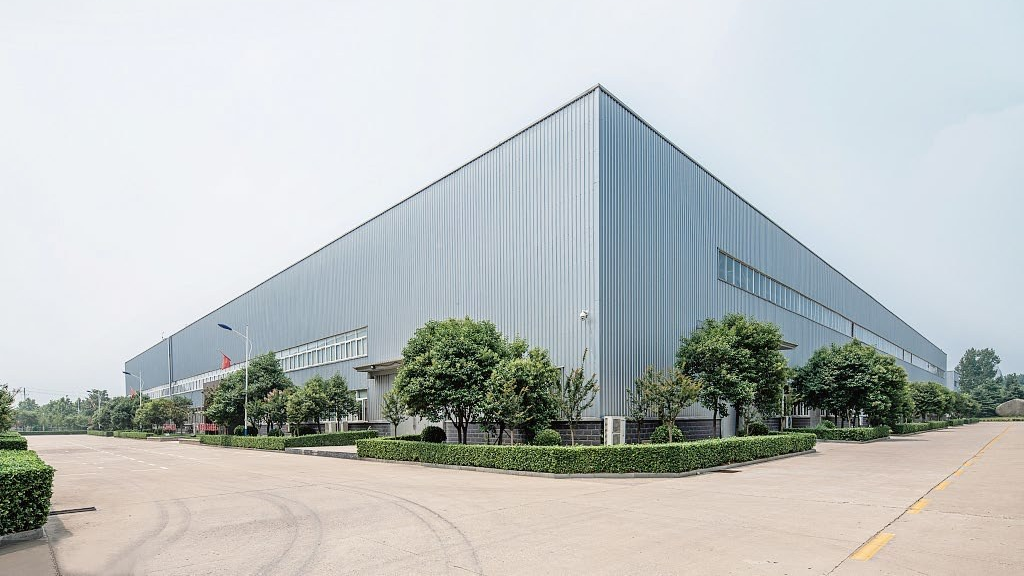
FACILITY
Drilling, oil injection and gas lift
Air-cooled skid or vehicle-mounted sets for water-well, mineral exploration and wellhead-pressure duties.
Leak testing and process plants
High-pressure test-bench, chemical, energy, pharmaceutical and electronics duties with materials selected for the gas.
Selecting between reciprocating, rotary screw, and centrifugal packages
01 // Package Comparison Matrix
| Criterion | Reciprocating | Rotary screw | Centrifugal |
|---|---|---|---|
| Pressure and flow | Low pressure to 50 MPa; 1.3–100 m³/min across the series | Usually to about 1.3 MPa on packaged plant air | Medium pressure at large flow |
| Part-load behaviour | Suction-valve unloaders and clearance pockets; unloaded power 0.10–0.15 of full-load power | Inlet modulation, load/unload or variable speed; unloaded power 0.20–0.30 | Inlet guide vanes, then blow-off at low turndown |
| Best duty pattern | Intermittent and cyclic duty | Continuous duty near full load | Continuous base load |
| Oil-free route | Oil-free cylinders with dry rings and packing | Oil-free screw elements at a specific-power cost | Oil-free by architecture |
| Service and foundation | Replaceable valves, rings and packing; pulsation requires damping | Element overhaul is a workshop job; light foundation | Specialist overhaul; heavy machine |
02 // Specific Power Comparison
| Full-load specific power at 100 psig | Published comparison | Basis |
|---|---|---|
| Reciprocating | 15–16 kW per 100 cfm for two-stage double-acting; 24 kW per 100 cfm for single-stage single-acting | Plant Services trade-press comparison |
| Rotary screw | 16–18 kW per 100 cfm, two-stage; 18–19 kW per 100 cfm, single-stage lubricated | Plant Services trade-press comparison |
| Centrifugal | 15–20 kW per 100 cfm | Plant Services trade-press comparison |
Use class comparisons to rank the duty pattern, then take guaranteed figures from the model selection table and written quotation. Published full-load power comparisons are class references, not Pangeng test data.
03 // Duty Pattern Diagnostics
When oversized
A reciprocating package can short-cycle and wear starters when it reaches pressure too quickly. Match the frame to demand and use receiver volume and unloading steps for peaks.
When lightly loaded
A load/unload screw can draw idle power through a shift, while a reciprocating machine is designed for stepped unloading. Compare the duty pattern as well as full-load power.
When turndown is low
A centrifugal machine can waste compressed air through blow-off below its turndown limit. Its strength is continuous base load at flows where smaller frames become impractical.
04 // Logic Routes
Where a reciprocating package works against you
Continuous full-load plant air at 8 bar
Compare a rotary screw package and its sizing calculator.
Very large flow at moderate pressure
Consider a centrifugal package for base load and a reciprocating set for peaks.
Demand below 1.3 m³/min
Use a packaged workshop unit; an engineered industrial frame is not economic at that size.
Sensitive process requiring smooth flow
Specify pulsation dampers and receiver volume, or select a steady-flow machine.
Engineering Selection Tools
Duty-point model selector
Matches flow and inlet/discharge pressure to the published frames.
Compressed air energy cost comparator
Compares machine classes; evaluates the compressor total cost of ownership.
Air demand sizing calculator
Builds demand from point-of-use measurements for precise sizing.
Stage count & interstage estimator
Estimates pressure-ratio staging and expected interstage temperature.
Duty-point submission card
Lists known and missing enquiry fields to streamline specification.
Reciprocating Air Compressor FAQs
How many stages does my duty point need?
Stage count follows pressure ratio and discharge temperature. Our published air line uses three stages to 8 MPa and four to 15 MPa, with intercooling; final staging is returned with the quotation.
How does part-load control work?
Capacity is stepped with suction-valve unloaders and clearance pockets. A double-acting two-cylinder machine can be configured for 100, 75, 50, 25 and 0 percent capacity steps.
What is the difference between single-acting and double-acting cylinders?
A single-acting cylinder compresses on one side of the piston, while a double-acting cylinder compresses on both strokes and needs a crosshead and piston-rod packing. Double-acting frames deliver more air per revolution at lower speed but require a longer frame and heavier foundation.
What are the limits of clearance-pocket control?
A pocket on the head end alone reduces that end by approximately half, or about a quarter to 30 percent of machine capacity. Pockets become ineffective as the compression ratio approaches about 1.7; unloaders, multiple machines or another compressor type may then be required.
What does ISO 8573-1 say about oil-free air?
It rates particles, water and total oil as separate classes. An oil-free cylinder removes the lubricated-cylinder oil path, while filtration removes hydrocarbon from intake air.
Air-cooled or water-cooled?
Air-cooling suits sites without cooling water and is used throughout the drilling-air line. Water-cooling gives more stable temperature in a hot ambient where a cooling circuit already exists.
What are performance figures based on?
Displacement compressor performance is quoted under ISO 1217. Free air delivery is referred to inlet conditions and is not swept volume.
What do you need for a quotation?
Send inlet pressure, discharge pressure, flow, gas and site supply voltage. Quotes are returned within 24 hours on business days, reviewed by an engineer.
What is the production lead time?
Production is scheduled for 45 to 60 days after drawing approval, confirmed with the quotation. Shipping time is outside that window.
What are payment and shipping terms?
Terms are 30% deposit and balance before shipment by wire transfer. We ship FOB, CIF or CFR; other Incoterms are available on request.
What warranty comes with the machine?
Every machine carries a 12-month warranty on the complete machine, with spare parts and technical support available for its life.
Will the motor suit my site supply?
Motors are wound to the voltage and frequency stated on the order. Include voltage, frequency, phase and any starting restriction so the starting arrangement can be quoted with the package.
Can you build for gases other than air?
Yes. Pangeng builds packages for air, nitrogen, hydrogen and biogas; the gas changes sealing, cylinder material, valve arrangement and leak-tightness requirements. Hydrogen duty is handled on the reciprocating hydrogen compressor line.
What happens if the machine is oversized?
An oversized machine can short-cycle, wearing starters and control gear. Receiver volume and unloading steps are usually considered from the demand pattern over a shift rather than peak demand alone.
Am I locked into the controller and spares?
Protection has mechanical and electronic layers, and valves, rings, packing and bearings are standard industrial parts listed with the machine. Ask for a recommended spares list at quotation stage to price it against your own supply chain.
Does a booster need a different enquiry?
Yes. State the pressure range of the air main that feeds the booster, because booster capacity is tied to inlet pressure. The selection then distinguishes a booster frame from a complete atmospheric-inlet compressor package.
What should I send for a remote installation?
Include maximum ambient temperature, available cooling water, transport clearance and whether the compressor travels with the rig. These details decide the cooling method, skid or vehicle mounting, enclosure and electrical or diesel drive arrangement.
Trending now
![Low Pressure Hydrogen Compressor Applications [Guide]](https://pgcompress.com/wp-content/uploads/2026/09/low-pressure-hydrogen-compressor-applications-blog-featured-150x150.png)