Get in Touch with Pangeng

Diaphragm vs Reciprocating: Which is Right for You?

Contents
show
Settling on an appropriate pump model for a particular use can have a significant impact on efficiency, dependability, and costs over the total operation. Among others, diaphragm pumps and reciprocating pumps stand out as they are more commonly used offering varying pros and cons in terms of construction, functionality and purpose. In this work a detailed summary is achieved and helps provide a compilation of information that will assist you in comparison of the two technologies so that you can appreciate the major differences that exist in them. Whether you are involved in fluid transfer processes within an industrial setup, controlling the use of chemicals, or addressing issues of energy conservation, the inclusion of these pumps is necessary for good judgment acquisition.
Understanding the Basics of Compressors
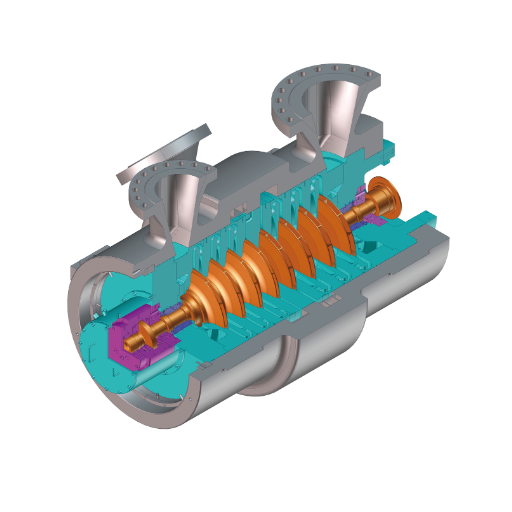
Compressors are mechanical devices that are designed to increase the gas pressure by decreasing its volume. They are built based on two main designs that are positive displacement and dynamic displacement compressors. In the case of positive displacement compressors such as reciprocating type and rotary screw type, certain quantity of the gas is enclosed and compressed into a specific volume. Dynamic compressors like the centrifugal and the axial compressors use impellers at high speeds to give the gas velocity which eventually ends in pressurising the gas.
These compressors have found great use in various industries like manufacturing and in the HVAC systems as well as in energy generation where the levels range from the use of pneumatic tools to refrigeration purposes. It is impossible to ignore the compressors without understanding their working and also the situations in which they are more effective when choosing a compressor.
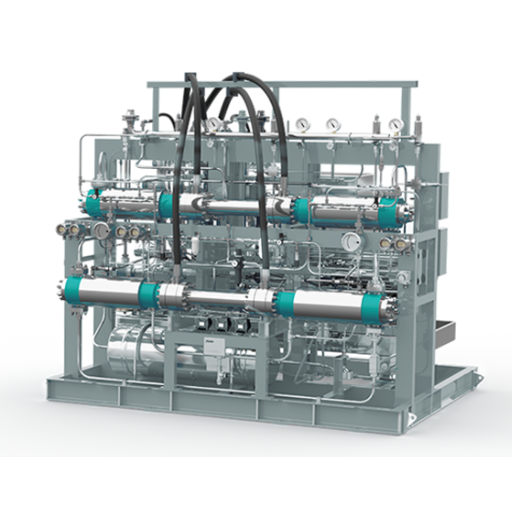
What is a Diaphragm Compressor?
Described as a machine for sustained cyclic operation, compressors are devices of a mechanical unit which are intended for compressing air, coal gases, and other dead air. Provided in the space between two membranes, the medium that needs to be separated in the flow of the device interacts with such membrane separating gas medium due to its vibration. Such a membrane working volume is limited within the casing of the compression chamber and no lubricating medium is present in that chamber which ensures that the working gas is always free from contamination. Thus, they are much more efficient at handling ultrapure or dangerous gases than typical compressors, such as hydrogen or helium.
Gas turbines are used in a variety of settings, including industrial applications such as chemical, medicine, alternative power (usage) in general, and so much more. For instance, the high air pressure is delivered to the leakage of gas, reducing any wastage, according to the setup noticed in businesses; this is a common case. Among the essential features are good ability to contain leakage, quick repair, sorting out the fuel gas and fuel gas intake, sorting out liquid gas, compressing flu gas or vapor including them to compressor operation. Also, the built in security features allow its usage in severe work conditions.
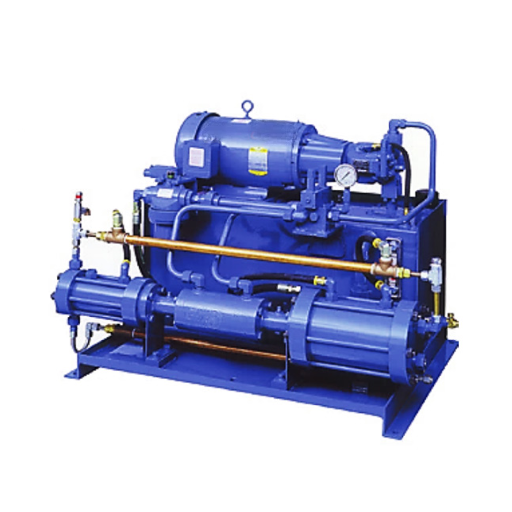
What is a Reciprocating Compressor?
In thermodynamics, the piston stroke is described as suction compression, while the power of the reciprocating motion of the gas is expelled and reintroduced into the surrounding environment. Such changes occur because the cylinder is operated in two directions, which includes the suction stroke and the compression or exhaust stroke. Compressors are further categorized on various aspects such as the number of stages, mode of cooling (air or water), and position of the cylinders with respect to the piston.
Reciprocating compressors are used in many industrial settings due to the need for high-pressure output in operations such as petrochemical plants, cryogenic systems and gas processing. The versatility of these equipment lies in their ability to handle a number of gaseous substances such as those that are flammable poisonous or safe in nature. Current reciprocating compressors are designed in such a way that they incorporate breakthrough materials and lubrication systems, which in turn, enhance the energy efficiency, decrease mechanical wear, and meet the currently required environmental and safety standards and specifications.
Differences Between Diaphragm and Reciprocating Compressors
| Parameter | Diaphragm Compressors | Reciprocating Compressors |
|---|---|---|
| Compression Mechanism | Flexible diaphragm movement | Piston-driven compression |
| Gas Leakage Risk | Minimal due to sealed design | Higher due to seals and moving parts |
| Maintenance Requirements | Low, with fewer moving parts | Moderate to high, frequent maintenance needed |
| Gas Compatibility | Suitable for toxic or corrosive gases | Handles a wide range of gas types |
| Efficiency at High Pressure | Highly efficient | Moderate efficiency |
| Contamination Potential | Virtually zero due to sealed components | Potential for contamination from lubrication |
| Operating Speed | Limited to low to moderate speeds | Capable of high-speed operation |
| Applications | Sensitive, high-purity gas operations | Versatile industrial applications |
| Noise Levels | Low | Higher, depending on design |
| Initial Cost | Higher | Generally lower than diaphragm compressors |
Operational Principles of Diaphragm and Reciprocating Technologies
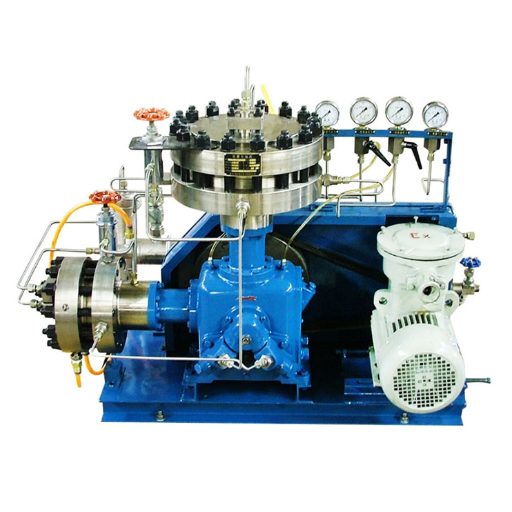
Diaphragm compressors work best when a diaphragm is used to compress gas into a hydraulically-actuated, flexible mechanism. This type of diaphragm is used mainly for ultra-pure applications, where the gases that are to be compressed cannot contain any foreign elements. Moreover, if the compressing gas presents a back and forth displacement of the diaphragm, then the transient change in load may produce vibrations about the valve shaft when operated at high speeds. The diaphragm’s movement presses the gas, leading to an increase in volume in the compression chamber and the consequent compression of the gas.
Unlike the Diaphragm compressors, the Reciprocating compressors utilise a piston which travels along a cylinder during gas compression. A large number of applications in which high pressures and high flow rates are required would easily be optimised using this technology. For the most part, however, the gas inside reciprocating compressors works in conjunction with lubricants and other system components, thereby leading to contamination of clean rooms. In contrast, reciprocating pumps are bulky but they are adaptable in a very wide range of industrial applications and offer greater operational flexibility.
How Diaphragm Compressors Operate
Diaphragm compressors work by moving a flexible diaphragm in order to compress gas while ensuring that there are no leaks between the gas and the moving parts. Hence, the diaphragm eliminates the need of any liquid or dry lubrication while in this operation. The diaphragm is almost always operated using a hydraulic pump, however mechanical operation is also feasible. The vehicle’s suspension components for example, are the parts of the vehicle that allow the vehicle to float and provide comfort to the user and help in the prevention of the transmission of any layer’s motion to the vehicle.
The process of compressing air begins with a suction stroke. In this phase the gas is sucked in into the cylinder as the piston moves outward. During compression classification the piston moves in the opposite direction toward the cylinder wall. Where gas fills this reduced space, the pressure of gas also increases. Once the pressure reaches maximum, the gas will be expelled out of the system through an outlet valve. Such diaphragm compressors are great in compression of highly pure gases such as hydrogen or helium –applications that are common in industries such as pharmaceuticals, electronics, and petrochemicals. These compressors have a strong focus on gadgets that offer cleanliness and purity performance. Their approach not only protects the environment but also obeys the standards of environmental protection.
How Reciprocating Compressors Operate
Reciprocating compressors work by making use of a device that moves back and forth to compress gases within a restricted area. As the gas compressor system begins operating, the piston lowers piggishly devoid of thermal energy. Thereafter, the lies in the cylinder and the gas enters through the follow valve. During the compression phase, an upward movement by the piston will decrease the internal volume of the cylinder. This operation will result on the increase of gas pressure. The pressure start decreases, hence the gas is discharged.
The effectiveness of positive displacement reciprocating gas compressors is highly influenced by their construction and operational settings. In some instances, these systems employ multi-stage compression in order to do this efficiently since it is required for high pressure. The purpose of the cooling of the gas is to eliminate heat in gas discharge before the subsequent lower pressure stage so that the burden of compressors is kept lower with its positive performance. Recent technological developments include advanced materials, sealing, and lubrication, which overcome the wear and other thermal-based loss factors in pistons, thus resulting in longer life and reliability of compressors.
Comparative Analysis of Operational Efficiency
The operational efficiency of a reciprocating compressor tends to have a green image due to the presence of high adaptability towards various pressure levels and load ranges. Reciprocating compressors are favorable for applications that need to be precision-oriented compressors. They are equally efficient under the zero load condition. They can be referred to a reciprocating compressor is one that maintains the yield regardless of the operation level. Centrifugal compressors, in contrast, have their most effective performance at full load and become inefficient when the proportion of the load falls.
While it is true that advancements in the design of valves and automation technologies have significantly enhanced the efficiency of reciprocating compressors by reducing the intensity of electrical consumption during operation, improvements in reciprocating centripetal compressors stand out. This has not been the case in the centrifugal compressor energy consumption as these devices can now claim improved running efficiencies under steady operating conditions. This advantage is most crucial in some industries such as chemical or petrochemical refining where the working parameters provide constant changes, making it difficult for other compressors to be energy-efficient customized especially when it comes to the equipment placement.
Comparing Diaphragm and Reciprocating Compressors

The key characteristics of diaphragm and reciprocating compressors are those related to the design and appropriate applications. Particularly, diaphragm compressors are the most appropriate when pneumatically moving gases of high purity are concerned because their structure is such that they do not mix with the more viscous lubricating oils of plastics. This makes them perfect for the activities such as pharmaceutical manufacturing, food production, and speciality gas handling among others.
On the other hand, compressors of reciprocating nature are more suitable for high pressure and multiple gas system handling, which has benefits in industrial applications such as refineries or offshore installations. Whilenatural convection compressors managed through displacement are constructed tightly and are thus clean these are perfect for laboratory work, reciprocating compressors can be used independently or as a substitution for diaphragm compressors.
Performance Metrics: Efficiency and Output
While scrutinizing performance criteria of the diaphragm and reciprocating compressors, two key aspects such as efficiency and output should always be at the forefront of evaluation. In the realm of diaphragm systems, particularly high efficiency can be attained owing to the fact that the leakage is null and there are exceedingly low energy losses. These aspects can find enormous application in clean rooms, technology fabrication plants, and other similar installations that demand high purity gas supply. Nevertheless, while the diaphragm metering can be very effective in meeting the demand for gas cleanliness, the limiting factor in most cases is the material and ultimately the wear of the diaphragm itself in prolonged operation.
In contrast, piston compressors normally have a larger delivery capacity and more efficiently adapt to any given pressure and discharge capacity. They work a little less efficiently than rotary compressors, due to frictional and heat losses, many further advances can be made to improve their productivity. Various types of reciprocating compressors are available including those with elevated breakdown boosters and those equipped with more efficient cylinders. All these challenges have been successfully met and reciprocating compressors have achieved minimal failure rates in all operating conditions.
Cost Considerations
The comparison of the costs of reciprocating and rotary compressors has several considerations in that, in particular, the initial capital costs of reciprocating compressors are very high primarily due to their intricate and rigid structure which presents higher tolerance requirements in manufacturing. There is often a contrast found due to the rotary blades or screws incorporated in rotary compressors which make the compressors cost lesser during their acquisition. Encouragement is in order though depending on concerns include operator costs.
For example, the rotatory compressors being easier to handle need less attention as the reciprocating ones may consume much resources especially in terms of maintenance all parts regularly such as safes, the piston or the seals with recurrent services. On the other hand, maintenance of these devices should less difficult due to the reduced effects of wear and tear of the system that possesses very few moving parts which are bound to be distorted.
Long-term costs are also influenced by energy efficiency even more than that. In cases where the system is consistent and requires continuous operation, their rotary screw compressors perform well and maintain excellent performance over extended periods, resulting in lower energy consumption. A significant emphasis is placed on energy saving mechanisms with reciprocating compressors when there is an on and off situation engineered, rather than in the previous case, however, with heat recovery systems in place, it’s not so economically applicable.
Applications Across Various Sectors

Compressors find a wide array of applications due to their ability to manage and control pressure systems with precision. As far as energy is concerned, compressors are vital in the processing of natural gas where they help boost natural gas transmission through pipelines at the right pressure. In industrial manufacturing operations, compressors are applied in compressing air needed for running pneumatic machines, control machinery, and generally, work in highly automated and highly productive operations.
Medical-grade compressors on the other hand are even used in healthcare delivery programmes to produce medical air required for working various instruments purifiers and other related devices. Moreover, many comfortable living spaces have air conditioning and refrigeration systems that are meant to create and maintain desired temperatures, and in all these systems, compressors are essentially employed. Suffice to say, compressors are at the heart of most production activities running in different industries.
Industries Utilizing Diaphragm Compressors
It is due to the proper skill in managing, and the capacity to handle toxic, caustic, or dangerous gases without any risk of leakage, that the diaphragm compressors are used in many specific sectors. Usually, diaphragm compressors are used in chemical and petrochemical industry for example, around the compression of hydrogen, chlorine and other gases that are likely to attack formations of bunker where they are enclosed particularly tunnel bunkers. Also in the area of optimization, diaphragm compressors have their share in the food and beverage production, where the operation of the carbonated soda plants or clean streamlines that are free from air during final food and beverage packing, are ensured by these machines.
Aside from these applications, diaphragm compressors are also used in medical grade gas production, thereby making them more effective in aviation because of their ability to efficiently store and transport gas. Such aspects indicate expansion of the utilization of diaphragm compressors for renewable energy, hydrogen storage and transport for fuel cell technologies in particular. The construction of these compressors meets the highest requirements in the industry, they are indispensable for applications contributing to critical aspects such as safety, sensitivity, and accuracy.
Industries Utilizing Reciprocating Compressors
Reciprocating compressors are employed extensively in diverse industries owing to their capacity to deliver clean, non-lubricated, and high capacity compression that can be delivered effectively. Domains like the oil and gas sector are prime examples since these compressors are extensively used in gas treatment processes, refining, and gas transportation. These compressors are employed in order to push natural gas along a pipeline or to store it in underground storage. Furthermore, beyond the regular use of generating electricity, the chemical and petrochemical plants majorly use the reciprocating machines. Such equipment is especially required when it comes to making changes in the phases of the particular chemicals while handling gas at different pressures accurately.
Within the world of industrial manufacturing, reciprocating compressors are frequently employed in a variety of ways, such as driving air-powered tools, carrying out work of a mechanized nature, and for installations such as air boosting, etc. Their structural configuration facilitates the fulfilment of particular job requirements while the device operates efficiently and durably under harsh environments. Additionally, reciprocating compressors are in use in the food industry to prevent spoilage in products such as refrigerated and frozen materials. This includes the corresponding refrigeration operations as well as controlled environments that ensures proper storage and shielding of the food.
Choosing the Right Compressor for Specific Applications
Picking the right air compressing machine for any given application is a complex process that encompasses a variety of requirements and system capabilities, amongst others. In situations where complex issues like cooling processes are involved, reciprocating compressors are normally applied, given their high pressure capabilities with different densities. This is important, especially for the pharmaceutical industries, where noise is a concern during the operation of equipment. Instead, in marked contrast, rotary screw compressors are most suitable for installations that centralise air supply systems, where a virtually constant, stable airflow is necessary, such as production lines and automated physical processes.
An oil-free compressor is highly advisable in critical accuracy areas such as medical or laboratory fields especially when configurations bar compressed oxygen in the air to ensure sterilization of the consumable air (Hospital air compressor). Such systems are constructed such that they can satisfy the required level of clean definitions as a workspace, maintained in operational and non-contaminating air. Besides just looking at the compressor, one has to take note of the magnitude of forces that cause the compressed air to flow and is known as delivery pressure. Also, the mechanical advantage bearing in mind all compressors that accomplish work have some lifting force and require this force to lift water to some height if service pumps are installed.
For the most part, developments in the design of a compressor include incorporating such elements as the variable speed drives (VSDs) which save power consumption by modulating the power input of the compressor as per the requirements. These methods could be more useful across industries for optimizing the use of modern technologies to reduce electricity consumption and ensure that environmental pollution does not exceed defined operational thresholds. This means that operators must make efforts to include the most recent developments when designing their systems in addition to making sure that they are compatible with the intended use to enhance advancement and durability.
Selecting the Right Compressor for Your Needs

First of all, in order to select the correct compressor, it is necessary to know exactly those features which are required for the operation of this or that kind of equipment, i.e., the pressures, flows, and mode settings in general. Also, it is important that the compressor has the appropriate construction, be it Rotary, Reciprocating, or Centrifugal. All of which is appropriate machinery for a given need. Energy use must also not be totally dismissed as VSDs, or some other easy application, utility help equipment can make huge savings on usage and maintenance costs.
Examine the ease of using the compressor with respect to the load, available space, and the required maintenance level, to help ensure the compressor can be integrated into the system without interference. In addition to the above measures, also take into account the manufacturing reliability, the guarantees offered and the customer support in order to get the best productivity out of the equipment with minimal machine downtimes.
Operational Scale and Application Requirements
When picking the proper compressor types for your plant, it’s indispensable to carefully assess first its scale of operation as well as the existing specific application situations. For large-scale industries, the high-capacity compressors that perform well even under heavy load should be used. Smaller industries, however, may use a small, energy-efficient model that provides a suitable performance during intermittent or light activity enhancement and is not bulky. Desired pressure levels, air standards also the cycle frequencies of operation shall also be recognized in relation to the selection conference to make sure it is consistent with the operational needs.
Improvements in the machine tool technology that other players have used in their embodiment, flexibility and accuracy of machines. The industrial computers came with controllers that made it possible for real-time adjustments and optimization within the industry. Research has shown that the use of such enhanced systems can achieve a 20-30% increase in productivity. In instances where the demand is always changing double digit figures are achievable. In use cases such as the food or pharmaceutical industry, where there are high-quality requirements, the production equipment is also of high quality and must be oil-free.
Conclusion: Making an Informed Decision
Selecting the type of compressor between diaphragm and others requires considering the particular tasks to be performed and the system’s objectives in the future. There are diaphragm compressors that provide precise and pollution-free compression, they are best suited for use in ultra-pure processes in the pharmaceutical or electronic industries. More than that, the exclusive design that diaphragm compressors come with, having a leakproof enclosure, makes the compressor gas type pure. Such a leakage-proof design is immune to gas absorption, and therefore, they meet all existing and future safety regulations.
On the other hand, rotary compressors are few to the point but have high use, especially in the satisfaction of the basest customer needs. This type of pumps does not have a scientific basis for their existence unlike the much rotaries that any motion particularly the rotary motion should be maximally simplified for enhanced performance, their operation therefore is simple, continuous acceleration and deceleration. Likewise, such compressors perform suction and compression in a single pass, thereby eliminating the need for intermediate stages. Having established the truly differing feature, it can be seen how this type of compressor can be explained within the concepts of the previous compression processes. However, high energy consumption and heat-transfer coefficients are always associated with contactless compressors.
Reference Sources
- Overview of diaphragm compressors for hydrogen service: capacity, discharge pressure, and operational challenges
Read more on ScienceDirect - Research on the flowrate and diaphragm movement in a diaphragm compressor for a hydrogen refueling station
Read more on ScienceDirect - Hydrogen Compressor
Frequently Asked Questions (FAQs)
Are piston air or diaphragm units better for intermittent duty?
Piston air compressors, which are essentially reciprocating air compressors, are one of the most recommended types to be used periodically where compressors are the best preference for the periodic heavy duty bursts that last for a few minutes at most. Diaphragm compressors belong to a similar kind, i.e., they are rather okay for periodic duty, including short-cycle requirements, oil-free compressors applications. Reciprocating air compressors may not be readily accepted because they are less durable and more maintenance-intensive, such as requiring piston ring replacement, compared with diaphragm compressors, which do not have these weaknesses.
How do rotary screw air compressors compare in maintenance?
Reciprocating compressors are characterized by piston rings and get noisier with time while screw and diaphragm compressors do not have such wearing parts. Maintenance practices can be time-consuming in the case of reciprocating compressors as compared to electronic compressors, which require fewer energy and maintenance costs. Diaphragm compressors have waving longer pistons which may require replacement of the wave wheels. . Maintenance schedules should be adjusted to the extent of operation, power size, and use of compressed air.
Can a diaphragm compressor handle industrial gas or explosive gases?
Diaphragm compressors are frequently used in industrial gas and explosive gases applications to prevent potential explosions resulting entirely from free motion of metal parts and lubricants within the system by holding the gas through the compressive action and hence oil-free compression and rise in contamination risk. Teflon and metal diaphragms are designed to prevent the compression gases from contact with the piston rings or the oil, hence they are safer in dealing with hazardous gases. Reciprocating compressors often requires special sealing and materials (explosive or safety precautions) and may have to be designed specifically/uniquely for these tasks.
Are piston compressors noisier than rotary screw?
Yes, one of the reasons why piston motion shall result to high noise production is this process during which the valves impact. Additionally, because they are more prone to pulsating flow, these may not be suitable for a constant use and in-turn, less air from the piston’s then sees the rotary screw as an immense advantage where pumping high precision air to a number of apparatuses in need. Moving on piston systems can also deliver outlet air at very high pressures hence making them preferable in some designs but more servicing and stronger structure in terms of stopping vibration is necessary. Also, consider whether the system is oil-injected or not and how loud it is, given the usage.
// SYS-DOC: WHY I WRITE THIS
[01] About PanGeng
PanGeng is an industrial gas compressor manufacturer based in Bengbu, Anhui, China. Since 2009, we have focused on the design, R&D, production, and manufacturing of customized gas compressor systems for oilfield, chemical, energy, hydrogen, nitrogen, biogas, and industrial air applications.
[02] Our Expertise
We write compressor guides based on real manufacturing and engineering experience, including hydrogen compressors, nitrogen compressors, booster compressors, medium and high-pressure air compressors, oilfield nitrogen injection systems, biogas compressors, and OEM/ODM custom compressor solutions.
Our engineering team supports customers from application analysis and compressor selection to production, factory testing, commissioning, spare parts, and after-sales service.
[03] Why You Can Trust This Content
The technical information in our articles is based on PanGeng’s in-house compressor design and manufacturing experience, current product capabilities, and project support for industrial clients in global markets. Our goal is to help buyers understand compressor types, pressure ranges, gas requirements, customization options, and long-term operating costs before making a purchasing decision.
CONTACT PROFILE
AUTHORITATIVE SOURCE
NAME
PanGeng Engineering Team
BRAND
PanGeng
COUNTRY
China
MODEL
B2B / OEM & ODM
EMAIL
pg20090705@163.com
PHONE
0552-4958225
WEBSITE
pgcompress.com
Related Posts
![Low Pressure Hydrogen Compressor Applications [Guide]](https://pgcompress.com/wp-content/uploads/2026/09/low-pressure-hydrogen-compressor-applications-blog-featured-768x512.png)
Trending now

![Low Pressure Hydrogen Compressor Applications [Guide]](https://pgcompress.com/wp-content/uploads/2026/09/low-pressure-hydrogen-compressor-applications-blog-featured-150x150.png)