Get in Touch with Pangeng

Hydrogen Compressor for Electrolyzer Integration

Contents
show
Given the rapid pace at which various industries throughout the world are actively gearing towards more environment-friendly sources of energy, hydrogen has gained the status of being the game-changer in containing emissions of carbon. It is worth noting that one of the most vital aspects of hydrogen production is the electrolysis process, which involves water splitting to produce hydrogen and oxygen through electricity, mostly from renewable sources. Nonetheless, as has been seen in many continents, as the population explodes, there has to be a way of efficiently injecting hydrogen into other systems or applications, for instance, energy storage, wagons for trains, buses, amongst others, which is where the need for compression comes in. In this article, we focus on hydrogen compressors and their role in electrolysis, discussing their functions under topics such as energy conservation, sound construction, and the expansion of hydrogen network technologies.
Understanding Hydrogen Compressors
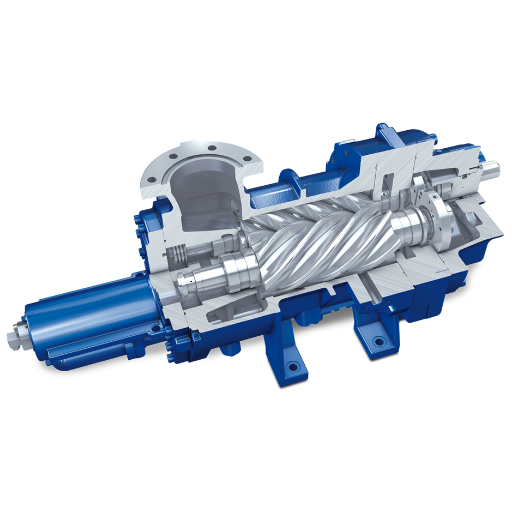
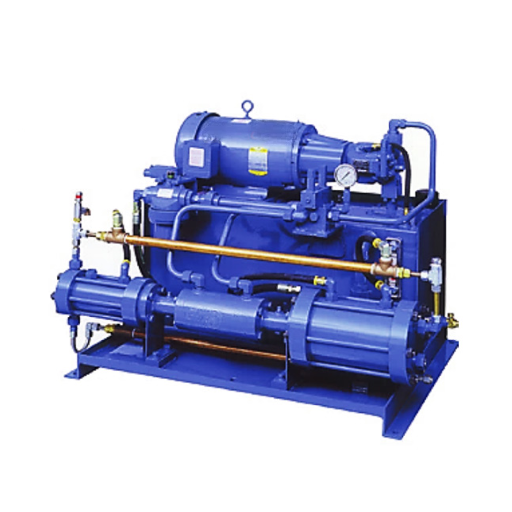
A hydrogen compressor can be operationally defined as a machine that facilitates the storage, transportation, or consumption of hydrogen by enhancing the raised pressure of hydrogen gas. Compressing hydrogen, a process that seeks to increase the pressure of hydrogen from low pressure to high pressure, does so by using mechanical equipment such as a piston, a diaphragm, or a centrifugal compressor. These compressors are volume compressors designed to meet the compressibility of hydrogen without much -if any- escape of the gas. Intended to minimize risks associated with the properties of small molecules that are highly mobile, they ensure that there is almost no leakage at any given time. In addition, such compressors are made of advanced materials in combination with appropriate seals to cover an enlarged-pressure context, thus in systems for community users, they are mostly critical spaced structures.
What is a Hydrogen Compressor?
A hydrogen compressor is a mechanical device that has been designed to compress hydrogen gas in order to increase the pressure and the speed of the gas for application in various industrial, transportation, and storage uses. Such systems are considered to be a key component in the hydrogen economy, because they sustain activities such as fuel cell operation, hydrogen refueling sites, as well as the stowing of hydrogen as a compressed gas or in its liquefied form when it is to be moved to another location.
Specifically, the most recent hydrogen compressors employ advanced tech solutions. These are such compressors that deploy precision sealing technology, hold high temperatures and pressures, and employ active and efficient cooling methods to meet the powerful challenges typical of hydrogen as a gas – a low-weight, low-permeability gas. The way these compressors work is quite useful in maintenance management and the manipulation of hydrogen, whose nature is not quite safe, especially for the applications of hydrogen as energy and high-pressure energy storage.
Principles of Hydrogen Compression
At its core, the compression of hydrogen is an operation which is grounded upon the necessity to shrink the size occupied by hydrogen in order to increase its pressure which is regulated by its thermodynamic properties. Hydrogen, as such a small and light molecule, adds some complexity during compression due to its high tendency to move over the vessel surface, almost no internal resistance is produced by the gas, and the tendency to escape through walls. Under the general classification, most equipment for this goal is either a positive displacement compressor, such as reciprocating and diaphragm air compressors, or centrifugal compressors, which are dynamic. As a result, a compressor of any kind is designed exactly for meeting the required conditions in terms of the amount of pressure the system can handle, energy, and, at times, the rate of change of flow rate.
The advancements in hydrogen compressor materials have improved the working life and the overall performance of compressors. Progress in this field may be noted by means of the introduction of new interesting alloys and coatings which are used to avert friction and prevent pollution. In this case it should be emphasized that hydrogen can penetrate through many materials. However, specialized sealing technologies enable the use of equipment at pressures exceeding 700 bar, which is standard practice in hydrogen storage and refueling systems. Such control systems also enable more precise management of the operation of compression mechanisms, thereby economizing on voltage-ampere capacity and increasing safety margins in compliance with standards applicable to energy carrier applications.
Different Types of Hydrogen Compressors
| Type of Compressor | Key Features | Applications | Advantages | Limitations |
|---|---|---|---|---|
| Piston Compressors | Reciprocating motion, high-pressure capabilities | Hydrogen fueling stations, industrial uses | High pressure, reliable design | High maintenance, wear on parts |
| Diaphragm Compressors | Flexible diaphragm separates hydrogen from parts | Ultra-pure hydrogen, laboratory environments | No contamination, precise compression | Limited flow rates, diaphragm longevity |
| Centrifugal Compressors | Rotational kinetic energy for compression | Large-scale hydrogen pipelines, storage | High efficiency, low wear | Limited to lower pressures |
| Scroll Compressors | Interlocking scrolls for smooth compression | Small-scale hydrogen use, fuel cells | Compact, low vibration | Limited pressure range |
| Rotary Screw Compressors | Twin screws create continuous compression | Industrial applications, moderate pressure | Continuous flow, durable design | Efficiency loss with high pressures |
| Hydrogen Electrochemical | Electrochemical process using proton exchange | Hydrogen compression and purification | Efficient, compact, no moving parts | Evolving technology, limited availability |
Importance of Hydrogen Compression in Electrolyzer Systems

The electrolyzer system places hydrogen compression as a core function to aid in effectiveness of the technology. An electrolyzer is a piece of equipment designed to allow the production of gases, specifically hydrogen and oxygen, by splitting casuí water molecules into their constituent elements. However, for some applications such as storage in high-pressure tanks or using the hydrogen in pipelines the low pressure hydrogen generated may be of little help. Compression is utilized to enhance the hydrogen pressure and make it possible for compact and cost-effective storage. A second advantage arises through compression; setting the pressure required for hydrogen for various industrial and energy applications such as fuel cell. There are pressure limitations attached to or required for these other systems, which enable us to say that it is prudent to compress the gas to the pressure limit.
Role of Compressors in Hydrogen Production
In the efficient practice of producing and transporting hydrogen, compressors certainly make their mark. Depending on how the hydrogen is made such as electrolysis and steam methane reforming (SMR). Compressors are used now at different stages to complete the process. For example, in an electrolyzer, hydrogen is produced with low pressure and it is likely that there will be a need of a compressor to increase its pressure for other purposes such as storage, transportation or fuel cell for electric power. Compressors of the recent past, for instance, diaphragm and piston compressors, are positively disposed to work with hydrogen, since this gas has low density and is non-contaminating in the seeping of matters.
Furthermore, recent developments regarding hydrogen storage have contributed to a smoother realization as downtimes involving energy consumption, and materials deterioration have been resolved. The consumptions of energy and the resultant material wear can now be eschewed with the help of highly efficient compressors work which is also assisted by specially devised sealing systems and incorporation of advanced materials. Pressure measurements comprising an entire range in industry specifications minimize the extent of obstruction caused by the storage and transportation of compressed hydrogen due to factors of health and safety concerns that are characteristic of the installations such as hydrogen refueling stations and industrial distribution networks. The future of compressor technology depends on how widespread the use of hydrogen energy is in the process of decarbonization.
Purification Processes and Their Impact
Considering the fact that hydrogen is intended to be used in its pure form as a source of energy, certain very demanding applications, for example, the generation of fuel cells steeply emphasized the necessity of highly pure hydrogen. These non-standard applications necessitate the application of various purification techniques such as pressure swing adsorption (PSA), membrane separation and cryogenic distillation to rid hydrogen of harmful impurities such as; carbon dioxide, methane, nitrogen and water vapour. In the case of PSA, for example, certain adsorbent materials are used to purify under high pressure as selectively as possible, isolating the impurities, reaching purity values up to 99.999%.
The processes above have significant importance and provide a significant amount of profit to both Mother Nature and to the Human Pocket. Technologies for the hydrogen purification make it feasible to meet environmental requirements and ultimately serve to decrease these limitations, and they improve the economic documentation of use of the hydrogen production plant. Enterprises adopting these technologies comply with the requirements for the minimum content of harmful impurities specified in standards such as ISO 14687, and complying with these standards is very crucial for efficient use of fuel cells in which hydrogen is used as an energy carrier.
High-Pressure Storage Solutions
The high-pressure storage systems have a significant impact on the use of hydrogen fuel cells in a safe and efficient way in different areas, such as ground transportation and some industries. They are designed and installed in such a way as to maintain pressures within the range normally varying from 350-700 bar, and such an arrangement ensures a relatively high storage energy density and the maximum utilisation of storage space within relatively compact boundaries. The development of materials for high pressure tanks includes the use of composites like carbon fiber-reinforced which do very well in terms of their light weight as well as resistance to damage under harsh operating conditions.
The surge in research and development has resulted in the production of cutting-edge high-pressure storage technologies, which aim to enhance the performance and safety, at affordable prices so as to satisfy standards such as ISO/TS 15869, among others. These developments involve the use of a number of materials in the construction of multi-layer tanks, which serve as a barrier against hydrogen permeation and the optimized design also helps to avoid strength degradation in the scanning method. In addition to the closure systems that are used to mitigate system leaks, the integration of smart monitoring systems allows for accurate and dynamic measurements of pressure and temperature.
Technological Advancements in Hydrogen Compressors

Reports about the enhancements to hydrogen compression machines have been concentrated on the aspect of saving energy. In the present time, compressors undergo the process of isothermal compression which is an improved technology, that saves a lot of energy. In addition, the durability of the compressor has been enhanced by the use of advanced high-strength alloys and the use of minimum wear coatings. The cost over a given period is thus reduced significantly.
The issue concerning safety remains at the forefront of the concerns surrounding hydrogen compression technology. The enhancement of redundant safety systems, such as overpressure safeties, prevents overload and stops running the unit when nearing critical levels. The presence of a hydrogen gas detector, or the lack of any of its features, inhibits the application of high-pressure gases.
Innovations in Compressor Design
Engineering the healthy functioning of compressors is all about enhancing their efficiency, reliability, eco-compatibility, and insight into the modern means of energy demand. For some reasons it may not be trusted that the magnetic fricition or its elimination by means of magnetic bearings can be of immediate use in this case. By such a service arrangement it is possible to decrease the standing time and operational costs, maintenance complexities. In particular, the use of even advanced composite materials in place of traditional metallic components is gaining considerable popularity. This is because these materials exhibit higher strength-to-weight ratios and improved temperature and chemical resistance, making the compressors more durable and energy-efficient.
Improvements in Efficiency and Reliability
The enhancement of materials technology has witnessed dramatic improvements in the performance and reliability of hydrogen compression systems. In particular, the use of high-strength alloys and composites has given rise to components of impressive tensile capabilities and good resistance to corrosion and heat over previous materials. The materials are such that they can resist extreme pressures and temperatures of cracked hydrogen gas and thereby limiting fatigue and enhancing the operating life of the important parts.
Especially, effective refractory coatings and other equipment installed to minimize the rate of energy loss in extreme conditions are worth mentioning. Revolutionary approaches for creating new metals and improved steels have revolutionized the manufacturing processes in different production sectors. All these methods also serve to minimize the need for regular maintenance and ensure seamless operation of the facilities, even under the most extreme environmental conditions, making the operations cost-effective.
Cost-Effectiveness in Compressor Solutions
In the quest for productivity and profitability, the said vanguard performance of the compressors is attained by virtue of improvement in erection ability, longevity as well as moldability to operate under dissimilar conditions. The other compressor technology, the variable frequency-driven units, for example, such compressors allow precise correlation of the power consumed with that which is actually required in the system, hence reducing energy loss and associated running costs. For example, it has been established that VSD compressors consume about 35% less power as opposed to fixed-speed compressors, hence it is very relevant to industries that are interested in sustainability.
Also, better maintenance technologies and monitoring systems that predict problems, contribute towards equipment utilization and increase its operational lifespan. According to real-time performance data, machine learning models can predict likely failures in advance, which in turn allows for refurbishment, otherwise called preventive maintenance, thereby saving even as more. Modest improvements in operational safety allow for an efficient industrial plant.
Last of all, lightweight corrosion-resistant materials have come up as a solution that has surpassed support for fatigue degradation, affected performance, and contributed to bringing down the costs. When compounded, these technological developments offer a very dynamic production capacity with maximum advantages at very little cost and in a very short run, without compromising environmental and economic interests.
Applications of Hydrogen Compression Across Industries

- Energy Sector: In the context of renewable energy, hydrogen compression operates as a means to absorb the high energy surplus available at certain times from wind and solar to store it in the form of hydrogen for utilization in fuel cells or power generation equipments later.
- Transportation: Compressed hydrogen is necessary for the operation of hydrogen combustion based land vehicles such as cars, buses and trains since high pressure energy storage and release allows practical energy density for longer travel distances.
- Industrial Manufacturing: Various manufacturing sectors like those dealing in glass, metal, and chemicals almost exclusively adopt compressed hydrogen for such applications as treatment of products, occurrence of heat, and even as one of the substances with which ammonia or methanol is synthesised.
- Aerospace and Space Exploration: Compression of hydrogen supports the construction of space ships as a fuel component vital for aerospace technology.
Transportation Sector and Mobility Solutions
Enhanced demand for cleaner energy sources, and increasing awareness of liquid hydrogen energy storage and distribution are some propellants for such a decision within the transportation sector. Most of these features, however, suit fuel cell electric vehicles (FCEVs) applications, and there is quite a consumer adoption rate in automotive, freight, and public transit, welcoming hydrogen fuel cell electric vehicles. New cars in the development stage by the major car makers are featuring a growing number of cars powered by hydrogen, and these are, for example, electric vehicles placed in a practical internal-combustion engine, at tens of miles out of a passenger’s reach.
Among the many aspects undermined in the course of long distances by the use of hydrogen-fueled vehicles are hydrogen buses, trucks, trains, and even ships, although the latter is only rarely encountered. It is important that the use of such heavy-duty vehicles, like hydrogen trucks, for the transport over long distances can also greatly reduce the dependence on fossil fuels. Global sites of hydrogen refilling stations have been strategically identified with some of these sites in leading countries such as Japan, Germany and the United States. Marine vessels, such as ships and aircraft, have also adopted hydrogen-based power generation systems to minimize CO2 emissions from engines and maintain compliance with environmental laws and regulations.
Energy Storage Applications
Hydrogen is essential to the success of energy storage systems because of its high energy density and multipurpose nature. Therefore, various hydrogen storage methods like pressurized gas storage, cryogenic liquid storage, and materials made from solid matter, such as metal hydrides, are constructed so that they can be applied in any particular application. One of the most crucial inclusions would be the renewable energy vector, in which application hydrogen offers a substrate conducive to the use of volatile solar and wind. Hydrogen is produced during the day when the solar and wind plants are producing electricity and this hydrogen is used as energy storage for renewable electricity.
It suggests that there is a rapid increase in the capacity for storing green hydrogen which is caused by the higher rate of expenditure and various policies that support the reduction of carbon related emissions. Moreover, storage connectivity is expected to increase even more with the adoption of new technologies, which would in turn help in reducing the cost and ultimately improve hydrogen’s efficiency, hence its suitability as a bulk energy supply alternative. Through the incorporation of hydrogen in energy systems, operational flexibility can be improved without compromising other environmental objectives.
Industrial Manufacturing Use Cases
In the industrial sector, hydrogen serves as an important participatory precursor in the transformation of manufacturing in sustainable and effective manner. An example is its use in steel making where it acts as the reducing agent replacing the coke or coal and significantly reducing the carbon dioxide emissions. Moreover, hydrogen is an integral part of ammonia synthesis for agricultural fertilizers and other various chemical industries. The introduction of more efficient hydrolysis devices now makes eco-friendly production of green hydrogen for usage as a fuel in the industries more conceivable. The information reveals that globally, use of hydrogen gas is on the rise among manufacturers as they try to decarbonize in certain hard-to-abate areas to attain the goals of zero emissions. As a result, there are regions which have more clean energy resources that may need additional clean energy in the form of pure energy carriers in the clean energy sector for more industries.
Current Market Trends and Future Outlook

The global hydrogen transport market is rich, owing to the huge investments in renewable sources of energy and a desire to have clean operations in industry. In all these measures, lifeless (green) hydrogen is mainly pursued as it is produced through electrolysis attached to renewable sources which potentially enable zero emission in it as well. At the same time, authorities in places such as the European Union and Asia-Pacific have implemented harmful policies such as feed-in tariffs, tax credits, and directives, and advocates for such green energy have raised some controversies in the past.
In the near future, it is anticipated that the market will grow as innovations in technology continue to bring the costs of production down and the capacity of hydrogen plants increases. Market analysis points to more demand for development of infrastructure including pipelines and storage facilities for hydrogen and even refueling stations which will become necessary for effective use. Besides these, in this regard, efforts in relation to the hydrogen economy are concentrated in transportation, manufacturing, and aviation, as these sectors are expected to witness a shift towards the environment-friendly approach.
Market Demand for Hydrogen Technologies
The hydrogen technology market demand is increasing at a significant pace owing to the anvil strong global push towards meeting decarbonisation and transitioning to clean energy consumption. Various industrial reports predict that at within the upcoming decade, the hydrogen market ought to grow and achieve a worth of few hundred billion dollars. The desire of countries through policies to embrace the use of hydrogen in such a way that it takes the place of the present energy sources. Public as well as private sectors are focusing more on hydrogen and are investing more in sector leading to rapid development and usage of technology and hydrogen systems.
There is a strong preference for hydrogen fuel cells in some areas, even in particular sectors such as heavy-duty transport like freight and public transport, which have emission problems and need to cover long distances due to the zero emission capabilities. There is a tendency to use hydrogen instead of stones in the factories; now it is turn to iron processing in the industry of metallurgical in the form of saving coal during the production of iron ore and steel.
One more reason driving this demand is the increasing concerns about the environment and the role clean energy sources play in this. This results in an increasing demand for so-called green hydrogen, which is another product of renewable energy sources, wind and solar in particular. It is also suitable for use by countries which intend to reduce net carbon gases emission. Grid power and hydrogen storage for power outage grounding have seen some support in the development of the concept of hydrogen.
Expert Predictions and Innovations on the Horizon
It is forecasted by specialists that improvements in the hydrogen fabrication techniques, that is hydrogen produced under electricity power renewable through hydrolysis, will lower the costs in the next ten years. This decrease is likely to increase the use of industrial and domestic products and services considerably. On the other hand, advances in the hydrogen pipeline and transport systems including liquid organic hydrogen carriers (LOHCs) and advanced cryogenic tanks are likely to make these systems less cumbersome and more adaptable to increased needs.
A different development that is also worth addressing is the matter of hydrogen fuel cells, which are shaping more rapidly and are more energy and quality-efficient each day. They can already be considered as the most preferable means of transportation for long distance or heavy industrial activities. It is also thought that there will be a network with exports and imports of hydrogen, where especially the Middle East and certain areas of Australia will have facilities for hydrogen production from renewable sources, which, to the extent possible, will be ‘green’.
At the same time enhanced research has found that blending hydrogen in natural gas is feasible even within existing gas transportation systems, so as to create hybrid plants. This is expected to maximize organisational efficiencies and at the same time reduce the use of fossil fuels. These projections highlight the importance of hydrogen in the energy mix which is undergoing a revolution and a great deal of energy is devoted to the emergence of green energy sources.
Reference Sources
- Design and analysis of a hydrogen compression and storage station
Read more here - An Integrated Modelling and Optimization Approach for Hydrogen Energy Network
Read more here - Hydrogen Compressor
Frequently Asked Questions (FAQs)
// SYS-DOC: WHY I WRITE THIS
[01] About PanGeng
PanGeng is an industrial gas compressor manufacturer based in Bengbu, Anhui, China. Since 2009, we have focused on the design, R&D, production, and manufacturing of customized gas compressor systems for oilfield, chemical, energy, hydrogen, nitrogen, biogas, and industrial air applications.
[02] Our Expertise
We write compressor guides based on real manufacturing and engineering experience, including hydrogen compressors, nitrogen compressors, booster compressors, medium and high-pressure air compressors, oilfield nitrogen injection systems, biogas compressors, and OEM/ODM custom compressor solutions.
Our engineering team supports customers from application analysis and compressor selection to production, factory testing, commissioning, spare parts, and after-sales service.
[03] Why You Can Trust This Content
The technical information in our articles is based on PanGeng’s in-house compressor design and manufacturing experience, current product capabilities, and project support for industrial clients in global markets. Our goal is to help buyers understand compressor types, pressure ranges, gas requirements, customization options, and long-term operating costs before making a purchasing decision.
CONTACT PROFILE
AUTHORITATIVE SOURCE
NAME
PanGeng Engineering Team
BRAND
PanGeng
COUNTRY
China
MODEL
B2B / OEM & ODM
EMAIL
pg20090705@163.com
PHONE
0552-4958225
WEBSITE
pgcompress.com
Related Posts
![Low Pressure Hydrogen Compressor Applications [Guide]](https://pgcompress.com/wp-content/uploads/2026/09/low-pressure-hydrogen-compressor-applications-blog-featured-768x512.png)
Trending now


![Low Pressure Hydrogen Compressor Applications [Guide]](https://pgcompress.com/wp-content/uploads/2026/09/low-pressure-hydrogen-compressor-applications-blog-featured-150x150.png)