Get in Touch with Pangeng

Diaphragm Hydrogen Compressor: A Comprehensive Guide to Compression Technology for Clean Energy Solutions

Contents
show
Hydrogen is at the forefront of the transition towards clean energy sources and if the former is to achieve its full potential, efficient compression technologies must be applied. Thanks to breakthroughs in the application of hydrogen, a few technological solutions come under focus from the compressor-centric perspective as diaphragm hydrogen compressors. These particular compressors play an important role in the quest for hydrogen because they ensure safe and effective storage and transportation. As such, the present review will analyze the diaphragm hydrogen compressor construction principles, operation techniques, and all the advantages that these little engines provide for the environmental technology. Whether you are an advocate for green energy or a person who works in the field or just has an interest in the contribution of hydrogen to energy supply, this article will explain how this kind of cutting-edge technology helps in the push for a clean energy future.
Introduction to Diaphragm Hydrogen Compressors

Diaphragm Hydrogen Compressor is a unique machine designed to compress hydrogen gas without contamination. The most common technology is the diaphragm compressor, which exploits the working principle of a diaphragm. Diaphragm design makes such compressors an ideal tool for high purity hydrogen applications, especially fuel cells, clean energy storage, industrial applications etc. Such compressors are highly regarded because of their excellent reliability, efficiency and ability to work under high pressures without compromising the purity of the gas.
What is a Diaphragm Hydrogen Compressor?
Diaphragm Depth Compressor does not only employ an elastic diaphragm so as to ensure that, in compression, the gas of interest is completely separated from any moving metal parts belonging to the compressor. In this manner, the gas comes into contact with no lubricants or foreign particles in the process of compression. Such compressors are used at hydrogen refueling stations and for the distribution of hydrogen on an industrial scale, like excess energy storage from renewable sources, etc. They have now become indispensable because of their gentleness in operations, to deliver exceedingly high pressures frequently exceeding 1,000 bar; high strength for skies; diversity of applications; and pronounced support in the execution of a mounting shift towards cleaner forms of energy.
Importance of Hydrogen in Clean Energy
Unlike conventional energy sources, which are restricted in application by certain factors and harmful to the ecosystem, hydrogen development significantly contributes toward effective no-carbon transition. Hydrogen is in itself the most effective medium of energy, with zero emissions and is usually employed to depollute the transport, industrial and energy sectors. This is especially true in industries that are difficult to electrify, such as steelmaking and heavy-duty transportation, where standard renewable energy alternatives are not viable. And the most clean among them, green hydrogen obtained from renewable energy by electrolytic processes, is almost the same in effect and aids in mitigating climate change and dependence on fossil energy resources. In addition, due to the fact that hydrogen energy is produced storable and transferable, it facilitates the process of renewable energy supply-demand balance even for those systems that require constant power such as solar or wind power. With constant technological improvements and cost-effective methods of production, hydrogen is becoming a central element in worldwide burgeoning strategies to seek provably low carbon footprint solutions.
💡
Overview of Compression Technology
A Diaphragm Hydrogen Compressor is a type of gas compressor that compresses hydrogen gas into very high pressures with the aid of a flexible diaphragm that separates the hydrogen from the mechanical parts. For these purposes, the compressor is built clean and there is no touching of the working hydrogen with any oil or lubricated surface. These types of compressors are ideal when there is a need to keep the hydrogen free of any impurities where fuel cells or high purity hydrogens are used.
Mechanical work is converted into pressure in the case of the diaphragm-type compressors. A reciprocating piston is actuated either by the crankshaft or hydraulic methods and this action compresses the hydrogen contained in the chamber via flexing diaphragms. This provides an efficient as well as a controlled way of achieving the compression and keeping the hydrogen in the enclosure at the desired pressure. Also, the design of these compressors is such that they help withstand high-pressure conditions without giving way under high pressure.
The primary advantage of the diaphragm compressor is that it is very reliable and adaptable to a number of operational conditions. Low leakage rates is famously one of their trademark as it does not easily allow hydrogen to escape, way the emission probability gets lowered. Also, the design is very simple and thus this reduces most of the maintenance involved in the compressing process as compared to other compressors. With this, diaphragm hydrogen compressors are used since energy is cleaner and environmentally friendly in many industries, in line with conventions and principles aimed at advocating for hydrogen energy in the pursuit of a low-carbon future.
Operational Principles of Diaphragm Compressors
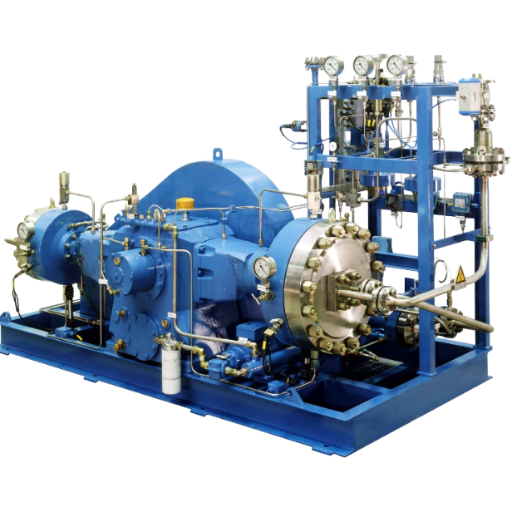
How Diaphragm Compression Works
The gas’s compression occurs via the diaphragm to compress gases while using a flexible membrane separation instead of direct interaction with the gas and the mechanical parts, which protect the gas from any kind of contamination. The use of diaphragm compressors is advisable for applications requiring a ship’s hydrogen compression. The diaphragm is built of durable materials and has a mechanical or hydraulic drive to create the compression.
The gas is introduced through an intake valve to enter the compression chamber, and the gap is reduced as the diaphragm compresses the gas. Compression with gas pressure and compression is seamlessly poured from the exhaust valve; the system resumes its operation. The closure of the compression method reduces the need to lubricate the path of the gas, which makes it possible where pollution or undesired side reactions cannot.
Upon contact with pressurized gas, the diaphragm serves as a partition, isolated from both the gas and compressed material. It should thus find strong acceptance in applications such as the compression of highly flammable, explosive gases, e.g., hydrogen gas. It ensures that gas purity is kept as high as possible and a lower amount of emissions are given subject to strict controls on environment and industrial safety.
Components of a Diaphragm Compressor
A diaphragm compressor is made up of the following six key components:
- ✓
Diaphragm – A component that expands and compresses gas cyclically by moving upwards and downwards. The main function is to check the direct contact of the gas with the moving parts of the system. - ✓
Compressor Head – The diaphragm fits into the compressor head, which is also furnished with gas inlet and outlet valves that administer gas flow. - ✓
Motor – Provides the mechanical energy necessary for actuating the diaphragm. - ✓
Hydraulic System – The use of hydraulic fluid to exert pressure on the diaphragm for whatever system in question processes gas compression. - ✓
Valves – From gas flow, this includes inlet and outlet valves, promoting gas pressure decompression and compression in the compression chamber. - ✓
Cooling System – All this machinery has a cooling system allowing the components to sustain a given state of heat necessary to maintain efficiency and keep the temperatures within limits. - ✓
Frame of the Compressor – This frame is for strengthening or supporting the system, creating an environment that gives sufficient protection to the compressor placement mechanism.
So it can achieve an increase in efficiency, and the safety, purity, and pressure to meet the relevant safety standards.
Comparison with Other Compression Methods
Diaphragm hydrogen compressors are compared to piston, screw, centrifugal, and ionic liquid compressors based on efficiency, purity, cost, maintenance, and durability.
| Key Point | Diaphragm | Piston | Screw | Centrifugal | Ionic Liquid |
|---|---|---|---|---|---|
| Efficiency | High | Medium | Medium | High | High |
| Purity | Very High | Medium | Low | Low | Very High |
| Cost | High | Medium | Low | High | High |
| Maintenance | Low | High | Medium | High | Low |
| Durability | High | Medium | Medium | High | High |
Design and Engineering of Diaphragm Hydrogen Compressors

Key Design Features for Hydrogen Compression
Precision is required to manufacture diaphragm hydrogen compressors with an acute focus on issues related to overall performance to gain efficiency and reliability. The following are some of the features that are recommended to be included:
- Gas Containment: Under hermetically sealed conditions, hydrogen leakage is almost eliminated, ensuring a significant amount of operational safety and security in terms of protection levels.
- Durability: Since it is necessary for components to be able to withstand high pressures without hydrogen embrittlement, each component should be made a solid body from corrosion-resistant materials.
- Cooling Systems: The cooling systems have been made as effective as possible in other applications to ensure that heat generated during compression can be removed so the compressors deliver all-time performance.
- Low Maintenance: In general, the generation of wear and tear by minimal moving parts and robust diaphragm components is expected to keep the need for maintenance at a minimum.
- Energy Efficiency: Ensuring optimization in designs, compressors achieve high compression efficiency ratios and require less energy to be consumed.
The individual feature evaluation contributes to the superior choice in terms of reliability and efficiency for compressing hydrogen.
Material Selection for High-Pressure Applications
Diaphragm-type hydrogen compressor materials play a vital role in maintaining the safety, reliability, and feasibility of diaphragm hydrogen compressors under high-pressure scenarios. The best materials have to possess superior strength, corrosion resistance, resistance to hydrogen embrittlement along with various chemicals, and the capability to act as a containment for hydrogen diffusion into the metals.
Materials like stainless steel (for instance, multiple austenitic grades including 316L) and some types of nickel-based alloys are much-admired and recommended for hydrogen systems, mainly due to their superior endurance to corrosion and poor susceptibility to hydrogen-assisted cracking. Polymers and advanced composites, on the other hand, are now known to be indispensable for diaphragms with their unique traits of flexibility, low and wear-free seal-ability plus hydrogen compatibility.
Studies are emerging that underscore the potential to improve further the surface durability of metallic components using specialized coatings, such as tungsten or molybdenum coatings. In addition, work is currently being carried out to explore the use of additive manufacturing to manufacture components of complex geometry using specially customized alloys specifically for hydrogen applications. All these interventions make sure that diaphragm compressors remain in peak performing conditions in some of the demanding high-pressure environments.
Innovations in Diaphragm Compressor Design
The diaphragm compressor technology is evolving at a fast pace due to the need for higher efficiency, durability, and a compatibility with hydrogen applications. The technology is experiencing the development of high-end sealing materials complemented with diaphragm designs. This works towards exhibiting resistance to wear, withstanding extreme pressures, and improving longevity. The purpose behind this completion is to enhance real-time monitoring for early detection of possible operational failures. Manufacturers are relying on lightweight materials and resistance to corrosion, such as specialized stainless steel alloy, in order to withstand unique hydrogen gas challenges. Those advances allow the diaphragm compressor to fulfill stringent modern industry and energy market requirements, thus giving a great supporting hand for global energy solutions to make the move toward cleaner energy sources.
Applications of Diaphragm Hydrogen Compressors

Uses in Hydrogen Fuel Production
Diaphragm hydrogen compressors play a crucial role in the supply, transport, and use of hydrogen as fuel. Their main application lies in the compression of hydrogen gas to very high pressures in order to facilitate its storage and distribution. By pressurizing hydrogen, these compressors ensure faultless efficiency of hydrogen by preventing any contamination during the compression process, which is highly essential for any hydrogen fuel cell application. Moreover, using these compressors provides greater comfort when needed by furnishing the necessary pressure to feed an electrolyzer positively while magnetically driving the separated gas to a storage tank or distribution line. Indeed, the compressors serve to ensure purity and develop alongside hydrogen as a primary and clean source of energy. For this to lead to large-scale use in the industry such as transportation, power generation, and industrial manufacturing, hydrogen must be made stress-free by using such compressors.
Role in Hydrogen Storage Systems
In the realm of hydrogen storage systems, diaphragm hydrogen compressors are indispensable for their biocompatibility and exemption from any contamination. They achieve purity through their application of a flexible metal diaphragm that separates the hydrogen from other mechanical parts. Lubricant or oil intrusion is therefore contained. This accuracy is crucial when very high levels of hydrogen purity are being required in the application of fuel cells and in industrial systems. More so, diaphragm compressors are capable of obtaining high compression ratios, which multiply the efficiency of a pressure tank as a depository for hydrogen and raise the efficacy of its transport. Their capability for hard use, long-term, zero maintenance, and tolerance for variable settings make diaphragm hydrogen compressors an important player in the up-scaling of hydrogen storage systems tailored to meet the increasing demands of the clean energy transition.
Industrial Applications of Diaphragm Compressors
Diaphragm compressors are very important for many industrial sectors, especially since they can provide high-gas-purity and reliable compression. Diaphragm compressors are relied upon in hydrogen vehicle refueling stations for effective hydrogen compression and storage. These compressors are also highly important in the chemical and pharmaceutical industries in the handling of hazardous or sensitive gases without causing a leak or contamination. They are key for energy storage systems with high-pressure compatibility, supporting the incorporation of renewable resources. All these attributes therefore make diaphragm compressors essential in industries that require controlled and safe gas handling.
Maintenance and Best Practices

Routine Maintenance for Reliability
Regular maintenance of diaphragm hydrogen compressors contributes to the perfect functioning. Inspection of key parts like diaphragms, seals, and valves should happen at regular intervals, since these key components usually cannot support their intended use for a long period without any breach. As a result, careful examination of these parts for fatigue, cracking, leaking is recommended, as they may impair compression ability or safety of the unit.
Another important practice is to regularly replenish and maintain the lubricant system fluids of the compressor. It is advisable to provide proper cleaning with frequent replenishment of lubricants to help minimize friction and wear of the relevant equipment, resulting in better performance. However, the proper function of the compressor is also important and it can be achieved with the cleaning of filters whenever possible, free from precipitates. Clean oil filters ensure no debris accrues in the system, which could significantly deteriorate performance or even cause damage to delicate interworking machinery.
Last, however, he needs to give a piece of peculiar attention to the operating parameters, such as pressure levels, temperature, or vibration in the compressor while in operation. Any sort of deviation from the applicable and here recommended operating conditions will also find early hints of things going awry and will thus need to be attended to without any loss of time. Equipping the machines (compressors here) as such with calibrated sensors and monitoring systems is more likely to prolong their efficient service, and by definition, the life of the machine proper. Such principles will help to maintain a safe and reliable working mode and minimize downtime, hence costly repairs.
Common Issues and Troubleshooting
- 1
Leakage Issues of Hydrogen
Problem: Leakage is caused by damaged seals, diaphragms, etc.Solution: Inspect and replace the diaphragms, seals, fittings, etc., as frequently as possible. Proper tightness of all fittings should be ensured during maintenance. - 2
Loss of Pressure
Problem: Pressure may decrease due to blockages, valve defects, or a defective diaphragm.Solution: Check for the valves or filters which must be full of obstructions (rebate or replace whatever is to be available) and examine ruptures (if any) of the diaphragm. - 3
Overheating
Problem: The major concern is likely to be high operating temperatures, which are linked to undercooling/hyper-frictioning between two adjacent moving components.Solution: The user must ensure that the cooling works properly and should lubricate as per the manufacturer’s instructions for moving parts. - 4
Unusual noise or oscillations
Problem: Due to numerous misalignments, loose parts, or regarding wear, unusual noise in the system while warning always indicates fast vibration.Solution: Alignment-related inspection and adjustments (if needed) using replaceable or repairable components in situations of thinness and destruction. - 5
Sensor or Electrical Faults
Problem: These could be caused by incorrect sensor operation or erroneous electrical functions.Solution: Verify that sensors are correctly calibrated and improve connections in the electrical system to replace any damaged sensors and/or connections.
By minimizing/dampening these factors with swift responses to regularly scheduled maintenance, hydrogen diaphragm compressors can be so well maintained in terms of reliability and longevity.
⚠️ Safety Considerations in Operation
- • Leak Prevention: Regular inspection of all connections, fittings, and seals can reduce the risk of leaks. The leak detection system should be operable and properly calibrated in this regard.
- • Ventilation: The compressor needs to be run in the fields, allowing for grand ventilation-and clear from hydrogen gas. Because hydrogen is a highly flammable substance.
- • Pressure Condition Monitoring: It is crucial to have a continuous check-up of the pressure to prevent overpressure. In addition, pressure relief valves come very handy at brief notice with some serious cases of safety.
- • Emergency Shutdown System: The emergency rapid-shutdown system must be quinine, regularly tested for its quick and immediate rescue of the system from collapse.
- • Training for Staff: The training of employees should be directed toward the safe operations of compressing hydrogen, emergency response procedures, and compliance with tailored safety protocols.
These considerations will substantially reduce the risk factor associated with diaphragm hydrogen compressors, thereby making the operational environment safer.
Reference Sources
Study on the diaphragm fracture in a diaphragm compressor for a hydrogen refueling station
Experimental study and sensitivity analysis of performance for a hydrogen diaphragm compressor
Frequently Asked Questions (FAQs)
What are the primary advantages to using diaphragm hydrogen compressors in other industrial applications?
Diaphragm hydrogen compressors available specifically for each application feature the highest purity of hydrogen that is well suited for fuel cells and demanding industrial operations such as impurity-free nitrogen gas gasometry. These compressors are completely enclosed so that there is no hydrogen exposure to lubricant or other contaminants, thus lessening leakages with less concern for environmental hazards. In the realm of operating pressure, these machines are designed to be rather durable with strong diaphragms and highly corrosion-resistant parts. Continuously diaphragm compressors require less maintenance than others-thus straight into the life cost. However, providing a quite quantifiable and reliable control to pressure, which is the key aspect in storing, distribution, and integration of hydrogen into renewable energy.
In what ways does material choice and cutting-edge design contribute toward the overall enhancement of compressor performance and safety?
Stainless steel, nickel-based alloys, and advanced polymers provide greater resistance to hydrogen embrittlement through corrosion, making this challenge less prevalent in high-pressure hydrogen environments as their related prime concerns. Innovative sealing materials, complex coatings, novel materials of the absorber type, and at the prototyping level, much attention has been attracted to a composite diaphragm profile (stiffness hybrid alloys) extending diaphragm and assembly life. Such proficiencies, possible by the still unfolding territory of print developing or additive manufacturing, offer considerable scope for optimization in geometry. Sensors interfacing with real-time monitoring can provide other state-of-the-art advances that give extra on-site surveillance and safety. To that effect, such technical modifications certainly bring about an alignment of diaphragm compressors with very strict safety measures and thereby even extend the life of the very compressors in environmentally friendly hydrogen production applications.
What are the major differences between diaphragm compressors and other hydrogen compression techniques?
If a piston, screw, or centrifugal compressor is centrifugally hastened, with some amount or another of a diaphragm-added extra workpower input, the diaphragm compressor is a case for that type of compressor provided sliding thrills, complete isolation of hydrogen away from the lithium environment, or other rotating machinery so that no contamination is figured. The diaphragm compressor has proven low leakage, high reliability, and low maintenance in all possible cases of high-pressure descriptions. It is the targeted fields of gas purity where the pharma industries, hydrogen car-refueling industry, and renewable energy hybrid storage come calling. Diaphragm compressors are class diversities and degree programs in compression technology kind of worship. Mechanical simplicity and stability in designing the diaphragm compressor type are highly appreciated in the long-term hydrogen work.
What are the key aspects in the upkeep and effectiveness of diaphragm hydrogen compressors?
TPe upkeep and effectiveness of the diaphragm hydrogen compressors would include regular examinations of the diaphragms, seals, valves, in addition to maintaining hydraulic systems and filters clean to produce its longer operational life. However, abnormal atmospheric conditions such as pressure, heat, and vibration could signal some failure. Mandatory works encompass regular calibration of sensors and implementation of the prescribed guidelines by the manufacturers for the proper run of such equipment. The general application of high-quality spare parts throughout the replacement process will maintain and support operation and full use in its bonded operation over the long run. Therefore, the regular maintenance fends off accidents in the operation of a compressor while a downtime and unforeseen costs which are rather too prohibitive.
Why is hydrogen cutting a concern in the relative scheme of diaphragm compressor design, and how is it typically managed?
Hydrogen cutting occurs when atoms of hydrogen penetrate a metal’s component parts, thereby creating the potential of cracks and material weakening, especially during prolonged operation and high pressures. To avoid this, engineers consider material selections such as austenitic stainless steels [(e.g. 316L) and Ni-alloys] that are less susceptible to embrittlement issues. Moreover, further barriers can arise from possibly the use of protective coatings and advanced composite diaphragms and the adoption of improved manufacturing techniques, especially for extended resistance. These approaches are pivotal in enabling performance and safety standards, such as the hydrogen-based industrial and clean energy environment.
// SYS-DOC: WHY I WRITE THIS
[01] About PanGeng
PanGeng is an industrial gas compressor manufacturer based in Bengbu, Anhui, China. Since 2009, we have focused on the design, R&D, production, and manufacturing of customized gas compressor systems for oilfield, chemical, energy, hydrogen, nitrogen, biogas, and industrial air applications.
[02] Our Expertise
We write compressor guides based on real manufacturing and engineering experience, including hydrogen compressors, nitrogen compressors, booster compressors, medium and high-pressure air compressors, oilfield nitrogen injection systems, biogas compressors, and OEM/ODM custom compressor solutions.
Our engineering team supports customers from application analysis and compressor selection to production, factory testing, commissioning, spare parts, and after-sales service.
[03] Why You Can Trust This Content
The technical information in our articles is based on PanGeng’s in-house compressor design and manufacturing experience, current product capabilities, and project support for industrial clients in global markets. Our goal is to help buyers understand compressor types, pressure ranges, gas requirements, customization options, and long-term operating costs before making a purchasing decision.
CONTACT PROFILE
AUTHORITATIVE SOURCE
NAME
PanGeng Engineering Team
BRAND
PanGeng
COUNTRY
China
MODEL
B2B / OEM & ODM
EMAIL
pg20090705@163.com
PHONE
0552-4958225
WEBSITE
pgcompress.com


Trending now

![Low Pressure Hydrogen Compressor Applications [Guide]](https://pgcompress.com/wp-content/uploads/2026/09/low-pressure-hydrogen-compressor-applications-blog-featured-150x150.png)