Get in Touch with Pangeng

Underhood Air Compressor
Underhood Air Compressor for Service Trucks — Pangeng Rotary Screw Systems
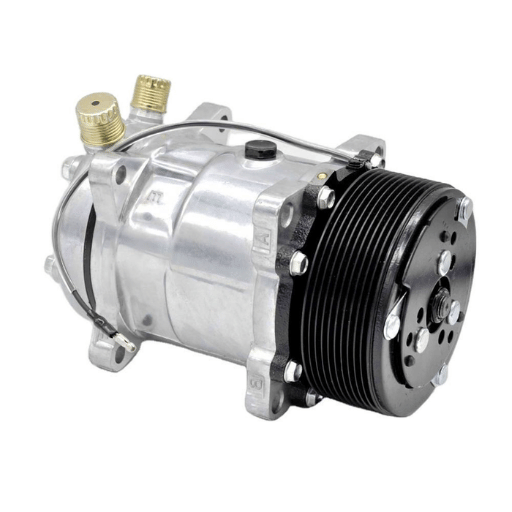
Gain back 80 ft³ of bed space. Eliminate 1,900+ lbs of dead weight. Bring 40-150 CFM of compressed air with you in a single unit that fits under the hood—no trailer, no second engine, no compromises.
40–150
CFM Range
100%
Duty Cycle
Up to 175
PSI Rating
1,900+ lb
Weight Savings
80 cu ft
Bed Space Saved
3 Types
Belt / Direct / Hydraulic
Service Truck Air Challenges —
How Underhood Compressors Solve Them
Every fleet manager and field technician familiar with mobile service trucks knows the headache: a 2,400-lb tow-behind compressor that consumes fuels, gorges the traffic lanes, and demands a whole other service schedule. Deck-mount units devour 15-25 ft³ of a truck’s best cargo area—real estate that should be loaded with tools, parts, and appliances. And every pound added to a truck’s bed inch closer to its gross vehicle weight (GVW) limit, a legal limit imposed by regulations—and a safety issue that worsens with each add-on accessory.
Technical Overview & Mechanics
An underhood unit is a rotary screw compressor pack located inside a truck or van’s engine bay. Converts engine power into compressed air—each through a belt drive, direct drive, or hydraulic drive system that pulls power directly from the engine—and then uses that energy to keep the can up, and based on zero bed space and added fuel—it’s just a simple processing unit engine drive or hydraulic engine power to operate.comcreated compressor.
Heat is the best request received by first-time users. Modern enclosed underhood rotary screw compressors are sealed, integrated systems tested for continuous operation at engine bay temp specs. Built-in oil cooling systems, high-temp by gaskets and sealed air intake routes add to the secure air end working range even during 95 degree summer miles. Tests done on field sites from hell in the heat of the American southwest indicate they operate the same whether the heat gets there or not during a real-force cycle.
The Four Core Pain Points
Lost cargo space
Both tow-behind and skid-mounted compressor weigh so much and take up so much room that skilled technicians leaving behind must settle for less.
Overloading GVW
Tow-behind compressed air vans weigh $4100K-plus, and deck-mounted PTO units weigh 400-800 lbs. Both cuts into your payload cushion for tools and parts.
Tow-behind drag
Towing adds 15-20 minutes to each deployment. Reversing and maneuvering in tight, busy job sites is mind-numbing. Separate fuel tanks and engines are double the maintenance streams.
Twin engine maintenance
Tow-behind compressors have their own engines to service—costs including oil and filter changes, fueling, and emissions work add up to $3500K annually for every operational unit.
Pangeng Underhood Air Compressor Series — Models & Selection Guide
The Penn-Geng for three separate varieties of enclosed compressor units, designed for a workload range. Picking your best fit depends on your usual airflow requirements, every tool attached your technician would be carrying, and the bed you work from. Above is each product sheet with specsperimeter diagram for your use and favorite project.

Light Duty Series PG-UH40
- CFM Output: 40 CFM
- Max PSI: 150 PSI
- Unit Weight: 150 lb
- Dimensions: 24 × 18 × 14 in
- Drive Type: Belt Drive
- Vehicle Fit: Mid-size trucks, vans

Standard Series — Most Popular PG-UH70
- CFM Output: 70 CFM
- Max PSI: 175 PSI
- Unit Weight: 210 lb
- Dimensions: 28 × 20 × 16 in
- Drive Type: Belt or Direct
- Vehicle Fit: Full-size trucks, F-350+

Heavy Duty Series PG-UH150
- CFM Output: 110–150 CFM
- Max PSI: 175 PSI
- Unit Weight: 280 lb
- Dimensions: 34 × 22 × 18 in
- Drive Type: Direct or Hydraulic
- Vehicle Fit: Class 4–7 trucks
Full Specification Table
| Spec | PG-UH40 | PG-UH70 | PG-UH150 |
|---|---|---|---|
| Air Output (CFM) | 40 | 70 | 110–150 |
| Max Pressure (PSI) | 150 | 175 | 175 |
| Weight (lb) | 150 | 210 | 280 |
| Dimensions (in) | 24 × 18 × 14 | 28 × 20 × 16 | 34 × 22 × 18 |
| Drive Type | Belt | Belt / Direct | Direct / Hydraulic |
| Duty Cycle | 100% | 100% | 100% |
| Oil Capacity (qt) | 1.5 | 2.0 | 3.2 |
| Air Filter Type | Spin-on, washable | Spin-on, washable | Two-stage, heavy-duty |
| Vehicle Compatibility | Mid-size trucks, cargo vans | Full-size trucks (F-350, RAM 3500) | Class 4–7 medium-duty trucks |
| Accessory Kit | Mounting brackets, hose fittings, filter | Mount kit, tank adapter, hose set, filter | Full mount kit, dual hose, tank plumbing, hydraulic lines |
Decision Matrix — Which Model for Which Job
PG-UH40 Tire Inflation & Light Pneumatic Tools
- Tire inflation (commercial tires, trailers)
- Blow guns and air chucks
- Small die grinders (3–5 CFM demand)
- Air-powered greasing systems
Best for mobile tires vans and light maintenance vehicles with an average flow requirement of less than 30 CFM.
PG-UH70 Impact Wrenches & Medium-Duty Service
- 1/2″ and 3/4″ impact wrenches (5–8 CFM each)
- Air ratchets and cutoff tools
- Simultaneous two-tool operation
- Brake cleaning with blow guns
The workhorse for fleet maintenance trucks. Provide enough air for one impact wrench–using one of our air powered impact guns–plus another pneumatic tool simultaneously without any drop-off in pressure, never a problem.
PG-UH150 Jackhammers, Sandblasting & Heavy Construction
- Pneumatic jackhammers (70–90 CFM demand)
- Sandblasting and media blasting equipment
- Large impact wrenches (1″ drive, 10+ CFM)
- Multiple simultaneous operators on one truck
Built for the constant duty cycle of automotive field service in the 80 CFM range. Hydraulic drive option provides the torque needed for persistent high volume production without drive system belt slippage.
Engineering Note — Rotary Screw Air End Design
Every rating design “Pangeng” on-road compressor encounters has a rotary screw air end with asymmetric rotor profiles that are precisely machined to sub-micron tolerances. The single-lobe male and female rotors trap the incoming ambient air, compress it evenly along the entire rotor length, and force it out at the specified PSI. Oil-injected forms perform three tasks at once: fine-tuning the compressor seal clearances, contracting internal heat buildup, and carrying lubrication to bearings. This creates a compressor whose stated CFM is maintained at the harshest 100% duty cycle, but without reciprocating piston pulsation and excessive heat up-spikes. Pangeng’s oil ends are stress tested and adhere to ISO 1217 acceptance standards before being installed into the underhood mounting kit.
Whether to select a belt drive, direct drive, or hydraulic drive system depends on your engine layout and the availability of engine power takeoff points. Belt drive systems are the most adaptable–they mount simply to current accessory drive pulleys, which are found in the broadest range of engine compartments. Direct drive systems cut out the intermediate belt by linking directly to the truck engine’s
Underhood vs Tow-Behind vs Deck-Mount — Performance Comparison
When considering service truck compressor types, always start with detailed performance & cost data, instead of advertising hype. Below, a detailed comparison table covers the eight most important metrics for between underhood, tow-behind, and deck-mount PTO drives. Every set of data is extracted from top-selling unit specifications, industry standards like those found in CAGI data books, the CAGI specifications published by Hydraulic & Pneumatic, and articles published by Utility Fleet Professional and Compact Equipment. The intent is to enable procurement decision making that starts with hard numbers, not broad generalities about one compressor type being “better” than the rest.
| Metric | Underhood | Tow-Behind | Deck-Mount PTO |
|---|---|---|---|
| CFM Range | 40–150 | 100–375 | 50–200 |
| Weight Added to Vehicle | 150–300 lb | 2,400+ lb (towed) | 400–800 lb |
| Initial Cost | $4,000–$8,000 | $27,000–$34,000 | $8,000–$15,000 |
| Annual Maintenance | $200–$400 | $1,500–$2,500 | $500–$1,000 |
| Duty Cycle | 100% | 100% | 100% |
| Noise Level | 60–70 dB | 75–85 dB | 70–80 dB |
| Bed Space Used | 0 cu ft | 0 (towed) | 15–25 cu ft |
| Separate Engine Required | No | Yes | No (PTO) |
Fleet Management Analysis
According to industry benchmarks, tow-behind compressors cost $27,000-$34,000 when purchased and $1,500-$2,500 annually in engine driven maintenance—oil changes, fuel, filters, emissions service—on a far more physically defined, as it has the completely separate powerplant. A deck-mount PTO solution maximizes space by still planting 400-800 lbs of hardware on the bed, but commands specific-drive maintenance. The underhood rotary screw air compressor frees your cargo area from a second engine, is minimal at 150-300 lbs with BTU/mile savings and consistent at 60-70 dB operating noise. Any application that needs 200+ CFM of air at all-times will still need the raw volume—large sandblasters, multi-operator jackhammers—of a trailer-mounted compressor. Across the board, the truck mounted air compressor in deck-mount PTO-driven configuration sits in between, more CFM than an oil-hydraulic system but unable to earn enough space on your truck bed for many fleet managers to tolerate, when you need maximum payload capacity. Hydraulic and engine driven underhood variants from Pangeng easily meets the bulk of that need to 150 CFM, doubly enough for most single-operator utility and construction use. The once-ubiquitous two-stage reciprocating model in trucks has been replaced by rotary screw variants; their more durable duty cycle and vibration profile make the drive more comfortable.
Certifications, Standards & Quality Assurance
What Each Standard Means for Your Fleet
ISO 9001
Quality Management
ISO 9001:2015 – Pangeng manufacturing facility operates under ISO 9001 certified quality management. Every underhood compressor system passes documented inspection gates starting with raw material receipt, throughout in-process inspection and final pressure testing.
CE Mark
European Conformity
CE Mark – indicates conformity with EU health & safety and environmental standards, necessary for export, and a known indicator of safe design even for all-U.S. applications.
ASME B&PV
Pressure Vessel Code
ASME Boiler and Pressure Vessel Code (Section VIII, Division 1) – all air receiver tanks and pressure vessel components in Pangeng systems conform to ASME safety and design specifications for rated PSI.
CAGI B19.1
Compressor Safety
CAGI B19.1-2011 – CAGI’s safety standards for air compressor components, including guarding, controls, pressure relief and electrical requirements applicable to OEM integration.
ISO 1217
Acceptance Testing
ISO 1217 – Pangeng trials and verifies performance and power consumption for each air end assembly according to Vn acceptance test protocols prior to shipment, confirming actual output versus published specifications.
Pangeng’s in-house manufacturing exceeds the typical OEM component shop, including CNC machining centers for rotors, in-house assembly of air end units, pressure vessels manufacturing, and fully instrumented test cells. Our equipment and specifications documentation packages include test certificates, materials traceability reports and dimensional inspection data – exactly what your procurement and safety teams require to approve fleet integration.
Fleet Engineering & Procurement Tools
CFM Sizing Calculator
Find the right underhood air compressor for your pneumatic tools.
Launch Calculator
5-Year Total Cost of Ownership Calculator
Compare underhood, tow-behind, and deck-mount compressor costs for your fleet.
Calculate Savings
Truck Compatibility Checker
Verify which Pangeng underhood compressor fits your truck and application.
Verify Fitment
Trending now
![Low Pressure Hydrogen Compressor Applications [Guide]](https://pgcompress.com/wp-content/uploads/2026/09/low-pressure-hydrogen-compressor-applications-blog-featured-150x150.png)