Get in Touch with Pangeng

How to Maintain Your Nitrogen Compressor: Complete Guide

Contents
show
Many working systems need nitrogen compressors for industrial use. They compress nitrogen then discharge it to serve the necessary function across a variety of activities and industries/state-of-the-art demands when the peak time for nitrogen consumption arises. Advanced as they are, they are simply machines so compressor systems will need maintenance in view of optimization and economics. Frequent overlooking the proper care of nitrogen compressors puts everything at risk—from financial loss owing to lengthy shutdowns to the loss of control of the situation. This comprehensive maintenance guide will focus on every detail and provide answers to all problems on the use of a nitrogen compressor by everyone. We are going to combine some skills, descriptions, and techniques that everyone can use, regardless of the level of expertise of the equipment user: very experienced user or favor trainee.
Nitrogen Compressor Overview
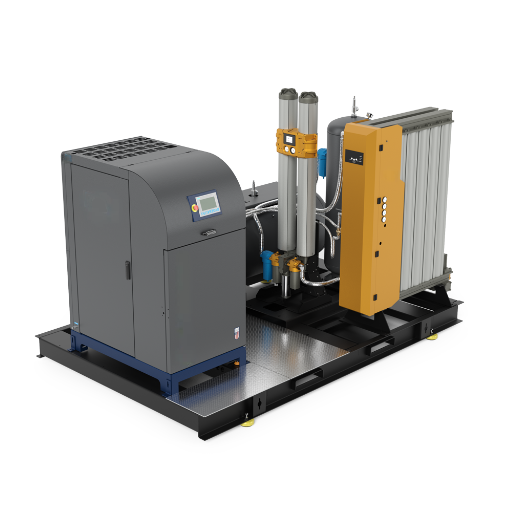
The nitrogen compressor is a crucial tool that is more of a necessity in the process of increasing the pressure of the nitrogen gas for industrial uses. It tends to reduce the volume occupied by the nitrogen while at the same time boosting its pressure. This is to create a condition for easier utilization such as in processes related to inert gas, high pressure, testing and chemistry. The parts within are the cylinders, pistons in this case are in the piston compressors and rotors in the case of rotary screw compressors, along with intake and discharge valves. One must take caution in maintaining these valves or so in order to make sure that the machines operate efficiently and for a prolonged period of time.
What is a Nitrogen Compressor?
In industrial applications, nitrogen gas must be delivered in a controlled manner, which is why nitrogen compressors are important. In the food and beverage industry, they greatly aid in nitrogen blanketing to prevent oxidation and spoilage. In the oil and gas sector, they are conjured up for efficient use in the enhanced oil recovery methods of the well because they purge conducting pipelines of obtrusions. Furthermore, nitrogen compressors are used center on reactor blanketing in chemical industry because it creates a safe environment that neutralizes the reactivity of nitrogen to prevent explosions. As for more cutting-edge sectors, additive and semiconductor technologies, nitrogen compressors are also crucial for ensuring that the production processes stay undamaged by nitrogen which helps in controlling how perfect a product is.
Types of Nitrogen Compressors
| Type | Key Features | Suitable Applications | Advantages |
|---|---|---|---|
| Reciprocating Compressors | Uses pistons to compress gas | High-pressure applications | High reliability, compact design |
| Rotary Screw Compressors | Continuous compression via screws | Industrial processes, manufacturing | Energy-efficient, low maintenance |
| Centrifugal Compressors | Uses impeller for gas compression | High-capacity operations | High flow rate, low vibration |
| Diaphragm Compressors | Oil-free, hermetically sealed design | Semiconductor manufacturing | Minimal contamination risk |
| Scroll Compressors | Compact, quiet operation | Medical gas systems | Low noise, high energy efficiency |
| Booster Compressors | Enhances existing pressure levels | Laser cutting, PET bottling | Versatile, customizable |
Importance of Regular Maintenance
Maintenance plays a major role in keeping the nitrogen compressors working effectively, contributing significantly to safety, system longevity, and enhanced industrial production. Nitrogen compressors are widely employed in areas such as chemical processing, food and beverage packaging, and manufacturing of electronic components, among others. In such industries where high-pressure conditions are common, the high cost of compressor equipment renders such component malfunction than most systems user experiences part, with even the smallest of deviations often leading to prolonged downtime and unnecessary expense to the business.
Of all these levels, the most essential one is to conduct regular inspections of the key elements, for example, valves, seals and filters as their productivity tends to decrease when they are exhaustively used. For instance, one can argue that dust filter can hamper the air flow and interfere with the function of the nut compression. Further, cutting costs does not present the optimal strategy for maintenance management.
In today’s advanced era of technology, extensive equipment is often provided with sensors which not only enable the instruments to provide parameters about the device’s operation but also help in diagnosing the condition of the equipment. As such, isolating root causes such as uneven changes in the ambient temperature, oil quality or unusual frequencies before conditions such as them become severe are made quicker and easier. As provided in the statement, well-managed nitrogen compressors can achieve almost 30% more energy efficiency and experience up to 50% fewer emergency shutdowns, thereby achieving substantial costs reduction.
30%
More energy efficiency with well-managed nitrogen compressors
50%
Fewer emergency shutdowns with proper maintenance protocols
Best Practices for Nitrogen Compressor Maintenance

- 01
Perform Regular InspectionsMaintenance is of surfaces of all the equipment items generally whichever is intended for these materials which include diaphragms, valves. Also any scouring is these rubber/metal casing should be identified and replaced in a timely manner to adequately help maintain upse performance.
- 02
Monitor Air and Gas QualityProper and effective filtration mechanisms should be employed to protect the compressor from contaminants as there would be a loss in performance and eventually deleterious effects.
- 03
Adhere to Lubrication SchedulesThis is done at regular intervals as recommended by the manufacturing company and also using the right type of oil as specified to minimize the rubbing surfaces and to reduce the chances of breaking or overheating.
- 04
Track Operating ParametersMeasure the pressure, temperature, and vibration levels on a regular basis. If deviations from the qualitative characteristics defined for the process occur, it is recommended to take preventive actions to avoid unnecessary problems.
- 05
Follow Manufacturer GuidelinesA part of any maintenance requirement must be the compliance with the recommended operating hours and maintenance intervals. This provides the necessary interaction with other system components and helps keep the warranty intact for various components within the setup.
- 06
Train PersonnelKeep in mind that the equipment should be serviced by the users and those responsible for its maintenance regularly, i.e., train the users and maintainers how to perform system activities properly.
Routine Inspection Procedures
- 1
Visual Inspection of ComponentsPerform a visual inspection on all external components, such as pipes and flanges, fitments and valves and hoses for any evidence of wearing zone, oxidized or leakages. Doing so is important as timely visual inspection will detect minor faults in any equipment and prevent their development into serious breakdowns.
- 2
Monitor Operating Pressures and TemperaturesExtra care in recording and observing the compressor’s operational pressures and temperatures to ascertain the effects experienced on their specifications of the concerned working conditions over time. It is essential to monitor these figures closely to avoid performance inefficiencies or problems attributable to equipment mechanical failures.
- 3
Inspect Lubrication Levels and QualityInspect oil levels and determine the condition of the oil, making specific emphasis on the necessity of ensuring that the oil in use is clean and that there are no foreign materials that can harm internal parts prematurely. When refilling or changing the items, materials in use should comply with the requirements of the relevant manufacturer.
- 4
Evaluate the Filtration SystemCheck air and oil filters for any form of obstruction and impurities. These cleanings shall be carried out on a schedule to ensure proper airflow through the filter and to prevent the introduction of damaging substances into the compressor, which might cause machines to fail.
- 5
Check Safety Shutdown SystemsMore often than not, testing operations would be approached at safety levels, covering elements such as relief valves and auto shutdown systems. Such designs are important as their malfunction can intensify the problem with abnormal conditions beyond the limit.
- 6
Listen for Unusual SoundsPut the compressor in motion and try to detect any strange sounds, like rattling, knocking or even hissing, which may point to issues with the motorbearings, valve section or duct section. Sudden malfunctions shall be quickly identified and addressed straight away.
- 7
Analyze Condensate DrainageAssess inside and around how the condensate drainage flows without any disturbances or enforcements to promote free and smooth drain removal of condensate and condensate free nitrogen without air intrusion and other gases flowing in.
- 8
Calibrate Control SystemsPlease proceed with the examination of the instrumentation for pressure gauges, temperature sensors and control room units to confirm the roles they are configured to serve. After extensive changes, steps for calibration should be performed as per the recommended intervals.
Understanding Preventive Maintenance
To preserve nitrogen compressors while getting the most out of them, it is vital that preventive maintenance is carried out in accordance with the manufacturer’s recommendations. One critical maintenance activity refers to the process of thoroughly evaluation of key components such as pistons, valves, filters can lower the likelihood of undesired occurrences. Little or no difficulty in preventing such happenings is only possible where advisably established intervals are adhered to. In addition, pro-gressiye ductive technologies such as Internet of Things devices, recurrance sensor and real-time equipment maintenance system have advanced the detection of problems at an early stage in order to avoid expense at reluctance of resuming work. Such systems trace indexes related with pressure and the vibration of equipment, temperature and other indicators relating to the operation of the facility.
In the long run this data proves itself to be of use supporting a series of fine tuned adjusmnts enhancing compressor Reliability and lifecycle. Using appropriate liquids and fluid technologies is also important to avoid excessive wear and tear and distraction under loading. More important it is also prevention, as improving diaper performance extends the operational conditions. Under such circumstances comprehensive management for nitrogen compressor maintenance is considered to be ‘cost effective’ since it not only saves electricity but also makes the production process economical.
Safety Considerations in Maintenance
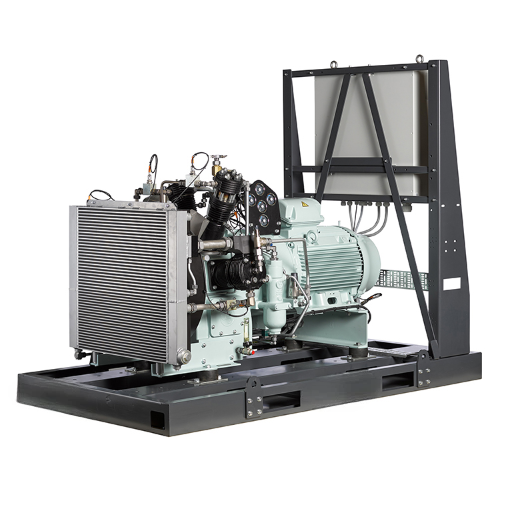
Nitrogen compressor maintenance is a critical part of it, which enables safety to prevent damage to equipments and ensure smooth functioning. It includes these safety aspects:
⚠ Critical Safety Requirements
- 01
Depressurization — When a technician goes to repair the system, it is critical that the system is first isolated from gas to avoid any accidents resulting from high pressure gas being released accidentally.
- 02
Proper Personal Protective Equipment (PPE) — PPE consisting of safety gloves, safety glasses and ear muffs must be worn by staff operating Air compressors that utilizes Nitrogen under high pressure and its exhaust may have hot surfaces.
- 03
Ventilation — Maintain a well-ventilated area during operation to prevent the accumulation of nitrogen and displacement of oxygen leading to asphyxiation hazard.
- 04
Lockout/Tagout (LOTO) Protocols — Also make sure to follow procedures for lockout and tag out to give added protection against the equipment getting into transient mode of operation during the periods of maintenance.
- 05
Inspection of Components — Any wear or damage, which is visible in the parts, should also be noted prior to reassessing the equipment, thus preventing any future breakdowns of the equipment should such equipment be reassembled.
By following these practices, maintenance teams will be able to avoid risks, guarantee the ability of operation and even prevent loss of any out of order nitrogen compressor system and equipment.
Personal Protective Equipment (PPE)
Staying safe when dealing with Nitrogen compressor systems requires Personal Personal Equipment (PPE) in place. PPE, therefore, must include special respirators – appropriate for use under low-oxygen but high-nitrogen conditions – since the presence of nitrogen alone can replace oxygen and poses a lot of danger. Also it is very important to use protective eyewear that high standards of impact resistance when working on high pressure systems to avoid accidents due to the projected particles and/or fluids.
For safety purposes, gloves should be chosen to match the specific cleaning agent or lubricant to be used at the worksite. Again, on the same note, hearing protectors like ear plugs or ear muffs should be considering the high levels of noise in the operation of compressors. It is also essential to properly fit and care for all PPE gear to keep the protection features intact. It is advisable that safety cultures include regular training to raise the dos and don’ts of PPE as well as its extent rather than just wear PPE.
Lockout/Tagout Procedures
When you’re talking about preemptive safety measures, one of the most important procedures is the Lockout/Tag Out (LOTO) process that controls the presence of hazardous energy where maintenance or servicing of any machinery or equipment can be done. The right blockade of LOTO safeguards the users from unwanted activation of equipment or escape of restrained ultimate energy that may result to serious wounds or even death. Even safety practices mandated by government regulations, such as OSHA’s 29 CFR 1910.147, adhere to this procedure. Locking out electrical equipment in a plant is typically done by first de-energising the equipment through a procedure.
Carrying out certain verifications help ascertain the efficacy of energy isolation hence occupational work can be undertaken. This involves checking out the entire system as they are the assurance of no active power within the system and the physical state of the equipment. In addition, there will be need for team to communicate effectively during team activities especially where there is more than one employer. Recent developments also include the use of electronic lockout systems, which improve the tracking and compliance effort, and safety perception. Such innovation is directed toward elevating accountability and execution in process safety.
Emergency Response Protocols
One of the most critical things in ensuring safety within your organization is creation and implementation of customer centric emergency management response plans. Those plans must be guided by set rules that the employees must follow in the event of an actual emergency. This includes what to do in case of emergencies like fire outbreaks, chemical spills, equipment breakdowns, medical emergencies, etc. Such plans must be supported by regular risk evaluations and the use of the latest technologies, such as alarms set to automatically alert in case of an emergency.
In the manufacturing industry benchmark staff response time at the most efficient facilities can be halved when workers improve their skills by taking immersive courses and use can use available software like incident management solutions in working more efficiently. Likewise, it is noteworthy that firms with an active predictive maintenance strategy are capable of decreasing approximately 30% of equipment-related breakdowns since the prevention of potential problems helps in ensuring peace. Meanwhile, the effectiveness provided by immediate response in terms of locating and employing emergency equipment such as fire extinguishers, first-aid kits, controlling the spread of undesirable substances among others, when expected to be there and maintained for use increases.
Essential Tools and Equipment for Maintenance
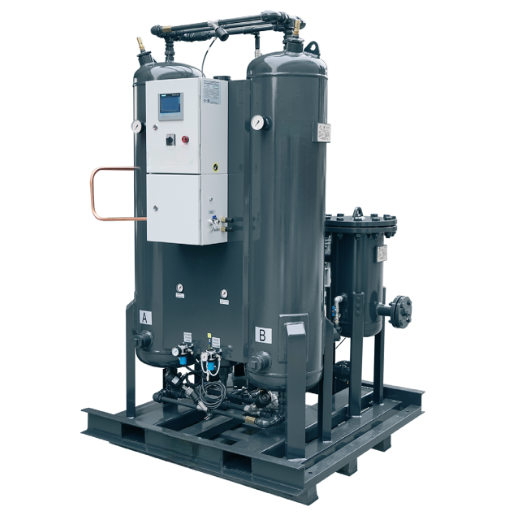
When dealing with nitrogen compressors, your primary concern is the careful selection of tools and equipment which can help in achieving a satisfactory level of performance. Proper hand tools that can help in clamping the dependent elements tighter, fine quality dial gauges required to check pressure and temperatures of the dispensing nitrogen and specific penetration equipment for compressed gas systems which leaks could emanate are these tools. During the course of operations, there is bound to be wearing out of some elements of the nitrogen compressing system and replacement of various spare components like O-rings, filters, coupling elements and sealing components becomes necessary. There is a need for substances such as lubricants which can help in the movement of moving components and the preservation of their condition while in operation.
Basic Tools Required for Nitrogen Compressors
For nitrogen compressors to be well maintained and operated according to the standards of operation, more tools are required to upkeep, mobility and safety. One of the necessary items are torque wrenches to fasten the bolts within the compressors within stipulated limits to enable firm connection without over working them. Secondly, it is essential to have pressure gauges which help in checking the system pressure to identify any drastic variations such as that of an increased content of air in the system. There is also a need to fit vibration meters which help technicians to measure mechanical vibrations and also helps in early capability in case the pump is worn out or out of alignment.
Discharge oil sampling kits form an integral part of the apparatus required for proper audit/testing of a lubricant designed to ensure that all the systems are properly lubricated. Pipe cutting and threading tools help in making accurate changes to the piping infrastructure or repairing any damages in the system. There is a need to have a multi-meter as well as an infra-red thermometer because some electrical and others are thermal in natures in motor driven compressors. It is possible to maintain the device above, while being promised to get another machine, with full set of repair tools, fixing those repairs without many efforts even inside the sterilized chamber.
Tool 01
Torque Wrenches
Tool 02
Pressure Gauges
Tool 03
Vibration Meters
Tool 04
Oil Sampling Kits
Tool 05
Multi-Meter
Tool 06
IR Thermometer
Specialized Equipment for Nitrogen Compressors
The performance of nitrogen compressors is a critical aspect of many application thus advanced performance monitoring systems have become and will be more essential in enabling compressor better performance. This type of systems uses advanced sensing technology as well as algorithms in order to carry out monitoring diagnostics on pressure, temperature and mass flow rates among other measurements in the compressor compressor. Any deviations and/or changes in such performance parameters may indicate a fault condition, whether as a trend or at a specific time point.
In this regard, conventions in international approaches to engineering management have sought to inculcate the use of diagnostic and prognostic accounting procedures in order to estimate, in advance, the possibility of system decomposition. Other technological features additional to measurement sharing include the sharing of instruments and test equipment, as well as the adoption of methods and quality management systems that will francise the scope, for example in respect of international standards.
Inventory Management for Maintenance Tools
Traditionally, one of the most important challenges for maintenance management was effective administration of inventories of maintenance tools to ensure that maintenance operations are carried out on time and on budget. Investments in advanced management systems of inventories have enabled companies to incorporate various algorithms including tools that track usage, forecast usage of tools, and so on in every aspect of inventories. When it comes to automated tools hand over procedures, it is possible to use the software which is connected to the tool databases and conducts a real-time monitor activity on the check out of tools and returns of them. This enables companies to also know what proportion of tools may be lying idle and where there was a probable misplacement or loss of such tools. To add to this, systems that monitor spare part inventory based on breakdown prediction data also help position maintenance inventory according to maintenance schedules.
Long-term Benefits of Regular Upkeep
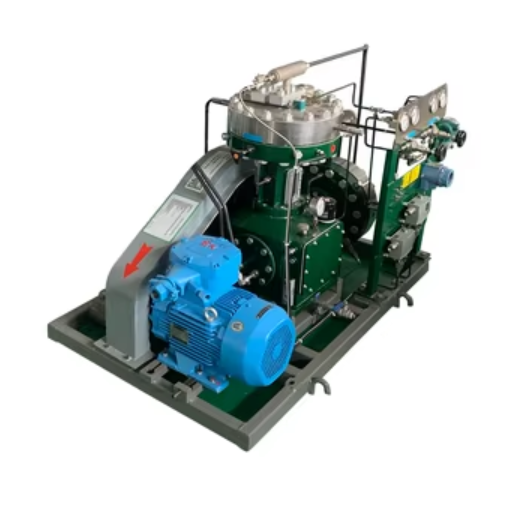
Keeping nitrogen compressors in their best shape contributes to their long life as well as maximum effect. Inasmuch as maintenance is concerned, proper maintenance procedures are therefore recommended as they ensure that the equipment’s components are not replaced due to wear, and reduced chances of breakdowns and expenses in repairs. Moreover, regular inspections help in solving future problems before they occur in order to prevent nitrogen outage in the essential processes. Such measures have been observed to reduce costs of operations with less downtimes and the nitrogen demand can effectively met hence increased confidence with the users.
Extending the Lifespan of Your Compressors
Extending the compressor’s lifespan involves combining some advanced working techniques and a good preventative maintenance strategy practiced from purchase of the compressor. One considerable aspect is the use of lubricant products and services. Proper lubrication facilitates the movement and decreases the rate of friction-related stress, which if occurs is likely to lead to mechanical failure. Attached to lubricants and coolants in preventive maintenance services in most cases is monitoring the quality of air supplied for use; since any pollutants found in the compressed air such as moisture, dust or dirt, or other pollutants including oil, immediately affect the inner parts of the compressor and cut down their life.
Yet another, highly effective approach that should be considered, is the one that employs sophisticated analytical and monitoring facilities. They can critically evaluate the performance metrics by offering instantaneous data on pressures, temperatures, and vibrations in order to predict and prevent anomalies. Furthermore, provision of strict filtration ensures that, the air flied in the compressor is not only clean, but also clears it off any possible impurities that may affect its effectiveness. This is to say that there are some recommended air quality and design standards for air compressors.
Moreover, incorporating energy saving tactics such as optimum operations and load adjustments helps minimize the workload on the compressor. It should be noted that, excess compressing or over compressorization shortens the equipment’s service life as well as exposes complications of overheating or wearing. Lastly, heightened familiarity with the care and cleaning of the machinery is imparted by thorough training of the workers which in turn, reduces instances of negligence and accidental harm to the system.
Improving Operational Efficiency
Improving the performance effectiveness of nitrogen compressors constitutes a very important element. In order to achieve this, the emphasis should be placed on the correctness of the system construction and regular assessment of the operations’ results. Making sure that the compressor is set correctly according to its intended parameters will secure efficiency in the operation without excessive energy tickle. For instance, integrating sophisticated top of the art systems such as Variable Frequency Drives (VFDs) helps in varying motor speeds as per the system needs saving energy and wear and tear cost for components.
Maintenance in operations is characterized by the installation of new and advanced technologies. The utilization of real-time data collection and analysis equipment and sensors allow for persistent monitoring of the equipment to an extent where anomalies such as excessive noise, pressure drops or abrupt increases in temperature can be quickly identified. This helps in keeping the machines for a longer time and at a low cost by ensuring that maintenance costs incurred are relevant causing effective restoration of the equipment.
Modern compressor designs with better thermal and power flow features are also seen as a good idea, discouraging marketers from the old designs. Advancements in rotor profiles, sealing, and heat recovery systems have all made significant contributions in reducing the energy consumption of nitrogen compressors. Specifically, heat recovery systems are able to take full advantage of the excess heat that results from the compression to support the operation such that it can also be used for facility heating purposes.
Reducing Costly Downtime for Nitrogen Compressors
Nitrogen compressor downtime is a critical issue for every nitrogen compressors-related facility but can be resolved. Looking at the above, though, it is high time facilities become proactive and take advantage of technologies to detect the faults before they become more severe. Predictive maintenance techniques alongside their advanced sensors and digital systems are the new recommended practices for cost-reduction and avoidance of costly disruptions. Available systems that use vibration analysis, temperature control and live performance checks do diagnose irregularities associated with the compressors. For instance, high bearing temperature or discharge pressure fluctuations can be some of the initial indicators of failure which are incorporated in the scheduler in order to minimize down-time.
Besides, introducing the latest innovations in monitoring solutions like Artificial Intelligence (AI) and Machine Learning (ML) makes it more dependable. Handheld software monitoring devices are used to predict the end of life of components and schedule maintenance in the most effective way. This type of hit is ten times more common than a standard strike but can be easily combated over a much shorter duration. Such an approach helps any industry not only to avoid undesired constraints but to increase in the availability of the driven machines i.e with reference to the other equipments as the its total time duration. For many establishments, like those using nitrogen compressors in their operations, this trend is very useful; thus, installation of these solutions helps to maintain and enhance job performance thereby reducing the chances of untimely breakdowns.
Reference Sources
Frequently Asked Questions (FAQs)
// SYS-DOC: WHY I WRITE THIS
[01] About PanGeng
PanGeng is an industrial gas compressor manufacturer based in Bengbu, Anhui, China. Since 2009, we have focused on the design, R&D, production, and manufacturing of customized gas compressor systems for oilfield, chemical, energy, hydrogen, nitrogen, biogas, and industrial air applications.
[02] Our Expertise
We write compressor guides based on real manufacturing and engineering experience, including hydrogen compressors, nitrogen compressors, booster compressors, medium and high-pressure air compressors, oilfield nitrogen injection systems, biogas compressors, and OEM/ODM custom compressor solutions.
Our engineering team supports customers from application analysis and compressor selection to production, factory testing, commissioning, spare parts, and after-sales service.
[03] Why You Can Trust This Content
The technical information in our articles is based on PanGeng’s in-house compressor design and manufacturing experience, current product capabilities, and project support for industrial clients in global markets. Our goal is to help buyers understand compressor types, pressure ranges, gas requirements, customization options, and long-term operating costs before making a purchasing decision.
CONTACT PROFILE
AUTHORITATIVE SOURCE
NAME
PanGeng Engineering Team
BRAND
PanGeng
COUNTRY
China
MODEL
B2B / OEM & ODM
EMAIL
pg20090705@163.com
PHONE
0552-4958225
WEBSITE
pgcompress.com
Related Posts


Trending now

![Low Pressure Hydrogen Compressor Applications [Guide]](https://pgcompress.com/wp-content/uploads/2026/09/low-pressure-hydrogen-compressor-applications-blog-featured-150x150.png)