Get in Touch with Pangeng

The Ultimate Guide to Industrial Gas Booster Compressors

Contents
show
Industrial gas booster compressors function as essential equipment which enables multiple industries to manage high-pressure gases throughout manufacturing operations and energy production activities. Understanding the mechanics and benefits of these powerful devices becomes essential when you want to improve operational efficiency or maintain safe processes or achieve specific pressure targets. The comprehensive guide will explain industrial gas booster compressors by showing their operational system and their various industrial purposes and the factors which should be considered when choosing the appropriate equipment for your requirements. The article will provide you with all necessary knowledge that enables you to utilize these essential industrial tools at their full potential.
Understanding Industrial Gas Booster Compressors
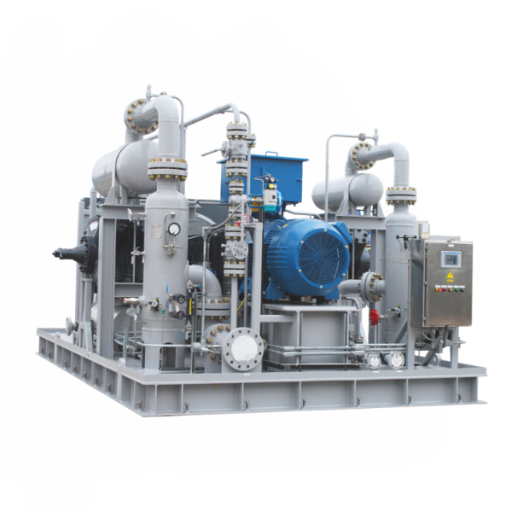
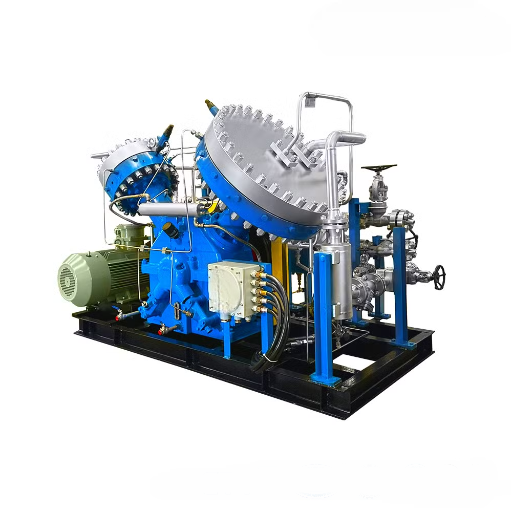
Industrial gas booster compressors serve as equipment which raises gas pressure to fulfill particular industrial needs. The system operates by taking in gas at a lower pressure and compressing it to a higher pressure level which makes it essential for gas transfer operations and storage applications and system testing processes. The manufacturing and aerospace and energy production industries use these compressors to achieve their exact gas pressure requirements. The selection process for a gas booster compressor requires engineers to examine three essential factors which include the gas type and required pressure and planned usage of the equipment.
What is a Gas Booster Compressor?
The gas booster compressor functions as a device which raises gas pressure through its process of taking in gas at initial pressure and transforming it into higher compressed states. These compressors provide solutions for applications which standard compressors cannot accomplish because they require specific pressure outcomes. Gas booster compressors can process different gases which include nitrogen hydrogen helium and carbon dioxide making them ideal for industrial operations. The current information indicates that they have become essential components for three specific operations which include pressure testing and gas cylinder filling and high-pressure gas transfer operations. The contemporary gas booster compressors operate with high efficiency and dependable performance while offering two operational modes which allow them to work with both single-stage and multi-stage pressure systems. The petrochemical and medical and automotive and oil and gas industries depend on these systems because they need accurate gas pressure control to operate their businesses successfully.
Types of Gas Booster Compressors
There are primarily three types of gas booster compressors: single-stage, multi-stage, and double acting.
| Type | Key Feature | Pressure Range | Common Use | Advantage |
|---|---|---|---|---|
| Single-Stage | Simple Design | Low to Medium | General Applications | Easy to Operate |
| Multi-Stage | High Capacity | Medium to High | Industrial Usage | High Efficiency |
| Double Acting | Dual Pistons | Broad Range | Heavy-Duty Tasks | High Durability |
Key Components of Industrial Gas Booster Compressor
⚙ Cylinder
The cylinder contains the pistons which function as the main chamber that compresses gas. The system has been built to endure the pressure which develops during the compression operation.
⚙ Piston
The piston moves within the cylinder to compress the gas. The compressor motor and other driving systems power its movement.
⚙ Valves
Valves control the gas movement into and out of the compression chamber, which enables proper intake and discharge throughout the system’s operation.
⚙ Motor
The motor provides the necessary power to drive the piston. The system can use either electric power or hydraulic power or pneumatic power based on its specific requirements.
⚙ Cooling System
The cooling system protects components while maintaining operational efficiency through its management of heat produced during gas compression.
⚙ Seals and Gaskets
Seals and gaskets create barriers that stop gas from escaping while they sustain the compression process, which enables safe and efficient system performance.
⚙ Control Panel
The control panel gives operators the ability to check system performance while they modify operational settings to achieve maximum efficiency and safety.
The industrial gas booster compressor system depends on these components to function reliably across different operational scenarios.
How Gas Booster Systems Operate
01
Mechanisms of High Pressure Gas Boosting
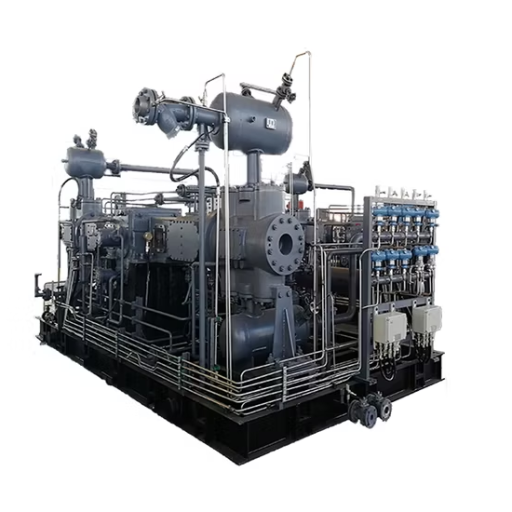
Specialized compressors or boosters function as high-pressure gas boosters which create the required gas pressure for their designated applications. The process begins with gas entering the booster at a relatively lower pressure. The booster achieves gas compression through volume reduction which causes pressure increase according to thermodynamic principles. The process requires precise control which ensures both safety measures and performance requirements stay intact.
Gas booster systems function continuously because they depend on essential parts which include pistons, cylinders, and check valves. Pistons compress the gas within the cylinder, while check valves allow unidirectional flow, preventing backflow and maintaining pressure stability. The system receives power from an external energy source which includes electricity and compressed air to operate its mechanical components.
The operation maintains safety and efficiency through continuous temperature and pressure and flow rate monitoring. The booster system uses control systems which automatically adjust operations in real time to maintain safe working conditions. The systems demonstrate their reliability and versatility through their use in multiple industries for gas filling and testing and storage of high-pressure gases.
02
Differences Between Pneumatic and Hydraulic Driven Gas Boosters
Pneumatic gas boosters use compressed air for power, while hydraulic gas boosters operate using hydraulic fluid, offering differences in pressure range, control, efficiency, and maintenance.
| Parameter | Pneumatic | Hydraulic |
|---|---|---|
| Power Source | Compressed Air | Hydraulic Fluid |
| Pressure Range | Lower | Higher |
| Control | Easier | More Complex |
| Efficiency | Moderate | High |
| Maintenance | Lower | Higher |
| Size | Compact | Larger |
| Applications | Light Duty | Heavy Duty |
03
Two Stage Boosting Process Explained
The two-stage boosting process provides an efficient method for reaching higher gas pressures which maintains operational reliability. The system uses two separate compression stages to compress gas which enables better load distribution and equipment protection. The first stage of the process requires gas to be compressed from its starting low pressure until it reaches intermediate pressure. The gas proceeds to the second stage where operators will perform additional compression until they achieve their target high-pressure level.
Stage 1
Low → Intermediate Pressure
Stage 2
Intermediate → Target High Pressure
The process provides benefits because it reduces energy usage and heat production when compared to single-stage compression operations. The system achieves improved efficiency through the implementation of two-stage compression which results in diminished component wear and consistent production levels. The system performance and safety of operations improve through cooling mechanisms which function between the two stages to decrease gas temperature prior to the second compression stage.
Two-stage boosting is commonly utilized throughout industrial sectors which need testing and manufacturing and energy storage applications that require high-pressure gas. Its reliability, efficiency, and ability to handle demanding requirements make it a practical choice for a variety of heavy-duty operations.
Applications of Gas Booster Compressors
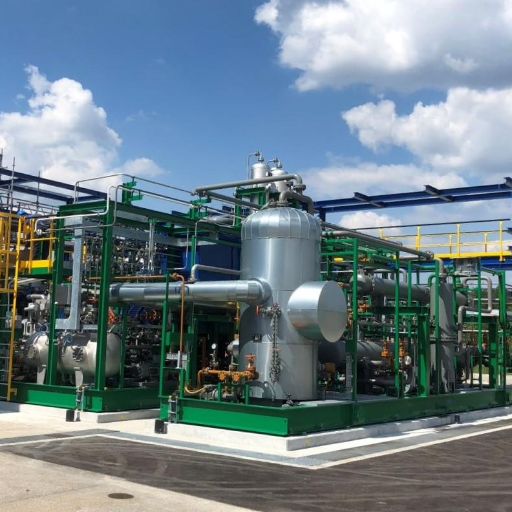
Industries Utilizing High Pressure Gas Boosters
- 01
Oil and Gas IndustryThe system operates for three main purposes which include moving natural gas through pipelines and maintaining pipeline pressure and supporting efficient extraction operations.
- 02
Aerospace IndustryThe system tests hydraulic and fuel systems of aircraft through its ability to pressurize oxygen and nitrogen tanks.
- 03
Manufacturing IndustryThe system operates essential functions which include powering pneumatic tools and driving machinery and supporting high-pressure testing activities.
- 04
Energy SectorThe technology operates in renewable energy systems which include hydrogen fuel cells and also functions to maintain pressure in energy storage systems.
- 05
Healthcare IndustryThe system provides medical functions through its use of oxygen compression for respiratory devices and hyperbaric chambers.
Oxygen Boosters in Medical Applications
Oxygen boosters play a pivotal role in ensuring the safe and efficient delivery of oxygen for various medical purposes. The combination of technological progress and worldwide healthcare demands drives the usage of oxygen boosters because they enable the compression of oxygen which powers ventilators and hyperbaric oxygen therapy and portable oxygen tanks. The devices maintain required pressure levels which enables continuous oxygen supply to patients who need critical care or extended oxygen treatment. The COVID-19 pandemic demonstrated the need for better oxygen delivery systems which created a hospital and clinic and emergency facility need for oxygen boosters. The system’s reliability together with its precise operation helps medical professionals achieve better results for patients while delivering critical emergency care.
Pneumatic Applications and Breathing Air Systems
Pneumatic systems have become essential for industrial operations because they provide dependable performance with safe operation and effective performance. The systems function by using compressed air to operate their tools and machinery and equipment. Breathing air systems provide air that is both clean and pressurized to areas where natural air sources are either unsafe or inadequate. The systems are essential for operating in multiple industries which include firefighting and chemical manufacturing and underwater diving.
Breathing air systems operate through their design which includes compressors and purifiers and storage systems that produce air which meets OSHA and ISO standards. The air purification system ensures complete removal of dangerous impurities which include carbon monoxide and oil and moisture and particulates. The combination of advanced filtration systems and monitoring equipment and pressure control devices has improved their operational safety and efficiency while becoming essential for protecting worker health and maintaining safe work conditions.
Technical Specifications and Performance Metrics
01
Understanding PSI Ratings in Gas Compressors
PSI, which stands for pounds per square inch, functions as the measurement system that determines the pressure output from a gas compressor. The measure shows the compressor’s capacity to produce force needed for gas pressurization within the system. The compressor operates at higher pressure levels required for industrial equipment and high-demand pneumatic tool operations when its PSI rating reaches the higher range.
Gas compressors receive their primary classification through their PSI ranges, which scientists divide into three basic pressure categories that include low pressure and medium pressure and high pressure.
Low Pressure
< 150 PSI
Airbrushing, tire inflation
Medium Pressure
150–1,000 PSI
Industrial use
High Pressure
> 1,000 PSI
Chemical processing, scuba
The selection of a gas compressor requires knowledge about the specific application PSI requirements. The use of incorrect PSI settings will result in operational problems and equipment destruction. To achieve optimal performance and safety during your work activities you must confirm that your PSI rating matches the requirements of your operational needs.
02
Evaluating Efficiency and Reliability of Gas Boosters
The assessment process for gas boosters needs multiple vital elements to be examined during their performance evaluation. First, assess the energy consumption and output performance to ensure the booster maximizes productivity while minimizing operating costs. The energy-efficient designs which use multi-stage compression systems together with low-friction components achieve reduced power consumption.
Equipment downtime and system failures make reliability an essential requirement because they interrupt operational activities. Choose gas boosters built with high-quality materials and robust engineering to withstand wear and tear through time. Equipment and operator protection requires safety equipment with automatic pressure relief systems to function properly. The combination of maintenance activities with a reliable manufacturing warranty delivers equipment that maintains its dependable performance for an extended period.
The application-specific requirements include necessary pressure standards and gas compatibility and operational frequency assessment. The selection of a booster that matches your operational requirements will lead to operational efficiency and reliability which produces a safe cost-efficient solution for your needs.
03
Maintenance Considerations for Centrifugal Compressors
The efficient operation of centrifugal compressors requires their proper maintenance to ensure reliable performance throughout their operational lifespan. The inspection process needs to concentrate on essential parts which include bearings and seals and impellers and shaft alignment to identify any initial indicators of damage or deterioration. The system requires regular maintenance checks to verify its operational status while it needs to deliver sufficient defense against friction and overheating. The internal components of the compressor require cleaning to remove debris from the impeller and diffuser because these particles can reduce the system’s operational capacity.
The compressor monitoring system uses IoT technology to deliver real-time equipment status updates which enable operators to detect problems before they develop into serious threats. The system requires maintenance according to the manufacturer’s schedule which mandates the use of authentic replacement parts to maintain its operational capability. The use of predictive maintenance together with contemporary data analytics enables operators to decrease equipment downtime while increasing equipment durability and achieving better operational results.
Best Practices for Implementing Gas Booster Solutions
Choosing the Right Gas Booster Compressor for Your Needs
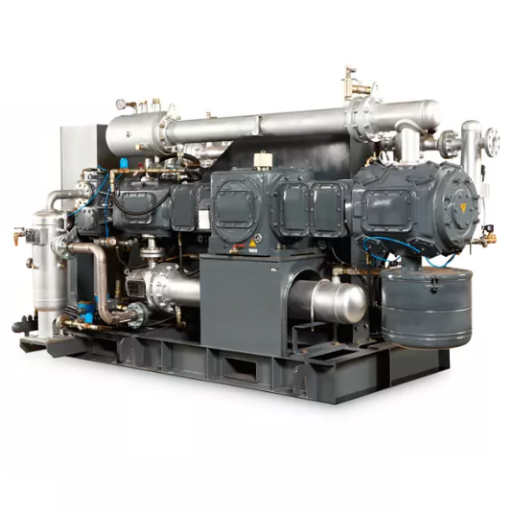
The gas booster compressor selection process begins with the evaluation of specific application requirements which include determining the required gas type and pressure level and flow rate specifications. The compressor must be capable of handling the specific gas being used to avoid safety hazards and performance problems. The selection of a model requires assessment of both temperature conditions and available installation space in your operating environment. The evaluation process needs to assess three factors which include reliability and energy efficiency and maintenance requirements to achieve optimal performance and decreased operating expenses. The chosen solution must comply with your operational requirements and safety standards which you should verify through consultation with established manufacturers and industry authorities.
Installation Guidelines for Optimal Performance
- 1
Site PreparationThe installation area requires cleaning and ventilation and removal of all debris and potential obstacles. The foundation needs to become level because it must sustain the compressor weight without generating vibrations or creating stability issues.
- 2
PositioningThe compressor needs to be installed in a space which provides technicians with complete access to all parts for maintenance work and inspection activities. The equipment needs to maintain sufficient distance from walls and other equipment to allow proper air movement which supports efficient cooling operations.
- 3
Piping and ConnectionsThe system requires high-quality piping which matches the necessary size requirements to establish a connection between the compressor and the system. The technician must check that all points of connection remain tight while he installs isolation valves which will make maintenance work easier.
- 4
Electrical SetupThe electrical connections should match the manufacturer specifications because they need to work with the specific power supply system. The proper grounding method needs implementation to prevent electrical dangers while creating a safer environment.
- 5
Lubrication and CoolingThe compressor must contain all required lubricants and cooling components which the manufacturer specified. The technician must examine all cooling lines to identify leaks and check that the lines remain completely open.
- 6
Testing and CalibrationThe system needs testing through a complete test which will demonstrate its capability to function after installation. The operators need to adjust the machine settings until they achieve the required operational performance and efficiency standards.
The performance of industrial gas booster compressors reaches its highest point when you follow these guidelines which also ensure safe operations and dependable performance.
Common Issues and Troubleshooting Techniques
The process of maintaining industrial gas booster compressors requires you to recognize common problems and choose suitable troubleshooting methods which will help you achieve both efficiency and reliability. The combination of scheduled maintenance together with active system monitoring will help reduce operational stops which result in expensive maintenance needs.
Reference Sources
-
-
A Model for Booster Station Matching of Gas Turbine and Gas Compressor Power Under Different Ambient Conditions
Link to source
This study explores the matching of gas compressors and turbines in booster stations, providing insights into their operation under varying conditions. -
Improving Gas Cooling Technology at Its Compression in the Booster Compressor Station
Link to source
Discusses advancements in gas cooling technology for booster compressor stations, with a focus on efficiency and performance improvements. -
Gas Turbines and Turbocompressors for LNG Service
Link to source
Examines the use of gas turbines and turbocompressors in LNG applications, including feed gas booster services and variable geometry compressor designs. - Booster Compressors
-
FAQ
Booster Compressors — Frequently Asked Questions
// SYS-DOC: WHY I WRITE THIS
[01] About PanGeng
PanGeng is an industrial gas compressor manufacturer based in Bengbu, Anhui, China. Since 2009, we have focused on the design, R&D, production, and manufacturing of customized gas compressor systems for oilfield, chemical, energy, hydrogen, nitrogen, biogas, and industrial air applications.
[02] Our Expertise
We write compressor guides based on real manufacturing and engineering experience, including hydrogen compressors, nitrogen compressors, booster compressors, medium and high-pressure air compressors, oilfield nitrogen injection systems, biogas compressors, and OEM/ODM custom compressor solutions.
Our engineering team supports customers from application analysis and compressor selection to production, factory testing, commissioning, spare parts, and after-sales service.
[03] Why You Can Trust This Content
The technical information in our articles is based on PanGeng’s in-house compressor design and manufacturing experience, current product capabilities, and project support for industrial clients in global markets. Our goal is to help buyers understand compressor types, pressure ranges, gas requirements, customization options, and long-term operating costs before making a purchasing decision.
CONTACT PROFILE
AUTHORITATIVE SOURCE
NAME
PanGeng Engineering Team
BRAND
PanGeng
COUNTRY
China
MODEL
B2B / OEM & ODM
EMAIL
pg20090705@163.com
PHONE
0552-4958225
WEBSITE
pgcompress.com


Trending now
![Low Pressure Hydrogen Compressor Applications [Guide]](https://pgcompress.com/wp-content/uploads/2026/09/low-pressure-hydrogen-compressor-applications-blog-featured-150x150.png)