Get in Touch with Pangeng

How Does a Diaphragm Compressor Work: Complete Technical Guide

Contents
show
The comprehension of diaphragm compressor operation is a matter of importance for the industry to achieve exactitude, reliability, and effectiveness in their high gas pressure compression work. Diaphragm compressors play a significant role from chemical processing to oil refining to medical applications toward particular smooth operations whose chemical purity, paramount here, does not suffer compromise. This hands-on guide describes the hows, the whys, the essentials, and the technology of diaphragm compressors by explaining difficult technical concepts in reader-friendly versions. If you are an engineer, technician, or any industrial personnel, this discussion will help you acquire practical knowledge and thus make well-informed decisions, and allow you to appreciate the beauty of the technology lying behind such a useful piece of equipment. Stay with us while we unfold all the necessary details about diaphragm compressors, step by step.
Understanding the Basics of Diaphragm Compressors

The compressors of the diaphragm are positive displacement compressors in which a flexible diaphragm compresses the gases. The diaphragm is usually impelled mechanically by the crankshaft, causing it to reciprocate in the chamber or container, thereby altering the volume. Consequently, the gas is then compressed without being exposed to oils or lube, or any form of foreign matter, which makes diaphragm compressors exceptional in dealing with highly pure, toxic, or corrosive gases. These are considered instruments of precision, reliability, and safety and are commonly used in the pharmaceutical, energy, and chemical processing facilities.
What Is a Diaphragm Compressor?
A diaphragm compressor is one example of a positive displacement compressor that utilizes a flexible diaphragm to compress gases. In contrast to other compressors, diaphragm compressors need no direct mechanical contact with the gas and its moving parts. The gaseous pressure in the machine is developed as the diaphragm, if it is made of materials like Teflon or alloys, completely separates the gas from the mechanical parts, leaving no chance for contamination and high purity results. Diaphragm compressors find frequent application in compressing gases such as hydrogen, helium, nitrogen, and all the various other specialty or hazardous gases, apart from the absolutely leak-tight, oil-free design. Courtesy of technological advancements, the state-of-the-art diaphragm compressors incorporate the close-set parameters with both precision and digital control systems, which thereby helps them secure efficiency; ease maintenance of the compressors concerned, and signal, that is, the thing that is in the industries concomitant with chemical manufacturing, food production, and in the renewable energy space such as hydrogen refueling stations.
Core Components of a Diaphragm Compressor
- •
Diaphragm: A flexible barrier between the gas and the hydraulic or mechanical driving system, which provides perfect containment of compression. - •
Compression Chamber: It is where the gas inside the diaphragm is compressed with the upward and downward thrust of the diaphragm. - •
Hydraulic System: Draws upon force to link up and bring about controlled and seamless gas compression via diaphragm movement. - •
Check Valves: Allow ingress and egress of gas to and from the compression chamber and stopper amount of air from entering. - •
Drive Mechanism: Typically, an electric motor runs it, driving the hydraulic system or crankshaft that moves the diaphragm. - •
Cooling System: Keeps optimal temperature against overwhelming heat generated during compression.
So, all of those components come together to bear upon successful, efficient, contaminant-free compression for working through numerous types of gases.
Common Types of Diaphragm Compressors
Different types are available for diaphragm compressors depending on the industrial application; they are known for variations like in design and gas interruption capabilities. Common types include:
- Single-stage diaphragm compressors: Used for applications under moderate pressure conditions, that is, they are used in the handling of both argon or nitrogen in settings where pressure demands are minimal.
- Two-stage diaphragm compressors: Made for high-pressure applications, these compressors use two compression stages for higher working efficiency and finds wide application in industries related to hydrogen processing and specialty gas storage.
- Oil-free diaphragm compressors: Especially useful in applications where gas purity is strictly required, like in some pharmaceutical companies and medical, and food industries, these compressors are very efficient in avoiding any contamination to the gas compressed.
- High-Pressure Diaphragm Compressors: Made to handle pressures above 15,000 psi, they are mainly used in high-pressure applications like aerospace testing, compressed natural gas (CNG) fueling, and commercial research facilities.
Each type of diaphragm compressor is designed for a specific application ensuring the performance and reliability are upheld to industry standards. The compressors are designed to accommodate various applications and factors, all of which include the type of gas to be pumped, pressure requirements, and required purity.
The Working Principle of Diaphragm Compressors

How Gas Enters the Compressor
Working through the intake valve that introduces the right quantity of gas into the compressor chamber, gas enters into the diaphragm compressor. The first step opens the intake valve when vacuum is created in the chamber to allow gas to enter the chamber. This step prevents backflow and contamination from soon afterward ensuring that only a fraction of the gas enters the system.
Once gas is entered into the chamber, the diaphragms perform the function of sealing off the entered chamber from everything else. These diaphragms operate by being driven by a reciprocating mechanism, keeping the desired purity levels of the gas in the system. This design avoids direct contact between gas and core machine components, making the system highly accurate in handling any sort of sensitive or hazardous gases.
High-precision mass-flow controllers determined gas intake, and this action in unison carried gas into the cylinder and readied it for further compression. Diaphragm design corresponds with another concern re cleanliness, which is needed to meet the strict standards enforced by industries on gas purity and safety.
Compression Process Explained
Diaphragm compressors employ an effective technology for handling gases. During the compression process, a set of flexible diaphragms being made of strong and resistant materials, compresses gas within a gas-tight chamber. The diaphragms are driven by hydraulic oil force that is actuated by means of a piston. This brings the gas in contact neither with the pistons nor air contaminants so as to ensure the air remains fresh and pure.
First, gas gets pulled into the compression chamber. The diaphragms, which are driven by compressed hydraulic oil, allow these gases to be compressed after moving up. This ensures the gas is compressed to gain pressure, without any impurities because no lubricants or contaminants, coming from outside, were introduced.
Diaphragm compressors can pump a whole host of gases, including hydrogen, helium, oxygen, and other highly inflammable gases. This makes them perfect for use in industrial applications like chives, food packaging, and medical applications that require gas purity levels- very high or higher. So, as far as delivering efficient, durable, and stable gas compression is concerned, without the perversion of modern engineering and technology.
Gas Discharge and Delivery
A diaphragm compressor has an improved mechanism for ensuring that gaseous discharges are handled perfectly for the most demanding gases such that they are pure and uncorrupted. The diaphragm does not touch other foreign gases, except the well-named ones, while the gas comes out, thereby ensuring that only the highest pure gases are generated, making the diaphragm compressors excellent for applications where purely clean gas activities are in demand, which includes applications in the semiconductor industry, pharmaceutical production, and laboratory testing.
This one is well confirmed already. Diaphragm compressors are used in load-following applications that require high-pressure discharge of gases whose amounts must be kept constant. The discharge pressures are moderate to very high as demanded by specific applications. The next-generation diaphragm compressors have the best seals and reliability while handling even the most dangerous or corrosive gases to be discharged. For their precision, safety, and efficiency, these compressors are capable of serving anywhere and everywhere in a variety of gas supply systems.
Applications of Diaphragm Compressors

Industrial Applications
The modern diaphragm compressors have profound applications in industrial premises essentially because of their capacity to handle a range of gases with unmatched precision and versatility. They are particularly designed to compress pure gases, corrosive gases, or toxic gases without contamination, making them an inevitable must in petrochemical, pharmaceutical, and electronic industries. A high conductivity device, the diaphragm-compressed gas can reach extreme pressure, thereby, making it suitable to serve as pressurization to the celebrated gases like hydrogen, helium, or nitrogen, providing for the safety and efficiency in the process. Compressed diaphragm compressors ensure the operational dynamics and environmental conditions in chemical synthesis and laboratory applications. The excellence of these solutions is their robust seal layout, which allows improved high rates of pumped gas, while offering high adaptability among different volatile gases essential for modern industrial applications.
Renewable Energy and Hydrogen Applications
The widespread dissemination of renewable hydrogen constitutes yet another concomitant that has fostered an exponentially growing foothold for upswing diaphragm compressors. Energy requirements in high-pressure hydrogen handling while retaining its purity are becoming increasingly important as far as green hydrogen schemes are concerned. Diaphragm compressors stand tall in the areas where fuel cells are powered or energy accumulates. For instance, diaphragm compressor-served electrolysis systems serve further purpose concerned with compression and transfer of a contaminant-free gas from green hydrogen production out of water, by utilization of renewable electricity.
With their scalability and efficiency, diaphragm compressor technology is utilized widely in hydrogen-fueling applications, encouraging the production and operation of unconventional hydrogen fuel cell vehicle transportation systems. However, they can be applied to safely handle volatile gases in the newly created energy ecosystem. The transformation of hydrogen technology is destined to soar, where diaphragm compressors will figure as major components in serving global demand for sustainable energy solutions.
Medical and Laboratory Uses
Medical and laboratory settings satisfy the need for diaphragm compressors with the critical requirement for discharging clean, oil-free compressed gas. It is especially relevant in medicine and physics on account of its capability to support such delicate gases as oxygen, helium, and nitrogen used in many medical and experimental applications. Diaphragm compressors here acquire abundant floor space needed to ensure precise delivery and storage of medical-grade gases for the patients who need help with respiration, anesthesia, and sterilization alike.
Laboratories have highly recognized diaphragm compressors as an essential asset in applications such as gas chromatography, mass spectrometry, or any form of research which necessitates an extremely high-purity and accurate gas source. They demand this pinnacle technological backup to avoid contamination of samples that could eventually lead to incorrect results, ensuring superior and precise outcomes every time. It is a challenge to design and manufacture diaphragm compressors to exacting standards for the scientific sector, yet low power consumption, lightweight, and virtually free of maintenance, while offering an excellent capacity for long years of faithful service, are facilitating clinical academic studies’ high-tech planet.
Key Features and Benefits of Diaphragm Compressors

Contamination-Free Compression
Diaphragm compressors are intended to ensure completely unadulterated gas compression, which is a crucial aspect for industries placing an emphasis on purity. This differentiates diaphragm compressors from traditional piston compressors that are ring-lubricated, causing a risk of oil veil formation and subsequent contamination of the gas product. The gas is fully contained behind the diaphragm and does not come into contact with lubricated parts or moving parts. Such a feature is the most critical for applications such as medical oxygen supply, semiconductor manufacturing, and laboratory research. Even minor impurities can lead to challenges in results or product outcomes.
The most recent developments point towards energy and environmental advantages. These are developed from processing an enormous variety of gases, including the whole spectrum of the rare gases, combustible gases, and other hazardous gases, with the highest degree of accuracy. Diaphragm compressors deliver ultra-clean operation but are highly reliable in class. This class of compressors also tells of the extreme purity and safety requirements of today’s industry; it took a move forward to secure equipment reliability at its application. The piece of equipment is also eager to ensure outstanding performance.
High-Pressure Capabilities
Diaphragm compressors are especially suited to achieve and maintain high-pressure ratings with unparalleled precision and reliability. The separation between the gas being compressed and any mechanical component ensures the possibility of compressing gases to truly high pressure. They are particularly used in applications where purity and pressure are the major concerns, typically, the chemical industry and research facilities.
They offer one more huge advantage, being able to withstand high pressures, thereby making these compressors operate in full safety. The sturdy construction and strong sealing mechanisms embedded in diaphragm compressors have enabled the compressors to continuously perform under the harshest conditions. This aspect is critical in certain applications: hydrogen compression, medical gas storage, and specific energy processes, all of which require high-pressure solutions.
Moreover, diaphragm compressors provide consistent efficiency even if they are working at elevated pressure. In contrast to many other types of compressors, they demonstrate stable behavior under a variety of operating conditions, which makes them flexible for use in a number of processes. This, along with the contamination-free design and the demonstrated reliability of diaphragm compressors, offers a justification for their widespread usage in high-pressure applications in numerous segments.
Versatility Across Industries
Diaphragm compressors represent a highly adaptable technology used in various industry sectors. Ranging the gamut in handling from sweet gas to sour gas and encompassing a wide range of applications from low-purity to high-purity, diaphragm compressors are an integral part of the chemical industry, pharmaceuticals, and industrial gases. Because they are free of oil and contamination, diaphragm compressors are also essential for processes that require high levels of purity, particularly in the context of semiconductor manufacturing and medical applications. These compressors have their own applications in hydrogen production and storage, due to their capacity to withstand extremely high pressures safely and effectively. Diaphragm compressors are manufactured extremely sturdy and demand less maintenance; they are a strong choice in industrial areas, generating an ideal line of service for reliability, versatility, and cost considerations.
Maintenance and Troubleshooting of Diaphragm Compressors
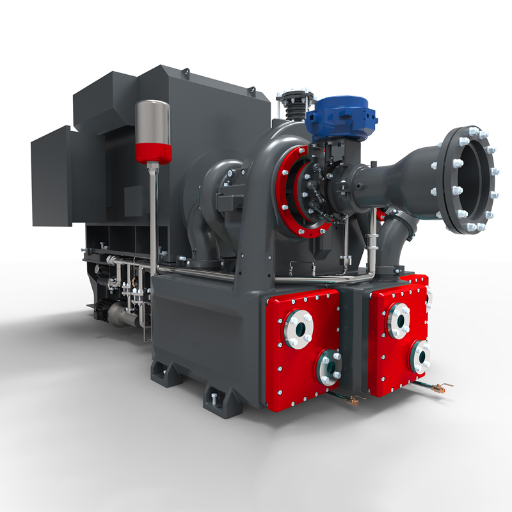
Routine Maintenance Practices
- 1
Routine Inspection
Now and then, make sure to visually check for any damage, wear, or leaks from diaphragms and seals. Attend to the identified issues right away to avoid more harm. - 2
Lube Inspection
It is a must that lubricants reach the required fluids for the makers to act in any way. For this purpose, the oil has to be replaced due to usage and/or absence. - 3
Cooling System Maintenance
Pretty much, the cooling-related materials should face a visual inspection to prevent up-to-the-minute equipment running the whole time while overheating. Over time, accumulated dirt could obstruct the flow of air over the cooling equipment. - 4
Filter Service
It’s a good idea to replace the air and gas filters regularly to ensure the right airflow and keep the contaminants out of the compressor. - 5
Fastener Tightness Check
Make sure your bolts and fasteners are tightened properly to prevent vibration-induced loosening. - 6
Performance Monitoring
Some of your compressor performance parameters to be watched are pressure and temperature under normal conditions.
As per the maintenance periods and prescribed procedures by the manufacturer, they must be closely adhered to, for optimal functionality and maintenance of the compressor.
Common Issues and Their Solutions
| Issue | Description | Solution |
|---|---|---|
| Diaphragm Malfunction | Mechanical stress or chemical degradation causes wear/rupture. | Regular inspection; follow replacement intervals; use compatible materials. |
| Leaks | Slow leakage in seals/connections dropping efficiency. | Tighten connections; replace worn seals; perform pressure testing. |
| Overheating | High loads or insufficient cooling causing thermal stress. | Maintain cooling system ventilation; adjust pressure regulator. |
| Valve Malfunction | Dirt accumulation or wear hindering function. | Frequent cleaning/inspection; replace with quality parts and filters. |
| Performance Variability | Inadequate maintenance, lubrication, or blockages. | Regular maintenance checks; ensure proper lubrication and clearing. |
Mitigating the likelihood of such common barriers will greatly increase the reliability of diaphragm compressors while extending their useful life.
Extending the Lifespan of Your Compressor
For the diaphragm compressor to survive long, there must be regular maintenance and professional service experiences. A series of checks for diaphragms, seals, and valves at the intervals prescribed in the maker’s maintenance schedule can be taken. Cleaning media filters or replacing them to avoid blockage in the diaphragm due to built-up debris helps.
Duly, always ensure the compressor performs within its set pressure and temperature specs to reduce damage that results from working under undue stress. Adequate lubrication ensures there is no dry friction that degrades the diaphragm compressor. According to discussion from modern information resources, introduce some monitoring capabilities through analytic tools and smart sensors that will provide real-time condition tracking. These capabilities can help in alerting operators to possible issues – such as temperature spikes, pressure fluctuations, or declining diaphragm performance.
A system should be put in place where high-quality components are utilized and smaller problems are addressed as soon as they occur. Proper servicing together with the use of telemetry data would go a long way in maintaining maximum uptime and efficiency while keeping surprises at a minimum.
Reference Sources
A Practical Guide to Compressor Technology
Compressors and Modern Process Applications
Frequently Asked Questions (FAQs)
How does its performance compare with other types of compressors?
Diaphragm compressors have several advantages over traditional piston or screw compressors. These would chiefly include the extremely credible purities achieved and the leakage-proof nature of diaphragm compressors. The diaphragm confines the gas as against metal lubricants and never to the metal surfaces themselves, thus greatly bringing down the chances of contamination. These features make them function optimally in settings where gas purity and seal integrity are put at premium, such as the precision requirements for medical oxygen production, the production of specialty chemicals, or in the semiconductor manufacturing sector. Piston compressors may reach these kinds of pressures but will entrance oil from the lubricant circuit or create filtration of contaminated particles in those materials that are undesired. Notwithstanding any also operational facilities, diaphragm compressors are the ones to opt for darlingly sensitive gases and, thankfully, render an operation for the industry requiring high purity requirements.
Which gases can be safely pressurized with diaphragm compressors?
It must be made obvious that diaphragm compressors are fabricated to compress a variety of gases including hydrogen, helium, nitrogen, oxygen and other specialty gases according to process requirements. By the characteristic of being oil- and contamination-free, even gas whose explosion properties are dangerous (due to corrosive or reactive properties) can be pressed with the diaphragm compressor. Developments made recently, Charques diaphragm developed from advanced materials such as Teflon, stainless-steel, or special polymers, are chemically compatible with these complicated gases. This opens up an application spectrum more, for example into laboratories, electronics factories, the energy sector, and gas-sensitive clinical applications.
How can someone do maintenance work or change the diaphragm concerning previously mentioned?
The diaphragm is a worthy wear component whose longevity depends on operational conditions, including pressure, temperature, and the gas that is being compressed. Routine inspection should be carried out to watch for issues of wear, fatigue, or chemical decomposition. Many manufacturers recommend that the diaphragms be changed after set periods—from thousands to ten thousand operating hours. Often today, newer compressors have sensors for monitoring which signal operators when maintenance is needed, thereby further guarding against any unexpected downtime.
Could diaphragm compressors be used for hydrogen fueling stations?
In the diaphragm compressors; widespread use is with hydrogen fueling stations achieving very high pressure of often above 700 bar with superior competency in maintaining gas of high purity. The lower-than-leakage build of diaphragm compressors, essential for hydrogen, is another asset given the small and highly mobile nature of hydrogen molecules. In the economy of hydrogen, these compressors are a critical machine for compression, storage, and refueling with their concurrent rise in fuel-cell-based vehicle implementation and renewable energy support. The robustness of operating diaphragm compressor in high pressure and the impermeable sealing of gas impel these machines for this advanced application.
Do we see the latest advancements in the design of diaphragm compressors?
Modernization of the diaphragm compressor was the integration of digital control systems, remote monitorization, and predictive maintenance analytics. These implementations have improved the safety and step efficiency of operation while economizing on maintenance. New diaphragm materials introductions such as reinforced polymers or high-grade alloys have extended the service interval of the life cycle and made them more compatible with aggressive gases. Some industries have also been promoting energy-saving drive systems and, with this, they have made some proposals for reduced noise in diaphragm compressors which make them ideally appropriate for a variety of advanced high-tech environments and, in certain other words, seem to sense the enforcement of a strict commissioning guideline on their safety regulations and emissions.
// SYS-DOC: WHY I WRITE THIS
[01] About PanGeng
PanGeng is an industrial gas compressor manufacturer based in Bengbu, Anhui, China. Since 2009, we have focused on the design, R&D, production, and manufacturing of customized gas compressor systems for oilfield, chemical, energy, hydrogen, nitrogen, biogas, and industrial air applications.
[02] Our Expertise
We write compressor guides based on real manufacturing and engineering experience, including hydrogen compressors, nitrogen compressors, booster compressors, medium and high-pressure air compressors, oilfield nitrogen injection systems, biogas compressors, and OEM/ODM custom compressor solutions.
Our engineering team supports customers from application analysis and compressor selection to production, factory testing, commissioning, spare parts, and after-sales service.
[03] Why You Can Trust This Content
The technical information in our articles is based on PanGeng’s in-house compressor design and manufacturing experience, current product capabilities, and project support for industrial clients in global markets. Our goal is to help buyers understand compressor types, pressure ranges, gas requirements, customization options, and long-term operating costs before making a purchasing decision.
CONTACT PROFILE
AUTHORITATIVE SOURCE
NAME
PanGeng Engineering Team
BRAND
PanGeng
COUNTRY
China
MODEL
B2B / OEM & ODM
EMAIL
pg20090705@163.com
PHONE
0552-4958225
WEBSITE
pgcompress.com


Trending now

![Low Pressure Hydrogen Compressor Applications [Guide]](https://pgcompress.com/wp-content/uploads/2026/09/low-pressure-hydrogen-compressor-applications-blog-featured-150x150.png)