Get in Touch with Pangeng

Diaphragm Compressor Manufacturers: 15 Suppliers to Compare

Contents
show
Top 15 Diaphragm Compressor Manufacturers to Watch in 2026: Updated List
Several industries, requiring high-purity and leak-tight gas compression, have a strong stimulus for diaphragm compressors. This article brings you up to date with the top 15 diaphragm compressor manufacturers, examining their contributions to gas compression technology, and their services for industries leaning on this very particular kind of compressors, leaving them edging towards next innovative solutions in compressing gases such as hydrogen, helium, and nitrogen across diverse applications.
Introduction to Diaphragm Compressors
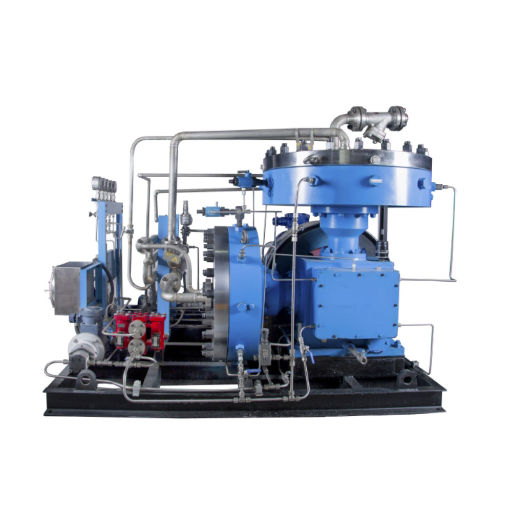
What is a Diaphragm Compressor?
The diaphragm compressor is one of the positive displacement compressors in operation. They employ an elastic diaphragm in pumping the gas as opposed to the piston compressor. This implies that the gas never has any actual contact with the machine elements, making it most desirable for a non-contaminatory atmosphere. This particular feature allows oil-free compression and the application under its greatest operating condition, that of where gas purity is of prime concern. These machine parts do not need any lubricant or oil, which might easily contaminate the process gas.
Importance of Diaphragm Compressors in Gas Applications
When it comes to the purity of gases retained and prevention of leaks, diaphragm compressors are the number one choice to go along with. The acceptance of these compressors in different sectors including semiconductor manufacturing, pharmaceuticals, and chemical processing goes hand in hand for the handling of corrosive or specialty gases without any contamination. These compressors are ideally suited for applications in which the handling of hazardous gases, particularly involving other forms of contamination, need be avoided. Thus, diaphragm gas compressors help compressing hydrogen and other delicate gas mixtures. Such applications also necessitate their use in offering gas compression services to multitudes of industrial users.
Overview of Industry Trends in Gas Compression
The prospect of compression equipment would be altered over time, with an emphasis on high-level energy efficiency, reliability, and adaptability. The desire for high-pressure diaphragm compressors increases in applications for hydrogen and other energy solutions. Manufacturers design advanced diaphragm compressors to meet strict specifications and API standards. The growing trend in this market will allow aftermarket service and support for the gas compressors to greatly enhance their full working power and life. Innovations in diaphragm material and configuration are expanding the ability of compressors to take in variable flow mixes and gas mixtures.
Industry Directory
Profiles of the Top 15 Diaphragm Compressor Manufacturers

Manufacturer Quick-Reference Table
| # | Manufacturer | Founded | Key Advantage | Key Limitation |
|---|---|---|---|---|
| 01 | Pangeng | 15+ Yrs | High precision & innovative designs | Limited public company history |
| 02 | Howden | 1854 | Sustainable & customized solutions | Premium pricing |
| 03 | DENAIR | N/A | Energy-saving focus | Limited global presence |
| 04 | Atlas Copco | 1873 | Advanced technology & efficiency | High initial investment |
| 05 | PDC Machines | 1977 | Custom hydrogen solutions | Primarily hydrogen-focused |
| 06 | Gardner Denver | 1859 | Extensive range & engineering expertise | High market competition |
| 07 | Sollant | 2002 | Reliable oil-free performance | Limited recognition outside Asia |
| 08 | Ariel Corporation | 1966 | High reliability & performance | Focused on energy sector only |
| 09 | Fluitron | 1976 | Leak-free & contamination-free | Limited product range |
| 10 | Beijing Tiangao | 2001 | Safety & reliability focus | Limited international reach |
| 11 | Hydro-Pac | 1972 | Custom solutions & high durability | Niche market focus |
| 12 | Newport Scientific | 1979 | Leak-free & contamination-free | Limited global presence |
| 13 | Gas Compressors Ltd | 2000 | Tailored solutions & timely delivery | Smaller scale operations |
| 14 | Sichuan Jinxing | 1995 | Strong clean energy focus | Limited international ops |
| 15 | KNF Neuberger | 1965 | High-quality & versatile products | Higher cost for premium features |
* Scroll horizontally on mobile to view full table
Manufacturer Quick-Reference TableKey Performance Indicators for Evaluating Diaphragm Compressors

01
Efficiency Metrics in Gas Compression
To evaluate the performance of diaphragm compressors, efficiency parameters are of utmost importance. These may be the ratio of energy consumption per unit of gas compressed, the flow capacity in flow in terms of psi at definite pressures, and the overall energy efficiency of the gas compression process. In the case of a diaphragm compressor registering high efficiency rates, the energy loss would be significantly minimized, which would stand to lower operating costs and reduce environmental pressures. Therefore, the energy-efficient compressors would typically perform their best on a return of investment basis, especially for continuous plant compressors concerned with hydrogen and similar gases.
02
Maintenance and Reliability Standards
Maintenance and reliability must be assessed for a diaphragm compressor. Compressors that have ease of maintenance can really shorten downtime and cut long-term operational costs due to the time it takes to access its serviceable parts. The factors also determine ease of access to replace some of the components in case of damage, frequency to service them, and, last but not least, availability of aftermarket services. The significance of static seal reliability and diaphragm configuration cannot be underestimated when considering the compressors’ performance and lifespan, in particularly handling corrosive or specialty gases. Reciprocating compressor systems have to keep stringent maintenance schedules to guarantee gas purity.
03
Cost of Ownership and Return on Investment
Cost of ownership and return on investment is more than the initial purchase cost of diaphragm compressors. This, in addition to the energy consumption, also results in maintenance expenses and a life cycle of critical components like the diaphragm and static seals. Compressors with good ROI improve long-term value by downgrading downtime, lower operating costs, and consigning optimum performance. These are the parameters to reflect upon and not let the diaphragm compressors compromise the very operation or financial goals the application is attempting to achieve, especially in applications demanding such conformity as hydrogen services.
Market Trends in Diaphragm Compressors
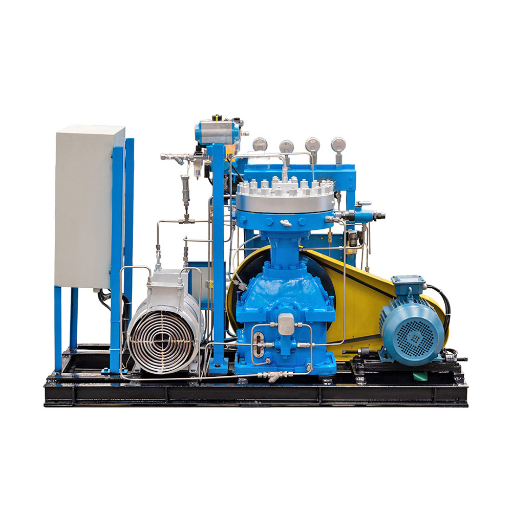
Trend
Shift Towards High-Purity Applications
High-purity application seems to be fast becoming the name for the game for compressors that require advanced diaphragm technology. Now more and more industries are becoming ultra-critical about the purity in the process gases from gas compression requirements, and industries like pharmaceuticals, semiconductor manufacturing, and specialty gases all need it. Thus it is necessary that the diaphragm compressor designs also have leak-tight construction and static seals that must be superior to conventional designs. If it is necessary for the cassette to prevent any impurities, no gas contamination should be inflicted. Owing to the extremely strict purity specifications, the reciprocating compressor systems must ensure gas integrity throughout the compression process.
Trend
Emergence of Hydrogen as a Key Market Driver
The rise of hydrogen as catalyst of the diaphragm compressors industry has been driven by the rising interest in activities such as interest in hydrogen resources, fuel cell applications, energy situations, and industrial-based undertakings. Sealing the hydrogen safely and efficiently requires a special class of Diaphragm-compressor that equips itself to handling the hydrogen’s peculiar properties adequately. Gas compressor prevents leakage from occurring thereby maintaining gas purity and under no circumstances should the process gas contaminate. High demand for hydrogen has generated specifically designed Diaphragm compressors which could accomplish both high pressure and gas purity while still ensuring energy efficiency. These compressors cater to hydrogen production industries and hydrogen utilization in general.
Trend
Technological Innovations in Compressor Design
Technological innovations are in constant upgrade and never fail to provide necessary improvements as far as diaphragm compressors are concerned in order to guarantee desired performance and reliability. Manufacturers concentrate their attention on enhancing diaphragm material, static seals with better performance and vertical compression frame configurations, aiming to improve gas compression performance. To further enhance the overall system performance, one may also consider remote monitoring systems, advanced cooling technologies, and variable-speed drives. The rating for the entire assembly provided them with an opportunity to improve precise, tailored performance levels for gas compression under different compositions and requirements such that the compressors are able to fulfil full-load duties while in dynamic conditions.

How to Compare Diaphragm Compressor Manufacturers
| Comparison criterion | What to review |
|---|---|
| Gas and purity requirement | Confirm the proposed configuration is documented for the intended gas service and cleanliness requirement. |
| Pressure and flow duty | Compare the stated operating envelope with the project’s required inlet, discharge, and flow conditions. |
| Sealing and oil-isolation approach | Ask how the gas path is separated from the drive system for the proposed design. |
| Materials and documentation | Review material compatibility, drawings, test records, and applicable project standards. |
| Service support | Clarify spare parts, inspection intervals, commissioning support, and escalation contacts. |
For a product-specific discussion, see the existing diaphragm hydrogen compressor page and the site’s diaphragm-versus-reciprocating comparison. PanGeng’s differentiators should be evaluated against the same documented duty, materials, and service criteria applied to every supplier.
// SYS-DOC: WHY I WRITE THIS
[01] About PanGeng
PanGeng is an industrial gas compressor manufacturer based in Bengbu, Anhui, China. Since 2009, we have focused on the design, R&D, production, and manufacturing of customized gas compressor systems for oilfield, chemical, energy, hydrogen, nitrogen, biogas, and industrial air applications.
[02] Our Expertise
We write compressor guides based on real manufacturing and engineering experience, including hydrogen compressors, nitrogen compressors, booster compressors, medium and high-pressure air compressors, oilfield nitrogen injection systems, biogas compressors, and OEM/ODM custom compressor solutions.
Our engineering team supports customers from application analysis and compressor selection to production, factory testing, commissioning, spare parts, and after-sales service.
[03] Why You Can Trust This Content
The technical information in our articles is based on PanGeng’s in-house compressor design and manufacturing experience, current product capabilities, and project support for industrial clients in global markets. Our goal is to help buyers understand compressor types, pressure ranges, gas requirements, customization options, and long-term operating costs before making a purchasing decision.
CONTACT PROFILE
AUTHORITATIVE SOURCE
NAME
PanGeng Engineering Team
BRAND
PanGeng
COUNTRY
China
MODEL
B2B / OEM & ODM
EMAIL
pg20090705@163.com
PHONE
0552-4958225
WEBSITE
pgcompress.com


Trending now

![Low Pressure Hydrogen Compressor Applications [Guide]](https://pgcompress.com/wp-content/uploads/2026/09/low-pressure-hydrogen-compressor-applications-blog-featured-150x150.png)