Get in Touch with Pangeng

Hydrogen Recycle Compressor in Refineries: Design, Selection & Operational Best Practices

Contents
show
In recent years, the use of hydrogen recycle compressors has become crucial in contexts of industrial development and sustainable production. This includes practices such as catalyst reforming, hydrocracking, and hydrotreating. Recycling is necessary to ensure that the quantity of hydrogen in the loop remains the same and hence aids in improving the overall effectiveness of the system. For any plant that aims to enhance productivity, reduce overhead expenditures and limit pollution, the modification, application, and upkeep of the hydrogen recycle compressors are detrimental. This post will be useful in understanding the nature and need of these appliances, providing a detailed discussion on the principles of design adopted in their configuration, basic criteria used in selecting a compressor and operational norms in order to attain their high efficiency levels.
Design Considerations for Hydrogen Recycle Compressors
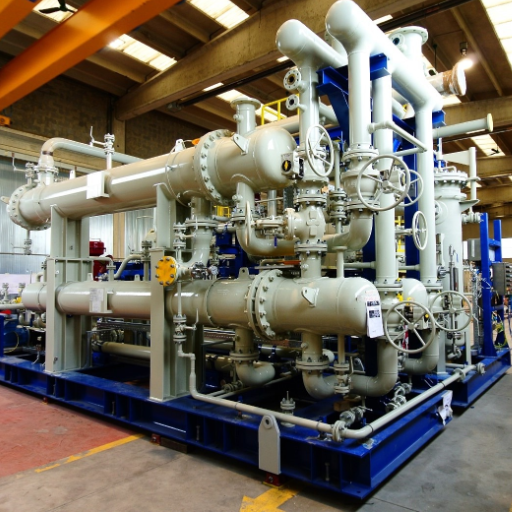
When discussing the design of hydrogen recycle compressors, as the hydrogen has a high diffusivity and molecular weight, efforts should be made in a way favoring most efficiency, reliability and safety. Below are the critical solutions to be taken into account:
- Material Selection: It is preferable to get components of hydrogen recycle compressors to be high-strength stainless steels or nickel-based alloys if the same do not embrittle or tend to crack when hydrogen is applied.
- Sealing Mechanisms: Business and operational efficiency of all the separation methods (more) than a non-transparent hose clamping, including the so-called “dry gas seals” to reduce leakages and make safe equipment operation simpler.
- Capacity and Pressure: Hydrogen recycle compressors must comply with the pressure and flow rate characteristics of operation cycles, providing optimum efficiency when operating at a range of pressures.
- Cooling Systems: While compressing hydrogen, different energy wastages are generated, in the first step cooling and heat-transfer systems are arranged such that the hydrogen-cooling process can turn out to be maximal, to avoid disturbing camera stress.
- Rotordynamics: Rotordynamics are essential to the design of high-speed rotating turbomachinery, such as centrifugal compressors, pumps, steam and gas turbines, where vibration and rotor stability are of primary concern.
In view of the foregoing, the design allows for a meaningful utilization of resources without compromising the safety prerequisites of hydrogen handling.
Material Selection and Hydrogen Compatibility
While the suitability of materials for components operating in hydrogen environment needs to be evaluated and selected, the material which is used for furnishing any components or indeed the part of the components contributes to the system integrity and all engineers are expected to be aware of that. Dealing with hydrogen is no exception. It is generally accepted that hydrogen can be absorbed by most metals and the effects of these challenges can be mitigated by selecting materials which are not susceptible to hydrogen embrittlement. This includes, for example, 316L grade of austenitic stainless steel or nickel-based alloys with the appropriate resistance to hydrogen-induced degradation.
There are also aspects of hydrogen resistance of polymers that are relevant for such applications as sealing, especially in case when the pressure and temperature levels vary. Particular is that perfluoroelastomers and materials based on polytetrafluoride are known to be compatible. Additionally, other maintenance materials are prescribed by the complementary requirements of sealants certified for service in hydrogen-containing flow, such as epichlorohydrin-made rubber sealants, which offer high level of retention of sealing characteristics under centralized conditions.
Compressor Configuration and Process Integration
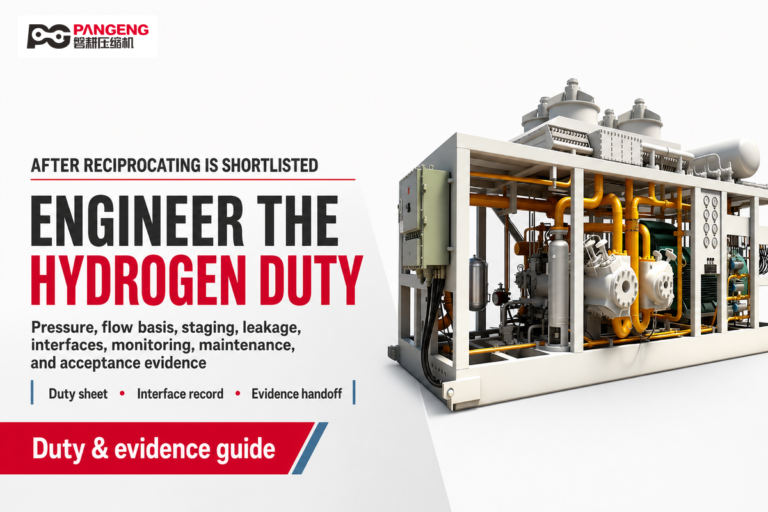
One of the crucial aspects of very high hydrodynamic operation systems is the design of hydrogen recycle compressors. Typically, hydrogen handling compressors of this kind are either centrifugal or reciprocating types depending on the requirements such as flow rate, pressure ratios and downstream systems. The centrifugal compressors are preferred in situations with high capacity requirement because of the continuous capacity range which they have and a compact design. On the other hand, reciprocating compressors are convenient for high-pressure, low volume applications by providing the simple technical solution.
Hydrogen recycle compressors can profit from thorough system design adjustments where the compressors are thermally balanced against other functions of the system. The main issues are accurate maintenance of the suction and discharge temperatures, incorporation of in-between cooling to remove heat and employed materials that can safely withstand the hydrogen liquid medium and prevent loss of liquid hydrogen. It would be advisable to include proper pressure and thermal relief systems, as well as anti-surge components and even means for measuring vibrations in this system for better performance and reliable operability when the system is used.
Safety and Compliance Standards
Hydrogen recycle compressors are compressors which recover and compress waste hydrogen for reuse and they have to comply with the strictest isotopes if not the greatest safety and regulatory considerations due to legal requirements and the requirements of the industry itself. To begin with, relevant specifications encompass the umbrella of the ASME Boiler and Pressure Vessel Code, which pertains to such instruments as turbosqueezers and compressors with hydrogen. Concerning reciprocating and rotary compressors, API 618 and API 619 also address two essential aspects – mechanical design as well as operations and performance test of the devices.
As a precautionary measure against the potential dangers of hydrogen and its possible diffusion and flammability, precautions of high natures such as fire safe and gas proof enclosures, resultant hydrogen and gas leak sensors and control devices need to be affixed into the installation. The employment of IECEx or ATEX directives guarantees that the electronic appliances present in dangerous places have been fully qualified. Integration with sophisticated condition-based monitoring systems such as predictive maintenance incorporating vibration analysis and temperature analysis, minimizes mechanical failures and hence operational risks.
Improvement in environmental quality, as discussed with ISO14001, for instance, is generally about reducing pollution and keeping systems leak-proof to avoid the emission of hydrogen into the air. Moreover, the Occupational Safety & Health Administration or OSHA, is responsible for promoting operational safety among workers through proper training curricula and encouragement of Personal Protective Equipment or PPE. Direct support of these paradigms by hydrogen fueling stations in their locality serves to increase the operational safety at those hydrogen fueling stations and also complies with the standards of different hydrogen energy activities.
Criteria for Selecting the Right Compressors
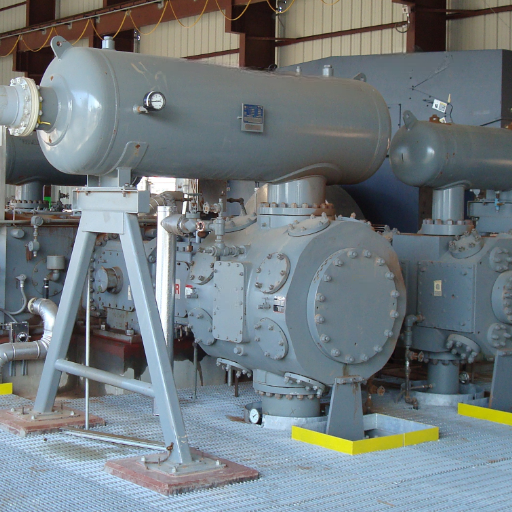
- Pressure Requirements: Specify those compressors that can maintain the required pressure non-intrusively for your specific applications. Determine whether the compressors should have low, moderate or high pressure capacities according to the system operation requirements.
- Flow Rate (Capacity): Another consideration should be the compressor that can handle the expected flow rate without either providing too much or not enough air to operate.
- Efficiency and Energy Consumption: Choose a high efficent compressor, because it is one of the factors, that includes the operational expenditures minimized alongside reduced negative effects on the environment.
- Reliability and Durability: Most of all, it is essential to choose the equipment that has a high level of reliability for continuous or heavy duty operations because this will help lengthen the appropriate operational life of the equipment.
- Material Compatibility: In the compressor system, ensure that the materials incorporated do not react with gas during the process which may result to corrosion or contamination.
- Safety Features: They should have a pressure release valve as a security measure and other safe mechanisms such as temperature regulation and monitoring devices that will help minimize risks when using them.
By the above mentioned evaluation, one can ensure that the compressor installed meets the technical and operational needs.
Performance Metrics and Efficiency
Performance of hydrogen recycle boosters is measured mainly by the amount of discharged gas, pressure, efficiency and reliability, where the flow rate as the amount of the gas discharged into the measure is stated in cubic feet per minute (CFM) or standard cubic meters per hour (SCMH). The company’s recycle capacity tells exactly how much hydrogen can be circulated, such that the system capacity will support increased recycle levels effectively without decrease in output efficiency. The discharge pressure is the pressure at which gas exits a vessel or equipment. Discharge pressure is also a controlling factor on rotating equipment, particularly in high-pressure hydrogen service. Many new technologies include several cylinders which are assembled in series in order to improve discharges while at the same time use up the least energy available for the same discharge.
Another very considerable aspect is efficiency which is frequently described in terms of the work principles or polytropic work factors. More efficient compressors make the latter’s cooling loads lower and less energy intensive to operate which is facilitated by less operating costs. The efficiency of the system can be increased by the use of energy recovery systems, such as the heat exchanger, in recovering energy during operation. Reliability has been regarded in terms of parameters such as Mean time between failures (MTBF) and maintenance plan failure rate. Those and such other compressors should be engineered with such materials and components that would possess these features and extend the maintenance windows, especially in the corrosive and harsh application environments.
Application-Specific Requirements
A very vital role of hydrogen recycle compressors can be mentioned in such applications where there is a need for optimum efficient, robust compressors integrated into process systems. Particularly in the oil industry, where there are large petrochemical plants, the compressors should be designed to work since the pressures involved are very high. Key characteristics of these types of compressors include experience in handling very low molecular hydrogen with low viscous friction and hence governing very high speeds as well as very delicate components that obviate leakages and hence losses of energy.
Whereas the chemical industry can operate with the relatively simple requirements for compatibility with diverse catalysts and absence of impurities, the requirements for compressors in some areas such as Hydrogen production and Fuel cells are designed to work with electrolyzers or reforming units having to consider accommodating pressure and the gas flow being in the same frequency. Noise and vibration levels also assume importance in certain cases, for example, when it comes to the noises that can be tolerated in respect of urban centers or enclosed areas where the location may require the use of absorption facilities above the normal levels.
Modern trends, including the push for green hydrogen production, give prominence to the use of resources in the most efficient ways possible, while causing minimal harm to the environment. As such, the traditional compressor equipment has to be capable of carrying out the task on renewable sources of energy, which in turn calls for a quick advancement of speed control and control techniques. The importance of the oils and gas custody and offshore storage business can not be over emphasized. API 618 and API 672 apply and ensure the compressors conformance to stringent standards and safety criteria set, and thus make them a vital component of the hydrogen storage infrastructure growth.
Types of Compressors
|
Type of Compressor |
Key Features |
Common Applications |
Efficiency |
Maintenance Requirements |
|---|---|---|---|---|
|
Positive Displacement |
Uses pistons or rotary screws |
Industrial gas compression, HVAC systems |
High at low flow rates |
Regular lubrication, part checks |
|
Centrifugal |
High-speed rotating impellers |
Gas pipelines, power plants |
High at large flow rates |
Moderate |
|
Axial |
Axial flow of gas through blades |
Aircraft engines, power generation |
Very high for large volumes |
High maintenance demands |
|
Reciprocating |
Back-and-forth piston movement |
Oil refineries, chemical plants |
Medium to high |
Rebuilds for wear components |
|
Rotary Screw |
Rotating helical screws for compression |
Refrigeration, industrial applications |
High for continuous use |
Low to moderate |
|
Diaphragm |
Flexible diaphragm to compress gas |
Oxygen, hydrogen production |
Very high for specific gases |
Precise upkeep required |
|
Scroll |
Spiral elements for compression |
HVAC systems, refrigeration units |
Medium, reliable operation |
Low maintenance |
|
Liquid Ring |
Use of liquid seal for compression |
Wet gas, vapor recovery |
Moderate |
Seal liquid monitoring |
Operational Best Practices of Hydrogen Recycle Compressor

- Routine Monitoring and Maintenance
Inspection of the compressor for wear and damage should be done regularly, and the key components to focus on would include seals, rotors, as well as bearings. - Optimal Operating Conditions
It is equally important to operate compressors at optimum settings with respect to pressure, temperature, and volumetric flow. As deviations are initiated, it may cause a decline in efficiency and may result in stress or damages to the equipment in the operation. - Lubrication Management
To prevent excessive heating and decreased friction, use the appropriate quality and quantity of the lubricant. Lubrication replacement as well as topping up should be done at its regularity so that friction is minimized on any moving parts. - Gas Quality Control
The feed gas should be well dried before it is pumped into the gas feed. Employ such filtration of contaminants in order to protect the system components and to maintain the system’s regular performance. - Training and Safety Protocols
There should be a structured program on the safe handling of the equipment for the staff in the training. In case there is any other risk in the operations, adherence to safe operating procedures should be granted to both in-house and other workers.
Maintenance and Inspection Protocols
It is important to inspect and maintain the hydrogen recycle compressors available in oil refineries as one of the primary ways to guarantee that operation is reliable and free from hazards. However, it will be beneficial for each of them to be lubricated on each occasion they are assembled, checked and dismantled in order to reduce component wear, also, the components must be periodically regauged. And one more detection technology is used to confirm technical health: checking sync differences and making sure that the sensors deliver proper output voltage.
For able audit scrutiny, it will be essential to narrow the focus on the rotor, seals, bearings, and casings as these structures are subjected to persistent physical force. Modern methodologies of structural health monitoring that employ sensors having local perception of their environment are capable of preventing failures and prioritizing detection of early damages. It is provided that the inspection and maintenance schedules meet the highest technological norms taking into account recommendations of, e.g., OEMs (Original Equipment Manufacturers), industry norms such as API 617 and others.
Monitoring and Diagnostics
Hydrogen recycle compressors that are used in the operation of the refinery are monitored with advanced detection methods and analytical tools. By the same token, machine-learning and data-driven capabilities delivered by new systems enable much reliable detection of off-normal states and prediction of subsequent destruction even in challenging operational environments. Moreover, the integration of vibration analysis with thermodynamic data in the fault diagnostic study allows detecting (*identifying) causes of faults of all probable components of the compressor. With the help of dynamic pressure readings, it is also possible to find out where the inefficiencies are originating for particular compressor stages.
If you would also like to comprehend the essence of Industrial Internet of Things (IIoT), let me add that the more these devices integrate the more capabilities they expand. Operational data on the equipment can be gathered in real-time from the equipment itself and analyzed. And this capability enables the centralization of operations of preventive maintenance. Predictive maintenance assists with understanding the operating history, wear trends of a system or its components and can enhance the equipment’s lifespan by mitigating any potential adverse downtime with basic information about the operating performance of the equipment.
Training and Safety Measures
The operation of hydrogen recycle compressors in refineries is a subject that is critically important for all stakeholders. If the compressor is not operated safely, there could be major catastrophes. Some specific facilities in such a situation would have extensive “safe” implementation and preventive action plans. Training and orientation centers are also set up in most organized companies in order to create an understanding of safety and environmental duties to all employees. Most of the developed countries therefore require companies to assess the health and safety risk of their services such as compressors.
Rigid procedures must be followed in safety management systems, benchmarking within the respective industry some standards like API 618 and API 672 which establish guidelines for the designing and operation of reciprocating and centrifugal compressors separately. This has to be an integral part of the management of the plant and its preparation to a large extent, regular checks, and monitoring systems guarantee the safe state of the operating parameters. Systems, to include the failure of the plant, maintenance or degradation of the structure with no warning, must then be documented in order to assist in the recovery between the release of the hazardous substance and its overall toxicity of such systems.
When the emission and operation in a chemical processing facility are combined, the operating / and / downstream health and safety issues become acute. All stakeholders must understand that the plant is not just another production equipment but a plant with very high safety risks as well. Every business has its vision, but the most important is how best to protect it from becoming disabled by the risk of hydrogen recycle compressor failure.
Innovations and Future Trends of Hydrogen Recycle Compressor

Prospects of using hydrogen recycle compressors in refineries with an enhanced thermodynamic efficiency and extended life span are promising. At this advanced stage, enhanced materials are being found, which can handle higher pressures and temperatures, thus improving the useful life of compressors. Automation is likely to provide even more benefits and risks; for example, there will be more predictive maintenance services based on the artificial intelligence approach. It gives sensors the opportunity to define the input and output of a real-time processed information. This eliminates many instances of equipment downtime and helps in the reduction of energy wastage.
Also, the present day realization of more eco-friendly industries is making companies invest in the type of compressors manufactured, while keeping carbon emissions as low as possible. Larger companies are applying certain clean technological strategies in these industries like oil free compressors and new seals that are in the pipes and vessels. All these initiatives expect to enhance performance capabilities, cost reduction measures and address future sustainability needs.
Advances in Compressor Technology
Thanks to the latest innovations in modern compressor technology, such as the use of high-performance materials that reduce energy consumption as much as possible, especially the energy efficiency has increased significantly in the sector. Lightweight materials, new types of ceramics and composites now also help reduce irreversible losses, and regulate temperatures efficiently inside the compressor. By managing effective consumption of energy, and enhancing the ability of structures to withstand effects of aggressive environments, these materials are targeting inadequate consumption and the need for low energy materials.
For example, the use of these materials, helps in reduction of friction in the moving parts of the compressor by providing advanced wear resistant coatings that allow efficient banishment of energy, calorie (heat) and mechanical. These introduce in compressor operation, high motor efficiency, performance, or renewable gas streams. These newer approaches are essential as there is a push towards producing or utilizing goods and services in a more environmentally friendly manner.
Sustainability and Energy Recovery
Modern technologies with the help of hydrogen compressors for recycling seem to play transformative roles in the world of industrial processes. For example, this is made practically possible by the recent developments in the operation of compressors, which contain advanced mechanical designs that economize the use of power by utilizing directly driven compressors with no gear stage and which in some instances use magnetic bearings and advanced high power jack shaft geared motors. There is also a major reduction in wear on the component as use of a lube system is done away even though this leads to the more conventional bearings. Energy consumption is over and above this further reduced with the use of advanced heat exchange devices, where in heat recovered during design of operation is exploited such that feed gas meet temperatures as low as certain preheated levels preheated and energy used in the generation of steam is exploited in other functions.
In addition, the development of hydrogen reshuffle compressors has been marked by changes in the operating conditions which allows for working with variable parameters depending on the needs of the process. This flexible design has helped to handle the restriction of the emissions without the costs of production becoming overly prohibitive. Furthermore, the development of engineering materials such as alloys offer improved strength and corrosion resistance that enhances functioning of the material and thus achieves zero waste over the lifetime of the system. All these advancements and changes in the design of the hydrogen recycle compressors highlight the fact that they are fundamental components in the realization of the energy conscious and sustainable industrial systems.
Market Trends and Growth Projections
It has been recently forecasted in market studies that this area will be increasing with a compound annual growth rate (CAGR) of more than 6% over the next ten years. The forecast is also driven by enhanced technologies in electrolysis and steam methane reforming which create a demand for high hydrogen closure in the systems so that hydrogen is maximally reused and no waste is produced. Furthermore, clean hydrogen schemes and projects on hydrogen infrastructure such as refuelling stations for mobile applications and industrial use have contributed to the expansions of these industries.
To add, the emerging markets in different regions have different potential with Asia-Pacific taking the lead due to the extensive use of industries and vehicles in the likes of Japan, South Korea and China, with their emphasis on hydrogen-fueled cell vehicles and industrial applications. Also, Europe and North American markets are key as well, particularly as they are given uncontested priority by the government in the development of hydrogen economy initiatives with emphasis on exploration and development of hydrogen system technologies. This vibrant watermelon growth spurt is indeed representative of an increase in solicitations across various territories to acceptable energy responsibilities level and this should shore the hydrogen recycle compressor as a ubiquitous machinery requirement to meeting these targets.
Case Studies and Practical Insights
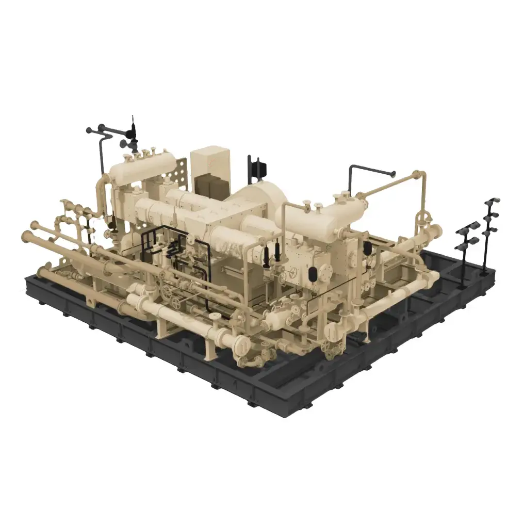
A certain refinery in the Middle East chose to use avant-garde hydrogen recycle compressors in dealing with hydrocracking processes. The said measure made it possible for the plant to realize about 15% growth in hydrogen content, while a simultaneous reduction in the consumption of energy by about 10% could be noted. This enhancement ensured that the refinery’s effectiveness in the utilization of energy and return measures remained substantive reducing the dependency of the refinery on energy and its attendant costs.
In another country, North America, a refinery complained of increase in maintenance costs and had to change their hydrogen recycle compressors with the modern more efficient models. The compressors required less maintenance as compared to the previous ones and at the same time professionalism has increased at the expense of their reliability, allowing for a 20% downdecline in the annual cost of fighting against operation. This expenditure break-even period of the return on the investment was less than two years while sustaining its many levels of production.
Successful Implementations in Refineries
Recycles gases at a European refinery have also just acquired a new lease of life, featuring advanced diaphragm institutionalized, precise monitoring and control systems equipped with variable frequency drives. Via the new systems effective retrofitting, there are design improvements made to the refinery’s conditioning system which enable the compressor power to be adjusted flexibly as regards the process requirements fluctuations. The use of condition based monitoring system equipment has also these improved facilities in relation to maintenance, improved operability of processes and maintenance, lowered cost and virtually eradicated any equipment breakdowns hence reducing delays considerably. With these refinements, overall efficiency of the refinery had improved by a 15% rate whilst also extending the life of major equipment components by nearly 30%, thus connoting huge improvements achieved through the use of recent technology in compressors.
In Asia, a refinery applied the modern hydrogen recycle compressors in the refinery to provide optimum process integration and minimize the loss of resources. By operating new high capacity models that can perform their activities under varying loads, the facility curbed hydrogen escape and increased total yield of the plant. As a result of this change, there was a 10% reduction in energy consumption in the hydrogen unit. Indisputably, the introduction of smart control systems also reduced operational inefficiencies and provided operators with the ability to track performance indicators and comply by the response in a timely manner from the subject of the deviation.
Recommendations for Refinery Operators
In the context of improve the engines, the first and foremost priority for refinery operators should be the application of ultra-modern systems of equipment monitoring – recycle compressors. And specifically, unreserved malfunction repairs require waste of valuable on-reset stock of equipment, materials and human resources. The current solution resolves the investment issues, there are also risks associated with production processes, the necessity of why it is vital to improve this system. These systems use a set of techniques in vibration analysis, temperature measurement, and maintenance of sensors, in order to identify the first signs of damage or failure, thus allowing repair on time.
And also the efficient use of the compressor charge can be achieved through regular maintenance of control systems and utilization of waste heat in order to lower costs of operation. Furthermore, shift the focus to redesigning the unit and its components, considering usage of modern examples like magnetic bearing or gas seal instead of oil seals in order to increase efficiency and reduce maintenance. Managing equipments or devices is more challenging since there is need to learn the specified procedures on maintenance and safety for each new system or installation. In addition, the procedure of identification of role and responsibility is intended to ensure smooth and efficient activities within the refinery complex.
// SYS-DOC: WHY I WRITE THIS
[01] About PanGeng
PanGeng is an industrial gas compressor manufacturer based in Bengbu, Anhui, China. Since 2009, we have focused on the design, R&D, production, and manufacturing of customized gas compressor systems for oilfield, chemical, energy, hydrogen, nitrogen, biogas, and industrial air applications.
[02] Our Expertise
We write compressor guides based on real manufacturing and engineering experience, including hydrogen compressors, nitrogen compressors, booster compressors, medium and high-pressure air compressors, oilfield nitrogen injection systems, biogas compressors, and OEM/ODM custom compressor solutions.
Our engineering team supports customers from application analysis and compressor selection to production, factory testing, commissioning, spare parts, and after-sales service.
[03] Why You Can Trust This Content
The technical information in our articles is based on PanGeng’s in-house compressor design and manufacturing experience, current product capabilities, and project support for industrial clients in global markets. Our goal is to help buyers understand compressor types, pressure ranges, gas requirements, customization options, and long-term operating costs before making a purchasing decision.
CONTACT PROFILE
AUTHORITATIVE SOURCE
NAME
PanGeng Engineering Team
BRAND
PanGeng
COUNTRY
China
MODEL
B2B / OEM & ODM
EMAIL
pg20090705@163.com
PHONE
0552-4958225
WEBSITE
pgcompress.com

Trending now

![Low Pressure Hydrogen Compressor Applications [Guide]](https://pgcompress.com/wp-content/uploads/2026/09/low-pressure-hydrogen-compressor-applications-blog-featured-150x150.png)