Get in Touch with Pangeng

What is a Booster Compressor: Understanding the Booster and Compressor Systems

Contents
show
Function
Pressure Elevation
Energy Savings
Up to 30%
Pressure Range
13 bar → 40 bar+
Drive Types
Electric / Diesel
Stages
Single / Multi
Ensuring effectiveness and efficiency of any system that demands high pressure outputs in industries is a key role of a booster compressor. What also recurs in people’s minds is the fact that what is a booster compressor and how is it different from other compressor systems? This paper provides an insight into the installation of booster compressors, how they work, and the benefits they provide. Irrespective of what your experience within the industry is you wish to increase your awareness or you are a novice, this article will seek to produce simply elaborated solutions to complex systems. Eventually, you will understand what a booster does and many high pressure sites could not do without them.
Introduction to Booster Compressors
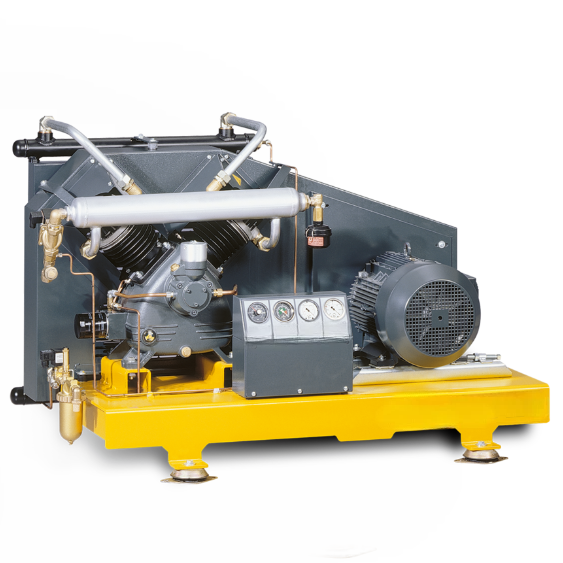
Booster compressors are unique pressure-increasing machines for use in boosting an already-compressed gas. Widely used in applications requiring pressures higher than those normally developed by standard compressors, those compressor systems can provide boosts of pressures to be used in different types of industrial plants such as gas transmission, manufacturing processes, or energy storage. They work efficiently and effectively by taking in gas at a certain pressure, compressing that gas further. Booster compressors assist in delivering on-demand high-pressure operations while achieving the tasks of efficiently creating pressure.
Definition and Importance in Industrial Applications
Definition of Booster Compressors
Booster compressors are designed to increase an initial gas pressure to a higher value, typically at pressures much higher than those supplied by other normal compressors. As per industry standards and their applications, they play an indispensable role in sectors like petrochemical, automotive, and aerospace. The boosters cater to specialized processes such as nitrogen boosting for laser cutters, hydrogen compression for fuel cell technology, or natural gas storage and distribution.
Present-day booster compressors are increasingly energy-efficient, come with advanced control systems, and are amenable to various sustainable and high-precision industrial applications. The multifunctionality of booster compressors puts them out as an essential component in the operation of high-pressure systems that need adaptability and reliability.
Key Sector Applications
Petrochemical
Automotive
Aerospace
Energy
Manufacturing
Healthcare
Automotive
Aerospace
Energy
Manufacturing
Healthcare
Importance in Industrial Applications
Booster compressors are at the core of an assortment of industrial applications, required to provide such high-pressure solutions necessary for operations to be performed in a very efficient manner. These compressors find themselves the most common in industries like manufacturing, energy, and healthcare. Nitrogen at very high pressures, for example, underwrites clean and precise cuts in laser cutting; in the energy sector, boosting hydrogen supports in the fuel cell-based renewable energy initiatives. Moreover, they guarantee the safe storage and distribution of natural gas for industrial and commercial usage. Developments in energy-efficient designs complemented by e-control systems in current compressors further assure their reliability, sustainability, and adaptability, thereby making them indispensable in boosting productivity and driving operational cost reductions across an array of industries.
Working Principles of Booster Compressors
Booster compressors work by compressing a gas that has already been compressed by a primary compressor further to increase it to the desired pressure level. The process includes gas intake at an initial pressure level, further compression to raise the pressure level even more, and finally disposal for its application need. The purpose of further compression is to give a compressed gas at the highest possible pressure required for industrial purposes, storage, or distribution.
Step 01
Gas Intake
Inlet valve draws in pre-compressed gas
Step 02
Piston Compression
Piston movement increases gas pressure
Step 03
Cooling
Heat offset to regulate performance
Step 04
High-Pressure Output
Gas exits via outlet valve to application
Booster compressors consist mainly of a cylinder, piston, inlet and outlet valves, and drive system. The gas goes in through the inlet valve, and the compression takes place by movement of the piston to increase the gas pressure. The gas leaves at a higher pressure through the outlet valve and is directed to any application like pneumatic tools, gas lines, or chemical processing. In some cases, the system is cooled during compression to offset the heat generated and helps in regulating performance.
Electricity, diesel, and other operational requirements for booster compressors come handy for a variety of applications that benefit the manufacturing, energy, and transportation sectors. By acting as efficient pressure elevators capable of carrying out their tasks in vital applications at optimal performance, safe handling, and profitably, booster compressors by all means create maximum utility. Their durability and productivity are also enhanced with periodic maintenance and inspection.
Types of Booster Compressors
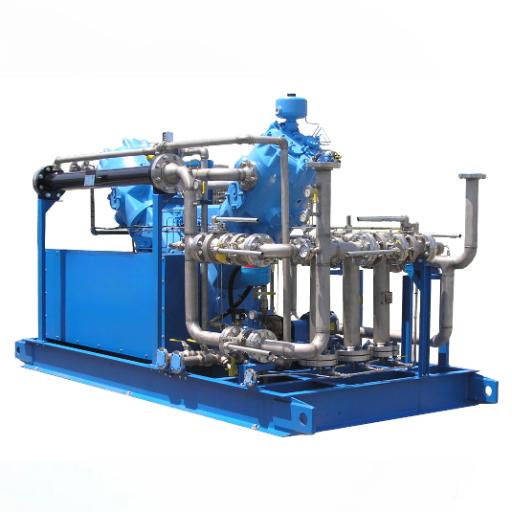
Air Booster Compressors
Air-booster compressors are fabricated to ratchet up pre-compressed air pressure for those applications that demand higher pressure levels. These include processes such as leak testing, pneumatic tool logging, and manufacturing systems designed for uniform and high-pressure air applications. Generally, these compressors are operated such that the pre-processed air, which is typically taken in from the supply system, undergoes additional compression to the desired pressure output.
Air-booster compressors are offered in a variety of designs, such as single-stage and multi-stage, to cater to multiple operating requirements. They achieve a reputation as being reliable, energy efficient, and capable of eliminating the need for whole new high-pressure systems, so that they are cost-effective in industries such as automotive, aerospace, and packaging. Proper maintenance involving regular inspection of numerous parts, especially seals and valves, will ensure long-term performance and minimum downtime.
Gas Booster Compressors
Gas boosters provide an extensive scope of services and are well adapted to critical gas pressurization needs in most manufacturing plants. Their operational application involves leak detection process, gas transfer system, cylinder recharging mechanism, and pressure checks. When choosing these systems, the operator should know that gas booster compressors can handle chlorine, high oxygen mixture, hydrogen, nitrogen, and silicon; thereby, they find a thousand uses in various sectors such as energy production, chemical manufacturing, medical technology, etc. The latest technology has significantly improved the efficiency range of the gas booster compressors, reducing energy consumption costs while resulting in more extended optimized safety measures.
Gas Types Handled
Chlorine
High Oxygen Mixture
Hydrogen
Nitrogen
Silicon
High Oxygen Mixture
Hydrogen
Nitrogen
Silicon
Presently, commercial entities are inclined toward energy-sufficient tools and equipment emphasizing an eco-friendly approach in their tools and networks. An updated gas booster compressing unit considers these requirements through a governing design, resulting in a judicious utilization of energy and the release of fewer contaminants. The best bet of industries must lie on compressors designed for particular industrial applications and backed by a rigorous maintenance plan to guarantee reliability and maximum execution.
Piston vs. Rotary Screw Booster Compressors
Piston compressors are robust and suitable for intermittent use with high pressure, while rotary screw compressors are efficient, quieter, and designed for continuous use.
| Parameter | Piston | Rotary Screw |
|---|---|---|
| Usage Type | Intermittent | Continuous |
| Efficiency | Moderate | High |
| Noise Level | Higher | Lower |
| Maintenance | Simple | Complex |
| Lifespan | Long | Medium |
| Pressure Range | High | Moderate |
| Cost | Lower | Higher |
Benefits of Using a Booster Compressor
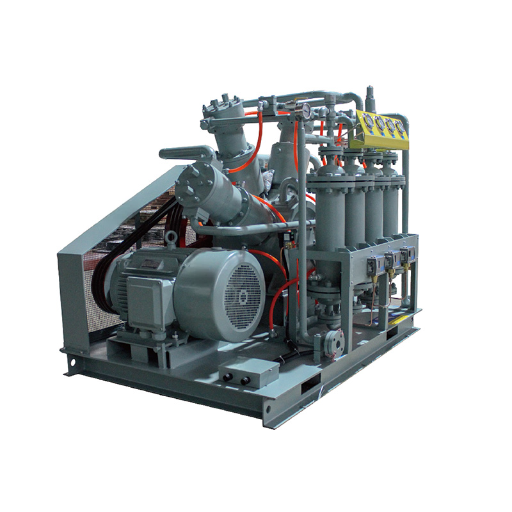
Cost Savings and Efficiency Improvements
Booster compressors are a key cost-effective eyebrow-raiser, as they work out the pressure rates needed for specific tasks for example, in industries, thus saving precious energy. The complementary borrowing term “booster” aptly describes the second compression of previously compressed air or gas, used to meet pressure requirements without placing the main compressor under the burden. This narrow unlittered application for the best energy consumption may be seen in minute but sure savings in operating costs.
In effect, the booster provides the necessary function of a precise pressure controller. Due to its high-pressure capability and the requirement for only one primary compressor to be connected to it, equipment-intensive situations with high-pressure discharge are minimized, reducing the complex system. Sufficient increase will surge the order in production volumes, decrease downtime, and saving the overall load of the system; thus, it is being set up for better productivity.
Equally important for the durability and life span of the system due to a reduction in costs resulting from efficiency improvements and the implementation of cost-saving technologies, booster compressors, by relieving the primary compressor of some of its load, reduce wear on the equipment, cost of maintenance, and critical component life. It is wise that industries, which require constant high pressure, consider investing in a booster compressor as its high productivity will yield dividends.
30%
Energy Savings
Based on current data, replacing a single larger compressor with a booster compressor under the same production would save as much as 30% in energy use. This can help lower operating expenses as well, making the booster compressor alignable with sustainability goals by reducing overall carbon emissions.
Enhanced Performance in Compression Systems
Booster compressors contribute to improving efficiencies of volume-controlled compressor systems critically in service to processes demanding high-pressures. An important feature of these compressors is their ability to boost the pressure of an existing system of compressed air or gas, and thereby dispose these strict requirements of the petrochemical, manufacturing, and energy industries. Booster compressors ensure the satisfaction of the required pressure levels with consistently high efficiency. These are all designed complete with modern advancements in engineering and optimization, ensuring flexibility to suit any practical design requirement.
Booster compressors are a robust solution to enhance the performance of any compression system by improving fuel efficiency, extending equipment life, and reducing maintenance costs. Booster compressors’ suitability for various commercial and industrial applications makes them a valuable ally for specialists focused on achieving and maximizing resources.
Flexibility in Gas Processing Applications
Booster compressors offer a high degree of flexibility in gas processing applications where they can meet different types of gases and different pressures. The latter are usually used to enhance gas recovery, transmission, and storage. This capacity of booster compressors allows them to flexibly navigate through evolving needs and various operating conditions, thereby maximizing throughput across all industrial settings. Moreover, they contribute to operating cleaner systems as they facilitate the recovery and reuse of valuable gases such that immense savings costs may be accrued through cost management and environmental conservation. Their versatility is what makes booster compressors a crucial element in improving gas processing workflows in industries.
Industrial Applications of Booster Compressors
Oil & Gas
- Pipeline gas transmission
- Gas recovery from wells
- Gas reinjection operations
- Fuel gas boost for turbines
- Vapor recovery systems
Manufacturing
- Pneumatic tools operation
- PET bottle blow-molding
- Material handling systems
- Laser cutting & welding
- High-pressure gas supply
Healthcare
- Ventilator oxygen supply
- Hyperbaric therapy
- Anesthesia delivery
- Surgical pneumatic tools
- Pneumatic hospital beds
Oil and Gas Industry Use Cases
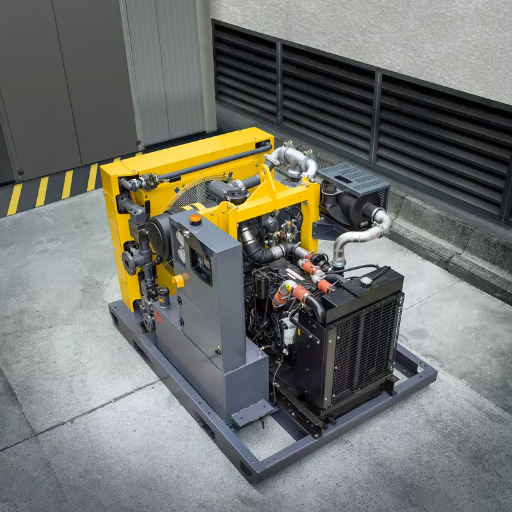
In the petroleum industry, booster compressors contribute to the proficient transport, storage, and utility of gases. They are primarily operated to augment the pressure of natural gas for its further transmission through pipelines by guaranteeing movement of gas amidst long distances. They are also associated with enhancing gas recovery from wells to ensure reservoir pressure and maximum production, thereby enabling operational efficiency and compliance with environmental regulations. They are indispensable in a work packet employing gases at varying amounts and at different pressures for operations such as gas reinjection, fuel gas boost for turbines, vapor recovery, and so on.
Manufacturing Sector Applications
The significance of booster compressors has grown largely for industrial processes because the compressors ensure the perfect operation of any high-pressure air demanding industry process or gas supply. The boosters may be used for a number of industrial applications, such as for pneumatic tools, blow-molding, material handling systems and the rest. PET bottle production, as an example, benefits from the high-pressure air from booster compressors to the bottle industry for making and blowing. The high-pressure gases are sent through the booster compressors supporting other processes, such as laser cutting and welding, whose requirements for efficient and precise applications can otherwise not have any advantage except under extreme pressure. Booster compressors are absolutely necessary for maintaining the reliability and enhancing productivity in today’s industrial operations; they generate innovation and guide in establishing strong coordinated procedures.
Healthcare and Pneumatic Systems
Booster compressors are essential for medical care by delivering medical gases from life-saving contents to certain processes. They are crucial in providing oxygen at high pressures to ventilators, hyperbaric therapy, and anesthesia delivery systems. They are well-known to drive the pneumatic system in a hospital, be it for surgical tools, pneumatic beds, or other medical instruments that require quality, uninterrupted air. The outputs of high performance and reliability can mean the difference between patient safety and enhanced treatment outcomes and efficient operational procedures for healthcare — usually speaking, to help make booster compressors essential to modern medical and pneumatic uses.
Maintenance and Troubleshooting
Best Practices for Upkeep
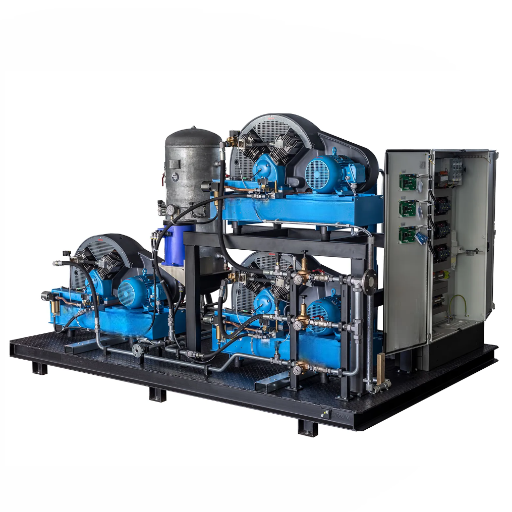
Booster compressors may undergo performance problems if not adequately maintained. Inspection work must be performed systematically and there must be an examination of deformity, leakage, or damage in the seal surfaces plus the hoses and fitting; constant monitoring of operating parameters such as pressure or temperature can also give an indication for identifying probable trouble beforehand. Thus, keep in mind that it is always of utmost importance that users adhere strictly to all the guidelines given with the user’s manual, so that the operations follow the manufacturer’s specifications closely.
For proper lubrication, ensure in this direction that is taken care of. Some internal components fall prey to being damaged if lubrication is not formulated as a result of increased friction and overheating. Regular maintenance calls for the cleaning of air filters to remove obstructions, which acts to reduce air flow to the compressor and, in effect, works to put the unit in hard strain. It is always beneficial that one upholds a clean dry atmosphere around his compressor which would then limit any chance of any ability for corrosion to flourish in wet places.
Next, confirm that the safety equipment installed in the compressor, like the pressure-relief valves and control systems, is operating well. It is important that periodic checks be conducted to ensure safety. If not every basic step due to troubleshooting is taken into consideration, the isolated authorized servicemen should be consulted. These fewer things enhance the durability of a booster compressor as well as efficient operation even in harsh conditions.
Common Issues and Solutions
Overheating
Cause
Low cooling or high workload.
Solution
Verify the cleanliness of the cooling system, check ventilation, and try to avoid overloading the compressor.
Pressure Drop
Cause
Leaking in the system or filters clogged.
Solution
Examine connections and hoses for possible leakage, and either clean or replace blocked filters.
Noise & Vibration
Cause
Loose components or worn parts.
Solution
Secure all loose parts and replace worn components.
Pressure Failure
Cause
The valves are defective or the volume of the air supply is insufficient.
Solution
Detection and replacement of defective valves or supplying enough air into the system.
Oil Contamination
Cause
Worn seals or excessive oil levels.
Solution
Replace seals as necessary; keep oil levels properly maintained.
Repairing and addressing these common problems can improve the efficiency and service life of booster compressors.
Maximizing Performance and Longevity
In order to ensure flawless performance and elongate booster compressors’ service life, schedule regular maintenance and adhere to best practices. Follow these simple steps to keep your equipment running smoothly:
- 1
Monitor Operating Conditions
Naturally, you should take pressure measurements at regular intervals, together with checking temperature and vibration. These parameters should show trends over time and serve as leading indicators of impending breakdowns. - 2
Implement Scheduled Maintenance
Maintain a strict and separate maintenance schedule that includes cleaning of filters, inspection of seals and lubrication of moving parts. Failure to carry out these tasks can lead to untimely breakdowns and a substantial increase in repair costs. - 3
Use High-Quality Components and Lubricants
Always use manufacturer-recommended replacement parts and lubricants to avoid undue wear and tear on the compressor. Ordinary spare parts may initially save you a few bucks, but in the long run they can undermine the compressor’s efficiency. - 4
Ensure Proper Installation
You must install the compressor in a clean, well-ventilated place. The compressor must be protected from dust, moisture, acidic environments, high or low temperatures, and any other conditions that could contaminate or damage it. - 5
Train Maintenance Personnel
Provide operator and repair training to enhance the training equipment in the product manual for safe and efficient handling of the compressor. Errors during operation or maintenance may rapidly encourage machine breakdown. - 6
Carry Out Regular Leak Checks
Air leakages for the compressors can erode system efficiency by significant amounts. Ultrasonic inspection/tester or soapy water techniques might help to spot and resolve these leaks early. - 7
Develop an Energy-Efficient Area
By putting energy to your compressor system, it is possible that inefficiency is present there. If the energy profile of the current compressor system is subjected to some severe restrictions in a few or all factors, then consider transforming it into the energy-efficient models.
Cutting-edge monitoring tools coupled with a list of best practices and strict adherence to manufacturers’ guidelines can significantly lessen downtime, extend life term of equipment and control operational costs, floating on the rivers of reliable long-term performance.
Frequently Asked Questions
Q.01
What is a boosting air compressor, and how, exactly, does it handle air compression?
Think of a boosting air compressor as a secondary air compressor that is created mainly to add air pressure especially to an already compressed supply of air from the standard air compressor or plant air system. The piece picks up an inlet pressure — usually compressed air from the ambient receiving intermediate pressure — and further compresses the air to the high outlet pressure levels in relatively closed systems or ends up in a discharge tank/receiver tank. Boosting air compressors thus do pressure increases quite efficiently matching ratio, stage design, and others with the specific requirements of high pressure compressed air or industrial gas.
Q.02
How does a compressor and booster arrangement differ from a single standard air compressor?
Compressor and Booster systems differ from standard air compression systems in that they use a regular air compressor to provide a baseline pressure and a high-pressure booster to elevate the pressure to levels that a standard compressor is unable to achieve effectively. This 2-stage framework minimizes wear and tear on the main compressor, optimizing the technology of each compressor stage, which allows operation safely and efficiently when processes require various pressure or very high-pressure levels, i.e. when pressure grows from 13 bar to 40 bar or even higher levels. This booster is specifically designated for high-pressure operation and often exhibits a higher pressure ratio relative to the primary unit.
Q.03
Why would a plant use a high-pressure booster for compressed air and industrial gas?
A high-pressure compressor or booster is required for plants in processes that need high-pressure compressed air or industrial gas for tools, testing, or process equipment. The application requiring 13 bar and up, all the way to 40 bar, or specific psi levels benefits from adding a booster since compressors utilize different designs to accommodate these pressure levels efficiently. Boosters are supplied for increasing the air pressure within the standard supply without the necessity of all the other works to replace the compressor system entirely, thereby catering to the specific requirements while still maintaining the reliability of the plant air system.
Q.04
What are some of the air booster systems and compressor systems commonly being used?
The Reciprocating Piston Steelbooster, Rotary Screw Steelbooster, and the Multistage Centrifugal Steelbooster are all some of the common types. High pressure boosters for compressed air, for example, very often include reciprocating booster stages with strong moving parts for high-pressure ratios, while rotary designs are more suitable for continuous flow at moderate pressure increases. The selection is based on inlet pressure, outlet pressure, flow rate, and whether the medium is compressed air, industrial gas, or simply air. Equipment makers, like Atlas Copco, generally supply combined air compressors and booster packs that are designed for industrial use.
Q.05
What are the maintenance and safety considerations with regard to high-pressure booster compressors?
The maintenance of high-pressure compressors is engaged in carrying out the general routine of regularly inspecting all moving parts, checking all lubrication mechanisms, setting, and testing all seals, valves, and filtration. Checks and routine maintenance of the inlet and outlet pressure, leak detection, locker integrity, regularly testing safety relief/pressure relief devices, installing piping rated for high-pressure compressed air, adhering to compressed air and industrial gas regulations or standards in ensuring safety are paramount to asking for accident prevention. Since boosters artificially raise the pressure of compressed air in a confined space, scheduled inspections and monitoring are needed to watch out for any abnormal temperature or vibration before it causes the ultimate breakdown.
Reference Sources
-
Fuel Gas Boosters in Developing Nations
Link to source
Discusses the role of fuel gas booster compressors, including their components and applications in gas compression systems. -
Small Turbines in Distributed Utility Application: Natural Gas Pressure Supply Requirements
Link to source
Explores the use of booster compressors in distributed utility technologies and their availability in the market. -
Gas Boosters: Portable Compressors Enhance Production of Marginal Wells
Link to source
Examines the application of portable booster compressors in enhancing production from low-pressure wells. -
Effects of External Boost Compression on Gas Turbine Performance in an Advanced CPFBC Application
Link to source
Analyzes the impact of external booster compressors on gas turbine performance in advanced energy applications. - Booster Compressors
// SYS-DOC: WHY I WRITE THIS
[01] About PanGeng
PanGeng is an industrial gas compressor manufacturer based in Bengbu, Anhui, China. Since 2009, we have focused on the design, R&D, production, and manufacturing of customized gas compressor systems for oilfield, chemical, energy, hydrogen, nitrogen, biogas, and industrial air applications.
[02] Our Expertise
We write compressor guides based on real manufacturing and engineering experience, including hydrogen compressors, nitrogen compressors, booster compressors, medium and high-pressure air compressors, oilfield nitrogen injection systems, biogas compressors, and OEM/ODM custom compressor solutions.
Our engineering team supports customers from application analysis and compressor selection to production, factory testing, commissioning, spare parts, and after-sales service.
[03] Why You Can Trust This Content
The technical information in our articles is based on PanGeng’s in-house compressor design and manufacturing experience, current product capabilities, and project support for industrial clients in global markets. Our goal is to help buyers understand compressor types, pressure ranges, gas requirements, customization options, and long-term operating costs before making a purchasing decision.
CONTACT PROFILE
AUTHORITATIVE SOURCE
NAME
PanGeng Engineering Team
BRAND
PanGeng
COUNTRY
China
MODEL
B2B / OEM & ODM
EMAIL
pg20090705@163.com
PHONE
0552-4958225
WEBSITE
pgcompress.com


Trending now
![Low Pressure Hydrogen Compressor Applications [Guide]](https://pgcompress.com/wp-content/uploads/2026/09/low-pressure-hydrogen-compressor-applications-blog-featured-150x150.png)