Get in Touch with Pangeng

The Ultimate Guide to Booster Compressors

Contents
show
Booster compressions play an essential role in a range of industries, typically working behind the back to provide compressed solutions supporting critical operations. You may be involved with industrial production, the extraction or transport of oil and natural gas, and or any kind of medical device, and knowing how booster compressors work and what can be done with them makes systems impact and efficiency better. The following guide aims to explain booster compressors by presenting a technical analysis of booster compressors and the factors to consider when making such an investment. By the time you finish reading this piece, you will appreciate why booster compressors are critical assets and how best they enhance your operations. So stay tuned as we discuss these machines in greater detail.
Introduction to Booster Compressors

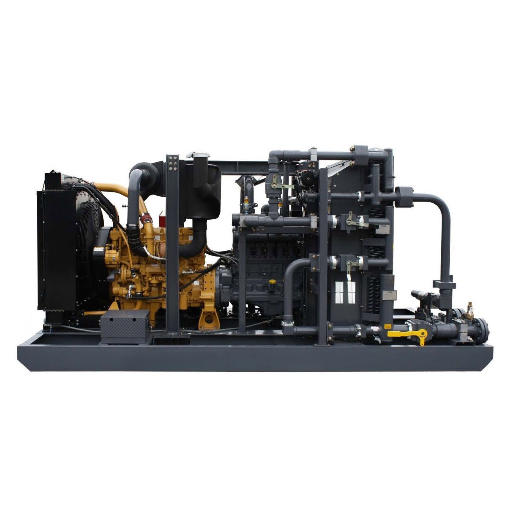
Booster Compressors can be simply explained as a device used to compress gases or air that has been compressed at least once. Such machines are often used in areas of work where high pressure is needed, for example in manufacturing, oil and gas, and automobiles. They use incoming air or gas that is already under some pressure and enhance its pressure level to meet particular operational requirements. They enhance the productivity of industries as they are able to perform numerous functions efficiently and conveniently without any problems.
What is a Booster Compressor?
A Booster Compressor refers to a type of compressor that is used for raising the pressure of gases or air which have already been compressed at some initial stage. These devices are used vastly in industries which use high pressure systems including manufacturing, oil & gas, petrochemical, packaging and automotive applications. Booster Compressors operate by taking in pre-compressed air or gas and then enhancing it further to achieve operational pressures as required by specific equipment or processes.
Booster Compressors, in present times, may be found in various designs, namely, reciprocating, rotary screw as well as diaphragm booster compressors which enable working of these machines on different types of gases and applications. The compressors can be found in use in many areas including manufacturing of PET bottles, the use of laser cutting equipment, filling gas cylinders and pressure tests. With the increasing advancement in technology, today’s booster compressors are energy efficient performing well and create very little noise with longer life span. Lastly, these attributes create a strong demand for them in most industries mainly because of their capability in delivering and maintaining pressure over various ranges.
Importance of Booster Compressors in Industrial Applications
Booster Compressors are crucial in numerous industrial processes as they provide the ability to increase the pressure of gases or air for some specific operational needs. Their relevance is glaring in the manufacturing, petrochemical, health sectors, to mention but a few. Take manufacturing, for example, where there is a critical need for booster compressors for the proper functioning of pneumatic working equipment, and keeping on production lines with required outputs, not to mention the specific operation of apparatus which may be powered by compressed air. The current data recorded from the searches, show that there is an increasing demand for eco friendly and energy saving solutions in relation to compression equipment witihin the sector of gas, confirming the still growing trend of sustainable development. Modern booster compressors designed with these new industrial requirements in mind feature such options as automatic control systems, energy-efficient design, and robust materials/structure for environment conservation purposes. Therefore, they come in handy for companies not only because they are practical but also because they help in maximizing on efficiency while lowering overheads.
Differences Between Standard Compressors and Booster Compressors
The main function of standard compressors is to perform regular compression, whereas booster compressors are meant to increase the pressure of air or gas that is already compressed for certain applications that require high pressure.
| Key Point | Standard Compressor | Booster Compressor |
|---|---|---|
| Use | General compression | High-pressure boost |
| Input Pressure | Atmospheric | Pre-compressed air |
| Output Pressure | Moderate | Very high |
| Purpose | Broad, versatile tasks | Specialized high-pressure needs |
| Efficiency | Lower in high-pressure scenarios | Higher for specific high-pressure tasks |
| Application | Standard tools, HVAC | Laser cutting, PET bottling |
| Size | Typically larger | Compact design |
| Cost | Generally lower | Often higher due to specialized purpose |
Types of Booster Compressors

Single-Acting vs. Double-Acting Piston Compressors
Single-Acting piston compressors compress air during only one stroke of the piston, while Double-Acting compressors compress air during both the upward and downward strokes.
| Parameter | Single-Acting | Double-Acting |
|---|---|---|
| Operation | One stroke | Two strokes |
| Efficiency | Lower | Higher |
| Output Flow | Lower | Higher |
| Size | Smaller | Larger |
| Maintenance | Easier | Complex |
| Cost | Lower | Higher |
| Durability | Moderate | Higher |
| Application | Light tasks | Heavy tasks |
Oil-Free vs. Oil-Injected Screw Compressors
Oil-free and oil-injected screw compressors serve different purposes and industries based on their design and features.
| Parameter | Oil-Free | Oil-Injected |
|---|---|---|
| Air Quality | Delivers 100% oil-free air, suitable for sensitive environments like food, pharmaceuticals, and electronics. | Contains traces of oil, suitable for industrial applications where air purity is less critical. |
| Maintenance | Lower maintenance required due to the absence of oil in the compression chamber. | Requires regular oil changes and filter replacements, increasing maintenance efforts. |
| Efficiency | Slightly lower efficiency due to higher energy costs associated with oil-free systems. | Generally more energy-efficient with consistent performance over time. |
| Durability | May have reduced durability in heavy-duty applications. | More robust and durable for demanding industrial processes. |
| Cost | Higher initial investment due to advanced technologies ensuring oil-free air. | Lower upfront cost but higher long-term maintenance expenses. |
| Applications | Ideal for industries requiring high air purity, including food processing, medical, and electronics. | Suitable for heavy-duty and general-purpose industrial uses like manufacturing and construction. |
When making a choice between the two, one must take into perspective the importance of industry standards, financial outlay, and the concentrated efforts towards having pure air. If the air should not be contaminated, then oil-free compressors become non-optional, but oil-injected compressors are best employed for industrial processes that require greater demand for air and are not overly concerned about air purity levels.
Air and Gas Booster Compressors
Air and gas booster compressors are special devices that serve the purpose of increasing the air/gas pressure above the primary level. In cases where the primary compressors or any other system do not provide enough pressure for a particular application, these compressors are used. They help to increase the gas or air pressure to achieve operational goals more effectively.
In oil and gas, manufacturing, chemical industries, etc., booster compressors are extensively used for leak testing, molding, cylinder filling, pressure testing, and all such applications which require a higher range of pressures. They are versatile and instrumental in both industrial, as well as commercial settings. Booster systems must be selected in accordance with the pressure and flow characteristics required by the application and also the other considerations like efficiency and durability.
Booster Compressors for air and gas E.training materials are key to application of pressure when need to build pressure up to a certain level in processes that require enhanced pressure performance. These systems as such provide an economically viable and uncomplicated fast response solution, thereby upholding operational standards without need for redesigns of the current systems. Hence, these systems find effective use in pressure critical operational areas due to the reasons of convenience and performance.
Applications of Booster Compressors

Manufacturing
Booster Compressors in Manufacturing
Booster Compressors find great importance in the manufacturing industry where high-pressure air or gases are required. This is prevalent in industries like automotive, food and beverage production, chemicals manufacturing among others. For instance, booster compressors are essential in the automotive industry as they power the pneumatic tools used in the assembly of parts and improve the accuracy of the process. Similarly, booster compressors in the food and beverage industry find extensive application in the packaging systems, where they help maintain the appropriate atmosphere to ensure the quality of the product.
Booster compressors have recently made headlines as advanced technologies such as 3D printing gain popularity. These technologies necessitate the use of controlled high-pressure air or gases, in which their respective compressors can be used to perform the operations with precision. The compressive voyager also boasts the capability of merging both types without restructuring at all, which makes them more compatible in the manufacturing sector and meets the changing needs in industries without wasting energy.
Oil & Gas
Applications in Oil and Gas Industries
Booster Compressors are of great significance in Oil and Gas applications and processes where high-pressure requirements are unavoidable. Such compressors are widely used in the gas transmission pipelines with long distances supply to ensure maintained optimum pressure and continuously deliver the gas and thereby reducing the system losses. Moreover, in the upstream part of the industry where the booster compressors are known to conduct gas lift operations which involves injecting high pressure gas in the well in order to increase oil production. They are employed in the gas processing plants to compress gas so that it can be liquefied to become LNG or used to dehydrate or separate hydrocarbons from each other.
With the advent of compact and efficient compressor technology, the newest generation of booster compressors scoops up headlines for their capabilities in managing sustainability and energy savings. The higher pressure cycle that they provide with minimal time wasted for repairs is very much needed to meet the fast changing needs of the oil and gas industries while ensuring clean as well as cost effective operations.
Specialised
Use Cases in Scuba Diving and Food & Beverage Industries
Booster Compressors also have key application in both diving and food & beverage industries because of the high pressure reasons.
Scuba Diving
While diving, booster compressors are used to compress fill high-pressure compressed air or gas mixtures into tanks for negative pressure diving. This is due to the exceptionality of their operations in achieving the exact pressure desired.
Food & Beverage
Booster compressors are quite popular in the food industry for activities such as beverage carbonation, product packing, or automation of process systems through pneumatics. Their effective function in providing the desired, clean compressed air at the appropriate pressure level is significant in ensuring product integrity and conformity to regulatory bodies.
Benefits of Using Booster Compressors

Energy Efficiency Gains with Booster Compressors
Energy-saving devices such as Booster Compressors are common in many industries and provide significant cost reduction without much harm to the environment. Nowadays, innovative booster compressors incorporate such components as variable speed drives on the motors and improved compression cycles to lessen the energy. Recent findings have shown that booster compressors that harness energy efficiency are projected to lower energy expenditure by 35 percent vis a vis the conventional systems.
For instance, several industries have turned to booster compressors of high efficiency and extended operation that regulate themselves according to consumption in order to eliminate wasteful energy. Furthermore, the development of ‘heat recovery’ technology enables the emission of waste-gas from compressors to be captured and recycled which improves the efficiency of energy use. Several authors of the reports released by the Department of Energy in the USA claimed that the compressed air systems and units would be heat or heat of compression recovery systems which will enhance the energy efficiency by 10% to 15% or more than that depending upon the application and the purpose for which it was used.
35%
Energy Savings
Energy Savings
Booster compressors that harness energy efficiency are projected to lower energy expenditure by 35 percent versus conventional systems.
15%+
Heat Recovery Boost
Heat Recovery Boost
Heat of compression recovery systems can enhance overall energy efficiency by 10% to 15% or more depending on application.
These recent improvements not only replace production expenses but also help in meeting the company’s aim of reducing carbon emissions. Booster Compressors, utilising advanced technologies, provide enhanced dependability to length of service without required energy being compromised. Therefore, the user can apprehend such compressors as the best for the industry to improve its performance.
Achieving Precise High Pressures
Booster Compressors deliver significant advantages and audiences with respect to a high level of accuracy of high pressures, usually required in industrial applications. Notably, they are capable of easily increasing and decreasing the pressure of gas or air inside the given objects, thus maintaining in detail the design pressure of that particular case. It is important because it allows peak efficiency of the system be it a factory, a power plant or even a transport system as well as the meeting of more demanding specifications without waste energy.
On the other hand, another advantage is the applicability of the booster compressors towards an array of facilities covered by industry. The trouble is that one pressure says one and another gases. Thus it can be used in a majority of applications e.g. in oil and gas, pharmaceuticals and automotive industries. The efficiency of these compressors guarantees that the line is retained for even the most challenging processes so as to increase safety and efficiency.
The last thing to mention is that the Booster Compressors have a very positive effect on saving costs and resources too. They increase the pressure only where it’s required, making sure that the high power consumption and costs of operations related to overpressuring are reduced. What is more, they help save environments and reduce wastage adoption to work with green technology as well process optimization which makes it very appealing to manufacturers striving for sustainablility and process improvement.
Reducing Capital Expenditure through Effective Solutions
What Booster Compressors do best, however, is introduce to an organization working and inspiring ways in which the capital that would have been spent on buying new equipment is saved. As they improve the performance of the current compressor system, there is no extra heavy equipment to be purchased. The systems have easy installation in order that they do not require a major overhaul. Also, due to the industrial developmental advancements in energy saving and precise use of monitoring measures, booster Compressors are suitable in increasing performance and decreasing operating costs in the long run. Of overcoming stout resistance by adoptees. Heavy capital intensive equipment can be avoided helping businesses achieve more cost reductions to some degree effectiveness.
Operational Considerations and Maintenance Tips
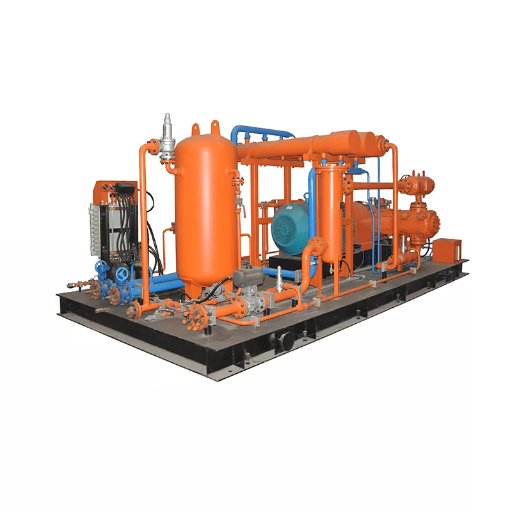
Ensuring Safety and Longevity of Booster Compressors
Booster Compressors require frequent checks for maintenance to improve their performance and avoid damage to them. Routine inspection is vital in order to ascertain their working condition which means damages can be found earlier, leakage assessed in good time, and failure in parts prevented. Lubrication periods must be followed precisely in accordance with the operational chart of the equipment as this would help avoid excessive draughts and heating. Accurate maintenance documentation is useful to the extent that problems can be spotted much earlier and analyzed if there’s a range in results that is beyond the norms.
There are also other factors that are worth mentioning as they have to do with the equipment’s durability. For instance, machine operators must be trained in the correct procedure recommended by Booster Compressors manufacturers, pressure limitations, temperature ranges, start-up or shut-down, and any other instructions. It is best practice to ensure the compressor is not overloaded by going beyond these limits as it lowers the chances of causing damage to the system and premature failure. Moreover, the area that houses the equipment should be kept clean and clear of any unnecessary materials, thus avoiding foreign objects’ ingress into the machine and subsequent damage.
Eventually, it is vital to consider the aspects of the environment. One way of preventing overheating of the compressor is by placing it in a ventilated area, while on the other hand, placing the compressor away from extreme weather will protect it from rust, corrosion and other damages. When it comes to the efficiency of compressing air systems, good drainage of the moisture and fitted filters also play a part and ensure that there is no maintenance issues in the future. With the adoption of these measures, companies will also be able to improve the efficiency of their Booster Compressors in addition to improving their capacities and the service life of the appliances.
Best Practices for Maintenance and Performance Optimization
Being aware that maintenance effectsly extends Booster Compressors’ uptime, together with correct functioning of the business, have in place the following practices:
-
01
Regular Inspections and Cleaning
Ensure a periodic inspection on every piece of equipment, such as valves, filters and hoses to report worn out or blocked parts. Clean these parts regularly to ensure smooth movement of air and avoid any dirt.
-
02
Lubrication and Sealing
All surfaces that include two or more sliding and rotary elements such as bearings and pistons must be fully lubricated, and all the seals must be checked for the purposes of leaks that negatively affect efficiency by diminishing pressure in the system.
-
03
Condition Monitoring
Controlling the temperature and stages of pressure as well as vibration very strictly. Operations are normally recommended as it usually points out the underlying problem which if left unattended would demand immediate intervention.
-
04
Replacement of the Aged Structures
Changes of aging details like belts, gaskets, etc. are made very proactively before they fail. This rather wards off not only unpleasant breaks in work, but also prevents expenses which could have been used to repair a breakdown.
-
05
Regular Drainage
Adequate drainage systems should be utilized in order to manage moisture from compressed air. Excessive moisture causes corrosion, rust and diminishes the efficacy of the system as well.
-
06
Recalibration of Controls
Confirm the functionality of control and its systems if they are not upgraded and calibrated. This helps in getting correct measurements and operating the compressor properly.
-
07
Training of Employees
Components such as technicians and machine operators must be skilled enough to notice the initial states of problems that they can handle any situation without wasting much time.
By following the above mentioned strategies, businesses will be able to enhance the dependability and the service duration of the booster compressors even as they cut down on the cost of operation and the time spent between expansions. It is understood that reading manufactures’ instructions on the machinery and up-todate repairs and maintenance helps to achieve a better outcome in equipment usage.
Common Issues and Troubleshooting Techniques
By quickly addressing the most common issues, operators can always keep the plant running top-notch and avoid unwanted downtimes. Always follow manufacturer-recommended maintenance as well as troubleshooting guides.
Frequently Asked Questions (FAQs)
Q
How do air compressors and boosters double the outlet pressure used in high-pressure applications?
How do air compressors and boosters double the outlet pressure used in high-pressure applications?
Reciprocating booster and rotary screw booster designs for air compressor boosters double the outlet pressure by taking already compressed air from the ordinary air compressor and compressing it even further to the high-pressure air or gas levels. Boosters are designed to work as multistage machines, but the systems also work as one stage and do the job of raising the inlet pressure to the discharge pressure or psig that are often needed to get medium to high-pressure air for applications requiring high-pressure gas or nitrogen. They are especially useful in enhancing pressure supply on-site during periods when demand exceeds the capabilities of the base compressor without having to replace it.
Q
What specifically is a nitrogen booster and how does it compress nitrogen for industrial gas use?
What specifically is a nitrogen booster and how does it compress nitrogen for industrial gas use?
A nitrogen booster, an advanced pressure booster, sends nitrogen from either an ambient or supplied pressure inlet to an outlet pressure higher than it was, sometimes reaching as far as the range of 40 bars or 300 bars for certain models (including 300 bar booster options). These high-pressure nitrogen gas boosters are used in various industrial gas applications like pressure testing, blanketing, or high-pressure cylinder filling. Nitrogen boosters allow gas boosting without much contamination, given a clean source of nitrogen already in compression.
Q
Are boosters capable of delivering constant pressure and sustaining the SCFM at an increased pressure setting?
Are boosters capable of delivering constant pressure and sustaining the SCFM at an increased pressure setting?
With volumetric flow rate turndown comes more pressure loss of SCFM (standard cubic feet per minute) at the boosted outlet. However, compressors and boosters are being designed to retain the specified SCFM at the required outlet pressure by adjusting the pressure ratio of the compressor. Here, an air pressure booster has to be rightly selected for mandatory flow application and high-constant pressure application, or a multistage high-volume booster has now to take into account the inlet and supply pressure.
Q
What are a few common variations in boosters, and how do reciprocating boosters use different principles than rotary screw boosters?
What are a few common variations in boosters, and how do reciprocating boosters use different principles than rotary screw boosters?
One set of common variations includes reciprocating cylinder (reciprocating booster) and rotary screw booster designs. Reciprocating boosters usually find use at high pressure (e.g. 300 bar) and discontinuous or low flow applications, while the rotary screw booster is ideally employed in medium- to high-continuous-duty, high-flow applications. The choice depends on the outlet pressure, scfm, duty cycle, and gas to be boosted, whether it is air, nitrogen, or another industrial gas.
Q
What are the maintenance and safety considerations of the high-pressure systems of boosting air and nitrogen?
What are the maintenance and safety considerations of the high-pressure systems of boosting air and nitrogen?
All these high-pressure boosting systems require pressure relief, seals and valve inspections periodically, and scheduled maintenance of components like reciprocating pistons and bearings. High discharge pressure monitoring, factored-in with psig readings and inlet conditions, resembles one of the ways to ensure these are operated safely. For nitrogen boosters or gas boosting from industrial gases, efforts toward maintaining air quality, leak control, compliance within pressure vessel and high-pressure gas laws become a necessity to prevent the various hazards associated with high-pressure gas storage and handling.
Reference Sources
-
Compressor Handbook: Principles and Practice: This book provides a comprehensive introduction to dynamic and positive displacement compressors, including performance and operational guidelines. Access the book here.
-
Compressor Specification, Evaluation, and Design Coordination: This chapter focuses on the specification, evaluation, and design of compressors, offering detailed insights into their coordination and testing. Read the chapter here.
-
A Model for Booster Station Matching of Gas Turbine and Gas Compressor Power Under Different Ambient Conditions: This paper provides guidelines for evaluating booster compressors in relation to gas turbines under varying conditions. View the study here.
-
Compressors: Selection and Sizing: This book discusses the selection, sizing, and operational conditions for booster compressors, including their use in series configurations. Access the book here.
- Booster Compressors
// SYS-DOC: WHY I WRITE THIS
[01] About PanGeng
PanGeng is an industrial gas compressor manufacturer based in Bengbu, Anhui, China. Since 2009, we have focused on the design, R&D, production, and manufacturing of customized gas compressor systems for oilfield, chemical, energy, hydrogen, nitrogen, biogas, and industrial air applications.
[02] Our Expertise
We write compressor guides based on real manufacturing and engineering experience, including hydrogen compressors, nitrogen compressors, booster compressors, medium and high-pressure air compressors, oilfield nitrogen injection systems, biogas compressors, and OEM/ODM custom compressor solutions.
Our engineering team supports customers from application analysis and compressor selection to production, factory testing, commissioning, spare parts, and after-sales service.
[03] Why You Can Trust This Content
The technical information in our articles is based on PanGeng’s in-house compressor design and manufacturing experience, current product capabilities, and project support for industrial clients in global markets. Our goal is to help buyers understand compressor types, pressure ranges, gas requirements, customization options, and long-term operating costs before making a purchasing decision.
CONTACT PROFILE
AUTHORITATIVE SOURCE
NAME
PanGeng Engineering Team
BRAND
PanGeng
COUNTRY
China
MODEL
B2B / OEM & ODM
EMAIL
pg20090705@163.com
PHONE
0552-4958225
WEBSITE
pgcompress.com

Trending now
![Low Pressure Hydrogen Compressor Applications [Guide]](https://pgcompress.com/wp-content/uploads/2026/09/low-pressure-hydrogen-compressor-applications-blog-featured-150x150.png)