Get in Touch with Pangeng

Understanding Nitrogen Compressor Specifications: A Guide to Nitrogen Generation Systems

Contents
show
The operation of nitrogen generation systems in industries such as manufacturing, food packaging, chemical production, and healthcare is heavily dependent on nitrogen compressors which are the critical facilitators in these operational processes. Unfortunately, the descriptions of these compressors can sound like a hodgepodge of strange terminology and difficult metrics. This is where this manual comes in: it is aimed at all those who find nitrogen compressor specifications to be effectively gobbledygook and provides a simple, yet detailed solution to selecting a system that is suitable for an organization. Flow rates, pressure levels, energy consumption and maintenance will be emphasized in this article to highlight the performance and reliability factors. With the technical information provided within this guide, the user will be better equipped to make decisions and make the nitrogen-generating plant perform its best.
Section 01
Fundamentals of Nitrogen Generation

By definition, nitrogen gas generators refer to the processes for producing nitrogen gas from the air, in particular, the atmosphere, that essentially comprises 78% nitrogen, 21% oxygen, and rare gases. The primary techniques used for the generation of nitrogen include Pressure Swing Adsorption (PSA) and membrane technology. PSA utilizes adsorption technologies, in particular carbon molecular sieves, for the purpose of selectively separating oxygen from the atmosphere; this in turn produces high purity nitrogen gas. Membrane separation, on the other hand, functions by thrusting air through specifically designed films such that oxygen and other gases will pass through but nitrogen will not. Such techniques do have a wide usage including pharmaceuticals, food packaging, electronics and many more, with lower costs and on-call acquisition of nitrogen rather than even resorting to the typical nitrogen cylinder and on site systems.
What is Nitrogen Generation?
The term nitrogen production is one that encompasses the emerging trend in creating nitrogen right at the place where it is required, which negates the need for the earlier utilized nitrogen delivery systems like the nitrogen cylinders or somewhere to store the liquid nitrogen in large quantities. The most common technology for this process is used in two forms – PSA (Pressure Swing Adsorption) and membrane separation- both technologies provide a means of obtaining nitrogen of the lowest quality. Pressure Swing Adsorption (PSA) systems employ an adsorbent substance such as carbon molecular sieves to extract nitrogen, perform affinity chromatography, and remove the oxygen and other impurities present in the compressed air.
Membrane separation, on the other hand, focuses on the use of semi-permeable membranes for separating out air and water. In this case, the impermeable material left is nitrogen. The current nitrogen production equipment is designed in such a way that it is characterized by low-energy consumption and the possibility of changing the ratio of flow rate volume to non-volume of induced components in the gas. Using these systems, which to a large extent have already been put in place in different areas including those such as medicine for medical application of nitrogen, food processing for food application of nitrogen as inert gas, electronics and in the form of chemical processes, in that there is a continuous, cost-effective and green nitrogen supply.
The Role of Nitrogen Compressors in the Generation Process
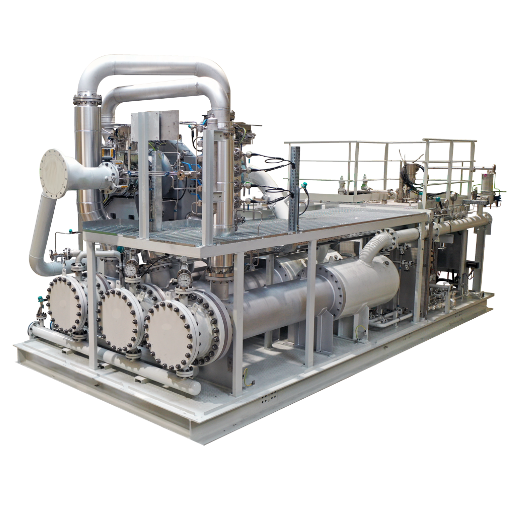
With nitrogen generation systems, the very core equipment for the separation and delivery of the nitrogen is the compressor that supplies the pressure for such effective gas operations. It serves the purpose of compressing air or nitrogen to high pressures which is necessary to ensure pressure swing adsorption (PSA) of nitrogen or clean nitrogen flow out of a filter. In most cases, current models of nitrogen compressors have energy saving properties, reduced heat generation and high reliability. Oil free compressors are preferably applied in industries dealing with food or pharmaceutical products, as such devices impede any possibilities of product contamination.
Moreover, there are improvements in the expansion machines. It is not the improvement or the change in nitrogen systems that we are much concerned about, but it is simply the added advantage such improvements bring in compressed Nitrogen equipment. So these advancements have assisted in most ways, such equipment can be working dependant on other systems like the existing nitrogen generators and standard systems installed allowing operation of large nitrogen equipment to flex along the equipment providing greater functioning. There are now a number of variable refrigerant disposition drives (VSD) that compress air as per the circulation of the fluid, and decrease energy waste.
Types of Nitrogen Generators and Their Applications
| Type of Generator | Key Features | Applications |
|---|---|---|
| PSA (Pressure Swing Adsorption) | High purity (up to 99.999%), energy-efficient | Food packaging, pharmaceuticals, metal production |
| Membrane Nitrogen Generator | Compact design, lower purity (up to 98%) | Fire prevention, oil and gas, tire inflation |
| Cryogenic Nitrogen Generator | Produces liquid and gas nitrogen, high capacity | Chemical industries, large-scale manufacturing |
| Carbon Molecular Sieve (CMS) | Customizable purity, medium efficiency | Laser cutting, electronics, plastic moldings |
| Portable Nitrogen Generators | Mobile, easy to install and operate | Maintenance, small-scale fieldwork, aerospace |
* Scroll horizontally on mobile to view full table
Section 02
Nitrogen Compressor Specifications

Nitrogen compressors function an important feature in any gas production system, being responsible while to pressurize nitrogen gas for ease of storage or usage. Among the factors to focus on are:
- Pressure Range: Beyond 5000 psi, below 30 psi, depending on the process used.
- Flow Rate: Flow is provided, combining either 10 SCFM, 50 SCFM up to 1000 SCFM depending on the application.
- Cooling System: The equipment is either air-cooled or water-cooled compressors depending on the environmental conditioning.
- Power Options: There are different forms of nitrogen generators, typically electric, gas and diesel powered models, in order to address a diversified range of needs.
- Material Compatibility: Made from non-corrosive materials, which are able to last even when exposed to high pressure systems.
These characteristics ensure a safe and efficient nitrogen supply in various industries such as electronics, oil and gas, and chemicals.
Key Specifications to Consider
- Pressure Range
It is important for the consideration of compressors. The ability of the compressor to reach the required pressure of the gas to be transfused in a particular case can be invaluable. In industry, we use nitrogen compressors of 100 psi to over 5000 psi, depending on the task at hand. - Flow Rate (CFM)
This is how the compressor measures how much gas it can put into a certain volume per unit of time, usually given in cubic feet per minute. In certain applications, where gas is regularly required for work, such as in welding, there are low pressures and thus low flow rates. - Power Configuration
This factor is essential, as the options are usually electric, diesel, or gas, depending on the energy available and its suitability of use in the given work area. - Purity Levels
A high pressure nitrogen piston compressor is required to operate along with a nitrogen purity of at least 95-99.999% to meet the tapping requirement of Nitrogen in food and electronic industries of such a critical nature. - Cooling Mechanism
For such equipment, certain cooling systems, which may include air cooled or water cooled designs, are essential not only for maintaining appropriate temperature levels especially for prolonged use but also for keeping the instrument an safe operational state. - Compressor Stages
Multistage compressors are more expensive but much more efficient, and work best when pressure is very high and there is no other way of achieving it if you are in oil and gas, or any chemical industry where precision gas delivery is much needed.
Understanding Purity Levels in Nitrogen Generation
Nitrogen generators are created in order to produce varying purity levels of nitrogen gas to suit particular needs of the application. They are often rated in terms of percentage, with typical purity levels being between 95% and 99.999% or better known as “five nines”. For example, food packaging jobs may only demand low to medium level of nitrogen purity so as to conserve the freshness of the products and prevent the refill up to an oxidation, whereas in pharmaceuticals and electronics, there is requirement of ultra-clean nitrogen for the air of the room and for carrying out the fitting of materials.
There are many methods for achieving different levels of purity. Some of these methods include the Pressure Swing Adsorption (PSA) method, the membrane separation process, and the cryogenic distillation method. For example, the PSA is an adsorption process, or a separation technology which utilizes specific adsorbent materials to separate the gas to be purified from other gases at the molecular level and in the process this ultimate produces purity. While membrane systems use thin materials such as polyimide, cellulose acetate and positively charged sulfonated styrene maleic anhydride copolymer and selectively allows the passage of the solvent and the solute all around it to achieve low to high flow rate, faster production and better recovery times normally desirable in the case of industrial needs.
Supervising as well as keeping the oxygen level value inside the nitrogen generating method in check is a point in focus in the nitrogen producing equipment, usually incorporated with gauges and test equipment in place. This purpose ensures quality of gas is within the desired level at any moment as well as alerts people when there is an upper deviation and it is an issue that may come up beyond what is expected to be the case in the first place. Such precision of operation implies that all industries using nitrogen generators do so according to the laws, i.e., from producing inert gas for processing of chemicals to the use of carrier gases in analytical procedures.
Comparing Air Compressors and Nitrogen Compressors
| Parameter | Air Compressors | Nitrogen Compressors |
|---|---|---|
| Primary Function | Compresses ambient air | Compresses nitrogen gas |
| Gas Composition | Contains oxygen, CO2, and other gases | 99%–99.999% pure nitrogen |
| Industrial Use | General-purpose applications | Specialized nitrogen-specific use |
| Purity Requirements | Not purity-specific | Requires high purity |
| Maintenance Needs | Standard maintenance for general use | High to ensure purity and performance |
| Key Applications | Tools, machinery, and HVAC systems | Chemical, food packaging, lab processes |
| Output Pressure | Moderate to high, depending on design | Typically high-pressure output |
| Energy Consumption | Variable based on application load | Often optimized for efficiency |
| Initial Cost | Typically lower upfront cost | Can be higher due to specialized design |
| System Integration | Standalone or integrated | Integrated with nitrogen generators |
* Scroll horizontally on mobile to view full table
Section 03
Operational Parameters of Nitrogen Compressors
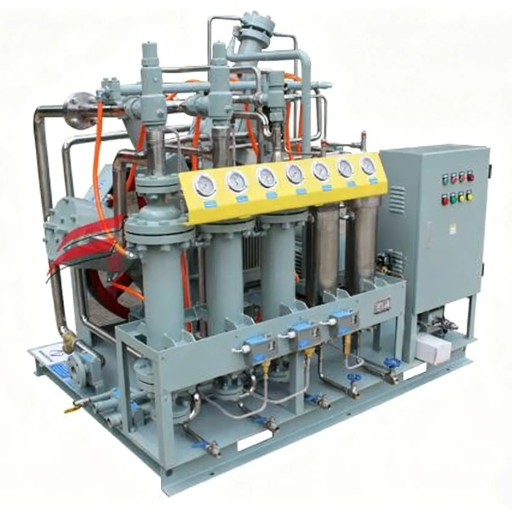
Nitrogen compressors are designed to work within set processes for better performance. Some of these processes are limited to the following:
- 01
Pressure RangeThey are seen to work in a variety of pressure zones that are generally wide with the extremes applied depending upon the purpose in such a way that they can be as high as 5000 psi and above.
- 02
Temperature ControlAppropriate cooling mechanisms account for the stabilization of working temperatures in order to prevent the unit’s overuse and standardize its efficiency.
- 03
Flow RateIt is vibration that determines the flow rate of the gas to the system, and the flow of nitrogen is maintained at the same rate depending on the purpose of use for example; considers the continuous use of laboratory equipment or high-pressure industrial equipment.
- 04
Energy ConsumptionWith optimized designs, it is possible to use energy as efficiently as possible in relation to the work done, and also comply all the requirements associated with the performance.
Maintaining these factors, compressed nitrogen also provides equally good end results by affecting them as necessary for the purpose of use in the industry or in a laboratory.
Pressure and Flow Rate Requirements
How well a nitrogen compressor will operate is largely determined by the pressure and flow rate demanded by a specific application. The pressure which is expressed in PSI or bars at most times must coincide with the operational requirements, that is, maintain a high pressure to cater for the industrial processes or cater for low pressure in the case of a laboratory. The flow rate is measured using standard cubic feet per minute (SCFM) or liters per minute (L/min) and this talks about how much nitrogen will be carried out in a given time period which is so important in any processing of nitrogen with a certain flow or in nitrogen that requires pumping.
Over the years, assistive products have been mentioned as key consumption aids, but the emphasis this time has been moved to sustainable development, where such products are sought to be designed as efficiently as possible to embrace the smallest possible scale of rational use through a different combination of elements. By doing so, savings in energy can gain an addition and carbon footprints can be reduced. Likewise, waste can be largely controlled, among other gains. It is in this light that eco-design is fast gaining momentum not only as an idea, but as an acceptable and widespread working strategy. Carrying out such activities normally results in the potential for radically reducing the impact of the brand and products on the environment.
Energy Efficiency and Cost-Effectiveness
35%
Energy Reduction
Energy Reduction
Variable frequency drives (VFDs) enable modern compressors to reduce energy consumption by as much as 35% compared to traditional fixed-speed units — making them the preferred choice for environmentally conscious operations.
Energy efficiency is a key element in the construction and selection processes for compressors used in the complicated industrial processes. Such has an immediate effect around running budgets and the conservation of the plant’s environment. Modern compressors are now equipped with motors that operate at variable speeds through advanced variable frequency drives. These systems are able to adjust motor speeds in response to the actual requirement and the efficiency levels of such set ups are very high. Several studies show that compressors of this nature have the capability to reduce energy consumption by as much as 35% of what could be achieved by the traditional fixed speed units. They are therefore mostly favoured by establishments as they strive to manage environmental impact against productivity.
Moreover, in several compressors nowadays, there are waste heat recovery systems which enable the manufacturing of useful energy from the waste heat, such as water or space heating. This policy would boost the level of effectiveness up to 90%, which reduced the energy lost and the operating cost effected stood reduced. These systems do not only focus on reducing costs but are also in line with the efforts to manage waste and pollution and cost which businesses adhere to in an industry that is dynamic. Such strategies are essential for all major energy consumers who are seeking energy savings as a means of achieving the economic objectives.
Maintenance Requirements for Optimal Performance
Maintenance plays an indispensable role in ensuring that systems function well and for as long as possible. There are several key points that will have to be addressed to deliver these systems. Physical inspection of critical items including but not limited to pump, bench, motor, filtration system components is vital for recognizing wear and defects at an early stage. The application of lubricants to exposed mechanical parts, the recalibration of sensors and the cleaning of dirty systems to clear debris are common procedures undertaken to prevent reduction in free-running performance.
25%
Operational Cost Savings
Operational Cost Savings
20–30%
Extended Machinery Life
Extended Machinery Life
More importantly, remotely monitored sensor networks central to the internet of things (IoT) take readings from various sections of the system and therefore can give the health of the system at that particular time advanced warnings lead to scheduling maintenance. Further, it asserts maintenance culture statistics that implementing these approaches could save up to 25% of operational costs and in addition to prevent the replacement of machinery for an extra life cycle by 20% to 30%. That is why these checkpoints have been described and adherence to them creates favorable conditions for operational activity in terms of maintaining its uniformity and fulfilling the legal requirements.
Section 04
On-Site Nitrogen Generation Systems
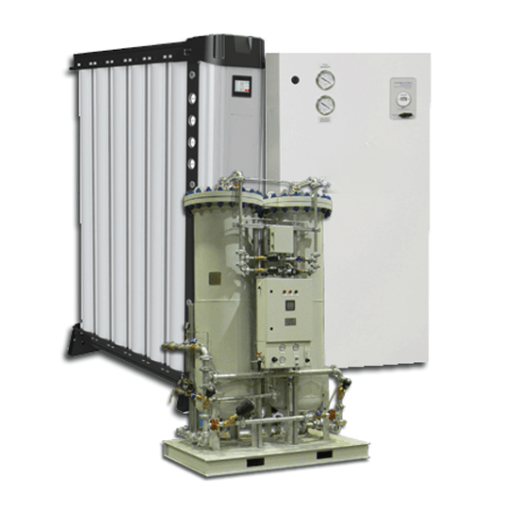
The ability to generate nitrogen gas on site invites a solution for many properties and activities which need such equipment. As we create nitrogen on site, it is key that we prepare the system to supply demands by utilizing nitrogen technology such as PSA or membrane. Delivery of nitrogen gas based on standard on site generation in contrast to other methods like cryogenic or liquid nitrogen or nitrogen in gas cylinders or dewars, is so much easier and involves managing a few transport problems. In fact, it allows to use nitrogen media to a maximum extent without the units for transport and nitrogen adherence. For this very purpose, service of such a unit and its continuous performance optimization are very important mechanisms to ensure a long service life, banishing just its removal instead.
Advantages of On-Site Nitrogen Generation
- 01
Cost Efficiency
Producing nitrogen on site eliminates the need for periodic deliveries of nitrogen in liquid and or gaseous form, which reduces the expenses associated with both transportation and storage. Some estimates report that by knowing the system, business can easily achieve up to 50% cost savings as opposed to use of conventional nitrogen delivery systems. - 02
Continuous Supply and Reliability
Nitrogen generators at the entrance door guarantee continuous supply of nitrogen, thereby minimizing risks associated with delays in deliveries or undersupplying. This issue is particularly vital for sectors such as food processing, medical and medicine supplies and electronics, where any form of shutdown leads to a huge loss. - 03
Environmental Sustainability
By finally averting the need for transportation, on-site generation of nitrogen removes several carbon footprints related to dispatch trucks as well as the production of cryobanks. Moreover, these systems use less energy than what is required to produce and collect nitrogen in segregated production and condensation centers. - 04
Customizable Purity Levels
A nitrogen generator on site allows for onsite optimization of the nitrogen percentage from 95% required for blanketing and similar applications to 99.999% required for procedures, such as pharmaceutical production. This assists in proper product usage and cost-effectiveness. - 05
Enhanced Operational Efficiency
The benefits of the on-site systems from the stand point of the customer are that the operation can be carried out without any possibility of disruption due to the activity of loading, storage and switching of cylinders with gas. The presence of automation and continuous monitoring helps to ensure consistent process and minimize operator-induced errors. - 06
Safety Improvements
On-site units are a safer option than handling high-pressure or liquid nitrogen cylinders by totally avoiding the risks associated with changes to high-pressure cylinders and associated tubs. The absolute minimum use of external suppliers goes a long way in reducing any potential losses should the supply chain come under attack.
Cost Analysis: On-Site vs. Bulk Nitrogen Supply
There are several important points to consider when comparing the cost-effectiveness of generating nitrogen at the point of use compared to purchasing it in bulk, such as without limitation running costs, future expandability and concealed costs that are linked with each of these strategies. In the case of local nitrogen production it is true that in the beginning money has to be invested into such items as Pressure Swing Adsorption (PSA) units or nitrogen membranes. And while this money may not be earned back there and then, the long-term, operational costs are considerably low with the absence of delivery, tank rental and even the expenses of cylinders.
Bulk nitrogen supply is relatively cheaper when it comes to setting up the system since it is the responsibility of the supplier to bring in the nitrogen tanks and set up the delivery schedule. But, there are additional costs such as fuel surcharge, costs of transportation fluctuating, cost of pipe downtime and transportation due to supply disturbances. These additional costs more often than not go over the predictable operational costs that companies are accustomed to in their on-site nitrogen production systems.
The next issue for criticism would be the effectiveness of nitrogen fertilizers. On-site nitrogen supply offers the gas at the right quality and quantity avoiding any unnecessary losses and can be proportioned to the production volumes required easily and effectively.
Implementation Considerations for On-site Nitrogen Generators
When you’re deploying on-premises nitrogen actioning approaches, there is a strong need of proper assessment of a structure during initial stages to make sure it can work with the existing enterprise processes and energy facilities. Not less important is the evaluation of production rate necessary given the current and future need for nitrogen where neither the equipment being too large not too small is desired. Directions with regards to the energy use of the generator should also consider a more costs-wise approach due to the direct proportion of the power consumed and the operating costs of industrial equipment; such approach can be inclusive of such factors as current tariffs for electric power, and compressor productivity.
Another central issue pertains to the type of nitrogen released by the generator, that is, purity. With pressure swing adsorption (PSA) technology and membrane advancements available, it is now possible to set the purity levels depending on the process or application; however, increased purity usually leads to higher energy consumption. Moreover, location for the generator and train of components including the air compressors, filtration units etc., the ‘space’ where they’ll be fit ‘size’, needs to be accounted for within the scope of building the system.
Another factor that cannot be ignored in this respect is maintenance and servicing. This is for the reason that Filter changes, oxygen measurement and characteristic testing, and other routine services are needed to keep numerous built-in gear in good condition. According to this, in order to avert the waste of money and time it is crucial to work with the supplier or other certified maintenance providers. Such an approach is much more favorable, as it allows the detection of probable problems even before their occurrence.
Section 05
Selecting the Best Nitrogen Compressor

When evaluating nitrogen compressors, it is necessary to pay attention to three main aspects: those concerning the purposes of the use of the unit – the application, efficiency, and reliability. The first step is the selection of the pressure and the stress of the required air volume that is needed for work – compressors are made for different needs. Take advantage of the energy use rating information provided with the device before purchasing it so that you can offset the equipment costs. That being said, reliability is well ascertainable by type of compressing device and the sociability of the repair and maintenance required and the technical services efficiency of the equipment as well. It is best to prefer models from the well-known manufactures that have been proven to possess consistent performance and help to ensure that standard quality and life of the compressor equipment are achieved.
Evaluating Supplier Options
Ensuring partners are able to endure numerous trials both in terms of investment and performance evaluation, it becomes significant to portray evaluation of nitrogen compressor providers as filled with several aspects that cause anxiety. At the beginning, focus on examining each participant, by the time of existence of the company, their other projects delivered and other worked projects especially taking into account those that were more sophisticated and also needed to meet high level quality. Explore the certifications of the vendor and any other laws that they comply to which may be unique to their industry such as ISO 8573-1 for compressed air that is void of impurities, a vital trait necessary for the production of nitrogen of high purity.
Furthermore, consider evaluating the manufacturer’s operational strengths considering their agility to supply bespoke applications or configurable architectures in line with your operational requirements. The lead times and logistical dependability of the supplier should as well be ascertained so that the supplier can deliver ordered material on time as they ought to install it without causing the material to lose its quality. Remember to include analysis of their customer service environment, for instance how easy they are to reach for technical assistance and how quickly they can respond to inquiries regarding spare parts which are vital in breakdown maintenance or any other type of downtime.
It is always a good idea to weigh the cost structures of all the nitrogen compressors previously before helping a particular customer in making the best decision on which one to purchase but here are some contrasting information to consider. Some companies having an advanced approach may also provide additional benefits in respect of advanced technological features such as for instance progress smart monitoring systems as well as other energy efficient designs that may enable saving huge sums of money and also render the activities less cumbersome in time.
Key Features to Look for in a Nitrogen Generator
- 1
Purity Levels — The generator must cater to nitrogen purity levels from 95% to 99.999% so that treatment of the gas shall be suitable for carrying out the desired function such as any form of food packaged preservation, chemical processing or electrical appliances.
- 2
Flow Rate and Capacity — Assess the feasibility of the system in delivering the needed nitrogen content computed on the basis of standard cubic feet per hour (SCFH) or liters per minute (L/min) to match it with the practical purpose being pursued.
- 3
Energy Efficiency — The efficiency of modern nitrogen generators can also be improved by energy saving components, or VFDs, which can lead to satisfactory power consumption and hence save money.
- 4
Durability of Components — It is necessary to ensure that the equipment was made using good quality substances and is resistant to corrosion so as to handle environmental extremes and reduce the number of maintenance periods.
- 5
Advanced Monitoring Systems — There are also current generators that have digital control interfaces, can be accessed on the go and have advanced monitoring tools like real time performance analysis, pressure, purity and flow rate indicators among others.
- 6
Compact Design and Portability — These types of designs are appropriate for facilities with limited space as well as for use at different locations. In that way, it is a great adjunct with no diminution in performance characteristics.
FAQ
Frequently Asked Questions
Q
How does nitrogen purity affect industrial applications and spoilage prevention?
A
Considering the application, nitrogen can be either 99.5% or 99.999% pure or even ultra-high pure nitrogen; this is done to guard against spoilage in food packaging and pharmaceuticals that are sensitive to oxygen. Maintaining high purity of nitrogen in a packaging machine also reduces the risk of exposing the product to the unwanted gases and enhances food and beverages processing in a relative to atmosphere preservation and electronics packing in most controlled atmospheres. Changing concentration levels of the nitrogen on a local basis helps in reducing on the movement and handling of gas cylinders. Proper choice of a nitrogen generator results in substantial reductions in costs by preventing problems and breakages of the required nitrogen in the process.
Q
What specifications define nitrogen purity and concentration of nitrogen for a facility?
A
Nitrogen is produced in 99.5, 99.999, or even higher levels depending on the application. It also means that in a nitrogen stream nitrogen content of 99.5 (or 99.999) is achievable right after nitrogen production. The residuals of oxygen and contaminants are usually determined since the oxygen-deprived nitrogen, for instance, may not be suitable for pharmaceutical or semiconductor manufacturing. The nitrogen generator used on location is modified so that a range of efficiencies or other performance characteristics can be attained depending on the situation. The question arises as to whether the nitrogen generator unit gives operational saving and yet maintains the purity levels at 99.999 and many other levels.
Q
Why might a plant require producing high-purity nitrogen or ultra-high-purity nitrogen?
A
The need for high purity nitrogen is paramount in situations extremely sensitive to the tiniest impurity, for example at silicon wafer manufacturing plants, pharmaceutical plants or even some analytical laboratories, where non-pure products are unacceptable. Since there are several objectives it is up to the nitrogen generation valve systems and how the performance considerations are made to deliver levels of nitrogen at 99.999% or other elevated levels of nitrogen. In-situ generation makes it possible to provide consistent pressure and a steady supply of nitrogen to certain operations so it reduces the dependence on heavy cylinders.
Q
How do you choose the right compressor for an on-site nitrogen generator and system work?
A
This involves matching the pressure and flow requirements as well as the duty cycle of the appropriate compressor with that of the nitrogen generator and the nitrogen that you are willing to apply in your particular equipment. The compressors are required to provide steady pressure and dry clean compressed air to avoid mixing contaminants that may impair the quality of the introduced nitrogen or the nitrogen carrier gas. It is also very advantageous for on-site plants, instead of constructing the compressor in question at the peak original flow rate, make use of peak flow by combining the inefficient peaks in peak flow of gas supplied and higher compressor sizing.
Reference Sources
- 1
Predictive NOx Emissions Modeling for a Large Bore, Lean-Burn, Integral Compressor Engine — oaktrust.library.tamu.edu - 2
Nitrogen Compressors — Read here
// SYS-DOC: WHY I WRITE THIS
[01] About PanGeng
PanGeng is an industrial gas compressor manufacturer based in Bengbu, Anhui, China. Since 2009, we have focused on the design, R&D, production, and manufacturing of customized gas compressor systems for oilfield, chemical, energy, hydrogen, nitrogen, biogas, and industrial air applications.
[02] Our Expertise
We write compressor guides based on real manufacturing and engineering experience, including hydrogen compressors, nitrogen compressors, booster compressors, medium and high-pressure air compressors, oilfield nitrogen injection systems, biogas compressors, and OEM/ODM custom compressor solutions.
Our engineering team supports customers from application analysis and compressor selection to production, factory testing, commissioning, spare parts, and after-sales service.
[03] Why You Can Trust This Content
The technical information in our articles is based on PanGeng’s in-house compressor design and manufacturing experience, current product capabilities, and project support for industrial clients in global markets. Our goal is to help buyers understand compressor types, pressure ranges, gas requirements, customization options, and long-term operating costs before making a purchasing decision.
CONTACT PROFILE
AUTHORITATIVE SOURCE
NAME
PanGeng Engineering Team
BRAND
PanGeng
COUNTRY
China
MODEL
B2B / OEM & ODM
EMAIL
pg20090705@163.com
PHONE
0552-4958225
WEBSITE
pgcompress.com


Trending now
![Low Pressure Hydrogen Compressor Applications [Guide]](https://pgcompress.com/wp-content/uploads/2026/09/low-pressure-hydrogen-compressor-applications-blog-featured-150x150.png)