Get in Touch with Pangeng

Cryogenic Liquid Hydrogen Pump: Understanding the Technology Behind Fuel Efficiency

Contents
show
The push for cleaner and more renewable energy resources has topped big time in hydrogen advancements. Among the many techniques that help hydrogen in largely materializing its use such as a fuel, cryogenic liquid hydrogen pump is one of the key technological advancement. Such equipment enable facilitate transport and hydrogen pressure when it is in a contained liquid state, which is a requirement for systems demanding hydrogen comprising of models even as advanced as future vehicles. The subsequent piece of writing intends to make a few interesting revelations about the complex machinery known as cryogenic liquid hydrogen pumps and their contribution in global energy improvement which largely hinges on efficiency and overall issues of conservation. In case you are an energy enthusiast, you will be happy to read this article as it captures how such pumps are making fuel systems efficient and sustainable development possible. The various ramifications of this extraordinary tool that we will approach here include functionality, uses, and likelihood of further development.
01
Introduction to Cryogenic Liquid Hydrogen Pumps
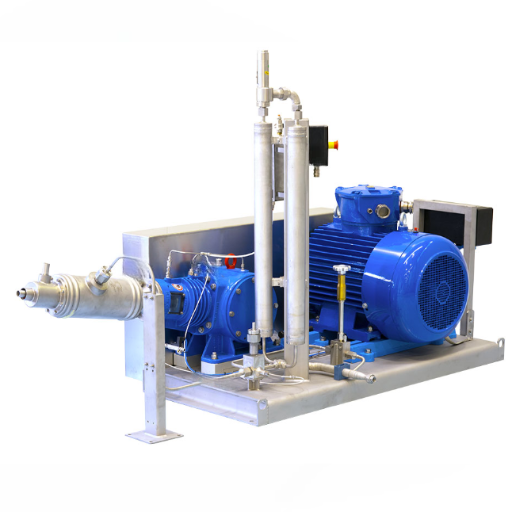
Cryogenic Liquid Hydrogen Pump is an earmarked product made to manage liquid hydrogen at very low temperatures that can be used to store and transport it for various purposes. It is capable of operating in the liquid hydrogen state for effective supply in a number of sectors hydrogen for energy, transport, and industrial processes. This helps the benefit of the high energy density of hydrogen without much loss during the transfer process. Hence cryogenic pumps help the purpose of the liquid hydrogen properly and safely handled as well as increase the use of hydrogen technology without any of the risks of the existing systems.
What is a Cryogenic Pump?
Certain substances like hydrogen, nitrogen, and helium exist only in the cryogenic state. A Cryogenic Liquid Hydrogen Pump is a very special sort of pump. Of course, we are talking about pumps that deal with very cold liquids, and we mean negative temperatures. The essence of such pump design is that they are capable of safely and effectively moving those liquids as needed, avoiding heat transfer and reducing energy dissipation to a minimum. In particular, these pumps are very significant in the energy, aerospace, and health industries where there is a need for using such pumps for several purposes for example in fueling systems, cooling systems, and storage of highly cooled materials. The cryogenic systems of clean energy, hydrogen fuel technologies for example, would not have been possible without the modern compact cryogenic pumps as they are constructed efficiently to maintain the running of the cryogenic systems. Further, considering the development and automation of technologies, such tropes are gradually being developed to the expectations of new sectors.
Overview of Cryogenic Technology
Cryogenic technology is an important factor in the proper handling and management of liquid hydrogen. This is especially true in such systems as cryogenic liquid hydrogen pumps. The purpose of these pumps is to allow the movement of liquid hydrogen and its pressurization at very low temperatures, often less than -423°F (-253°C) at which hydrogen does not transform into a gas. The function of this system is to ensure that the hydrogen is kept in cryogenic conditions to minimize the loss by evaporation during transfer and also to enhance safety.
The insulated vessels, specific seals and well-designed impeller assemblies form an integral part of cryogenic liquid hydrogen pump for such conditions. Heat inflow is reduced by using effective insulation techniques such as vacuum jackets to keep the hydrogen in a liquid state. Also, in modern cryogenic pumps, there are also anti-pollution and design features that help facilitate reliable working of the pumps even in harsh environments.
Cryogenic Liquid Hydrogen Pump is perfect for, among other things, Hydrogen refueling stations, industrial processes, or even aerospace equipment with the approach of cryogenics, positioning it perfectly in these markets. It helps transport liquids, which are fundamental to hydrogen energy and its (hydrogen’s) commercialization, growth and development into all or major economic sectors by providing cost, health, and environmental benefits.
02
Operational Principles of Liquid Hydrogen Pumps
How Cryogenic Pumps Function
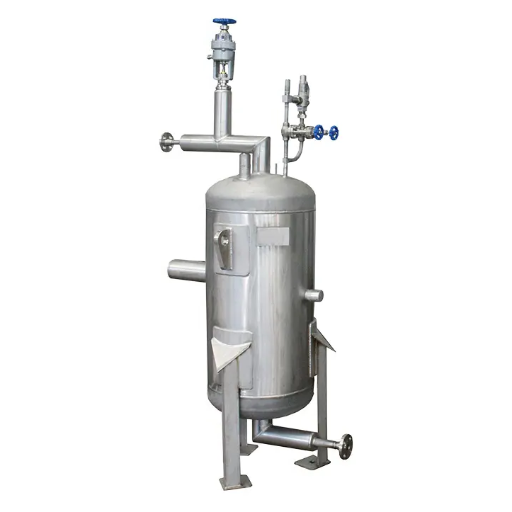
Cryogenic Liquid Hydrogen Pump functions in a manner that they regulate extreme low temperature fluids e.g., liquid hydrogen. These pumps are engineered in a manner that maintains the temperature of the medium in cryogenic state such that it does not change its state into a gaseous form when the media is being transferred. This is enabled by the operation of these pumps within insulators and using materials that are able to resist very low temperatures hence reducing the amount of heat that can flow and keep temperatures low within the fluid.
The primary mode of operation entails extraction of liquid hydrogen from a tank and raising its pressure for possible further applications. Most of the components of the pumps such as impellers or pistons reciprocating do this by moving the liquid within the desired axis with the required force. Such designs have been specifically made to operate in ultra-low temperatures without breaking apart or freezing any of its components. It is worth noting that upgraded sealing technologies are used to curtail unwanted emissions hence assuring its active uses.
Cryogenic liquid Hydrogen pump performance is enhanced when it has sophisticated temperature and pressure regulators. These controls facilitate the easiness of the fluid transfer at a specific rate without the obstacles of cavitation or any other inefficiency. Such a well designed system enables usage of the liquid Hydrogen in the form of different applications in various industries in a safe manner while being effective and energy saving.
Key Components of a Liquid Hydrogen Pump
| Component | Function |
|---|---|
| Pump Casing | The outer shell of the pump, which secures its structural integrity and holds the liquid hydrogen, as well as other components inside. |
| Cryogenic Impeller | A specialized blade system designed to move liquid hydrogen efficiently while maintaining low temperatures. |
| Seal System | Maintains the integrity of liquid hydrogen during operation to conserve safety in the event of any leakages. |
| Heat Exchanger | One that will be used for effective management of energy transfer to ensure that low temperatures of liquid hydrogen are kept constant. |
| Control Mechanism | Systems designed to monitor and control, maintaining stable pressure, flow, and temperature for optimal performance and operational safety. |
| Bearings and Shafts | Enabling the system to tolerate extreme temperatures so as to provide freedom for pump operation. |
The components are designed in conjunction to safely, reliably, and efficiently handle the liquid hydrogen in cryogenic applications.
03
Design Considerations for Cryogenic Liquid Hydrogen Pumps
Materials Used in Cryogenic Pump Construction
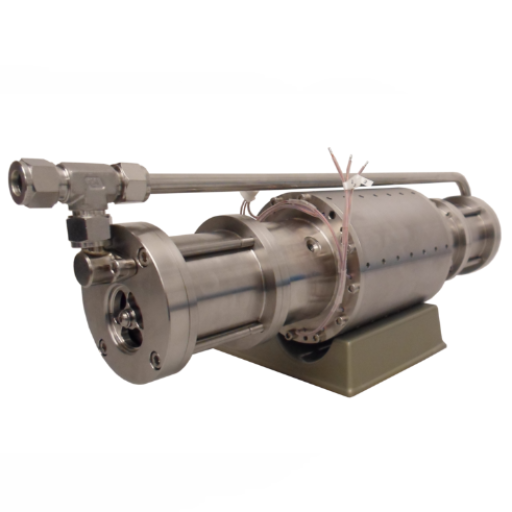
Cryogenic hydrogen liquid pumps themselves are manufactured using materials that have the inherent characteristics to withstand extremely low temperatures and high pressures while providing structural support. Among these basic materials, one ordinarily encounters stainless steel for strength and corrosion resistance, and types of aluminum alloy for lightweight and excellent thermal conductivity. At the same time, some polymers and seals that are generally specialized are used for cryogenic temperature and are not standard in any sense of the definition. The selection that takes place here has to ensure that their long-term performance in high-demand cryogenic applications is both safe and reliable.
Thermal Insulation Techniques
Technique 01
Multi-Layer Insulation (MLI)
One popular way is to use multi-layer insulation (MLI), with alternate layers of reflective material and spacer fabrics stacked one on top of the other to significantly lower the heat radiated.
Technique 02
Vacuum Insulation
Another strategy is vacuum insulation which involves placing the pump and storage tanks in a vacuum chamber to remove the associated heat transfer by convection.
Technique 03
Aerogel Materials
There is an increase in the exploitation of aerogel materials, considered a cutting-edge technology, which are high performance in terms of insulation and minimal in weight. These advanced materials have very high thermal retention even in severe environments.
Technique 04
Foam Insulation
One of the types of the use of insulation is to implement a foam, namely polyurethane or polystyrene around the structure in order to reduce expenses related to the insulation or due to versatility. Incorporating such techniques helps facilitate any of the types of insulation, leading to protect the equipment from damage or the systems that in hydrogen storage take full advantage of Cryogenic Liquid Hydrogen Pump.
04
Applications of Cryogenic Liquid Hydrogen Pumps
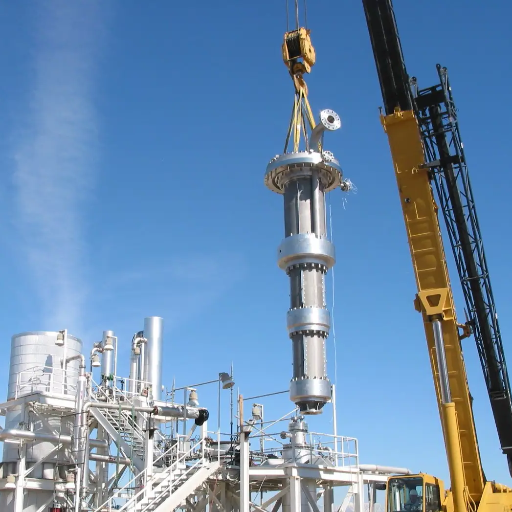
Real-World Deployments Across Industry Sectors
05
Challenges in Operating Cryogenic Liquid Hydrogen Pumps
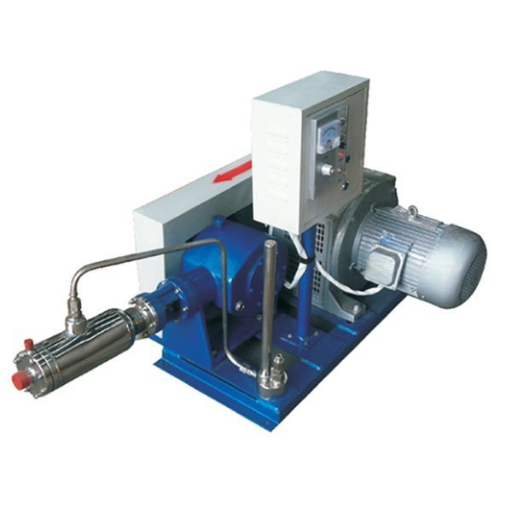
Operational Challenges at Cryogenic Temperatures
The operation of cryogenic liquid hydrogen pumps is faced with multiple issues resulting from very low degrees of temperature. The focus is on materials, and some materials become brittle at cold temperatures leading to mechanical failure. Thermal contraction should be handled properly to avoid any leaks or deforming of the seals and joints. It is mandatory that efficient insulation is imposed to prevent the heat gain from cold blister-less temperatures that will rise by even a few degrees leading to boil-off, thereby reducing efficiency and posing operational threats. The stage is the high-performance of lubricants and moving parts at such operating conditions, since working under cryogenic temperature sets trademarks on this form of system. To rectify this issue, a precise engineering approach with high-quality materials must be considered for such operation.
Safety Considerations and Risk Management
Safety management for gases such as hydrogen liquid amid high temperatures in cryogenic liquid pumps include issues such as a high degree of flammability, extreme temperature at that point, and system integrity. Key risk mitigation areas include:
-
1Thermal Stress in InsulationInsulation has to accommodate, first of all, thermal stresses which may otherwise cause thermal rupture of the insulation material. Plus, the insulation system has to implement provisions against factors causing heat ingress, hence insulation material must be supplementary in hermeticity besides high R-value.
-
2Sealing System IntegrityMaintenance of the sealing systems and the regular tests against containment leakage can offer reduced chances of accidental release on that front. Seals must maintain flexibility on exposure to extremely low temperatures sufficient to keep closure of components within the required gap.
-
3Boil-Off ManagementFacilities have to be provided for handling large boil-offs while maintaining cryogenic insulation in a way that presents zero heat ingress to components. Emergency venting for overpressure and pressure relief is essential for mitigating the overpressurization hazard.
-
4Operator TrainingRisk management can also be described as providing detailed training specific to operators and maintenance technicians; this will enable operators to manage hazards appropriately and know the correct procedures to apply in certain situations.
-
5Advanced Monitoring SystemsWhen advanced sensors and monitoring systems are incorporated, it can help ensure early identification of hazardous leaks and/or abnormal behaviors, thereby improving overall safety.
-
6Regulatory Standards ComplianceCompliance with standards, such as those offered by the American Society of Mechanical Engineers (ASME) and the National Fire Protection Association (NFPA), further ensures that from the design through the operation stage, both the end product and the operations are in full conformance with the best practices of the industry.
Maintenance and Reliability Issues
These cryogenic liquid hydrogen driven machines must receive timely servicing to keep them within operating parameters and ensure safety. Occurrence of wear and tear on seals and bearings, caused by the extreme temperature difference, may result in leaks and inefficient performance. Proper insulation is critical in keeping the warmth out of them and thus maintaining efficiency and reducing operating expenses.
Thorough examination for material fatigue, which occurs as a result of repetitive exposure to temperatures below cryogenic ones, is integral for preventing failure. Regular inspections, along with the replacement of certain parts when they become vulnerable, are musts. Also, using high-quality proven materials made specifically for cryogenic applications can significantly improve operational standards.
Maintenance proactively schedule and regular testing of pump performance through advanced diagnostics can help in identifying potential issues before they occur and mitigating the risk failure. It is also crucial to have appropriately trained personnel handling these systems to ensure long-term reliability and safety.
06
Frequently Asked Questions
Cryogenic Liquid Hydrogen Pump — Technical Q&A
Academic & Industry
Reference Sources
-
Comparative Techno-Economic Analysis of Liquid-Hydrogen Refueling Stations
This study evaluates energy consumption, pump technologies, and efficiency in liquid hydrogen refueling stations, highlighting the advantages of cryogenic pumps.
Source -
Liquid Hydrogen Pump Performance and Durability Testing
This paper reports on the performance and durability of liquid hydrogen pumps through repeated cryogenic vessel filling, providing insights into their operational efficiency.
Source -
Experimental Investigation for Operational Performance Improvement of Cryogenic Piston-Type Pump
This research explores the subcooling effect on cryogenic liquid hydrogen pumps, focusing on performance improvements and efficiency.
Source -
Liquid Pump-Enabled Hydrogen Refueling System for Heavy-Duty Fuel Cell Vehicles
This study examines the performance of liquid hydrogen pumps in refueling systems, emphasizing volumetric efficiency and energy consumption.
Source
// SYS-DOC: WHY I WRITE THIS
[01] About PanGeng
PanGeng is an industrial gas compressor manufacturer based in Bengbu, Anhui, China. Since 2009, we have focused on the design, R&D, production, and manufacturing of customized gas compressor systems for oilfield, chemical, energy, hydrogen, nitrogen, biogas, and industrial air applications.
[02] Our Expertise
We write compressor guides based on real manufacturing and engineering experience, including hydrogen compressors, nitrogen compressors, booster compressors, medium and high-pressure air compressors, oilfield nitrogen injection systems, biogas compressors, and OEM/ODM custom compressor solutions.
Our engineering team supports customers from application analysis and compressor selection to production, factory testing, commissioning, spare parts, and after-sales service.
[03] Why You Can Trust This Content
The technical information in our articles is based on PanGeng’s in-house compressor design and manufacturing experience, current product capabilities, and project support for industrial clients in global markets. Our goal is to help buyers understand compressor types, pressure ranges, gas requirements, customization options, and long-term operating costs before making a purchasing decision.
CONTACT PROFILE
AUTHORITATIVE SOURCE
NAME
PanGeng Engineering Team
BRAND
PanGeng
COUNTRY
China
MODEL
B2B / OEM & ODM
EMAIL
pg20090705@163.com
PHONE
0552-4958225
WEBSITE
pgcompress.com
Related Posts
![Low Pressure Hydrogen Compressor Applications [Guide]](https://pgcompress.com/wp-content/uploads/2026/09/low-pressure-hydrogen-compressor-applications-blog-featured-768x512.png)

Trending now

![Low Pressure Hydrogen Compressor Applications [Guide]](https://pgcompress.com/wp-content/uploads/2026/09/low-pressure-hydrogen-compressor-applications-blog-featured-150x150.png)