Get in Touch with Pangeng

Green Hydrogen Production: Compressor Requirements

Contents
show
In the ongoing drive towards sustainable energy solutions, green hydrogen is emerging as one of the most critical factors, providing a clean and renewable option in comparison to fossil fuels. In case green hydrogen is to be realized fully, the technical challenges of production, storage, and transportation need to be addressed. One of the keys here is the compressor, whose importance is frequently underemphasized. Compressors are at the core of hydrogen systems, offering the efficient handling and precise pressurization during production and delivery. This article examines the necessary compressor characteristics in green hydrogen production systems, explaining their working specifications and requirements and showcases how they are the cornerstones of scalability and efficiency in a rapidly evolving industry.
Introduction to Green Hydrogen
Green hydrogen is a term used to describe hydorgen that is produced through the process of electrolysis by using renewable energy sources like wind, sun and even hydro power activities. It involves the splitting of water into its constituent elements- hydrogen and oxygen, which makes the hydrogen gas, which is burnt as a fuel. unlike most other methods of hydrogen gas production which in a way are dependent on the burning of combustibles that emit carbon dioxide, in the production of green hydrogen. This makes green hydrogen an important fuel source as we move towards cleaner energy. Its use can easily be compared as a drop in transportation fuel, heat energy for industrial purposes in factories, or a sustainable power generation solution for better renewable energy.
What is Green Hydrogen?
The creation of so-called green hydrogen is the direct result of a system named electrolysis that manages splitting water (H₂O) into its primordial two parts—hydrogen (H₂) and oxygen (O₂) elements—by means of electricity. Making hydrogen green, the electricity employed in electrolysis should be the one generated form clean or renewable resources like wind energy, solar power or hydro power. To increase efficiency and scalability, advanced technologies, such as polymer electrolyte membrane (PEM) and alkaline electrolysis, are often employed. These technologies ensure that energy cannot have any emissions with the end product being water vapor and oxygen only.
Recent progression made in the design of electrolyzers and the generation of renewable power, has greatly increased the cost-competitiveness of green hydrogen, making it more available for commercial applications. Under an increasingly global alliance towards achieving carbon neutrality, countries and industrial sectors have made considerable investments in green hydrogen infrastructure including production facilities and distribution grids intended to guarantee its deployment in various sectors.
The Importance of the Hydrogen Economy
The transition to a sustainable, low carbon future will be one filled with technological innovation especially in the energy sector. Hydrogen is one the potential solutions that can help make the world free of carbon emissions particularly with hard-to-cover sectors such as manufacturing, long hauls and aviation. This can be owed to the fact that hydrogen does not produce any emissions when energy is stored and compressed within the cells or in the combustion chamber. It can be used to support or even address climate change and energy needs at a worldwide level.
It has recently become evident that the hydrogen industry worldwide will not only grow but is also estimated to be more than $300 billion by 2050. The growth is due to the development of the more viable hydrogen production plants with the decrease in the most ineffective systems, such as proton exchange membrane (PEM) electrolyzers. Its electrolyzer was one of the first among many reasons that have been understood. Furthermore, hydrogen economies in the regions with the highest consumption of the energy sources, including the United States, Japan, the European Union, are supplemented with programmes in hydrogen technologies and infrastructure. These programs commonly include looking past widely adopted principles and strategies to their acceleration.
Furthermore, the uses of molecular hydrogen have touched upon in other areas, for instance, fuel cell electric vehicles (FCEVs) or ammonia production, which indicate that its role is more pervasive. Hydrogen is not specific to any one sphere but rather acts as a catalyst or a tool in facilitating the three E’s –energy generating, storing, and deriving strength. That is, the zero-emission utilization of hydrogen is an aspect of the environment but more so, the potential of hydrogen as an energy solution is an as important issue from the viewpoint of global economy.
Overview of the Hydrogen Value Chain
The hydrogen value chain involves the thorough steps that cover production, storage, delivery, and utilization of hydrogen across different sectors. In the initial step of production, a few of the possible hydrogen supply methods include energy based electrolysis, steam methane reforming process or steam methane reforming (SMR) with carbon offsets, and more recently utilizing methods like microbial and thermochemical water splitting. Today, electrolysis especially is receiving considerable attention because of the advent of green hydrogen which is obtained without the presence of carbon in the atmosphere, a critical requirement when looking to reach global climate goals.
Hydrogen storage solutions include several methods such as compression, liquefaction and chemical carriers like ammonia or metal hydrides, every method in particular having its advantages depending on transport and use-case requirements. The distribution infrastructure which includes pipelines, high-pressure containers and shipping hydrogen as liquid or in a carrier is undergoing considerable improvement in order to cope with the rapid emergence of the hydrogen economy.
An extension of hydrogen, in short, includes utilization of fuel cells for transportation, industrial applications, and large-scale energy storage. This trend finds elaborate application in sectors such steel, aviation as well as maritime industry demonstrating that hydrogen can indeed contribute to curbing emissions that civilization is finding difficult to eliminate. The hydrogen market at large is expected to witness large expansion dynamics over the sales forecast period, with further technological total requirements and affordable hydrogen policy incentives in place, thus making hydrogen a pillar in the efforts of transitioning to a sustainable energy system across the globe.
Compressor Technology in Hydrogen Production
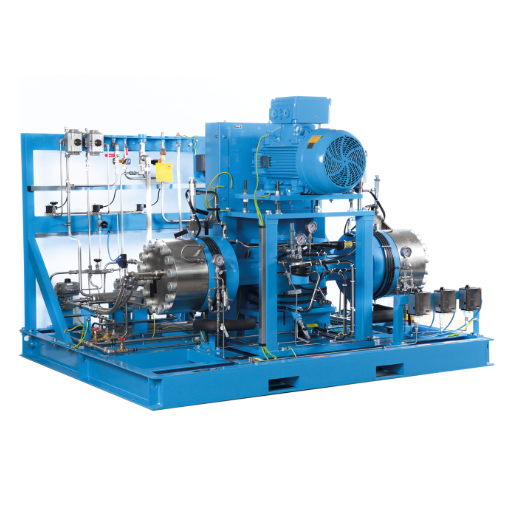
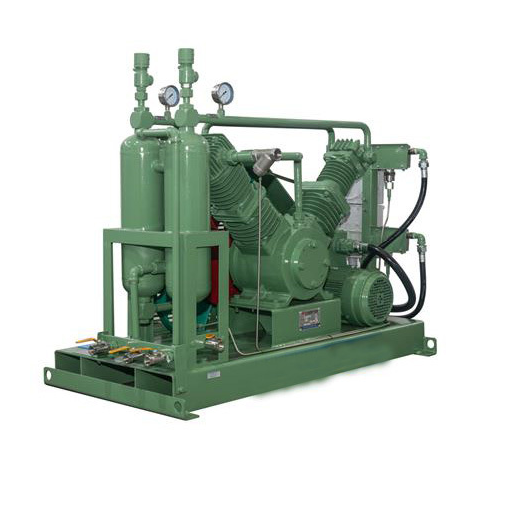
Hydrogen compressors are considered as the main elements during hydrogen production because they help with the transportation and storage of hydrogen by increasing the pressure to the required levels. This kind of activity is especially important in different production methods including the deployment of water electrolysis and steam reforming of natural gas, since the hydrogen gas must be compressed before it is sent anywhere else or at high levels of purity injected in water. Modern types of compressors face and overcome the challenges of the low molecular weight of hydrogen and its high diffusivity in such a way as to enhance the safety and efficiency in operation of the system. Due to this, in terms of hydrogen purity and cross-contamination probability, both oil-free piston and diaphragm compressors are used normally, with, of course, some other technologies such as advanced materials with high resistance to hydrogen or feedback regulators incorporated.
Types of Compressors Used in Hydrogen Systems
| Compressor Type | Key Features | Advantages | Limitations |
|---|---|---|---|
| Diaphragm Compressors | Oil-free operation | Maintains high hydrogen purity | Limited flow rate capacity |
| Piston Compressors | High-pressure performance | Robust and versatile design | Requires regular maintenance |
| Centrifugal Compressors | Continuous flow capabilities | High efficiency for large volumes | Not suitable for low flow rates |
| Screw Compressors | Compact and reliable | Low maintenance requirements | Efficiency drops at high pressures |
| Electrochemical Compressors | No moving parts | Highly energy-efficient | Limited by material durability |
| Ionic Liquid Compressors | Lubrication-free with ionic liquid | Reduces contamination risks | Emerging technology, less common |
| Scroll Compressors | Quiet operation | Small footprint and low noise | Limited pressure applications |
Role of Hydrogen Compressors in the Production Process
Hydrogen pumping systems are a critical aspect in which the element is stored manufactured distributed used and carried by the energy and industrial sectors. They are essential to the process of increasing of the elemental possessiveness and qualify the hydrogen for various gas transportation means or component use for storage. For facilities where hydrogen is generated, such as steam сhannels or electrolysis plants, along with a gas compressor, compressors are needed to ensure that the hydrogen generated reaches the level of pressure that is needed for subsequent activities like purification, liquefaction, or the delivery of hydrogen through common fueling systems.
As the technologies for compressing hydrogen improve thanks to the entry of new materials and techniques in hydrogen sciences and engineering, the design of compressors has to take into account the unique characteristics of hydrogen, such as its low molecular weight and high permeability. That in itself requires, among other things, sturdy sealing systems, materials that will not be affected by hydrogen embrittlement, and precision engineering to addresses sealing and operational issues. Besides, the growth in alternative energy sources with “sustainable characteristics” such as hydrogen production is likely to quicken the pace of development for energy efficient, low technical servicing cost, compressors such as those employing electrochemical and ionic liquid technologies.
Advanced carbon capture has found numerous applications, among others, it has helped to cut emissions from plants horizons that did not participate in reduction measures before. Moving forward, small scale utilization of carbon capture in industry is likely to panic, on account of more stringent emission regulations set by government or regional programs to reduce emissions.
Reciprocating Compressors vs. Other Technologies
| Parameter | Reciprocating Compressors | Centrifugal Compressors | Diaphragm Compressors | Rotary Screw Compressors |
|---|---|---|---|---|
| Pressure Range | Wide, up to very high pressures | Limited to low-to-medium pressures | Ideal for high pressures | Moderate, not suitable for very high pressures |
| Flow Rate | Low to moderate | High | Low | Moderate to high |
| Efficiency | High for low-velocity flows | High at constant high flows | Very high in specific applications | Moderate at varying flows |
| Maintenance Requirements | Regular valve and piston checks | Low due to fewer moving parts | Low but specialized | Moderate, parts wear more slowly |
| Applications | Industrial, hydrogen refueling, and feedstock | High-volume pipelines | Medical, research, and specialty gases | Manufacturing and processing industries |
| Capex (Capital Cost) | Moderate to high | High | High | Moderate |
| Opex (Operational Cost) | Moderate due to complex components | Low operational costs | Low operational costs | Moderate |
| Scalability | Well-suited for modular scaling | Less scalable for diverse needs | Limited scalability | Suited for modular adjustments |
| Durability | Robust and reliable for demanding tasks | Durable with fewer wear parts | Very durable under controlled conditions | Durable for medium-duty use |
| Noise Levels | Relatively high | Lower than reciprocating compressors | Very low | Lower noise, depending on type |
Technical Requirements for Hydrogen Compressors

- Performance Requirements
It is important to ascertain whether a compressor capable of attaining the necessary pressure and flow rates is available. Any mismatch of the models to the demands they should cater to shall do very little to ensure efficiency or performance. - Energy Efficiency
Use a high temperature compressor that consumes less energy, and is also cost and environmental effective. Be sure to check if there are any performance ratings of some sort on these compressors. - Durability and Maintenance
When the resilience of the product to conditions or workloads within those conditions is raised, it is better to select such a high-quality compressor. They are best for reducing downtimes, considering such features as designs that require very little maintenance and the availability of equipment for service. - Noise Levels
For the given application, noise levels need not be high provided the compressors meet the cleanliness requirements. Noise levels must remain within limit especially interiors or places that require quiet surroundings. - Scalability
Most importantly, check to see if the equipment can cater for such changes as future expansion or even adjustments of modular type compressor systems without compromising the cost or the benefits brought by the equipment.
Understanding Compression Solutions for Hydrogen Projects
The role of hydrogen compression in the systems of hydrogen production storage and transferring in industrial objects, as also within other alternative energy sources aimed at satisfying renewable energy markets etc. needs to be efficient. Today’s hydrogen compressors are more technologically advanced, implementing rotative or reciprocating and ionic liquids to handle the compression of gas to high pressures and at the same time maintain gas purity. Compression ratio, throughput, power savings and resistance to the unusual nature of hydrogen such as low molecular weight and high rate of diffusion – these are some of the most significant aspects when it comes to choosing a compression equipment.
Material degradation and potential loss of toughness in metals can be possibly induced by hydrogen, such conduct being enhanced by some architectural systems. Thanks to usage of modern and advanced materials, different anticorrosive coatings, and with the help of predictive maintenance practice, the resultant risks have been addressed. Moreover, in a green hydrogen scenario, possible gas compressors include those that cope with varying operating conditions and have the ability to work across varying load and unload pressures to accommodate the fluctuations arising from the renewable systems.
Integration with Compression Systems
Involving gas compression concepts in the hydrogen refueling stations design demands new technologies, because conventional technologies cannot cope with exorbitant demands involved in hydrogen fuel processing. The contemporary compression system uses adiabatic centrifugal or piston compressors, which are specifically developed to suit hydrogen because it has low molecular weight and small atomic size. Extensive research is also being done to develop high pressure piping systems necessary in these installation that is perform equally well.
Many systems aim to achieve optimal performance by incorporating real-time monitoring and predictive maintenance, facilitated by the usage of data analytics and IoT sensors. It is an operational requirement within the plant environment where operators might want to know the temperature, pressure or energy consumption of the plant. Such data can greatly serve in checking if activities being undertaken are working or are not and they need adjustments to work correctly and also save on money and the wear and tear of the equipment.
When such progressive possibilities are combined with the use of clean renewable sources of energy such as the sun and wind the operation of a facility can be fairly smooth in as much as energy input may vary with time, a task which has been traditionally difficult in managing the compression of hydrogen. By expanding new innovative solutions to the hydrogen energy market, it becomes easy to appreciate the efforts for addressing other parts of the carbon problems reducing greenhouse gas emissions and development of renewable energy.
Efficiency and Performance Optimization
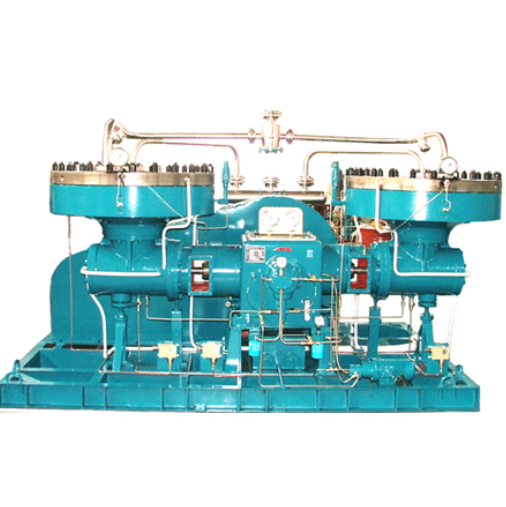
The green hydrogen commercial sector is set to grow exponentially in the coming years. In this regard, the quick and responsive support or troubleshooting for in case of any problems related to the proper functioning of compressors is a necessity which, however, has been overlooked by the majority of industry players. Although a well-maintained and equipped system boasts firm performance compliance, new businesses are cautioned against relying on it for success. With these new technologies, more doable optimisation and management strategies are in place for running hydrogen production facilities successfully and advancing them on a particular scale.
Strategies for Superior Hydrogen Compression
When it comes to improving the efficiency and durability of hydrogen compression, it is essential that cutting-edge materials be used in the compressors. Stainless steels, carbon fiber reinforced polymers and superwear resistant plastics are now employed owing to their capacity to withstand high pressure and aggressive hydrogen-containing media. Thus, use of materials possessing low hydrogen permeation properties can alleviate hydrogen damage due to phase transformation which leads to deterioration of component strength. The use of these new materials in the design of compression units allows for the better use of the equipment, which works consistently even under unfavorable conditions. Additionally, it cuts down on the frequency of maintenance services.
Achieving higher hydrogen pressures requires using hydrogen multi-stage compression efficiently. This technique consists in dividing the pressure generation process into several stages, where the pressure is built up while the heat that arises from the operation of the compressor is dissipated. The problem of heat management is also resolved through the use of heat exchangers at the stages, making the arrangement even more efficient. In addition, these systems reduce the extent of strain on any one part and thus increase durability of many components. Application of technology allowing for greater perception and application by the user in compression’s design with multisystems and appreciatively sensitized sensors addresses issues of control.
Monitoring and Analyzing Compressor Performance
Effective monitoring and analysis of compressor performance depends on today’s technology innovation, and these advances include advanced analytic technologies. The sensor finding a place inside the compressor follows the important parameters such as pressure, temperature, vibrations and flow rates. With the collection of real-time data, by calculating such operating parameters, the Inefficiency aspects or issues like potential faults could also determine their presence. The analytics also resort to algorithmic for ways in which the data can be useful as it looks at patterns and trends of behavior for better use. The activities that are part of the normal performance of a compressor unit are the cause of slow depreciation; there is lowered electric power consumption during peak hours, therefore less downtime and easier inclusion of compressors in a hydrogen production process.
Innovative Approaches to Enhance Efficiency
Strategically speaking, procurement of a concatenation of Estonian technological substances or highly improved fabrics, for instance frameworks and compositions, is an integral performance improvement solution. As such materials possess better heat conductance, lower coefficients of friction and elevated load bearing capacities under working conditions, they automatically enhance the efficiency of operations. For example, many thermally protective ceramic matrix composites are highly advanced in the market, and incorporate the technology of energy conservation specifically in reducing the perpetration energy due to heating. Moreover, wear and tear mitigation is now increasingly resorting to coatings having antifouling attributes with inbuilt sealing capacities, that in fact, promote extended utilization spans and trip readiness.
In addition, the use of machine learning also has been taken to the next level by utilizing latest technology such as predictive analytics. With these systems collecting data through the day on certain factors, as well as their analysis, they allow for fault forecasting and provide effective maintenance planning. Event based protocols, regression analysis and anomaly detection resist deviations from the normal behavior with corrective measures that eliminate potential operational interruption at peak hours of service. Predictive models for energy management also provide for the shift towards optimized energy utilization by taking a proactive approach and to inline system output adjustments to accommodate real-time demand thereby saving energy and most importantly, there is no sacrificing of system integrity.
Safety Considerations in Hydrogen Compression

Huge risks arise when liquefied hydrogen gets pressurized for packing and transportation purposes. This is due to the peculiar nature of hydrogen that comes with a play of factors like it’s light in weight, highly diffusive in nature besides being flammable. Hence, great attention has to be paid to the selection of the materials owing to the fact that hydrogen can be absorbed in the metals, leading to hydrogen embrittlement in the selected metals, causing failure above the design. Efforts must be made for suitable fail-safe measures to be incorporated in the design of the system in the form of pressure relief devices and leak detection equipments used for identifying abnormalities and addressing them in the shortest time possible.
Identifying Risks in Hydrogen Compression Systems
Compression systems for hydrogen carry several risks in their regularly scheduled use, mainly due to hydrogen’s state as a gas. The foremost of these risks is taking into account the flammability of hydrogen and the wide flammable range (4-75% of the volume of air), which basically increases the extent of risk to physical safety in terms of the probability of stray ignition due to hydrogen leaks. There is also the concern of microleaks, as an accident can still happen while using the system, because hydrogen is many times more deadly than most gases and may be expected to find its way through a permeable waterproofing material.
There are also concerns brought about by the application of hydrogen’s lower molecular weight and high diffusivity, which has led to hydrogen embrittlement and depletion of the material toughness through increased material fatigue. Such problems are enhanced only to high pressures where there is hydrogen gas working with the metals and alloys such that there is formation of microcracks in them which increase the strength of the metallic elements. The search for materials with attributes that protect the material from such influences avails the safety obligation.
Another form of operational hazard arises from the sharp increase in temperature due to violent pressure changes in the compressor. Excessive surges without the proper precautions can result in excessive heat and possible breakdown of the system. This is why implementing more advanced solutions in industrial design, monitoring, leak detection, and other aspects is of great necessity because in any industry the risk of failures is always high and non-compliance is unacceptable.
Best Practices for Safe Operation
- Regular Maintenance and Inspection
It is very important to carry out regularly scheduled service operations and inspections to catch any progressing problems ahead of time. It involves checking the parts of the system for damages, ensuring the proper lubrication of the moving parts and checking the correct bonding of sealing materials. - Implementing Real-Time Monitoring Systems
It is effective to monitor the condition of the equipment, using a monitoring system equipped with sensors to control the parameters of temperature, pressure, fluid flows, among other things. These sensors assist in the early detection of anomalies, for example instant shifts or characteristic trends leading to potential malfunctions, thereby enabling rapid corrective actions. - Enhanced Training and Standardized Protocols
Personnel should always undergo serious training on operating the equipment and the actions in an emergency situation. Procedures on how to use the machines must be adhered to in order to prevent the possibilities of errors from human factors. This will help to gain knowledge and skills in machines as well as the ones in the related fields in the shortest time. - Utilization of Advanced Materials
Using new technologies – such as higher levels of thermal and mechanical resistance – that were nonexistent in antiquity would definitely help to avert failure during worse scenarios. For instance, use of materials manufactured to face corrosiveness and hot conditions brings about increasing the lifetime of a system even in extreme conditions. - Implementation of Predictive Maintenance Models
While traditional time-based preventive maintenance swings the pendulum from the current hour, condition monitoring changes the entire outlook and introduces predictive maintenance. Manufacturers and operators in the two fields are better off with a mix of the two methods as downtime due to maintenance can be created. - Adherence to Compliance Standards
Abiding by ISO 9001 certification and ANSI and ASME codes and practices are necessary to achieve maximum benefit from a safety and performance perspective. This is reiterated by the fact that audits, as well as their renewals, are conducted in order to maintain compliance levels.
Reference Sources
- Massachusetts Institute of Technology (MIT) Energy Initiative
Producing hydrogen from electricity - National Renewable Energy Laboratory (NREL)
Hydrogen Station Compression, Storage, and Dispensing - Hydrogen Compressor
Frequently Asked Questions (FAQs)
// SYS-DOC: WHY I WRITE THIS
[01] About PanGeng
PanGeng is an industrial gas compressor manufacturer based in Bengbu, Anhui, China. Since 2009, we have focused on the design, R&D, production, and manufacturing of customized gas compressor systems for oilfield, chemical, energy, hydrogen, nitrogen, biogas, and industrial air applications.
[02] Our Expertise
We write compressor guides based on real manufacturing and engineering experience, including hydrogen compressors, nitrogen compressors, booster compressors, medium and high-pressure air compressors, oilfield nitrogen injection systems, biogas compressors, and OEM/ODM custom compressor solutions.
Our engineering team supports customers from application analysis and compressor selection to production, factory testing, commissioning, spare parts, and after-sales service.
[03] Why You Can Trust This Content
The technical information in our articles is based on PanGeng’s in-house compressor design and manufacturing experience, current product capabilities, and project support for industrial clients in global markets. Our goal is to help buyers understand compressor types, pressure ranges, gas requirements, customization options, and long-term operating costs before making a purchasing decision.
CONTACT PROFILE
AUTHORITATIVE SOURCE
NAME
PanGeng Engineering Team
BRAND
PanGeng
COUNTRY
China
MODEL
B2B / OEM & ODM
EMAIL
pg20090705@163.com
PHONE
0552-4958225
WEBSITE
pgcompress.com
Related Posts
![Low Pressure Hydrogen Compressor Applications [Guide]](https://pgcompress.com/wp-content/uploads/2026/09/low-pressure-hydrogen-compressor-applications-blog-featured-768x512.png)
Trending now

![Low Pressure Hydrogen Compressor Applications [Guide]](https://pgcompress.com/wp-content/uploads/2026/09/low-pressure-hydrogen-compressor-applications-blog-featured-150x150.png)