Get in Touch with Pangeng

Hydrogen Compressor Maintenance Best Practices

Contents
show
The hydrocarbon compressor has significant economic and technical value, as hydrogen is considered a critical energy resource across various economic niches and within the green energy landscape. However, the proper functioning and safety of these fixed compressors demands knowledge in their design or functioning and the very specific behaviour of hydrogen gas, which is not very common. This paper sets out to introduce the available material for the argumentation of the management over the maintenance of hydrogen and compressors in particular, also reviews essential safety measures associated with the equipment. Readers will have valuable practical take home message that involves all from regular evaluations to diagnostic methods to assess the state of compressor facilities.
The Importance of Hydrogen Compressor Maintenance

One particularly helpful resource for ensuring the acceptable functionality of boilers’ ground air blower is regular maintenance. In fact, blowers form an integral part of the whole process and it will be inefficient or even dangerous to misuse or even fail to upkeep them. These routine inspections are effective in the sense that they detect quick wearing off of important parts like seals, valves and bearings which warrant immediate replacement or mending. Minimizing the extent of friction by oiling the gears may help in reducing the chances of the equipment overheating.
In addition to malfunction and breakdowns, the cases of accidents and incidents causing damage or harm to certain goods or machinery were significantly brought down. Maintenance, as opposed to extreme operation, is suggested for the appliance operators because it leads to the enhancement of the system’s dependability while effectively maintaining the economic component over time.
Understanding Hydrogen Compression
Hydrogen compression is an essential activity in several industrial processes such as in energy reservoirs, in fuel stack production, and also during chemical bioprocessing. Just gas compression is the process by which hydrogen gas is reduced to a smaller volume and as a result has a high source of pressure build up, thus, this makes storage and transportation very easy. When it comes to compressing hydrogen, engineers have to pay due attention and concerns to its physical properties, namely low molecular weight and high diffusion rate, because this may have some disadvantages such as the dangers associated with leakage and materials can sustaining such conditions.
Regions that distribute hydrogen possess several types of compressors applicable for the same such as reciprocating piston, diaphragm, and centrifugal compressors designed for hydrogen. Each of these compressors has its unique features and is used for certain types of distribution systems, as well as compression reciprocating piston compressors are more applicable in case of high pressures and diaphragm compressors can be useful for achieving tight sealing without filament.
As we have seen in the laboratories, modern hydrogen compressors naturally use the highest class of materials and methods in sealing so as to prevent permeation of hydrogen and mechanical wear. It is not possible to achieve the required tight level of control or to provide operational precision without incorporating Real-time monitoring systems, defects and system wear are relatively easy to locate and this is what is enforced on the system aspects especially when reliability of process is concerned.
Impact of Regular Maintenance on Performance
Ensuring that these systems work optimally, made obligatory by maintenance, increases their durability as well; much more so in situations where they are utilized more. This occurs through planned examination and repair during which signs of wear are identified in order to reduce the rate at which the parts fail and the machine causes off-productions to occur. For instance, statistics reveal that well-maintained equipment should register 20% efficiency improvement as opposed to that which is neglected.
Additionally, maintenance procedures play a key role in the campaigns for energy efficiency. They are intended to prevent the use of seals or bearings or valves which are off their parameters for alignment thus causing energy losses. Advanced maintenance techniques such as ‘Precision Maintenance’ rely on developing trends in technologies including vibration analysis and thermal imaging which by design are intended to deal with faults far in advance. By doing this, the equipment is kept in a functional operating state, contributing savings from costly unplanned downtime and repairs or replacements.
Types of Hydrogen Compressors
| Compressor Type | Key Features | Applications | Efficiency | Maintenance Requirements |
|---|---|---|---|---|
| Reciprocating | Uses pistons for compression | High-pressure applications | High | Regular inspection of pistons |
| Diaphragm | Oil-free compression | Purity-critical industries | Moderate | Diaphragm replacement |
| Centrifugal | Rotating impellers for gas flow | Large hydrogen volumes | High | Precision balancing required |
| Rotary Screw | Intermeshing screws compress gas | Continuous compression needs | Moderate | Lubrication monitoring |
| Ionic Liquid Piston | Ionic liquid seals gas | Oil-free and high purity | High | Low wear, periodic fluid checks |
| Metal Hydride | Absorbs hydrogen in alloys | Compact and portable devices | Low | Alloy replacement over time |
| Scroll | Spiral mechanism for compression | Noise-sensitive environments | Moderate | Minimal moving parts service |
Best Practices for Hydrogen Compressor Maintenance
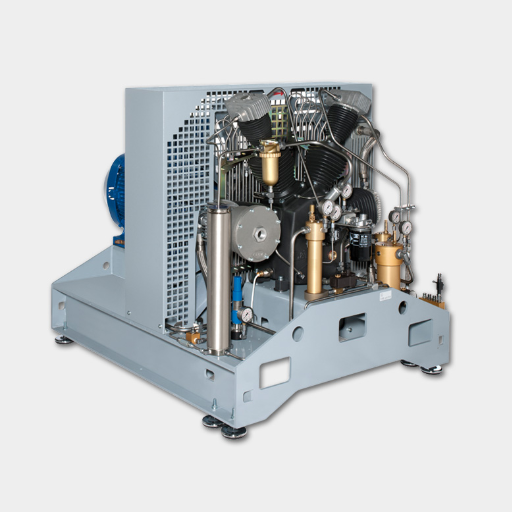
- 01
Routine InspectionsConduct regular visual and physical inspections in order to detect strained machinery, performance faults or leaks while they are still in their budding stage, in order to prevent costly redesigning process.
- 02
Lubrication ManagementFor compressors which may or may not be lubricated, ensure that the lubricant levels are correct and change the oil as often as necessary. It is most necessary to observe how lubrication is functioning in high compression systems whatsoever as compared to other systems.
- 03
Component ReplacementFor metal hydride compressors, replacement of some of the components, such as sintered semi-machined seals and even improved material coatings, will be necessary after a certain period of time to counter the inadequacies that come about over time.
- 04
Cleanliness StandardsIt will also be necessary to clean the compressor and prevent deposition of dust, debris, as well as oil that can be quite relevant in the case of oil-free compressors, to maintain the cleanliness of operations performed.
- 05
Monitor Operating ConditionsA receiver that is free of moisture in the air is operated in an environment that is free of inert gas. Saturating level comparison tests are an initial operating test. Continued observation, which requires monitoring the reliability of the supplied gas, continues at an appropriate rate during operation and includes advanced inspection of the female and the pumps.
- 06
Compliance with Manufacturer GuidelinesTo keep equipment in tip-top shape for as long as possible and running as intended, the manufacturer’s maintenance schedule and recommendations must be followed.
Creating an Effective Maintenance Schedule
Developing an effective maintenance schedule isn’t just a matter of sound planning; it also requires leveraging the best data the industry has to offer. Equipment life and performance relative to the optimal life of the equipment and the level of safety should be the main issues while drafting the schedule.
- 01
Assessment of Equipment UsageFirst of all, there is the need to undertake a study on compressor utilization, particularly with respect the extent of usage and the activity that involves its use. More detailed inspection and part changes might be pertinent with heavy duty machinery.
- 02
Detailed Maintenance IntervalsDetermine suitable periods for the tasks that look like demanding frequent or occasional handling like oiling, replacement of the filters and so on. Save this task for tomorrow if possible to avoid further reading the system and equipment malfunctions later on in the day.
- 03
Integration of Predictive Maintenance ToolsUse modern technologies in equipment maintenance programs, such as vibration analysis and thermography, for pre-failure diagnostics. The wider use of predictive maintenance is critical for enhancing the dependability of the systems and also minimizing loss as a result of sudden plant incidents.
- 04
System Documentation and TrackingIt is very important to keep records of all activities that have been carried out. Through the use of a maintenance software, one can keep to their schedules and still be able to notice trended repair and maintenance activities.
- 05
Flexibility for Variable ConditionsAnother important aspect of the maintenance plan over time is the possibility to make adjustments to certain types of work depending on weather conditions, business requirements, or new equipment enhancements.
- 06
Periodic Review and OptimizationIt is also critical that, after completing a maintenance task, administrators review the action taken and the result achieved and adjust the work cycle time. The schedule will change as per the dynamics of the operation.
It is true that with information gathered from various sources, risks associated with resource limitations can be handled better; proper planning and allocation of maintenance activities should become the answer.
Utilizing Advanced Control Systems
What a significant role advanced control systems play in the execution of administrative tasks and processes. These apparatus are designed to improve the organization’s activity through the provision of moves based on such competitive facilities as artificial intelligence (AI), machine learning (ML), and Internet of Things (IoT). This embraces all possible kinds of operational use which encompasses constant observation and fine-tuning in response to changes.
For instance, the predictability inherited in approaches and measures engineered through such applications helps customers to beat failure ahead of it. In the same way, that real time data sourcing reveals thresholds such as what desires need to maintain for performance, such data is adaptable to the extent the equipment or work process can be altered to allow for optimization even more. And with their aid, organizations can practices that will be easy on energy, prevent pollution, accommodate few downtimes, and withstand any modifications in the world of work as they come.
Hydrogen Compressor Safety Protocols

- 01
Leak DetectionInspect for leaks of hydrogen by using certified detection resources. Even though hydrogen is colorless, odorless, and very flammable, its detection has a great bearing.
- 02
VentilationYou should keep the compressor section properly ventilated to prevent the rise of hydrogen gas, which can be extremely damaging during burn up.
- 03
Pressure ControlEmploy techniques like ensuring the pressure level measured remains between given recommended figures to avoid the possibility accute over-pressurization hazards.
- 04
Material CompatibilityWhen making components or erecting a pipeline, it is important to use materials that do not promote the embrittlement associated with hydrogen so that the mechanical integrity of the materials is retained.
- 05
Fire SafetyIt is recommended to provide fire extinguishing equipment in place and to establish the emergency system’s shut down protocol in a well accessible place for effective accident management and fire containment.
- 06
Routine MaintenanceFrom time to time, carry out the necessary maintenance by checking both the operational equipment and safety gear because they need to operate properly without any risks.
Essential Safety Systems
- 01
Gas Detection SystemsImplement the use of advanced surveillance apparatus capable identifying even concentrations as small as traces of gases that are dangerous like hydrogen. These systems must offer continuous graves through different sophisticated sensors scanning and the triggers of warnings dealt with in real-time. The newest optic sensory instruments can provide an aspiring sensitivity level and damage resistance to the surrounding climatic conditions, which are so extreme.
- 02
Pressure Relief DevicesInstall pressure-relief valves in pipelines, reservoirs and other storage tanks with a high degree of accuracy in order to avoid accidents. In valve designs, posession many on completionion of installation components largely contributes to relief over-pressurization effects due to the presence of materials that could burst. More recent technologies encompass cut down-loss within an envelope by employing well-designed edge contours on high ole rates boosting their operational velocities.
- 03
Explosion-Proof EquipmentIn highly susceptible dangerous settings, one may use explosion-resistant electrical accessories designed and manufactured to minimize metal-to-metal contacts… However, within the material constraints of such equipment, it is possible to place industry-standard equipment, such as electric motors, switches, and luminaires (for example), that were IECEx or ATEX compliant for use in flammable working environments.
- 04
Automated Shut-off ValvesIn such cases, they may incorporate automatically operated valves with shutoff controls in a non-epidemic system in order to close certain faucets. Such protected rods are operable even with foam, milfoil, curdled, or other forms of work. These movable aid pens are complete with in air or water transported control.
- 05
Emergency Response IntegrationCreate, develop and run a system of full coverage emergency and rescue work. This can be guaranteed by actively managing work organizations and agency resources (rescue organizations, firefighting organizations) through the use of energy, water, gas, and other resources, and by employing advanced materials and technologies to achieve the required goals in the preparation and during resort operations.
Handling High-Pressure Environments
When working in conditions where one faces a lot of stress it’s highly likely that one should have the know-how on materials strengths as well as engineering designs that are able to cope with the given conditions. This includes the development of pressure vessels and their functioning exclusion, such as pipes, vessels, and others, which require investment in metal properties and structural integrity, since every other component breaks and leaks. The construction of pressure vessels is impossible without the analysis of characteristics like its tensile strength reliability for the sustained operation of strength fatigue resistance and thermal expansion. Materials such as high-alloy steel and composites are often used for their high-pressure capability and the flexibility to withstand high pressures.
However, one should note that when using ultra-high-pressure equipment, it is essential to have highly accurate control systems. Pressure sensors that operate using real-time pressure reading allow the process adjustment to be done automatically by the control system minimizing the possibility of system breakdown due to mechanical failures which would arise as a result of the user’s manipulation or control of the pressure system. Also, analysis through computer-aided simulation can detect areas where there will be a high possibility of stress by as well as enhance function optimization and system durability.
Emergency Procedures and Safety Checks
High-pressure systems pose risks that can only be mitigated by having certain skills and knowledge. The worst cause scenarios of a system or a component overpressure or failure can be solved with emergency procedures. Indeed, every implemented safety plan should also have the ways to disable it within a short space of time. And this is very important, especially in large plants, as delay in response to such emergencies may lead to unnecessary losses.
Control equipment is also a powerful lock to protect the equipment in an unusual condition. In whether and how one solves the problems of operating, there will possibly always be a human factor. That is why the safety plan list should be structured in such a way that it covers the people or a human-related factor. Notwithstanding this, it is possible to enhance the security of the system operations through automatic shutdown in case of human failure, and executing forcibly saved fix safety measures within a few seconds.
Staff training is the cornerstone of safety. There are responsibilities that the staff should be trained on in order for compliance to carriers. These responsibilities include personal responsibility codes of conduct, thru to stewardship and high degree of accountability—equivalent to being a very responsible passenger; and finally there is the responsibility of calming other passengers when only their supervisors are left. Moreover, very significant to any such attempts is the records already available based on the safety statistics about the nature of the safety, predominantly safety planning and safety investing, since that is what the land-based marine personnel assessment mostly focuses on.
Advanced Technologies in Maintenance
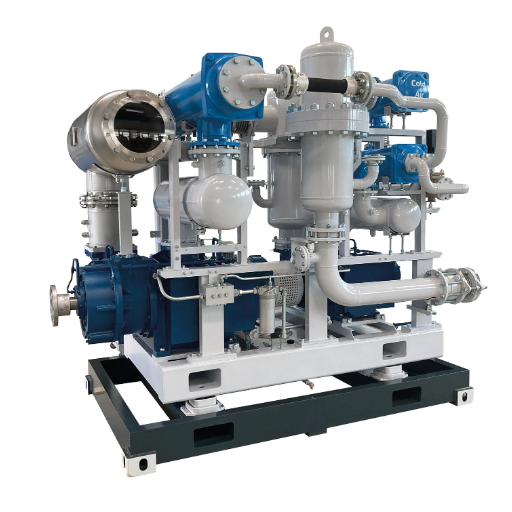
Newer technologies are of great benefit when it comes to taking care of faults quickly and reliably. To put it simply, Prognosis-oriented maintenance trends including sensor and IoT based systems take measure of how one particular assets is performing at the time and warns the maintenance team in advance if such assets are about to run out of optimal state. Artificial intelligence (AI) and machine learning, however, further extend by understanding the patterns in the data, optimizing maintenance rescheduling and cutting down on any unnecessary failures. Directly, digital solutions like Computerized Maintenance Management Systems (CMMS) help in planning preventive maintenance as well as reducing man-hour losses through clear work order management. Overall, these systems assist in enhancing operations outcomes and improving assets’ life span.
The Role of IoT Sensors
Internet of Things (IoT) has effectively updated maintenance measures in today’s era. By continuous real-time monitoring and analysis, IoT sensors stand to help improve maintenance of machines. These devices record information about working conditions of machines in terms of temperature, vibration, force and type of energy. Upon processing through advanced analytical solutions, repairs can be expedited, statuses can be recognized or known and maintenance tours can be intelligently controlled.
One example of how this can be done is that the vibration sensors of industrial machinery hold the capability of measuring the machine parts misalignments or undue wear of parts which may lead to the prevention of failure. On the other hand, the temperature sensors that are fitted in some Heat Ventilation Air Conditioning (HVAC) systems status· The operation prevents from dropping below desirable levels by controlling overheating or places where excessive energy is used.
With the merging of IoT sensors and computerized maintenance management systems, such as CMMS, in an organizational setting, companies are then able to have a more comprehensive approach when it comes to checking the status of their assets. This combined effort permits businesses to switch from preventive to predictive maintenance plans and repair techniques boosting the performance of the equipment and reducing the downtime as well as enhancing the equipment life expectancy.
Data Analytics for Predictive Maintenance
As a means to facilitate anticipatory repair activities by stimulating the analysis of huge loads of operational data accumulated within the organization, advanced data analytics plays a very important role in providing insights to the maintenance strategies. In this, data analytics is used along with or particularly on methods such as machine learning, probability theory, and statistics in detecting abnormalities in the system behavior that suggests an impending failure. Predictive maintenance determines from historically and current data when the maintenance of equipment is due, thus efficient use of resources and minimizing costly breakdowns.
In the implementation on cloud environments, this will make it easy to accommodate the growth in size of the data making the process of data analytics become more rapidly responsive. By this, organizations have the ability to work with larger collections of data from multiple locations and assets to create a richer paradigm engaging within the businesses. It has the effect of not only enhancing the ability to predict, but it also enhances their level of strategic thinking, and other long-term performance enhancement by “introducing a new phase in maintenance methods.
Integrating Control Systems for Enhanced Monitoring
In the modern day industrial domain, the use of advanced control systems plays a retrogressive role. The use of programmable logic controllers (PLCs), distributed control systems (DCS), and very advanced Internet of Things (IoT) sensors with the latest technology helps in the automation of various processes with relevant data being collected real time. More advanced control systems however allow real time adjustments of kinetics such as pressure, thermal flux, kinetics such as kinetics and adaptations of certain functions without failing. In addition to these systems, the ability to control the plant remotely that extends to the use of communication protocols such as OPC-UA or MQTT makes all possibilities achievable by combining all software and hardware elements of the system.
This information is processed by central control systems to be studied in reports, enabling users to visualize movements of the system parameters as a function of time and current condition in the table. Using intelligent data analysis, such as machine learning methods, it is possible to reveal hidden cause-and-effect relationship with the arising samples. The potential disruption can be predicted which in turn will definitely improve the operation not only in terms of reliability but also in terms of suitable and most cost effective response to such decision. It means that the use of such systems increases the ability of the management as a whole to improve its performance in working and technical terms greatly.
Enhancing Reliability and Longevity
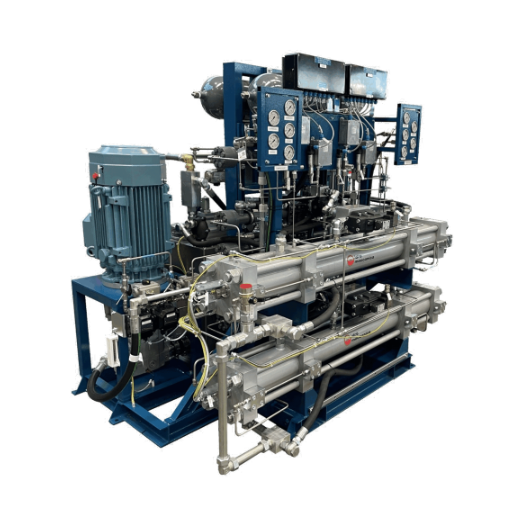
It is important to carry out maintenance and monitoring of equipment aimed at preserving them for a long time. This also includes the preventive maintenance which is done at the regular intervals by conducting inspections and services. Thus, even overhauling to avoid installing the failed system when the potential need has not arisen. This is made even more effective in that, the organisation can follow the performance indicators including temperature, pressure and the wear and tear rate among others in the content. Systems designs that insist on the use of quality components and materials in the construction and building of such systems are one of the factors ensuring their use for long periods of time. Such simple measures help to realize the anticipated outcome, and in this case, increase the scope of applicability of the system at hand without the failure that comes with unexpected betrayals.
Tips for Long-Term Equipment Durability
- 01
Implement Routine Maintenance PlansSystematic maintenance repairs are essential for the sustainability of the various equipment over a considerably long time. It is viewed that there is about 25% to 30% increase in operation effciency in case of equipment that is regularly maintained as opposed to ones that are poorly maintained.
- 02
Utilize Predictive Maintenance TechnologiesPredictive maintenance on the other hand involves the use of modern day technologies such as vibration analysis, infrared thermography, and ultrasonic testing in order to detect potential failures that would occur in the future. It has been proven that, predictive maintenance combined with the latest technology has reduced the amount of breakdowns by up to 70% and greatly reduced maintenance costs by 25%.
- 03
Operate Equipment Within Specified ParametersAlso, running an equipment on overcapacity or running equipments beyond their capability causes wear and tear. A typical example is the findings that 40% of the equipment failures that are reported are as a result of teething problems which come because it is being used beyond the set operational conditions. When suppose operation is within the specified limits, it will enhance the efficiency of the machinery and increase the life of the machine as well.
- 04
Ensure Proper Environmental ConditionsThe aspects of weather such as temperature and humidity, as well as pollutants, have an impact on the efficiency of the equipment. For example, research indicates that when concentrated moist air contacts metallic surfaces that are not protected, the average annual material loss is not less than 300-305%. In order to offset these disadvantages, it may be useful to use appliances, protective paints or solutions, or to maintain specific temperature and other parameters in the site.
- 05
Train Operators EffectivelyA machine’s life span undoubtedly increases when it is handled properly by an adequately skilled operator and promptly detects the deviations. According to industrial statistics, organizations that follow a systematic training approach are reportedly around 15% through 20% less vulnerable to breakdowns caused by machine mishandling compared to those entities that lack decent training systems or awareness.
- 06
Use High-Quality Spare Parts and MaterialsSubstandard components, however, reduce the lifespan and efficiency of a system. An organization may employ OEM (Original Equipment Manufacturer) spares or their equivalent certified parts to reduce failure rates by 50% when compared to the usage of cheaper quality products.
Implementing Predictive Maintenance Strategies
There is considerable technology that predictive support is possible. This includes thoughtful use of sensor technology in equipment, simultaneous machine learning, and use of real-time data for prognostication. Such systems closely touch upon continuous monitoring, where critical parameters like vibration, temperature, and lubrication readings are monitored in real time, and this generated data is analyzed, indicating likely yeast growth or malperformance. Implementing such a time-use framework could within industry data show a rise and this means that unplanned shutdowns can be reduced as much as 45%, and equipment life prolonged by 20%-40%, completing a reduction in costs, and increasing efficiency.
Integrating a centralized data platform is critical in the context of predictive maintenance. Centralized platforms are designed to accumulate data from various sources thus promoting cross functional analysis and making better decisions easier to follow. Moreover, the use of cloud based solutions is cost effective and can be easily scaled across the vast networks of multisite enterprises. This will also allow the maintenance teams to perform in a flexible manner taking care of all problems that might occur despite of the location. With tools working together with expert people, such firms can move from reactive or planned maintenance to full maintenance management, enabling better utilization of resources and enhancing equipment availability.
Reference Sources
-
- A review on hydrogen compression methods for hydrogen refueling stations
Read more here - Development of a centrifugal hydrogen pipeline gas compressor
Read more here - Hydrogen Compressor
Read more here
- A review on hydrogen compression methods for hydrogen refueling stations
Frequently Asked Questions (FAQs)
How can hydrogen compressor maintenance and valve inspections reduce system failures?
It is a fact that hydrogen has the capacity to leak given certain conditions such as stress corrosion cracking within the system. This is despite the effectiveness from maintenance on valve and the entire pressure system as a whole which prevent pressure leaks since it remains intact. The failure to regularly emphasize checking the mechanical shaft alignment during maintenance, as in the case of reciprocating compressors, is partly why things like misalignment distortions are avoided. Leak-point prevention strategies for airborne materials, together with best practices for valve servicing, provide protection in refineries and the petrochemical industry.
What are the best practices for hydrogen compressor safety and nitrogen purging during startup?
Hydrogen compressor safety also benefits from the application of nitrogen to effect a purging during the startup phase to reduce ignition sources when it comes to hydrogen and according to maintenance policies on safe limit conditions. Operators are also advised to commission control panels and control system reactions and assess the purity of hydrogen handling by evaluating for leaks using calibrated leak detectors. These safety measures are crucial for proper utilization of hydrogen in vehicles that use fuel cells, for example.
What maintenance schedule ensures effective maintenance of high-pressure hydrogen compression systems?
A practical strategy to keep high-pressure hydrogen compressors running smoothly entails a standardized schedule. It comprises examinations of the refrigeration network, fuel paths, and gaskets to prevent pollution and overheating. Checking the inflow rate, measuring sealing effectiveness and maintaining safety devices in working order are all likely to raise the service life and optimize the performance of the high-pressure compressor. It is also necessary that repair work related to hydrogen compressors comprises measurements with respect to the electrical system of the equipment, calibrations of the management system.
How should control systems and safety systems be tested?
Confirming system operation and safety system is possible, and is carried out via assumed arrivals, check up of automatic protection means, and sensor and leak detector checks aimed at speedy localization of detected hydrogen odour. Carry out operational safety control tests, particularly concerning auxiliary sensor devices and electrical control centre appliances, as well as working with distant control centres and other technical supervisory systems to guarantee safety and convenience in the use of equipment in harsh operating environments.
// SYS-DOC: WHY I WRITE THIS
[01] About PanGeng
PanGeng is an industrial gas compressor manufacturer based in Bengbu, Anhui, China. Since 2009, we have focused on the design, R&D, production, and manufacturing of customized gas compressor systems for oilfield, chemical, energy, hydrogen, nitrogen, biogas, and industrial air applications.
[02] Our Expertise
We write compressor guides based on real manufacturing and engineering experience, including hydrogen compressors, nitrogen compressors, booster compressors, medium and high-pressure air compressors, oilfield nitrogen injection systems, biogas compressors, and OEM/ODM custom compressor solutions.
Our engineering team supports customers from application analysis and compressor selection to production, factory testing, commissioning, spare parts, and after-sales service.
[03] Why You Can Trust This Content
The technical information in our articles is based on PanGeng’s in-house compressor design and manufacturing experience, current product capabilities, and project support for industrial clients in global markets. Our goal is to help buyers understand compressor types, pressure ranges, gas requirements, customization options, and long-term operating costs before making a purchasing decision.
CONTACT PROFILE
AUTHORITATIVE SOURCE
NAME
PanGeng Engineering Team
BRAND
PanGeng
COUNTRY
China
MODEL
B2B / OEM & ODM
EMAIL
pg20090705@163.com
PHONE
0552-4958225
WEBSITE
pgcompress.com
Related Posts
![Low Pressure Hydrogen Compressor Applications [Guide]](https://pgcompress.com/wp-content/uploads/2026/09/low-pressure-hydrogen-compressor-applications-blog-featured-768x512.png)
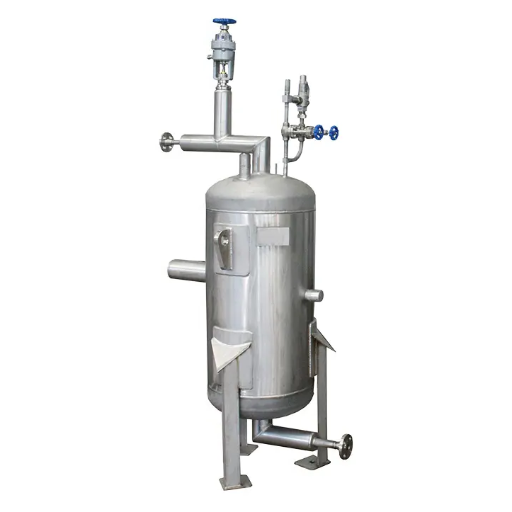
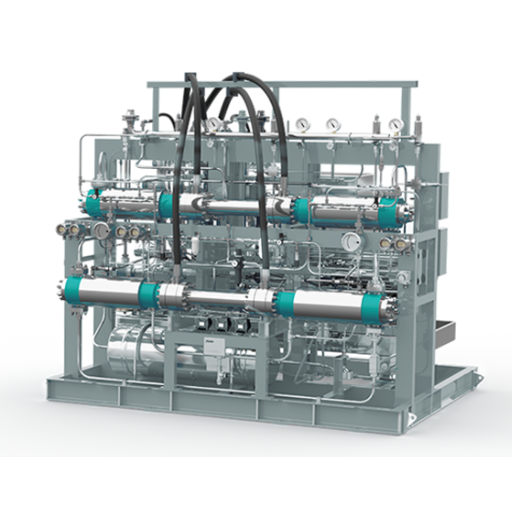
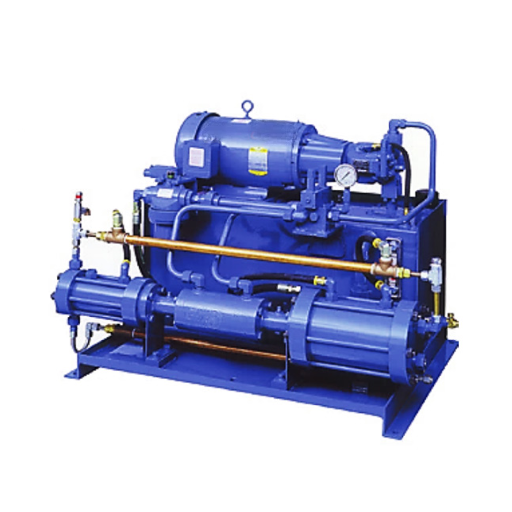
Trending now

![Low Pressure Hydrogen Compressor Applications [Guide]](https://pgcompress.com/wp-content/uploads/2026/09/low-pressure-hydrogen-compressor-applications-blog-featured-150x150.png)