Get in Touch with Pangeng

Diesel Air Compressor
Diesel Air Compressor Solutions — Custom Screw & Piston Models
Between 185 and over 1600 CFM Continuous flow Portable, truck-mounted and skid-mounted diesel air compressors designed for construction, mining, and drilling applications throughout the world.
- Engine Partners: Cummins | Deutz
- Mounting Options: Towable | Truck | Skid
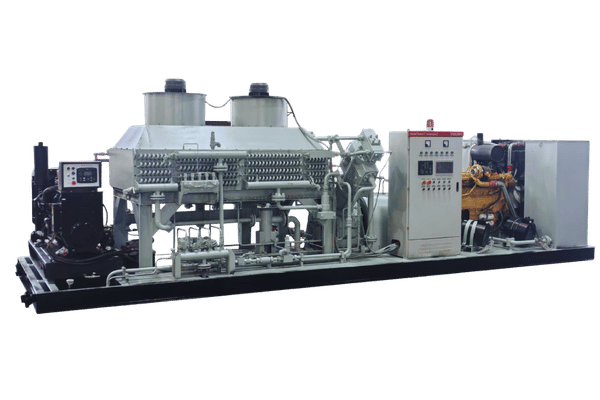
185–1,600+
CFM Range
500 PSI
Max Pressure (35 MPa)
100%
Continuous Duty Cycle
CE | ISO 9001
Global Certifications
Remote Jobsites Need Reliable Air Power — Pangeng Diesel Compressors Deliver
Construction crews, drilling groups and mining operators often operate in areas without residual power grid capability. Operating a pneumatic rock drill at high altitude, providing a supply of air to sandblast pots within a pipeline corridor or providing constant air to an underground ventilation system all require a self contained, diesel power driven air source capable of not shutting down during difficult conditions.
Pangeng diesel air compressors provide the solution for this. All units are equipped with a pact of a Cummins (Deutz) 2 or 4 strokes diesel power packs with either a rotary screw or a piston compressor element providing between 185 – 1,600+ CFM at 100 – 500 PSI — wherever you need them. Portable towable configurations can be transported between locations by the standard trailer hitch. Truck or skid mounted units provide dedicated compressed air powers during maintenance on service trucks or at the still assembly. No external cooling water is supplied thanks to the wind-cooled cage design, saving on installation time and maintenance in dusty and dry environments.
Whether you need a single compressor powering two breakers on a road construction job or a whole fleet of high-CFM models powering DTH hammers on a mining job, diesel air compressors are the only class of equipment that can ensure you get and remain independent of the electricity grid.
Pangeng Diesel Air Compressor For Sale — Models & Selection Guide
The first step in choosing the proper diesel air compressor is for you to determine three variables: your total CFM’s requirement, your operating pressure ( PSI) required and the manner in which the equipment will be delivered and used. We have organized our line into three levels below to allow you to determine the proper model for your business:
Compact Series
CFM185–250 CFM
Horsepower49–75 HP
Pressure100–150 PSI
Fuel Rate~1.6 gal/hr
MountingTowable
Compressor TypeRotary Screw
Best ForGeneral Construction
My most frequently used portable unit for jobs involving roadway construction, maintenance on public services, fiber optic cables, and the simultaneous operation of 2-3 pneumatic hand tools. Pulled behind a common pick-up truck.
Mid-Range Series
CFM375–500 CFM
Horsepower122–175 HP
Pressure100–250 PSI
Fuel Rate~3.5 gal/hr
MountingTowable / Truck
Compressor TypeRotary Screw
Best ForSandblasting / Drilling
Suitable for dedicated sandblasting operations, medium water well drill rigs, pipeline purges and multi-tool trailer work packs. Available as towable or truck-mounted for compatibility with your fleet.
Heavy-Duty Series
CFM750–1,600+ CFM
Horsepower250–540 HP
Pressure150–500 PSI
Fuel Rate~7.5–13 L/hr
MountingSkid / Truck
Compressor TypeScrew / Screw-Piston
Best ForMining / Large-Scale
Designed for continuous bulk heavy service: DTH drills, large diameter pipeline blow-in’s, mine ventilation and multi-point pneumatic distribution. Skid mounted to enable crane handling on platforms and barges.
Decision Matrix: Quick Model Selection
| Model Tier | CFM | PSI | HP | Fuel/hr | Mounting | Best Application |
|---|---|---|---|---|---|---|
| Compact | 185–250 | 100–150 | 49–75 | ~1.6 gal/hr | Towable | General construction, utilities |
| Mid-Range | 375–500 | 100–250 | 122–175 | ~3.5 gal/hr | Towable / Truck | Sandblasting, well drilling |
| Heavy-Duty | 750–1,600+ | 150–500 | 250–540 | ~7.5–13 L/hr | Skid / Truck | Mining, DTH drilling, pipeline |
Technical Deep-Dive: Rotary Screw vs. Piston — Choosing the Right Compressor Element
The new generation rotary screw compressors will produce between 4—5 CFM for every HP, with a 100% duty cycle continuously. The two tips meshing rotors – Helical at very high speed, generate a steady, pulse free air supply, perfect for continuous applications such as sandblasting, drilling and other processes which require hours of continous operation. Lower vibration, fewer wear parts mean easily maintained for longer periods and in addition lower noise levels.
Reciprocating piston compressors run at 3-4 CFM per HP at a 60-70% duty cycle, thus requiring all day long breaks to prevent overheating. Their advantage is pressure: piston technology is capable of pressures up to 50 MPa (7,250 PSI), much above what a single stage screw element can do. This is why piston compressor are suitable for interim high pressure services such as PET bottle blowing, seismic, and pressure vessel testing, this poses no problem to reciprocating piston technology.
Pangeng also offers screw-piston tandem configurations that combine a rotary screw first stage with a piston second stage. This combination provides high volume and high pressure in one wind-cooled package—an ideal solution for medium-high pressure industrial applications up to 50 MPa.
Diesel Powered Air Compressor vs Electric — Performance & Cost Comparison
Every diesel versus electric air compressor purchase ultimately comes down to three decisions: where is the compressor going to operate, how often is it going to move, and how does your total cost of ownership look over the lifetime of the equipment?
| Parameter | Diesel Rotary Screw | Electric Rotary Screw | Diesel Piston |
|---|---|---|---|
| CFM/HP Ratio | 4–5 CFM/HP | 4–5 CFM/HP | 3–4 CFM/HP |
| Duty Cycle | 100% continuous | 100% continuous | 60–70% |
| Power Source | Self-contained diesel | Grid power required | Self-contained diesel |
| Mobility | Fully mobile | Fixed installation | Fully mobile |
| Purchase Cost (% of TCO) | 10–20% | 10–20% | 10–20% |
| Energy Cost (% of TCO) | ~75% (diesel fuel) | ~75% (electricity) | ~75% |
| Maintenance Cost (% of TCO) | ~15% | ~10% | ~20% |
| Noise Level | 76–83 dB | 65–75 dB | 80–90 dB |
| Emissions | Tier 4 Final compliant | Zero on-site | Tier 4 Final compliant |
| Best For | Remote/mobile operations | Fixed facilities | High-pressure intermittent |
10–20%
Purchase price makes up only 10-20% of total lifetime cost; energy use and maintenance are 80-90% of the total. Operational efficiency makes all the difference when choosing between diesel and electric systems.
Where Diesel Wins
Diesel wins in applications where the compressor is on the move. Construction fleets running across multiple sites can’t wait for electrical infrastructure installations at each; they need the full rated CFM delivered immediately upon startup. No transformer, no cable run, no utility permit required. For remote drilling projects, desert pipeline operations, and disaster relief missions diesel is the only answer.
Where Electric Wins
Electric wins in applications where the compressor remains stationary. Manufacturing facilities, permanent blow-off booths, and fixed mine ventilation systems tend to have lower energy costs per CFM hour, lower noise levels, and zero on-site emissions. If your factory has solid three-phase power and you don’t need to move your compressor, electric wins for a 10-year total cost of ownership perspective.
High-Performance Diesel Piston Air Compressors for Industrial Use
Pangeng electric compressors travel far beyond the limits of the typical installation. Here are three common scenarios to showcase the typical configuration of these applications.
Oil & Gas
Construction
Mining
Oil & Gas
DTH Drilling in Remote Terrain
Continuous high-volume airflow is required in desert and high-altitude heavy-duty applications like down-the-hole hammer drilling. Pangeng heavy-duty units rated at 750+ CFM enable DTH hammer operations for water well and exploration drilling—some times hundreds of kilometers away from the grid connection.
CFM: 750–1,200
PSI: 250–350
Mounting: Skid
Engine: Cummins
Duty: 100% continuous, 10+ hr/day
Customers using the Pangeng equipment have often seen consistent air delivery throughout continuous shifts operating in ambient temperatures from -20C to +50C, according to direct user reports to our engineering team.
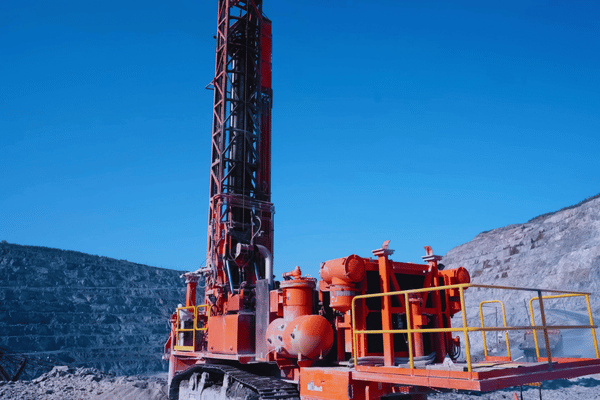
Construction
Road Building & Bridge Sandblasting
Mobile compressed air is essential at infrastructure sites, used to power pneumatic breakers on pavement, abrasive sandblasting on bridge steel, and to run multiple tools simultaneously in a field environment. For these applications, portable and mid-range units between 185-375 CFM hit the right mark for portability and supply.
CFM: 185–375
PSI: 100–150
Mounting: Towable
Engine: Deutz
Fuel: ~1.6–3.0 gal/hr
Trailer-mounted units can be easily moved by a single operator between job sites or work zones, minimizing downtime and boosting daily productivity on linear projects such as highways and tunnels.
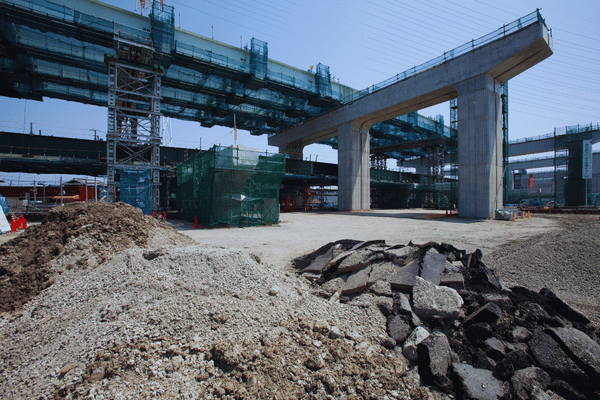
Mining
Underground Ventilation & Pneumatic Equipment
Large volumes of compressed air keep underground mining operations running, driving ventilation, pneumatic scaling equipment, and rock drill support. Pangeng rotary screw-piston tandem systems produce the volume and pressure combination needed, in a single wind-cooled package that minimizes the surface footprint.
CFM: 900–1,600+
PSI: 150–500
Mounting: Skid
Engine: Cummins
Type: Screw-Piston Tandem
Series components such as material strength and burnout characteristics as well as additional requirements. High pressure series can be used in two series configurations with the common series components, this option is often selected when maximum demands for high volume primary air and high pressure secondary air are required at the same time on one machine.
Pangeng may not yet be a household name in every market. The direct answer to this question is: every Pangeng air compressor diesel is driven by a Deutz or cummins engine – the same engine family you already put confidence in your fleet of heavy machinery. At the same time, our compressor elements, control panels and cooling systems are tested, identified and assembled in our organization. We are receiving international commended drivetrain components together with our own compression technology and throughout our service unit all over the world you can control, switch over and support a Pangeng compressor in turn globally.
Diesel Rotary Screw Air Compressor Certifications and Compliance
Procurement teams anticipate documents to show both product validation and statutory authority before significant approval. Pangeng gets full package documents for each and every compression air compressor we send out.
CE Marking
Confirms conformity with EU health, safety, and environmental protection standards for machinery sold in the European Economic Area.
ISO 9001:2015
Pangeng's quality management system is certified to ISO 9001:2015, covering design, manufacturing, and inspection of all compressor products.
Tier 4 Final / Stage V
Cummins and Deutz engine options meet US EPA Tier 4 Final and EU Stage V emission limits for non-road diesel engines.
ASME / PED
Pressure-containing components comply with ASME Boiler and Pressure Vessel Code and/or EU Pressure Equipment Directive (PED) 2014/68/EU.
Technical Deep-Dive: Tier 4 Final Emissions Compliance
Stage V (EU) and US EPA Tier 4 Final are the toughest standards for non-road diesel engines. Get your emission compliance with 2 procedures:
1
Diesel Exhaust Fluid(ZEGbrk) is was injected into exhaust flow to greatly reduce the pollutants from the engine. It is a urea water solution. A catalytic converter reduces nitrogen oxides in stream by almost 99%. Consumed Diesel Exhaust Fluid(ZEGbrk) is 1gal per 20 gal of diesel fuel.
2
Diesel Particulates Filter is the filter collect SOOT particles. It oxidizes it when required and is minimized down to NFPA standard 99%. Automatic regeneration occurs periodically without need for operator compression
A Procurement Guide to Portable Diesel Air Compressor
Pricing for a diesel air compressor can depend on many factors, and varies widely. In order to provide an accurate quote, our sales department needs information on the following features:configuration, additional component requirements, typical operating conditions.
Pricing Factors
CFM Capacity & Pressure Rating
Higher airflow and higher operating pressure require larger compressor elements and heavier-duty components, directly increasing unit cost.
Compressor Type
Rotary screw, reciprocating piston, and screw-piston tandem systems each carry different manufacturing complexity and material costs.
Engine Brand & Emission Tier
Cummins, Deutz, and other engine options at Tier 4 Final/Stage V carry different price points based on displacement, power output, and aftertreatment systems.
Mounting Configuration
Towable trailer chassis, truck-mount sub-frames, and skid-mount base frames each add different structural and integration costs.
Custom Features
Aftercoolers, cold weather packages (block heaters, arctic lubricants), noise reduction enclosures, and telemetry systems are priced individually.
Order Volume
Fleet purchases and multi-unit orders qualify for volume pricing. Contact Pangeng for a detailed quotation based on your application parameters.
Lead Time
Typical lead time for delivery depends on configuration, current factory backlog and the raw materials available for production at the time of order. Due to the nature of the products involved, a definitive delivery time frame is impossible to guarantee, but production kit lead times can be provided by a member of the sales team upon submission of your specific application.
After-Sales Support
Every Pangeng diesel air compressor enjoys a standard warranty on the compressor element, control system and frame construction. All engines are covered by the engine fabricator's standard warranty terms. We provide the following after sales features:
Spare parts supply: Consumable kits (oil filters, air filters, separator elements, belts) stocked for direct shipment
Technical support: Remote diagnostics and troubleshooting via phone, email, and video call with our Bengbu-based engineering team
Service documentation: Full operation manuals, parts catalogs, and maintenance schedules provided in English with every unit
Extended warranty options: Available for fleet customers and long-term projects
We understand some end users are concerned about aftermarket support from an unknown new OEM. Our simple answer is this: we build and stock wear parts, and ship directly from our manufacturing center in Bengbu with fully supportable engines (we have Cummins and Deutz dealerships in almost all continents), then provide remote-supported technical support on the other side of your time zone. Your diesel engine technician already have all the skills on taking care of 80% of a Pangeng compressor - the engine, the fuel supply system, the cooling system are same as what you have today on your excavator and generator.
Diesel Air Compressor Tools
Essential resources and calculators for your diesel-powered air systems
CFM Calculator
Accurately calculate the required volume flow (CFM) parameters to ensure optimal compressor performance.
Access ToolDiesel vs Electric Comparison
Evaluate the technical differences, efficiency, and use cases between diesel and electric drive systems.
View ComparisonApplication Matcher
Use our interactive tool to find the exact equipment model tailored to your specific industry requirements.
Start MatchingDiesel Air Compressor FAQ
1. What size diesel air compressor do I need for my application?
Compare your total CFM demand at its operating PSI. Add up the airflow requirements of each tool that will be used at the same time and add 20-25% contingency. Individual air compressor will require about 90 CFM when operating a jackhammer, and DTH a hole hammer may need 750 CFM or more. And for sandblasting with a 3/8-inch nozzle you should plan for 140 to 170 CFM at 100 PSI. If you need assistance, Pangeng engineers can generate an accurate air demand calculation for multiple air tools.
2. How does a diesel air compressor work?
A compression engine incorporates a rotary screw elementor a reciprocating piston element which exerts pressure on the surrounding air. In the case of a rotary screw model, two mating helical rotors scissor in a housing, trapping and decreasing air volume from intake through to discharge. The diesel engine provides shaft power either through a direct drive or a belt drive connection. The compressed air is cooled by an aftercooler, and cleaned by a oil separator before arriving at the service valve. Powered solely by diesel engine, the equipment does not require an external electrical power source, which gives you full mobility when operating in remote locations.
3. Diesel vs electric air compressor — which is better for my operation?
Diesel wins when your steps are far apart, your staff is remote, or you plan to operate off the grid. It is produces full rated CFM anywhere without need for infrastructure. Electric compressors are less expensive relative to CFM/hwhere grid power is reliable and inexpensive, and produce no emissions on site. If your equipment visits job sites with regular frequency, this is an engine to have. If your compressor remains in one facility where three phase power is dependable and inexpensive, electric will tend to minimize the overall cost of ownership.
4. What is a 185 CFM air compressor used for?
A 185 CFM diesel compressor is the heart of a general construction operation. This portable compressor supports one or two pneumatic hammers, a single small-nozzle sandblast pot, pneumatic hand tools on a job site, or blowing optic cable through a conduit. This size is towable behind a normal pickup truck, and as such, it is arguably the most versatile portable compressor size in the industry today.
5. How many PSI does a diesel air compressor produce?
Standard portables run at 100-150 PSI. Medium pressure models reach 250-500 PSI for drilling and pipeline testing. Pangeng also builds high-pressure piston and screw-piston tandem systems rated up to 50 MPa (7,250 PSI).
6. What maintenance does a diesel air compressor require?
Routine servicing intervals: engine oil and filter change every 250-500 hours, air filter inspection every 100 hours (replace as needed), compressor oil change every 1,000-2,000 hours (rotary screw), fuel filter replacement every 500 hours, belt inspection every 500 hours, oil separator element every 2,000-4,000 hours. Tier 4 Final engine models also require periodic DPF regeneration and DPF additive replenishment. Ask your model for detailed service recommendations.
7. Are diesel air compressors Tier 4 Final compliant?
Diesel compressors supplied by Pangeng with Cummins and Deutz engines meet EPA Tier 4 Final and EU Stage V emission standards. These engines use SCR and DPF to reduce particulate as well as NOx emissions and are regulated for particulate emissions by us to reduce emissions by nearly 99% compared to standard engine variants. Compliance documentation is available for your procurement process upon request.
8. What mounting options are available?
Three options. Towable: trailer chassis with tow bar, fits behind a pickup. Truck-mounted: bolted onto flatbed or service truck. Skid-mounted: steel base frame for crane lifting onto platforms or barges.
9. How much fuel does a diesel air compressor consume per hour?
Generally, very roughly 1.5-2.0 gal/hr for an 185 CFM, 3.0-4.0 gal/hr for a 375-500 CFM, and 7.5-13 L/hr for a 750-1,600 CFM heavy-duty units at steady load conditions. Actual use will vary depending on altitude, ambient temperature, load cycling, and engine condition. Pangeng compressors are fitted with automatic Load/Unload controls that cut down on fuel use during low demands.
10. Can Pangeng customize diesel air compressors for specific applications?
Yes. We build our own compressors in Bengbu, Anhui so we have direct control over configuration changes. Need for extra tool holes or specific control panel layouts? Standard cold weather package (block heater, arctic grade lubricants, insulated cabin), high altitude kit (>3,000 m, 5,000 m, 7,000 m), noise suppressed package (<75 dB noise level, water cooling) Telemetry or other remote sensor configuration? We also manufacture oxygen booster compressor systems for specialized industrial gas applications. Your engineers tell us the specs.
Trending now
![Low Pressure Hydrogen Compressor Applications [Guide]](https://pgcompress.com/wp-content/uploads/2026/09/low-pressure-hydrogen-compressor-applications-blog-featured-150x150.png)