Get in Touch with Pangeng

Case Study: 100 kg/day Hydrogen Station Build

Contents
show
Developing sustainability centered forms energy infrastructure is a dream no longer—it is a matter of urgency for businesses and governments everywhere. And at the heart of the shift towards cleaner forms of energy is certainly hydrogen, an energy source without restrictions—and which is very instrumental in enhancing decarbonization. This report analyzes the theoretical foundation, conceptualization, and implementation of a 100 kg/day hydrogen refueling station, a growth-enabling strategy tailored to propel the rising consumption levels for hydrogen fuel cell vehicles and industrial processes alike. This document provides a comprehensive view of the expectations and the steps involved in making a building such 100 kg/day hydrogen station based on technical considerations, project complexities as well as the innovative solutions instead of a theoretical standpoint. Whether you are an energy executive, a government official or an activist for environment protection, this inside story will take a closer look into the hydrotechnical era and its technologies.
Overview of the Hydrogen Fueling Station

In simple terms, hydrogen stations are outlets that are specifically designed to dispense hydrogen gas, which is needed for fuel cell cars. Such petrol stations are usually divided into sections. These sections include hydrogen storage system, compressors for compressing that gas to make it mobile, dispensing and cooling units, etc., so as to maintain hydrogen in the correct pressure and temperature. The hydrogen can either be stored in the gaseous form or the liquefied form, depending on the configuration of a station. The dispensing of hydrogen gas needs intricate systems to make sure that the safety and efficiency during the refueling process is achieved. The newest stations are improved such that filling times are equivalent to those at regular petrol stations, which allows broad use, such as personal and commercial. Their progress is important, particularly for sustainable transport improvement and attainment of clean energy objectives.
Introduction to Hydrogen as a Fuel Source
Hydrogen is known to possess various properties as an energy carrier which is not only clean, but also far from depleting neither the environment nor the planet itself. Its major advantages are that it suppresses any carbon emissions that can form during the usage of fuel cell as it generates only water as the main product. In connection with this, hydrogen is viewed as an effective means of managing carbon pollution in transportation as well as during industrial and power operations. Besides, hydrogen is light and powerful, which makes moving vehicles and those that travel long distances, such as trucks, buses, and ships, an ideal fit for the use of this clean energy.
Moreover, green hydrogen is also produced employing various methods like electrolysis, steam methane reforming, partial oxidation, and gasification of coal; renewables like solar and wind energy used in hydrogen from water via electrolysis, is zero carbon fuel. Technological advances that promise efficiency in generation and distribution, as well as support from policy, are also variables in this scenario. In addition, the legislation of the industrialized nations, which binds emitting activities to be avoided as well, adds debility to the mafia of oligarchs. Due to the increasing demand for electric vehicles, the need for lower-emitting power plants will go up to an extent that will daunt the very source of demand unless a critical redesign is carried out.
Importance of the 100 kg/day Production Target
The 100 kg/day production target is significant in terms of pushing hydrogen further as a viable and realistic source of energy. In addition, this target highlights the fact that it is possible in principle to produce hydrogen at levels that can be used in the future for applications on a small to medium scale, as when one is considering the low current quantities that are in use today, such as cars that are run on hydrogen and other small energy systems. To provide clarity, producing 100 kg of hydrogen every day means that 20 fuel cell electric vehicles (FCEVs) can complete their daily rounds, if one considers that an FCEV consumes approximately 5 kg of hydrogen to cover 300-400 miles.
One of the other aspects of reaching this amount of production in the careful scaling of such an operation is that it is within this goal. It enables the furthering of investment in fueling stations, providing support in the development of hydrogen infrastructure, and augmentation of suitable hydrogen technologies that prompts both demand and supply. Technological development includes but is not limited to efficiencies in the cost of electrolysis and envelope cost of incorporating renewable energy – which serves as a facilitator to defer a hydrogen price comparable to the conventional fuels. By reaching this production objective, the hydrogen economy gains significantly, taking a big leap in its quest to decarbonize transport, industry, and energy sector.
Overview of the Fuel Cell Electric Vehicles Market
Growth in the Fuel Cell Electric Vehicle (FCEV) market is consistent due to considerable backing from governments, the advancement of technologies and the raised need to curb carbon. FCEVs convert hydrogen into electricity using a fuel cell and no other pollutants except water in a form of steam are emitted. In this way, they are a good choice when it comes to mobility in a more environmentally friendly manner. Newly published studies have shown that the worldwide sales of FCEVs will rise markedly, in which Asia-Pacific countries, the U.S. and Europe will spearhead this step as these regions are increasing investment in hydrogen infrastructure and offering perks to their citizens.
Car manufacturers and tech giants are paying more attention to the development of cars driven by fuel cells. They have managed to create a number of such cars both for the passenger and the heavy-duty transport segments. The most leading countries such as Japan and South Korea have achieved remarkable success in the construction of hydrogen fueling station in their countries to attract more market. It is also potential to decrease the cost due to improvements in the areas of hydrogen storage and fuel cells, thus FCEVs are considered less expensive leading to their performance surpassing that of internal combustion engine (ICE) or battery electric vehicles (BEVs) for application in some cases such as heavy vehicle transportation.
Design Considerations for the Hydrogen Station
- 1
Site Selection and Accessibility
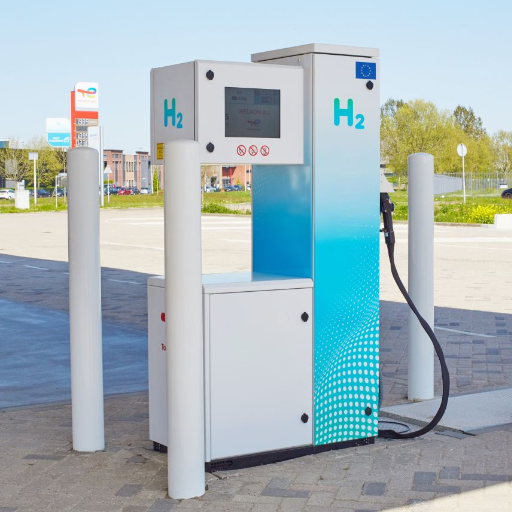
The placement of the hydrogen filling station is of utmost importance. It is recommended that the station be close to the main transport routes and the area that is envisaged to much field the use of the FCEV. Adequate accessibility enables the network to be effective and maximizes the use of the station.
- 2
Hydrogen Storage and Delivery
Hydrogen safety supply becomes a basic need in the use of any system and there are various options through which this can be achieved. These options include on-site production, the delivery via pipelines, or transportation in liquid or compressed form of hydrogen by tankers.
- 3
Safety Standards
Stations must be able to guarantee satisfactory standards of Safety; that is, encompassing procedures such as leak detection systems, ventilation, fire suppression systems amongst other things. Adherence to directives for the design and operation of such stations in this regard has advantages, as it reduces the potential danger and improves public confidence in these technologies as workable fuel systems.
- 4
Capacity and Scalability
Stations are to be designed with the possibility of increasing their utilization requiring additional operation activities as and when the demand increases. The first such engineering steps must allow for social issues such as the level of FCEVs usage at any given place and fuel demand that will eventually be employed at the station.
- 5
User Interface and Experience
Hydrogen refueling stations are presumed to be operated by a highly trained personnel, but care should be taken to implement detailed user friendly equipment interfaces for hydrogen filling. It is not beneficial to always rely on training as that impedes the learning process of new users.
- 6
Integration with Renewable Energy Sources
In addition, even the station operators who are in Japan must concentrate energy on what is readily available in the market, to help avoid unnecessary costs. In this respect, integrating hydrogen shall be considered one of the other ways to achieve the goals of decarbonization.
Key Components of the Hydrogen Refueling Station
| Key Component | Description |
|---|---|
| Hydrogen Storage Tanks | Secure containment for compressed or liquefied hydrogen. |
| Compressor System | Increases hydrogen pressure for effective dispensing. |
| Dispensing Units | Delivers hydrogen to vehicles efficiently and safely. |
| Cooling System | Maintains hydrogen at optimal dispensing temperatures. |
| Control Systems | Monitors and regulates overall station operations. |
| Safety Features | Includes sensors, emergency stops, and vent systems. |
| Renewable Energy Integration | Hydrogen production supported by solar or wind power. |
| Hydrogen Production Unit | Generates hydrogen via electrolysis or SMR methods. |
| Power Supply System | Ensures consistent energy for station operation. |
| Customer Interface Panels | Enables user interaction and payment for services. |
Electrolyzer Selection and Specifications
The choice of the electrolyzer is crucial in the case of hydrogen production as it determines the consumption of the electrolytic reactant. To ensure high efficiency, reproducibility and maintenance of hydrogen production, modern electrolyzers are divided into several most common types like Proton Exchange Membrane or PEM, Alkaline, and Solid Oxide Electrolyzers, each having key geometric and operational features useful for different industrial processes.
Type 01
Proton Exchange Membrane (PEM) Electrolyzers
Compact design, high current density and fast response time are the main factors for which PEM electrolysers are incorporated toward the renewables sector, where the electricity generation capacity frequently changes. They can operate at pressures of up to 30 bars without the necessity to employ additional compressors, thereby minimizing the energy loses during subsequent storage or transportation.
Type 02
Alkaline Electrolyzers
One of the most well-established electrolysis techniques is the use of alkaline electrolyzers. They make use of a liquid state electrolyte solution, in this case potassium hydroxide, which enhances their durability when used continuously. Moreover, they are cheaply made and can be used for treating large quantities, which is why they are particularly preferred in industrial applications where this unit is less frequently engaged.
Type 03
Solid Oxide Electrolyzers
Solid oxide electrolysers function best at elevated surfaces (usually between 700-1,000°C) by venting their heat energy to the core of the system, thus drastically reducing the quantity of electrical energy consumption. These devices are suitable for large use in industry where recuperation of other energy such as heat is feasible to increase the effectiveness of the entire system.
Mechanical properties that are sought after in the selection of the electrolyzer equipment are ion hydrogen yield (in kg per day) and electricity efficiency (usually in kw hours per kilogram of sub-hydrogen). Additionally, there are the fuel cells whose performance at 55 to 70% has been demonstrated in many studies due to certain innovations in materials and designs which are boosted by electrolyzer concepts. It is crucial to estimate also such parameters as durability of the fuel cell stack in operation, outreach of staking service time that top-notch systems may overreach, constrained at about 80,000 hrs without requiring any major interventions including replacement.
Storage and Dispensing Systems Design
Whenever an effort is begun to create capacities for hydrogen storage and distribution, such an effort will normally focus on ensuring that it is safe, effective, as well as improvement these qualities and reducement in costs in available area. For most hydrogen carriers, modern solutions consist of high pressure tanks that normally operate between 350-700 bar. This attempts to get ever more hydrogen into a smaller space without compromising safety. There are also cryogenic tanks which take hydrogen to -253°C to the point at which it liquefies. They have a higher energy density and are therefore typically used in industrial or transport purposes. Current researches are target the development of metal hydrides and carbon based adsorbents among other advanced materials in the view bettering the sourcing and minimizing the associated infrastructure costs.
When it comes to distribution, key attributes to consider are flow speed, temperature control and the ability to manage the pressure in line with the demands of the user. Dispensing stations that provide hydrogen fuel for fuel cell driven cars, for example, utilize “fast-fill” strategies that can dispense a maximum of 3 kilograms of hydrogen within one minute while at the same time achieving a dispensing pressure of 700 atmospheres. To curb such issues, with the fast-fill approach a corresponding cooling system is used to funnel the spiraling heat production. Besides, a risk-free operational scope is assured in the design provided with built-in alarm system that not only identifies but also corrects losses, pressures and ensures conformity with set standards such as ISO 19880-1 for hydrogen refueling stations. The advent of the current research also contributes to the dependability and serviceability of hydrogen storage and dispensing facilities by introducing the concepts of online data monitoring and predictive maintenance which are underused in this sphere.
Construction Process and Project Management
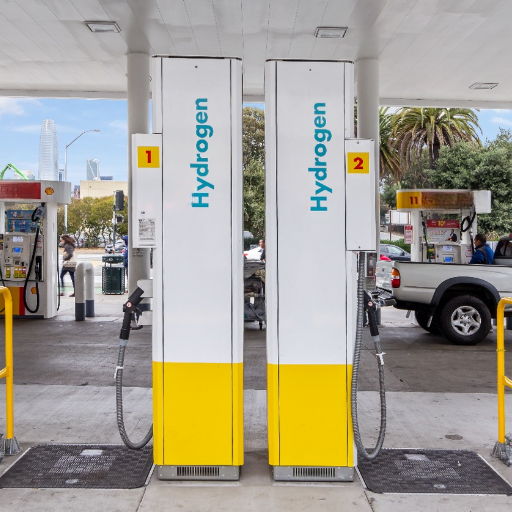
Building and running a hydrogen refueling station is intensive work which requires strategic analysis, and engineering skills together with regulation compliance and quality work performance. The development process that results in the availability of the facility begins with the site assessment and the market analysis and zoning and location of the market is very important in the construction. Then, design and drafting measures proceed with specific facilities by allowing for the inclusion of key protective measures against fires, like blast protection and fire suppression systems.
Subsequently, as construction progresses, all key project schedules as well as all major performance thresholds are defined in order to retain focused progress. Therefore, it is important to implement well-timed coordination of contractors, suppliers and regulatory bodies to make sure that all components – starting from hydrogen storage tanks and ending with refueling equipment – are within the required specifications. For safety and reasonably effective operations, scheduled regular check-ups of the components and other quality findings must be done.
After the entire configuration and fittings phase has been completed, commissioning comes into play. Its goal is to know how well the system operates under the circumstances – for many purposes. Full check occurs in many parts of the station before it allows people inside. In the end, documentation together with other parts, such as maintenance plans and training the personnel, ensure harmonized project management and continuous operation with respect to sector norms.
Timeline and Milestones for Station Build
Months 1–3
Site Selection and Feasibility Study
The first occurs when the site is thoroughly assessed, environmental studies are conducted, and the project’s significance is justified from a technical point of view. This period is also engaged in investigations and geotechnical assessments to search for the right place for the project and fit the project into the zoning and legislative parameters.
Months 4–8
Design and Planning
It is required that architects and structural engineers collaborate together to make the preliminary design, followed by the detailed design emphasizing strength and safety. This stage also involves acquiring essential legal permits, closing the budget as well as insurance, and putting internal risk management frameworks in place.
Months 9–12
Procurement and Contracting
During this time period, essential supplies such as key resources and construction materials and equipment, are procured. Furthermore, the agreements with vendors and suppliers together with construction companies are signed to ensure that the work advances in time, within the set budget and also meeting the quality standards.
Months 13–30
Construction
The building phase involves the first steps, the unfolding of metal components, attaching the fittings, and erecting the devices and systems (e.g., electric, HVAC, TI) as well as transport-specific structures like ticket barriers or platform cross-overs. At this time, such employment does not lead to any serious consequences from the point of view of standards of production and safety since appropriate control mechanisms are incorporated in all phases.
Months 31–33
Post-Construction Commissioning
This next part of the process deals with testing every system in detail and effectively which comprises the testing of the safety mechanisms, the performance of checks of the control and operation modes and performance against the flow directions of the passengers.
Months 34–36
Station Handover and Opening
After that, the station is officially declared recipient of the client. Typical final activities may include training the staff, ensuring that maintenance has been scheduled in and also conducting ‘dry run’ tests of station use before the official opening.
Solutions Implemented to Overcome Challenges
Coming up with effective strategies to cater for the difficulties posed during urban development process station project required composite interventions. Regarding logistical drawbacks arising from space circumstances, a set of sophisticated building and construction management tools known as building information modeling (BIM) was employed in order to enhance spatial arrangements, maintain quality and prevent clashes during construction. This specific intervention contributed to the seamless installation of structural, mechanical and electrical systems and prevented time and cost overruns. Concerns towards environmental preservation were reduced by the drive took to employ sustainable principles in terms of using sustainable and energy efficient construction while on site.
In order to address the issue of manpower related problems, there were also training programs that were very comprehensive so as to ensure that the level of skill a worker had was advanced enough to deal with the new technologies brought in use for the project. Despite the risks, the mitigation measures put in place were very effective and safety had the highest attention accorded to it at every stage of the project. Queues and service in the system, or how well it had been optimized were solved, again, methodologies in the main contained statistical methods and computational simulation devices like queuing theory and the survey in question. These allowed forecast of the most critical conditions, and it helped in designing the most appropriate arrangement, as well as the in-plant crowd management strategies, which were fairly positive.
Operating the Hydrogen Fueling Station
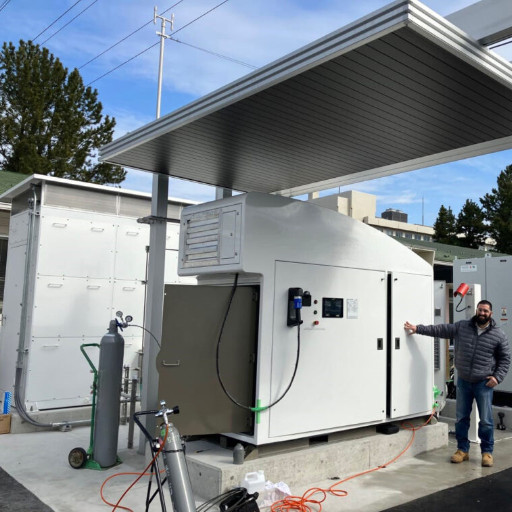
Hydrogen fueling station operations entail a set of safety measures that have to be strictly adhered to, as well as maintenance of effective management systems. This starts with the assurance that all the machineries such as compressors, storage tanks, and dispensers, are subject to their respective specified periodical inspection and maintenance. Prior to fueling, ascertain if the vehicle and the HRS are intersecting so that they can deliver the hydrogen at their design pressure and connector type. The fueling operation entails the typical practice of friendly driver connecting the nozzle to the tank of his hydrogen-fueled vehicle and thereafter, the hydrogen is introduced into the hydrogen tank until it is full. At the end of the process, the nozzle has to be gently removed then certain precautions ought to be taken to ensure there is a trouble-free situation with the vehicle tank. Appropriate hydrogen levels in the tanks and other performance indicators should be kept under close observation.
⚙
Operational Protocols and Safety Measures
To ensure foolproof operation efficiency as well as safety, it is mandatory that hydrogen fueling infrastructural equipment be assessed periodically in order to be maintained and other preventive measures taken. The regular maintenance and inspection will include checks on all parts of the plant such as nozzles, dispensing equipment, compressors, pipe systems, and the storage tanks for defects and corrosion. The quality of the maintenance work should be in accordance with the manufacturer’s recommendations and also meet other various accepted standards for the industry, such as in ISO 19880-1 for hydrogen refueling stations.
An emergency response plan needs to be set up for every single hydrogen fueling station in order to ensure that there is a safety net available for every sort of problem that might arise. Every employee must be able to respond effectively to gas leaks, excess pressure and other issues which detrimentally affect the system operation. Working together with the above systems, the Emergency Shutdown System (ESD) should be designed such that it is available when needed and should have a self-test feature for routine checks and test runs. Each of the station must also include capabilities to put out a fire even if it is caused by hydrogen to alleviate the danger accompanying the high-pressure units.
📊
Performance Metrics and Monitoring Systems
It is important that hydrogen refueling stations operate with good effectiveness and therefore they should incorporate advanced performance metrics and reliable monitoring systems. Metrics such as the refuel efficiency, hydrogen’s safety as fuel and the system beneficial operation levels in terms of system uptime will all need to be closely monitored in prospect of maintaining desired levels of operations. Furthermore for measuring pressure supply dynamics, flow speeds and energy utilization over the refuel processes that take place, it is also possible to install high definition sensors and IoT, which can develop the instrumentation of system performance towards real time.
When it comes to ensuring precision of the already existing strategies, machine learning and predictive analytics can be used to discover any incongruence or inefficiency that may be present during the day to day activities of the system. Such tools may include an initial level of system failure prediction to facilitate the use of proactive maintenance in which the system is attended even before a failure occurs and, downtime is prevented and optimal productivity is achieved. In the same vein, networks have been set up to monitor performance at every level from one central point which allows for trend analysis which can then be distributed across different stations for facilitation. Therefore, such high tech solutions go a long way in the growth of hydrogen refueling plants at global level by also making them dependable and safe.
🔧
Maintenance Strategies for Long-term Operation
Predictive maintenance is a process that uses data science and condition monitoring technology to plan maintenance program that will enhance the reliability and efficiency of equipment maintenance optimization. Incorporating Internet of Things (IoT) sensors and machine learning, operators can acquire and track the health of the equipment in the form of readings such as temperature, vibration and pressure. These data are then evaluated in order to forecast the foreseen malfunctions from affecting the equipment and deal with them immediately causing a lot of damages as well as shortening the operations and the maintenance cost. Other ways it can be applied is in predictive maintenance where it is known that this can achieve maintenance cost reduction of up to 25%.
Responsible and efficient management of the lifecycle of assets is another weapon in the arsenal of measures aimed at securing enduring relevance of core infrastructure. An asset’s lifecycle comprises a series of phases, ranging from purchasing and mounting the asset through to its running and decommissioning. Evolution of technology has brought along in the market extended data integration software hence they can control the lifecycle of factors so that there is effective planning for maintenance purposes, resources are evenly distributed and the expected life of an asset is increased. Additionally, for prevention of breakdowns and adherence to the set laws and rules of the industry in the known business practices such as periodic calibrations, remanufacturing activities and performance comparisons are adopted. These measures of controlling the operation of refueling systems and other industrial infrastructures over a long period are collectively possible.
Analysis of Hydrogen Benefits and Impact

The viability of using hydrogen as an energy source is clear to anyone with interest in pollution prevention technologies, as long as, among other reasons, it produces no carbon dioxide when it is used in fuel cells to convert chemical energy to electrical energy. Its high energy content also means that it can be easily stored and transported for several applications, including those that involve movement. Furthermore, since hydrogen can be replenished from various resources such as renewable energy through electrification, its sustainability and how it can be applied in reducing energy systems’ carbon emissions is significantly increased. This calls for eliminating the drawbacks that include the absence of infrastructure and the high cost of producing hydrogen so that its complete potential can be achieved. This is expected to mitigate the adverse changes due to energy consumption, since there is potential for hydrogen in promoting as a clean energy source.
Environmental Benefits of Hydrogen Fuel
Hydrogen fuel is a potential type of fuel, often prized because it does not emit pollutants which are harmful to the environment, given that after combustion of hydrogen fuel water vapour or steam alone will remain. This simply means that using Hydrogen gas as a fuel will eliminate hydrocarbons emissions and prevent air pollution that affects humans health. Hydrogen gas is as well eco-friendly source of energy enabling itself to be recycled from water using renewables such as wind power, solar energy, and hydro electric powers.
Recent scientific research has revealed that the extensive use of hydrogen in various areas such as transportation and production might reduce the global emission of carbon dioxide by 20% by mid-century. This particular point of using hydrogen in hydrogen fuel cells will solve the energy loss; now these cells use approximately 60% energy as opposed to traditional internal combustion engines that use 25-30% efficiency. Further, when utilized in conjunction with renewable resources, it promotes the mitigation of environmental degradation that comes with climate change and encourages an equitable and environmental-friendly future in renewable energy utilization.
Economic Implications of Hydrogen Integration
The global energy transition indicates a high place for hydrogen, and the market is expected to be volatile as it attempts to address the transformation of hydrogen into an energy source. By 2050, an income of around $2.5 trillion is expected, and a very large number of jobs. Countries most aggressively pursuing hydrogen infrastructure, i.e., those with such facilities as advanced electrolyzers or distribution, or storage technologies, are those most enabled to capture lucrative export markets and increase the level of energy self-sufficiency by avoiding the need to import gas. In addition, with the expansion of production of green hydrogen, these same processes enhance the expansion in the costs per unit reducing the cost of hydrogen as a fuel relative to existing forms of energy.
Regarding the production and use of hydrogen, there are several activities that could be supported by technological advancements. These among others include steel, ammonia and urea production as well as various chemical processes. Including the use of hydrogen in heavy-duty transport, and more importantly, in shipping would have an additional advantage, and in fact contributes to cost reduction over time simply because it reduces the responsibilities of fueling and increases operational efficiency. Such investment by the public sector in boosting the private sector spurs advances in hydrogen technology and provides an opportunity to create a more effective market. Due to the economic and social benefits that are bound to accrue from the creation of such economic systems, governments have gone further to offer grants and financial incentives to support hydrogen related projects and development.
Reference Sources
- 1
Hydrogen Compressor
- 2
Design and Costs Analysis of Hydrogen Refuelling Stations
Frequently Asked Questions
What design considerations are essential when planning a hydrogen fueling station?
The design of the refueling station, the use and quantity of compressed air which is needed by the dispensers provided in the refueling station for fueling the Fuel Cell Electric Vehicles and the driving cycle of trucks as well as the stages of pressurized gaseous hydrogen safety are some of the aspects considered. It is necessary to know how much hydrogen infusion is required to perform the operations, consider the introduction of module hydrogen production namely PEM electrolysis and catalytic reactors, and arrange to be transported in tube trailers or on-site storage devices during peak periods. Investments in infrastructure, production costs, and various method of transport including tube trailers impact on the cost of what is referred to as production cost at the station.
How do you estimate the cost of hydrogen production?
Compute the cost of production by adding capital cost, operational cost, Lilea cost for electrolysis, fluid and reactor cost for steam reforming, and insurgents, and divide by the cost of producing a quantity of hydrogen to find out the unit cost. In addition to this, other costs of balance of plant like as compression, heat exchangers and membrane stacks, and utilize as well as capacities of these will be included into life cycle cost analysis. It is quite critical to weigh emissions, bonus on renewable energy sources and transportation when analysing and evaluating how hydrogen which is considered as green compared to the conventional methods of production. Determine, through stimuli adjustments such as electricity rate, an increase in efficiency, or use what is appropriate and most cost-effective in the delivery of the proposed plan.
Can hydrogen compression and storage be sized for a small-scale modular station?
To scale the hydrogen compression it is a must to know the capabilities of the station at its peak, what is the required pressure at dispensing and the compression performance; its purpose is to supply consumers with gaseous hydrogen at the required tensile strength, but limits the power needed. Where the compressor might easily consist of many compressors, tank to store tubes, and lastly the heat exchange to control the temperatures of the other equipment within the limit temperatures during the normal operation. Calculate the required number of storage tanks, consider the crypto exchange system regarding the transportation of the hydrogen modules, and also establish the statistical utilization to make sure that it can meet governmental thresholds during the high periods.
What production pathways should be investigated for a case study 100 kg/day hydrogen station build?
Look into electrolysis (PEM or alkaline), steam reforming with carbon capture and storage, and any new methods of making hydrogen through catalysis or reactor systems and weigh in on the feasibility of a renewable electricity produced hydrogen versus fossil fuel derived options. Take into focus the reaction conditions, that is, the thermodynamic efficiency, and also the expected conversion rates in the designed reactors and based on these, try to guess at the production costs and emission intensities. Also consider battery materials and the technological improvements in manufacturing processes.
// SYS-DOC: WHY I WRITE THIS
[01] About PanGeng
PanGeng is an industrial gas compressor manufacturer based in Bengbu, Anhui, China. Since 2009, we have focused on the design, R&D, production, and manufacturing of customized gas compressor systems for oilfield, chemical, energy, hydrogen, nitrogen, biogas, and industrial air applications.
[02] Our Expertise
We write compressor guides based on real manufacturing and engineering experience, including hydrogen compressors, nitrogen compressors, booster compressors, medium and high-pressure air compressors, oilfield nitrogen injection systems, biogas compressors, and OEM/ODM custom compressor solutions.
Our engineering team supports customers from application analysis and compressor selection to production, factory testing, commissioning, spare parts, and after-sales service.
[03] Why You Can Trust This Content
The technical information in our articles is based on PanGeng’s in-house compressor design and manufacturing experience, current product capabilities, and project support for industrial clients in global markets. Our goal is to help buyers understand compressor types, pressure ranges, gas requirements, customization options, and long-term operating costs before making a purchasing decision.
CONTACT PROFILE
AUTHORITATIVE SOURCE
NAME
PanGeng Engineering Team
BRAND
PanGeng
COUNTRY
China
MODEL
B2B / OEM & ODM
EMAIL
pg20090705@163.com
PHONE
0552-4958225
WEBSITE
pgcompress.com
Related Posts
![Low Pressure Hydrogen Compressor Applications [Guide]](https://pgcompress.com/wp-content/uploads/2026/09/low-pressure-hydrogen-compressor-applications-blog-featured-768x512.png)
Trending now

![Low Pressure Hydrogen Compressor Applications [Guide]](https://pgcompress.com/wp-content/uploads/2026/09/low-pressure-hydrogen-compressor-applications-blog-featured-150x150.png)