Get in Touch with Pangeng

Hydrogen Compressor Safety Standards & Certifications

Contents
show
Hydrogen compressors are an essential part of the hydrogen technology and infrastructure due to the fact that it’s important to deliver hydrogen safely and efficiently to the end-use. With the climate change issue becoming more alarming by the day, hydrogen is seen as a key component that will help manage the energy crisis. However, the efficient and safe usage of hydrogen compressors also stands on the requirements of safety regulations and accreditation set by the industry. This article covers the essential objectives, laws, and certifying bodies that are applicable to hydrogen compressors. This article will illustrate already laid down regulations, public attitudes towards sustainable use of hydrogen-based technologies, including the mitigation of risks, and the measures that enhance the shift from ‘dirty’ energy sources to hydrogen.
Introduction to Hydrogen Compressor Safety

The capability of a hydrogen compressor to prevent danger is directly dependent on the ability to avoid the danger that comes with high-hydrogen-pressure gas. The main safety issues here include preventing leaks, ascertaining that materials used are not prone to hydrogen- induced stress corrosion, as well as ensuring that there is no potential hazard to fire or substances for an explosion. The protection of hydrogen gas facilities can also be secured by way of various proactive measures involving the integrity of structures in addition to the guidelines of ASME BPVC and ISO 19880-1. These principles contain useful information on the designing, operation, and maintenance procedures that minimize hazards and offer an assurance of the safe performance of the hydrogen compression systems.
The Importance of Safety in Hydrogen Compression
During the compression process of hydrogen, the gas is inflammable, light, and has a lower molecular mass, and is often done under high pressures, hence the importance of safety protocol in preventing hazards that may also affect the efficacy of the process. The proper materials for compressors and pipelines are two critical factors considered when dealing with hydrogen compression without stress corrosion. This occurs as a result of hydrogen permeation and results in the weakening of designated materials. These are mainly superseded by the use of advanced composites and metal polymers. Given the presence of hydrogen, both flow and effort must be maintained around safety system to ensure over pressures do not become catastrophic.
Fire and explosion hazards involve the specific features like an improved airport noise and hydrogen sensors, a reliable crash valves. Detection of leaks at an early stage belonged to routine maintenance activities, since hydrogen is a small hydrocarbon and tends to get trapped more easily in even the slightest of structural apertures. Besides, adhesion to international requirements, for instance, in safety matters such as ISO/TS 19883 safety management system or NFPA 2 hydrogen safety code promotes safe operations. This helps to achieve well-thought-out safety measures that are specific to the technological procedure of hydrogen compression.
Role of Hydrogen Compressors in the Hydrogen Economy
Hydrogen is the most important in the hydrogen economy. Hydrogen compressors make storage on site, the transportation and even the distributionan essential part of the whole hydrogen economy. Hyperbaric compression devices are primarily used to compress hydrogen gas such that hydrogen can be stored at high pressures in tanks or transported through pipelines or tube trailers. The primary purpose of the latter is to pack in the hydrogen at the practical energy density, which would enable its applications into the various end uses such as fuel cells, industrial processes, energy storage systems.
The need for hydrogen compressors is strategic in assisting this envisaged increase in renewable energy penetration globally. An example where such equipment is required is in the export of hydrogen produced by electrolyzers powered by renewable energy sources most of the times. This hydrogen is mostly compressed to allow its integration in storage and transportation systems especially infrastructure and infrastructure such as refueling stations. Furthermore, the current global technology advances have led to better compressor designs especially the diaphragm and piston compressors which aim at increased efficiency, durability, and the management of hydrogen which is known to have low molecular weight and is a gas with high resistant to hydrogen.
Overview of Safety Standards and Compliance
To achieve the secure procedures of producing, moving the gas in appropriate places that serve people, and divesting it to other recipients implies compliance with quite strict safety organizations and regulations. Various guiding principles related to the safety of hydrogen usage, flammable and diffusive characteristics of hydrogen gas have been worked out by organizations such as the International Organization for Standardization (ISO) and the European Integrated Hydrogen Safety Framework (EIHF). For example, ISO 19880-1 prescribes how hydrogen refueling stations should be operated in a safe manner, including hydrogen handling, equipment design, and site management requirements.
It is also the responsibility of the National Gas Agency, in cooperation with the Occupational Safety and Health Agency freelancers in the country, such as Occupational Safety and Health Administration (OSHA), working with the United States of America, to enforce workplace safety measures concerning hydrogen systems to minimize any dangers which might be expected from such operations, such as over-pressurization and leaks. As regards to more recent technology many faults will be addressed without delay because these new alarms do a good job in recognizing the hydrogen gas under the shortest time. Without following these guidelines, less danger is placed on end-users but they will always be skeptical of hydrogen technologies.
International and Regional Safety Standards
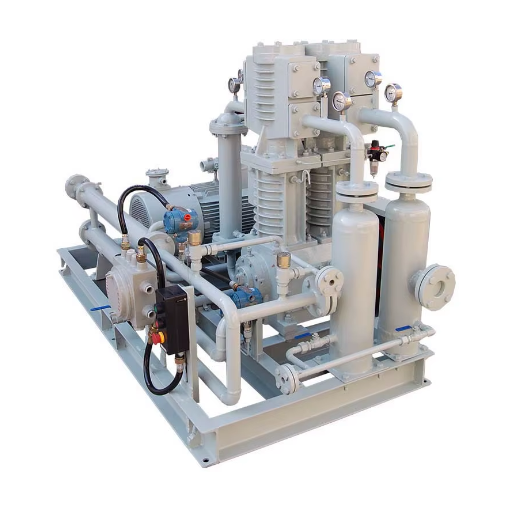
The ISO international standards, especially the 19880 series. This particular group of standards provides extensive requirements for development and improvement of hydrogen fueling stations, thereby influencing the safe maintenance of fuelling stations on the global scale. On the other hand, at the EU level, the European Union ATEX Directives are the safety measures for ensuring safety in industries where various kinds of equipment could expose employees to risk. This also includes hydrogen systems which pose explosion risks and safety factors related to them. The United States rely on NFPA 2 and other hydrogen codes like ASME codes for pressure vessels protection. This code goes into greater detail regarding the handling and storage of hydrogen, ensuring that it is safer to use than to store.
ISO Standards for Hydrogen Compressors
Obviously, ISO standards are crucial in setting performance, reliability, operational, and maintenance parameters for the compressors for hydrogen that is a critical component of hydrogen storage and distribution systems. These standards in hydrogen comprise of many standards including ISO 19880-5 which primarily deals with the hydrogen refueling station compressors focusing on safety – aspects on performance tests also related to this standard. Additionally, ISO 15138 details the general industrialized practices with respect to the stationary compressors used to compress hydrogen and covers issues such as pressure limits, relevance of the materials often the case and limits of pressure interactions with the faulty devices.
But, these standards also serve the purpose of ensuring that such compressors can work safely under high pressure without the risks that arise due to the reasons hydrogen is flammable and capable undergoing reactions. Adhering to these international rules facilitates the diffusion of the most effective practices globally and allows technological progress, in addition to encouraging the use of hydrogen as an environmentally friendly source of energy.
API Standards and Their Applications
American Petroleum Institute (API) standards perform a crucial function in the formation of norms aimed at the safe handling of hydrogen and similar gases in industries. These norms cover a wide range of technical specifications, including the requirements pertinent to the construction, fabrication, operation, and maintenance of compressors and connected systems. For example, API 618 introduces regulations for reciprocating compressors, focusing more on reliability, less vibratory tendencies under the rigorous demands of operation and increased efficiency. A similar instance is seen in API 619 which when talking about rotary compressors, chiefly the screw and vane types, also enforces certain demands regarding the performance and endurance of these machines.
It is crucial that all necessary standards be implemented in a high degree of accuracy and dependability in industries like energy production, refining, and processing of chemicals possess great risk management levels. It should be noted, that the observance of these norms does not simply eliminate the risks related to business practices but also prolongs the service life of the equipment and increases or maintains the technological efficiency. Applying these norms in management of hydrogen related processes will ensure that practices at all levels of an enterprise, and regardless of its size or location in the world, are sufficient for addressing the market demands effectively and stimulates progress and development of hydrogeneration technologies.
ASME Regulations in Hydrogen Compression
The ASME Boiler and Pressure Vessel Code (BPVC) establishes guidelines for the design, manufacturing, and examination of pressure vessels and piping used in various applications including hydrogen compression systems. In relation to hydrogen applications, the development of pressure vessels that can resist the usually high hydrogen storage and transportation pressures is covered in ASME Section VIII, Division 1. Also, ensuring that construction conforms with ASME B31.12 entails key practices for assembling hydrogen pipeline systems; the focus being on criteria for choosing the right materials, ensuring the hermeticity of connections, and reducing the tendencies for hydrogen consumption leaks – which are important given the effects of hydrogen on structure such as free path and semi-ordered flow limits.
The ASME codes are more than just a regulatory framework. They also emphasize a well-developed system of testing, which includes hydrostatic and, in some cases, pneumatic tests to check the resistance of devices to working loads. New trends, e.g., the use of new high-strength materials and various composites, are also imposed in the modernization of ASME guidelines due to the requirement of hydrogen compression for zero-emission technologies. These standards also guarantee social consensus by reducing the risks of operation, and they introduce new safe use practices for hydrogen use to keep pace with today’s efficiency improvement proposals that involve hydrogen as a renewable energy source.
Industry-Specific Applications of Hydrogen Compressor Safety Standards
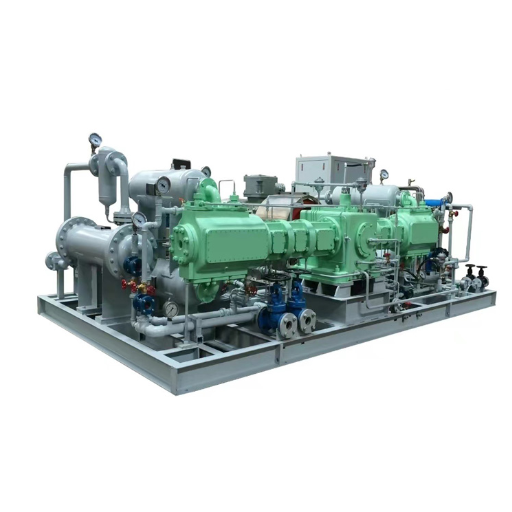
When dealing with hydrogen which is used for producing fuel cells to power vehicles and power plants, standardized regulations outline what procedures to follow when installing and maintaining refrigeration systems for the storage the hydrogen Ambitious economic goals likewise direct focus on the economic development and, subsequently, the operation of the enterprise itself, including the processing – along with industries dominated by the service sector. In its use in the refining and ammonia manufacturing processes, which often incorporate high pressures with hydrogen gases, hydrogen is subject to these hydrogen safety regulations. It also plans to meet these standards in handling hydrogen as the primary fuel within its next generation propulsion technologies. The very stringent and all-encompassing codes of best practice reduce liabilities, enhance functionality, and promote the widespread dissemination of solutions that are based on hydrogen gas within various industrial applications.
Hydrogen Compression in the Energy Sector
In the energy sector, hydrogen compression is vital, as it enables the clean distribution of hydrogen. The Development of high technology in hydrogen compression allows the capacity to store hydrogen gas at high pressure in Cylinders, pipelines and underground storage units. With very good storage capabilities and the system feasibility, transmission and distribution can be realized properly. For instance, modern variants of compressors like diaphragm, ionic liquid piston, or metal hydride compressors handle hydrogen properties by managing its state features such as being light and forthcoming.
Moreover, the effective operation of the hydrogen refueling stations is directly related to the hydrogen compression without the help of which there would be no possibility of refueling such fuel cell vehicles to proper limits or pressures that can withstand up to 700 bar. To ensure the system refuels quickly, the station employs efficient compression while ensuring no compromises in reservoir containment or performance. Besides, as far as the duct does not bother any fireproofing concerns, it can be installed and used. Moving with technology, the manufacturing of compressors becomes even more effective than their previous production runs, which means that the first generation compressors would never be manufactured this time around, thanks to the technological advances in the manufacturing industry.
Safety Standards in Transportation Applications
Ensuring safety in the transportation of hydrogen requires that scrupulous conformity with numerous international and local norms as well as good engineering practices in the designing, construction, maintenance and operation of storage and delivery systems is observed. For example, Hydrogen fueling stations have operating guidelines based on standards such as ISO 19880-1 ensuring quick and safe filling of vehicles with fuel. Other prescriptions such as ASME BPVC Section VIII make particular features for pressure vessel construction to make reliable condition during the storage of hydrogen at high pressure.
To minimize the dangers that can happen, they make sure to invent more advanced technologies for detecting leaks and fire prevention systems with hydrogen reactivity in mind. In order to limit to an acceptable level the potential risks associated with the use of hydrogen such as bursting of high-pressure hydrogen pipelines, failure scenarios are subjected to risk analysis and evaluation. Such audits are often founded on the use of guidelines recommending only those materials that are resistant to actions normally caused by hydrogen such as hydrogen embrittlement.
More importantly, automotive end use of hydrogen fuel is much regulated and endorsed using standard codes such as SAE J2579 for the purpose of ensuring safety and longevity of tanks containing hydrogen. According to this particular directive, various tests such as the non-destructive pressure burst tests, the tests for leakage, as well as testing under the influence of adverse environmental conditions are available in order to make sure that tanks operate within the described and anticipated states. Organisations such as the regulatory bodies indicated and the research institutions are still in the stage of improving material standards, which are necessary looking at the current changes in the hydrogen automotive sector to ensure ease of operation and safety measures as well.
Types of Hydrogen Compressors in Industrial Applications
| Type of Compressor | Key Features | Applications | Advantages | Limitations |
|---|---|---|---|---|
| Diaphragm Compressor | Oil-free compression, high purity gas handling | Laboratory, fuel cells, industrial use | High gas purity, reliable operation | Limited flow capacity |
| Piston Compressor | Utilizes reciprocating pistons for compression | Gas storage, transportation, industrial use | High-pressure capability, robust design | Maintenance-intensive, vibration issues |
| Screw Compressor | Rotating screws provide continuous compression | Chemical processing, hydrogen refueling | Smooth operation, low noise | Limited to medium pressures |
| Centrifugal Compressor | High-speed impellers for large volume compression | Pipeline transport, large-scale applications | High efficiency for large volumes | Ineffective for very high pressures |
| Ionic Liquid Compressor | Uses ionic liquids for compression, no seals needed | Hydrogen cooling, energy systems | Low wear, minimal contamination | High initial cost, limited market adoption |
| Electrochemical Compressor | Compresses hydrogen electrochemically for precision | Fuel cells, onboard storage | Compact, energy-efficient for small applications | Limited compression capacity, slower process |
The Certification Process for Hydrogen Compressors
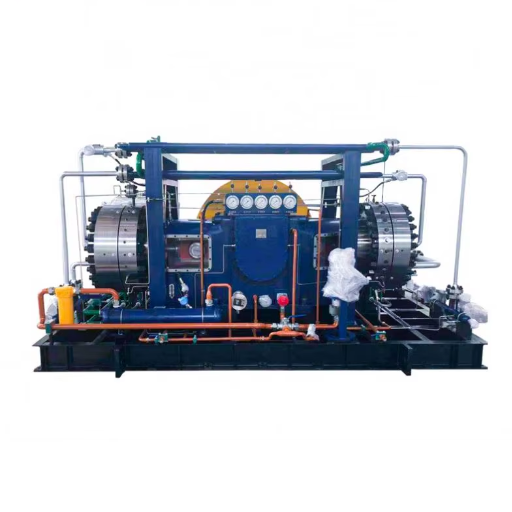
As regards the testing of the hydrogen compressors, this is bound to meet requirements in the field of safety and environmental protection, as well as those in the area of quality. The process outlined above includes some of these steps:
- Design Evaluation: Design being one part of testing, the verification takes on fundamental importance as certain specifications must be met, specifically in the area of safety, one example being the capability of the equipment under pressure and the use of hydrogen-appropriate material.
- Compliance Testing: The second step involves performance quality tests aimed at ensuring the compressor shall operate safely and effectively, without failing under normal or extreme conditions.
- Standard Certifications: Specific requirements apply to the compressor, which may include, for example, compliance with ISO 19880-5 standards for hydrogen refuelling stations or ASME requirements for pressure vessels.
- Inspection and Validation: Surveys carried out by an independent third party also involve an inspection of the manufacturing operation and checks to confirm that the units produced match the design as required by the regulations.
- Documentation and Labeling: Only certified compressors are presented with approved tags and labels that verify compliance with the prescribed requirements.
It is imperative to follow these rescue measures that help maintain the safety and operational reliability of hydrogen compressors under both industrial and consumer applications.
Key Requirements for Compliance
It also means that for the purposes of design, fabrication and testing of hydrogen compressors, several specific requirements need to be satisfied in order to meet the required standards:
- Material Suitability: All materials that are used in the construction of the compressor shall be of high hydrogen attack resistance and low temperature brittle fracture. This, in turn, calls for ensuring the materials being used will experience high-pressure hydrogen in order to go for the highly tested high-temperature tolerance alloys.
- Pressure Testing: It is a must to subject the compressors to pressure testing to ascertain the compressors’ ability to cope with the pressures they are anticipated to be exposed to, which may include the maximum allowable working pressure (MAWP). These tests should be performed by both hydro testing and pneumatic testing procedures that are recognized internationally.
- Leakage Control: Detection of hydrogen leakages is of prime importance considering the minute size and dangerous flammability of hydrogen. Applicable regulations require sophisticated leak detection sensors to identify fugitive emissions and bring them down to allowable levels.
- Safety Redundancies: The use of protective devices, pressure relief valves and emergency disc safety assemblies is done in case sudden operating conditions come up and presents a condition for catastrophic failure to occur. They also need to be checked to ensure they work properly in all working conditions.
- Energy Efficiency Metrics: In order to cut down on wastage and to make measures that will minimize the effect on the surroundings, energy saving requirements are imposed on buildings. And in that regard, compressors must employ accessory systems that recover the energy consumed to meet the aforementioned requirements.
- Documentation of Processes: It is necessary for all tests and proof procedures, material certificates, and quality checks to observe each minutiae and be put together in one bond of the documents. Such information shall observe the requirements for standard auditors and other certification experts.
Manufacturers, by asserting themselves through such tough controls, guarantee they have completely met the design requirements of the regulations for their hydrogen compressors the installation and their performance in all allowable aggressive loads, irrespective of their usage pattern – design, operation or repair.
Common Challenges and Solutions in Certification
- Navigating Regulatory Complexity
One of the most difficult aspects of certification is the diversity of techniques and guidance that exist worldwide with respect to the achievement of compliance. For example, suppliers may deal with a situation where some prescriptions that are there in ISO Standards are not congruent to that in certain other local behavioral laws. A way of circumventing this is the adoption of an adaptive compliance regime, incorporating the services of skilled regulatory experts and enhancement in sophisticated yet user-friendly infrastructure tracking the change from different standards onto systems. - Material Compatibility Verification
There is a common need to install devices that will erode the material in hydrogen compressors quite slowly due to the difficult conditions that are involved. However, concerns of the disruption of material during testing are experienced even in such conditions. It is possible to use advanced software to perform this analytical study in order to reduce such risks by identifying potential defects in advance during the phase of pre-certification. - Frequency of Testing Protocol Adjustments
Certifying bodies often revise their testing procedures, thus putting manufacturers under the obligation of changing their testing procedures. This even sometimes requires changes with mandated deadlines manned into action which bring about operational commitments. The previous is however avoided by keeping in touch with the regulatory bodies and holding internal reviews once in a while. These will reveal what changes are expected in the controls before the deadlines. - Documentation Management
There is always a problem associated with adulatory, where the most accepted excuse is the lack of enough verification documents, which may be due to a number of reasons. Implementing technology is very effective in obeying the policies and regulations, which may result in the rejection of the application at hand caused by non-conformance or non-compliance cases. In the present global perspectives, every single document is computerized and operates with all technical equipment. - Cost Management During Certification
Most definitely, there are cost implications regarding the certification processes, which may involve the need for more tests, consultants’ fees, and the issue of material optimization. This calls for a phased approach, i.e. only the most critical components are certified in the beginning, even though less important testing is spaced out in between, in a reasonable manner to the budgeting context.
The Importance of Adhering to Safety Standards

It is equally important that the safety rules regarding hydrogen compressors are strictly followed enabling the safe operation of fissile materials for ensuring safety, meeting regulatory requirements and fulfilling system credibility. The requirement of these standards is to provide measures on how to assess the risks of hydrogen irrespective of where it is generated, or in its pressurized form due to the presence of hydrogen gas. As was explained, energy systems using hydrogen find only limited application with notable problems such as hydrogen tank leakage, inability of materials to withstand the pressures and in extreme cases explosions amongst others.
Safety standards associated with the matter, which are imposed by bodies such as the International Organization for Standardization (ISO) and, for example, the ISO 19880 series or the American Society of Mechanical Engineers (ASME), include the standards for design, control, and monitoring. As per such standards, manufacturers make the compressors in such a way that not only do they perform an efficient compression of hydrogen, but they also alert to the dangers of certain kinds of hydrogen. In the end, other than making safety more ‘thinkable,’ these standards have been helping hydrogen technologies find practitioners, thus accelerating the use of clean energy.
Enhancing Operational Safety and Efficiency
One of the essential aspects to improve the security and productivity of hydrogen compressor technology is the choice of refined materials. Because of its small size and diffusivity of molecular hydrogen, there is the hydrogen embrittlement challenge. It is associated with damage to the compressor parts due to the constant presence of hydrogen. Such materials, for example, high-strength austenitic stainless steels, nickel-base materials, copper and titanium alloys, have been known to offer better resistance to hydrogen-associated cracking, in turn, improve the serviceability.
Moreover, materials that are not conductive, such as improved polymer seals, have been made to withstand high pressure and high temperatures. A substantial amount of inquiry and assessment has assured that these new materials, protect the relevant equipment from leakage and are at the same time resistant to hydrogen over substantial period of time. Implementing these kinds of materials into new compressor structures will eliminate risks and improve reliability and power saving capabilities thanks to the current state of hydrogen technology.
Regulatory Compliance and Market Access
Ensuring effective legislation compliance is inevitable for the process of research and technology potential implementation of hydrogen piston compressors. Risks threatening during the course of development require that interested manufacturers meet criteria set under a number of global standards, among these the provisions of ISO 19880-1 for hydrogen fueling stations and ASME BPVC standards for pressure equipment. There are region-specific norms, such as the Pressure Equipment Directive (PED) in Europe and Department of Transportation (DOT) certifications in the United States, that must be met to certify hydrogen technologies.
The final obstacles to market access are constituted by market standards such as CE marking in the European Union or UL listings in North America, which are mandatory for proving the safety or other characteristics of the product. Furthermore, after the product is introduced to the market, there may be a need to obtain third-party certifications (e.g., TUV and CSA) to demonstrate its performance and credibility in international markets. A fast-growing tendency of making use of hydrogen with the aim of supporting clean energy requires these machines to be no exception.
In addition, the incorporation of value chains necessitates effective functioning as well as adherence to standards such as ISO 9001 to enhance quality construction. Manufacturers trying to outdo their rivals need to recognize the importance of regulatory affairs in steering the developmental process of hydrogen technologies, as the objectives of the hydrogen economy have led to policy alterations by most governments.
Reference Sources
- Design and Analysis of a Hydrogen Compression and Storage Station
URL: Source - Department of the Navy Programmatic Considerations of Product Support Elements when Employing Hydrogen Fuel
URL: Source - Hydrogen Compressor
URL: Source
Frequently Asked Questions (FAQs)
What are the key hydrogen compressor safety standards for hydrogen compressor operation?
The safest ways to secure hydrogen equipment are normally the use of safety norms, which are comprised of industrial guidelines and fire prevention solutions, ventilation and explosion protected equipment. Ordinarily, practitioners are required to work within the applicable classification requirements such as the NEC group classification B, which ensures that the location of equipment as well as wiring and discipline for the equipment that pertain to the relevant compressor are all safely done. Leakage tests, placement of sensors, and observation of the prepared connections performing their intended functions, on the other hand, save the system from malfunctions and chances of enhanced ignition sources.
How does gas compressor design affect hydrogen compressor safety systems and mitigation?
Adequate maintenance enables safe gas compressor operation by establishing flow patterns, discharges and neutralisation locations and the necessity of using encapsulation measures to keep ignition away from flammable substances. Appropriate selection of sealants, the proper assembly and leakage checks will help to decrease the amount of hydrogen that is in process and reduce parts corrosion. It would also include in a design the provisions for machine operation in accordance with its temperature class, suitable connection methods as required by NEC and use of cables in hazardous locations to control any risk of sparks.
What best practices ensure compliance for hydrogen compression and gas recovery?
While optimal practices provide for the responsiveness of imperfections in the pipe systems, including the return flow prevention valves at the entrance and exit of the gaseous hydrogen pipelines. This involves the use of hydrants, cranes, and other equipment, which will not electrocute an individual in close proximity to the equipment or its uninsulated parts. Such an emergency mechanism is put in place to prevent the ball from being engulfed or taken over by the liquid pool. Any unmodified explosive drum (such as drivers’ cabins on top of the filled drum, disastrous transformers, water dispensers, etc.) that contains hydrogen must be transported, stored, and used in accordance with designated smetic methods.
Which safety systems are recommended to prevent ignition and explosion around the compressor?
It is wise to take precautions and be on the safe side by affording maximum possible safety installations which include monitoring systems such as the highly advanced flame detectors and as well as the gas detectors. When handling hydrogen, these facilities or systems must cover even explosion proof electrical equipment, suitable ventilation and exhausting as well as the design of exhaust and vent routes already in place. Another mitigation measure includes the implementation of seals, gaskets, and fasteners which are specifically indicated as functional in the presence of hydrogen and are also regularly checked to prevent the possibility of concerns creating a combustible environment.
// SYS-DOC: WHY I WRITE THIS
[01] About PanGeng
PanGeng is an industrial gas compressor manufacturer based in Bengbu, Anhui, China. Since 2009, we have focused on the design, R&D, production, and manufacturing of customized gas compressor systems for oilfield, chemical, energy, hydrogen, nitrogen, biogas, and industrial air applications.
[02] Our Expertise
We write compressor guides based on real manufacturing and engineering experience, including hydrogen compressors, nitrogen compressors, booster compressors, medium and high-pressure air compressors, oilfield nitrogen injection systems, biogas compressors, and OEM/ODM custom compressor solutions.
Our engineering team supports customers from application analysis and compressor selection to production, factory testing, commissioning, spare parts, and after-sales service.
[03] Why You Can Trust This Content
The technical information in our articles is based on PanGeng’s in-house compressor design and manufacturing experience, current product capabilities, and project support for industrial clients in global markets. Our goal is to help buyers understand compressor types, pressure ranges, gas requirements, customization options, and long-term operating costs before making a purchasing decision.
CONTACT PROFILE
AUTHORITATIVE SOURCE
NAME
PanGeng Engineering Team
BRAND
PanGeng
COUNTRY
China
MODEL
B2B / OEM & ODM
EMAIL
pg20090705@163.com
PHONE
0552-4958225
WEBSITE
pgcompress.com
Related Posts
![Low Pressure Hydrogen Compressor Applications [Guide]](https://pgcompress.com/wp-content/uploads/2026/09/low-pressure-hydrogen-compressor-applications-blog-featured-768x512.png)
Trending now

![Low Pressure Hydrogen Compressor Applications [Guide]](https://pgcompress.com/wp-content/uploads/2026/09/low-pressure-hydrogen-compressor-applications-blog-featured-150x150.png)