Get in Touch with Pangeng

Contact Form Demo
CE & ISO Certified Quality

Oxygen Booster Compressor

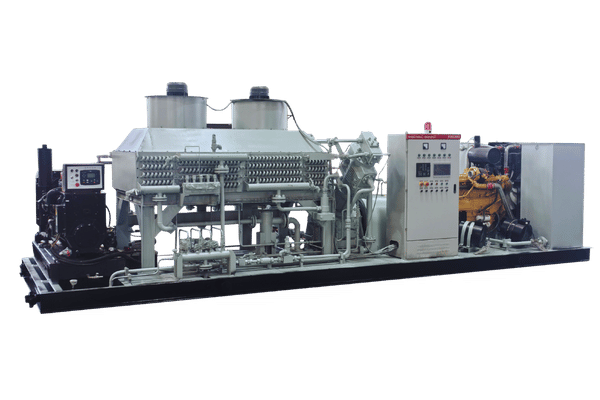
Oxygen Booster Compressor — Custom High-Pressure O₂ Compression Solutions

Oil-free reciprocating piston compressors engineered for oxygen service – from PSA generator delivery pressure to filling oxygen cylinder pressure. Pangeng supplies 5–100 Nm³/h units to industrial gas plants, medical facilities, and oxygen filling stations, with delivery pressures to 200 bar.

Oxygen Booster Compressor
5–100 Nm³/h Flow Range
150–200 Bar Discharge Pressure
2–4 Compression Stages
100% Oil-Free Gas Path Design

Why Reliable Oxygen Compression Matters for Your Operation

All operations that depend on oxygen face the same challenge: a bottleneck in available pressure once oxygen gas leaves your generator and is sent downstream for use. PSA and VPSA oxygen generator units generate gas at 3 to 6 bar — but cutting and welding operations and high-pressure chemical processes depend on gas supplied at 10 to 200 bar. Your in-house oxygen booster compressor resolves that pressure mismatch on-demand.

Following third-party delivery of cylinders to resolve the pressure mismatch adds three costs that accrue over the equipment life. Product-specific oxygen costs from cylinder delivery are 3 to 5 times higher than a like quantity sourced on-site from an oxygen compressor once the daily demand is 20 Nm³. Transportation costs for cylinder replenishment add to the running cost, and the need to move and handle heavy gas cylinders causes safety concerns that do not exist with on-site compression.

Pangeng oxygen booster compressors close the pressure gap for medical services and industrial consumer gas supply with purpose-built, oil-free reciprocating piston technology. Every component coming into contact with the oxygen has been manufactured from oxygen-compatible materials in an oxygen-clean process per ASTM G94 standards, CGA G-4.1 oxygen service cleaning regulations, and tested for hydrocarbon carryover.

Engineering Note — Why Oil-Free Matters for O₂

Oxygen does not burn, but it instantly ignites a flammable substance when brought into contact with it. One minor carryover of oil from a compressor can be energized by high pressure and high heat, creating an ignition source for damaged or degraded lubricants, even in an operation with appropriate operational safety systems. The auto-ignition threshold of common hydrocarbons falls below 200°C after compression in a high purity oxygen stream, in the temperature range of a multi-stage compressor. That is why existing standards for oxygen service, such as EIGA Doc 13/09 and CGA G-4.1, call for oil-free compression for oxygen rather than depending on filtration systems to scrub very fine hydrocarbons. Pangeng self-lubricating PTFE piston rings and stainless steel compressor cylinders satisfy this requirement, avoiding compromise of purity or system longevity.

The end result: your operation receives a single compressor designed to accept low-pressure PSA gas, and deliver clean, process-ready oxygen to your pilot, function, or distribution facility. When you want, where you want — without burdening your operation with joinery, cylinder transport, or operator reliability.

Pangeng Best Oxygen Booster Compressor Series — Models & Selection Guide

We have developed three sizes of oxygen booster compressors to cover three distinct capacity tiers. All share the same design platform; the difference is your choice of flow rate, number of compression stages, and cooling mode.

PGO-S Series — Small Capacity O₂ Boosters

Perfect for laboratory markets, small hospitals, and clinics. Air-cooled for facilities without chilled water.

O₂ Flow5–10 Nm³/h
Discharge Pressure150 bar
Stages2-stage piston
Motor Power2.2–3 kW
CoolingAir-cooled
Inlet Pressure3–6 bar

PGO-M Series — Medium Capacity O₂ Boosters

Workhorse for district hospitals, oxygen filling stations, and mid-scale industrial operations. Four stage compression for filling of standard medical cylinders to 200 bar.

O₂ Flow20–40 Nm³/h
Discharge Pressure150–200 bar
Stages4-stage piston
Motor Power7.5–11 kW
CoolingWater-cooled
Inlet Pressure3–6 bar

PGO-L Series — Large Capacity O₂ Boosters

Designed for regional oxygen filling stations, large industrial complexes, and high throughput cylinder filling stations supporting distribution chains.

O₂ Flow50–100 Nm³/h
Discharge Pressure150–200 bar
Stages4-stage piston
Motor Power15–22 kW
CoolingWater-cooled
Inlet Pressure3–6 bar

Full Model Specifications — Decision Matrix

Model O₂ Flow (Nm³/h) Discharge (bar) Stages Motor (kW) Cooling Best For
PGO-5515022.2AirSmall clinics, labs
PGO-101015023.0AirSmall hospitals
PGO-202020047.5WaterDistrict hospitals
PGO-303020049.0WaterO₂ filling stations
PGO-5050200415WaterIndustrial plants
PGO-6060200418.5WaterRegional filling centers
PGO-100100200422WaterHigh-throughput plants

On-Site O₂ Compression vs. Cylinder Delivery

Cost of operating your own oxygen booster compressor versus outsourcing cylinder deliveries comes down to system lifetime costs, reliability of supply, and where control resides. Here’s a comparison of these two strategies on the most critical parameters of each to procurement and operations teams.

Parameter
On-Site Booster (Pangeng PGO)
Cylinder Delivery Service
Liquid O₂ Bulk Tank
O₂ Cost per Nm³ (typical)
$0.03–$0.08
$0.15–$0.40
$0.05–$0.12
Supply Interruption Risk
Generator uptime dependent; backup cylinder rack available
Delivery schedule, road conditions, supplier stock
Bulk delivery schedule (weekly/monthly)
Purity Control
Controlled at source (93–95% standard PSA; 99%+ with VPSA)
Supplier-dependent; requires incoming quality checks
99.5%+ (cryogenic); stable
Capital Investment
PSA generator + booster + manifold (higher upfront)
Cylinder rental + regulator (low upfront)
Bulk tank + vaporizer (moderate upfront)
Break-Even Point
Typically 18–30 months at 20+ Nm³/day consumption
No break-even — ongoing variable cost
Volume-dependent; favors very high consumption
Handling Safety
Minimal — piped gas distribution, no cylinder moving
Manual cylinder handling, transport risk, valve incidents
Cryogenic hazard, bulk delivery coordination
Scalability
Add capacity by upgrading booster or paralleling units
Order more cylinders (linear cost increase)
Tank size upgrade (capital step-change)

Engineering Note — Compression Architecture Comparison

There is more than one approach to oxygen compression. As one example, air-driven gas boosters (Pneumatic equipment suppliers) use compressed air as the power source – simple to install but limited continuous duty flow rates (typically less than 5 Nm³/h). Electric-driven reciprocating piston compressors (Pangeng PGO series) lead the application with sustained high flow output in 24/7 duty. Diaphragm compressors result in the highest gas purity leaving the compressor but costs less often limit maximum flow rates to below 10 Nm³/h, restricted by the capacity of the chamber. For most hospitals and industrial filling stations, 10–100 Nm³/h continuous flow range electric reciprocating piston boosters strikes the best balance of capacity, pressure, energy draw, and initial investment.

Applications: Where Oxygen Booster Compressors Deliver Results

Oxygen compressor applications vary across manufacturing energy and healthcare industries and each has individual safety, pressure, and purity needs. Here is a fact sheet of how Pangeng boosters perform in the typical use profiles we design and produce for.

Hospital Oxygen Cylinder Filling Systems
Medical / Healthcare

Hospital Oxygen Cylinder Filling Systems

District and regional hospitals combine a PSA oxygen generator to a PGO-20 or PGO-30 booster for on-site medical oxygen filling stations. Filling 20 to 50 cylinders per day at 150 bar, this system eliminates dependence on external sources. Clean, medical grade (>93% USP/EP standard oxygen purity) is achieved through the compression pathway – oil-free design with pre-cleaned gas path components ensures no contaminants enter the oxygen stream.

Typical application: Medical OC / booster systems in hospitals providing 40-50% savings versus cylinder delivery of oxygen, plus peace of mind providing back-up during emergencies and outages with loads on cylinders.
Oxygen Filling Station Operations
Industrial Gas

Oxygen Filling Station Operations

Regional oxygen filling stations using PGO-50 or PGO-100 boosters purging automotive and 150 bar industrial cylinders for customers. Multiple aisle high-pressure manifold piping fed at the booster output discharge pumping 6-10 cylinders simultaneously with pressure equalization at set intervals. Single compressor design for both medical (150 bar) and industrial (200 bar) cylinders minimizes long-term operating cost by eliminating multiple pressure-configuration upgrades over a design lifetime.

Typical application: Industrial filling station running flows > 50 Nm³/h producing oxygen at a cost of $0.04–$0.06 per Nm³ and reselling in cylinders at $0.20–$0.35 per Nm³; providing margin opportunity for transportation and trading firms.
On-Site O₂ Supply for Metal Fabrication
Cutting & Welding

On-Site O₂ Supply for Metal Fabrication

Fabrication shop and steel service center with several oxy-fuel cutting stations using high volumes of oxygen count one down time of changing a 6-hour supply of cylinder feed, heating up, and siphoning out the empty, then waiting for the new cylinder to reach pressure. PGO-M series booster fed off on-site PSA stage provides continuous oxygen supply piped in place of handling mechanic cylinder changeovers each turn-around.

Typical application: Production advances when cylinder-changeover downtime stops dragging down operation. Several shops to date with installations seen 2-3 incident reduction per year, lowering rate of internal injury potential and insurance liability risk.

Additional O₂ Booster Applications

A wide variety of other applications exists for Pangeng oxygen booster technology. Aerospace oxygen system service (certified to MIL-STD-1330D), dissolved oxygen injection to shellfish arenas, oxygen provision for glass melting furnaces, ozone feed to wastewater treatment plants, oxygen feed for cracking units in petrochemical process industry; among others. Contact our engineering team with your flows, pressures, and other conditions. For nitrogen boosting needs, see our nitrogen booster compressor systems. Facilities handling hydrogen gas can explore our hydrogen compressor solutions, and operations requiring high-pressure air supply may find our air booster compressor range relevant.

Certifications and Safety Compliance for High-Pressure Oxygen Compressor

Oxygen service equipment must follow group F and G materials, cleanliness, and design rules to a much higher extent than other compressed gas service equipment. Each one of our oxygen booster compressors is engineered and built to meet the following global standards and mandated safety characteristics.

CE Marking

EU Machinery Directive 2006/42/EC + PED 2014/68/EU

ISO 9001:2015

Quality Management System — Manufacturing

ASTM G94

Oxygen-Compatible Materials Selection

CGA G-4.1

Cleaning for Oxygen Service

EIGA Doc 13/09

Oxygen Compressor Installation & Operation

ISO 8573-1

Compressed Gas Purity — Class 0 Oil

Mandatory safety features on every PGO-series booster include: stage-by-stage pressure relief valves, temperature sensors monitoring at each stage discharge, discard temperature shutdown, automatic high-flow inlet moisture detection and shut-down optional, optional inlet fusible plug and flame arrestor, we run engineered safety shutdowns through the PLC – but the dual mechanical safety devices are functionally independent of the PLC system.

Materials & Cleanliness Standard

Materials for our oxygen service equipment are: 316L stainless steel liner, self-lubricating PTFE piston rings (ASTM G94 listing), Viton O-rings, acid and oxygen resistant chrome-plated disc valves. All materials are subject to minimum CGA G-4.1 Level B cleanliness with optional increased cleaning levels available. Systems are assembled in a dedicated clean room for zero contamination throughout the assembly process, followed by pressure testing with nitrogen and dry-out cycles before oxygen service.

Procurement Guide for Industrial Oxygen Compressor

Order your oxygen booster compressors today- we configure each unit specifically to your application needs. Here is an overview of the typical purchase delivery cycle.

Pricing Factors

Price of oxygen booster compressor depends on 5 technical variables: oxygen flow rate (Nm³/h), desired discharge pressure (bar), compression stage count, cooling system (water vs. air), control system type (manual, PLC or PLC+remote monitoring). Examples of high-range PGO-L series (water cooled, PLC operated) and low-range PGO-S series (air cooled, manual operated) are provided. Provide your technical details and we will recommend a budget quote within 2 days.

After-Sales Support

All Pangeng oxygen booster includes a full wearing-parts kit (piston rings, packing seals, valve plates, inter-stage filter elements) to operate for 8,000 hours. Standard remote start-up and troubleshooting support (via camera) are available for normal installations. On-site commissioning and assistance during installation are available if needed. Parts and services are available to ensure optimal operation; 24-hour technical hotline, 3 banking day spare-parts shipment, and maintenance planning with mobile service engineer.

Procurement Process

Preparing 5 pieces of technical data will enable us to prepare an accurate quotation: (1) Nm³/h of oxygen flow rate required, (2) oxygen source and outlet pressure, (3) required discharge pressure, (4) application-type (medical, industrial or filling station), and (5) site environments (ambient temperature range, utilities and space available). Our engineering team will specify the best model, and confirm arrival and delivery timeframes along with firm quotation—most within 2 days of inquiry.

Oxygen Booster Compressor — Frequently Asked Questions

What is an oxygen booster compressor and how does it work? +

Your basis of comparison should be the actual operational flow rate (Nm³/h), compression pressure, known installed electrode pressure of gas generation equipment (PSA, VPSA generator). Depending on intended application choice, suggest 85–93% purity of air or oxygen commensurate with any current feed gas and use of this upgraded one. Consider the existing utility infrastructure and ambient air temperatures to determine your cooling demands. Refer to our selection table in specifications section to identify the appropriate model and cross-reference with your process parameters to receive a quotation.

What is the difference between an oxygen compressor and an oxygen concentrator? +

A booster compressor takes incoming oxygen (from a PSA generator or prior compressor) and compresses it to a higher pressure for storage, pipeline transport, or process use. It does not generate oxygen itself. Typically, a high-purity PSA generator flows into a booster compressor for high-pressure cylinder filling, freeing-up the generator for other uses.

How do you choose the right oxygen booster compressor for your application? +

3 inputs dictate your selection: target flow rate of oxygen in Nm³/h, and ultimate discharge pressure in bar. Once determined, consider whether gas needs to be pure for your application (86–93% O₂ for industrial use and up to 99.8% for medical). Decide focus of performance (air or water cooling). Use the factors in our specification decision matrix, then tell our application engineer your process details for exact final selection.

Are oil-free oxygen compressors safer than lubricated ones? +

Yes—and in oxygen service, it is not optional! Oxygen ignites nearly any substance more rapidly than the material would burn in air; even material carrying trace hydrocarbons (like oil) into a high-pressure O₂ stream will provide an ignition source. Oil-free compression solves this issue first and most convincingly through self-lubricating PTFE piston rings, stainless steel compression chambers, and oxygen-compatible seals and lubricants. Oil-free compression is the only acceptable way to electrically drive an oxygen compressor, according to the standards (including CGA G-4.1, EIGA Doc 13, NFPA 53 and others) that provide the minimum safety specifications. We’ve seen many facilities defer their transition to on-site generation simply because they weren’t certain whether their existing compressor could be safely converted—this is one of the questions for which the answer is clearly no!

What pressure range can an oxygen booster compressor achieve? +

Pangeng oxygen booster Inlet pressure range is 3-6 bar (typical PSA / VPSA point being 4 bar, 60 psig); the discharge pressure range runs from 150 to 200 bar based on stage count. The 2 stage unit can address pressure applications up to 150 bar(2175 psi) and the 4 stage units address 200 bar(2900psi) gas bottle filling applications all while meeting industrial and medical O2 gas pressure requirements.

Can an oxygen booster compressor fill medical oxygen cylinders? +

Yes. Our medical-grade oxygen boosters are designed to fill cylinders at 150 bar (2,175 psig) per medical oxygen cylinder standards. All gas-path components meet oxygen cleanliness requirements, and the oil-free design ensures no hydrocarbon contamination enters the O₂ stream. Pair with a medical-grade PSA generator (93%+ purity per USP) and a high-pressure filling manifold for a complete on-site cylinder filling system.

What maintenance does an oxygen booster compressor require? +

Piston rings, valve plates, packing seals should be replaced after 4,000-8,000 hours of operation. Check valves, inter-stage filters: every 2,000 hours. All parts to be oxygen cleaned prior to installation.

What safety standards apply to oxygen compression equipment? +

Important standards, most commonly applied. ASTM G94 for oxygen-compatible materials selection, CGA G-4.1 for cleaning for oxygen services, EIGA Doc 13/09 for oxygen compressor safety, NFPA 53 for oxygen-enriched atmospheres and ISO 8573-1 for compressed gas quality. Additional pharmacopoeia standards apply to the medical oxygen (USP, EP). Pressure vessel components are manufactured in accordance to ASME BPVC or PED 2014/68/EU according to the market. Pangeng systems are CE-marked and ISO 9001 are at the moment certified for manufacturing.

How much does an oxygen booster compressor cost? +

Pricing is dependent on flow throughput, discharge pressure, number of stages, type of cooling and extent of control system. A small capacity unit (5–10 Nm³/h) for clinic level cylinder filling area pricing is quite separate from a 60–100 Nm³/h production cylinder fill system powered by a PLC control system connected to a remote computer for diagnostics. Flow rate is most influential on cost – motor size and cylinder bore scale directly with this. Request a project specific quote – provide process parameters – we will reply within 48 hours with an early technical proposal and budget estimate.

What is the lead time for a custom oxygen booster compressor? +

Standard-config machines (PGO-5 through PGO-30) are shipped 6-8 weeks after firm order received. Custom configurations – non-standard pressures, unique alloys, integrated PLC system or panel build, or car-top package – are 10-14 weeks, depending on extent of engineering effort required. We stock a number of common sub-assemblies and can reduce lead time for frequent configurations.