Get in Touch with Pangeng

Hydrogen Compressor
China Hydrogen Compressor Manufacturer & Supplier
Professional hydrogen compressor solutions for high-pressure hydrogen storage, hydrogen refueling stations, fuel cell systems, and green hydrogen production. Trusted by global partners for reliable compression of hydrogen from 0.1 to 45 MPa.
- ✓ 350-700 Bar Capacity
- ✓ Oil-Free Options
- ✓ Custom Solutions

What is a High Performance Hydrogen Gas Compressor?
Surely, a hydrogen compressor is a mechanical device designed to pressurize hydrogen gas by reducing its volume. Unlike general-purpose gas compressors, hydrogen compressors possess specialized sealing systems, materials, and lubrication methods to cope with the distinct properties of hydrogen molecules.
Hydrogens molecular size is too small amongst gas species and thus easily manageable for conventional seals. Also, hydrogen has low molecular density, and compressing it to create energy densities conducive for storage, transport, and use in fuel cell systems and industrial applications is essential.
Why Compression of Hydrogen is Essential
Storage
It enables the compact storage of hydrogen in cylinders, tube trailers, and underground caverns with practical energy density if the pressure rises to 350-700 bar.
Refueling
In refueling stations, agents must pump hydrogen to fill a fuel cell vehicle at 700 bar pressure in a short span of time.
Transport
Compression permits efficient transportation through trailers and pipeline systems by increasing the amount of hydrogen that can be carried during each trip.
Industrial
Applications in refineries, ammonia production, and chemical synthesis require compressed hydrogen to provide optimal reaction conditions.
Green H₂
One must compress the output from electrolyzers for storage to buffer the variable renewable power supply against hydrogen demand.
Understanding the Hydrogen Compressor Working Principle
The fundamental principle of hydrogen compression follows thermodynamic laws—increasing pressure by reducing volume—while addressing unique engineering challenges.
Basic Compression Cycle
01
Intake
Hydrogen enters at inlet pressure
02
Compression
Volume reduced, pressure increased
03
Cooling
Heat removed during process
04
Discharge
High-pressure output
Principle 1
Positive Displacement
Uses mechanical motion (like rotary screws) to change gas volume.
- High compression ratios for H2 requirements
- Efficient with low molecular weight hydrogen
- Precise pressure control at various set points
Principle 2
Multistage Compression
Pressurizing to 350-700 bar requires staged steps to manage heat.
- Intercoolers remove heat between stages
- Typically 3 to 5 stages for refueling stations
- Minimizes specific power consumption (kWh/kg)
Insight: Multistage cooling can save 20-30% power compared to single-stage units.
Principle 3
Sealing & Containment
Hydrogen’s tiny molecular size (2.89 Å) requires specialized solutions:
- PTFE-based and carbon-filled packing
- Double sealing with leak detection
- Diaphragm isolation for full separation
Principle 4
Material Compatibility
Materials are selected to prevent hydrogen embrittlement at high pressures:
- Low-carbon and austenitic stainless steels
- Special alloys for pressure-retaining systems
- Surface treatments to lower absorption
Why Choose Our Hydrogen Gas Compressor Technology?
Model |
Gas Type |
Flow Rate (Nm³/h) |
Inlet Pressure (MPaG) |
Discharge Pressure (MPaG) |
Application |
|---|---|---|---|---|---|
DW-11/0.2-12 |
Raw Hydrogen | 700 | 0.02 | 1.2 | Hydrogen Boosting |
ZW-0.7/10-35 |
New Hydrogen | 400 | 1.0 | 3.5 | Hydrogenation Process |
DW-6/24-35 |
Recycle Hydrogen | 7,500 | 2.4 | 3.5 | Refinery Circulation |
DW-10/24-37 |
Recycle Hydrogen | 12,000 | 2.4 | 3.7 | Large Scale Process |
DW-0.9/8-75 |
New Hydrogen | 450 | 0.8 | 7.5 | High Pressure Storage |
DW-0.9/(30-35)-150 |
Hydrogen | 1,700 | 3.0-3.5 | 15.0 | HRS / Storage |
DW-5.8/(0.2-0.8)-30 |
Hydrogen | 500 | 0.02-0.08 | 3.0 | Electrolysis Boosting |
ZW-3.5/(5.5-6.5)-(6.5-7.5) |
Hydrogen | 1,400 | 0.55-0.65 | 0.65-0.75 | Pipeline Boosting |
Swipe to view more
Parameter |
Reciprocating |
Diaphragm |
Centrifugal |
|---|---|---|---|
Max Discharge Pressure |
100+MPa | 100+MPa | 10 MPa |
Flow Range |
50 – 50,000 Nm³/h | 10 – 5,000 Nm³/h | 1,000 – 500,000 Nm³/h |
Oil-Free |
Available | Standard | Dry Gas Seals |
Hydrogen Purity |
Industrial Grade | Fuel Cell Grade | Industrial Grade |
Capital Cost |
Medium | High | Very High |
Maintenance |
Regular (Rings, Valves) | Irregular (Diaphragm) | Minimum |
Best Application |
Process, Refilling | Fuel Cell, High Purity | Large Production Plants |
Inlet Flexibility |
High | High | Limited |
Swipe to view more
Types of h2 Compressor: From Diaphragm to Piston
The collection includes various hydrogen compressor types which feature diaphragm and piston and booster models that operate at low and medium and ultra-high pressure levels.
Reciprocating Hydrogen Compressor
Hydrogen refueling stations and industrial hydrogen production facilities require high-pressure hydrogen piston compressors which deliver accurate compression control. The system achieves operating pressure between 350 and 700 bar through its ability to stage pressure delivery.
Flow Rate
350-12,000 Nm³/h
Discharge Pressure
Up to 22 MPa
Compression Stages
2-5 Stages
Cooling Method
Air & Water
Diaphragm Hydrogen Compressor
Fuel cell applications require diaphragm compressor technology because it enables hydrogen compression without any risk of contamination. The system operates without oil which prevents contamination risks that could affect sensitive fuel cell membranes and hydrogen fuel cell stacks.
Flow Rate
50-2,000 Nm³/h
Discharge Pressure
Up to 45 MPa
Purity Level
>99.999% H₂
Lubrication
Oil-Free
Electrochemical Hydrogen Compressor
The electrochemical hydrogen compressor uses proton exchange membrane technology to compress hydrogen without mechanical moving parts. The system delivers ultra-high purity hydrogen output with silent and vibration-free operation for sensitive applications.
Flow Rate
1-500 Nm³/h
Max Pressure
Up to 90 MPa
Purity Impact
None (Ultra-Pure)
Efficiency
50-70%
Hydrogen Booster Compressor
The system increases hydrogen pressure which is generated through electrolysis to enable storage and transport operations. The system has been optimized for green hydrogen projects because it can handle variable hydrogen inlet conditions that arise from renewable power generation sources.
Flow Rate
0.02-6 MPa
Discharge Pressure
Up to 35 MPa
Type
Reciprocating
Drive
Electric & Diesel
Circulation Hydrogen Compressor
The circulation compressors operate in hydrogenation processes and hydrogen production facilities. The system maintains consistent volume flow and pressure to support continuous hydrogen operations in industrial settings.
Flow Rate
2,800-12,000 Nm³/h
Pressure Range
2.4-3.7 MPa
Configuration
D-Type Piston
Cooling
Air Cooled
Custom Compressor Solutions
The company provides custom hydrogen compressor solutions which meet your specific requirements. The engineering team develops hydrogen systems that operate from their initial intake point through to pressurized gas delivery at high pressure.
Design
Custom Engineering
Integration
Skid-Mounted
Controls
PLC & SCADA
Service
Turnkey Solution
Interested in our hydrogen compressor solutions? Contact us for a customized quotation.
Get Instant QuoteHydrogen Compressor Engineering Tools
Professional calculators for compressor selection and pressure unit conversion
🎯 Compressor Selection Tool
Answer a few questions to get personalized compressor recommendations
🔄 Pressure Unit Converter
Convert between common pressure units used in hydrogen compression systems
Quick values:
📐 Conversion Results
Common standards: 350 bar (5,076 PSI) for heavy-duty vehicles and buses; 700 bar (10,153 PSI) for passenger fuel cell electric vehicles (FCEV).
Customer Challenges and Solutions
To hydrogen compression problems, we attend personally to provide custom compressor solutions to suitable apply them to solve the problems.
The Problem
The contamination caused by the lubricated compressor oil damages expensive fuel cell catalysts and membranes, coupled with premature failure, which results in high replacement costs.
Our Solution
Oil-free diaphragm compressors provide the isolation of hydrogen gas from lubricants—not to mention the purest hydrogen compatible with stringent fuel cell purity demands.
The Problem
High power consumption from hydrogen compression to 700 bar leads to increased operating costs and overall system efficiency.
Our Solution
Multiplying pump compressors with well-defined inter-stage coolers ease onerous motor torque demand and lower kWh per kilogram of hydrogen compressed.
The Problem
Variability in inlet conditions from electrolysis systems is causing uncertain behavior of compressors and ultimately poor working-performance during production of the green hydrogen.
Our Solution
Variability in volume flow due to varying renewable-powered electrolyzers are automatically corrected by advanced controls and flexible designs of the piston compressor.
The Problem
Seal leakages from hydrogen can turn fatal in case of a gas ignition or explosion and can result in operational losses, particularly in pressurized applications.
Our Solution
Specialized hydrogen sealing systems, advanced materials, and continuous leak detection guarantee maximum operational safety and efficiency up to 700 bar.
The Problem
Long lead times and generic equipment from suppliers that must be adapted to project requirements are not adequate for efficient implementation.
Our Solution
We provide a range of options to configure compressors in relation to various pressures, temperatures, and gas content without compromising on standards.
The Problem
Each company megacorporation prefers continuous reliance on commission agents instead of having its independent service centers for supporting the local equipment.
Our Solution
SNA has a distinct advantage in this regard due to local customer support. Our technical equipment and reference design guides are available at the customer’s service.
Leading China Hydrogen Compressor Manufacturer & Wholesale Supplier
Anhui PanGeng Gas Compressor Co., Ltd. operates as a hydrogen compressor manufacturing company which is located in Bengbu China. Our company offers comprehensive hydrogen compressor services which include designing and developing and manufacturing customized gas compression systems that we build for international hydrogen projects.
Our hydrogen compression technology covers the entire value chain from green hydrogen production through electrolysis to storage and transportation of hydrogen which reaches refueling stations and fuel cell systems. We sell products directly from our factory with wholesale rates which include OEM/ODM design options.
Factory Direct
Wholesale pricing from China manufacturerCustom Solutions
OEM/ODM hydrogen compressor designR&D Capability
Advanced compression technologyGlobal Export
Serving 50+ countries worldwide

EST. 2009
ANHUI PANGENG
Gas Compressor Co., Ltd.
ISO 9001 Certified
CE Marked
Hydrogen Compressor Selection Guide
The process of selecting a suitable hydrogen compressor system needs to match technological capabilities with specific requirements of your application. The following essential elements should be considered when you create specifications for a compressor:
Define Your Operating Parameters
Inlet Pressure
What is the source pressure?
(e.g., atmospheric from electrolysis, 2-3 MPa from pipeline)
Discharge Pressure
What target pressure is required?
(35 MPa for storage, 70 MPa for vehicle refueling)
Volume Flow
How much hydrogen must be compressed?
(Nm³/h or kg/h)
Inlet Temperature
What is the incoming gas temperature?
Operating Hours
Continuous duty or intermittent cycling?
Assess Purity Requirements
| Application | Purity Requirement | Recommended Technology |
|---|---|---|
| PEM Fuel Cell Vehicles | ISO 14687 (99.97%+) | Diaphragm (oil-free) |
| Fuel Cell Backup Power | High Purity | Diaphragm or Oil-Free Piston |
| Industrial Process | Industrial Grade | Reciprocating |
| Refinery Hydrogen | Process Dependent | Reciprocating or Centrifugal |
| Hydrogen Storage | Application Dependent | Any (match end use) |
Consider Lifecycle Costs
Total cost of ownership includes more than purchase price:
Energy Consumption
kWh per kg of hydrogen compressed (typically 2-4 kWh/kg depending on pressure ratio)
Maintenance Costs
Parts replacement frequency and labor requirements
Downtime Impact
Reliability and availability for your operation
Spare Parts Availability
Lead times and inventory requirements
Factory Direct Advantage
The PanGeng hydrogen compressor manufacturing company which operates from China provides factory-direct prices that undercut Western equipment by 30-50% while maintaining quality and performance standards. Our engineering team can help you select the optimal compressor solution for your specific hydrogen application.
High Pressure Hydrogen Compressor Across Different Industrial Sectors
Our hydrogen compression technology serves the complete hydrogen value chain—from green hydrogen production through electrolysis to hydrogen fuel cell vehicles and industrial processes.

Hydrogen Refueling Stations
HRS requires high-pressure compressors which provide hydrogen delivery at 350-700 bar to support hydrogen powered vehicles and fuel cell fleets.
Fuel Cell Systems
The system operates with oil-free compression to deliver clean hydrogen to fuel cell stacks used in both mobility and stationary power generation applications.

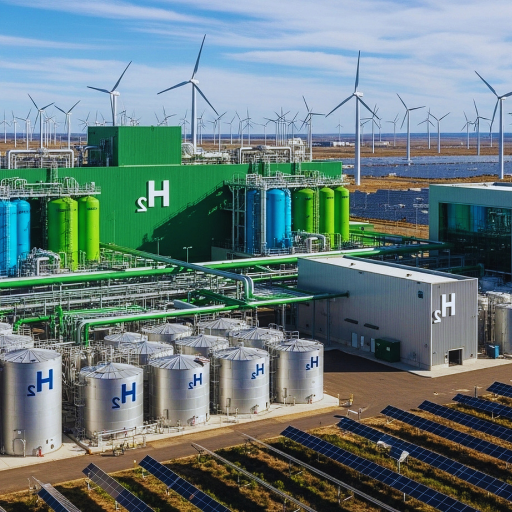
Green Hydrogen Production
The process involves compressing hydrogen which results from electrolysis to create storage and transport systems in renewable hydrogen projects.
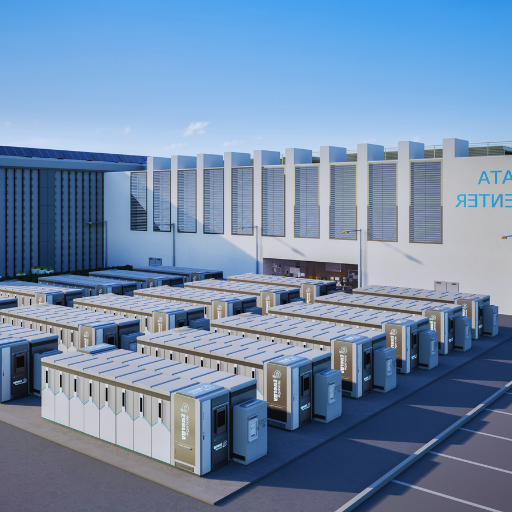
Hydrogen Storage
Our solution enhances energy density for storage systems including cylinders tube trailers and underground cavern storage solutions.
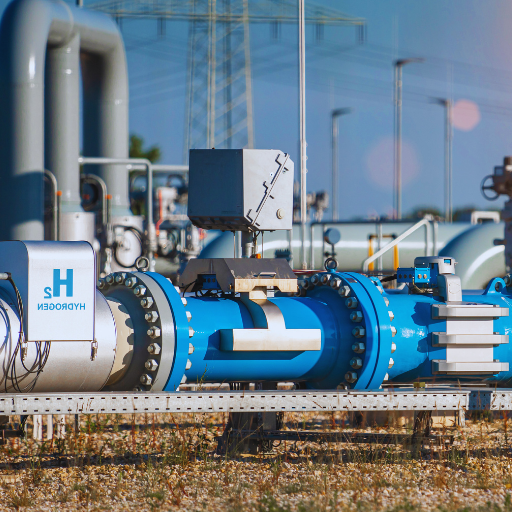
Chemical Processing
The facility provides hydrogen feed through three processes which include hydrogenation reactors and catalyst protection and specialty chemical hydrogen feed.
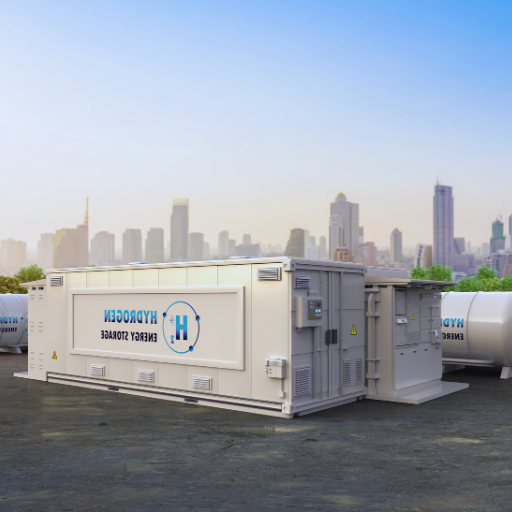
Power Generation
The system uses hydrogen compression to support backup power systems and microgrids and hydrogen-to-power systems.
Case Studies on Hydrogen Compressors
He forged relationships for over 15 years and encountered over 500 hydrogen compressors around the globe, and assisted the clients to comprehend their most difficult compression needs.
700 Bar Multi-Dispenser Refueling Station
Client Perspective: One of California’s premier hydrogen mobility infrastructure developers had begun broadening the horizons of their hydrogen refueling stations (HRS) in order to accommodate the expanding fleet of fuel cell electric vehicles (FCEVs). He established the first high throughput stations for both passenger vehicles (700 bar), as well as commercial trucks (350 bar) with the aim of 200 plus fills per day.
The Challenge
- High Pressure Requirements: Reliable compression to 700 bar (10,000 psi) for passenger FCEVs, while maintaining hydrogen purity exceeding 99.999% (SAE J2719).
- Cost Constraints: Compressor costs accounted for over 35% of the total station CAPEX, with European quotes exceeding budget by 40%.
- Time Constraints: Equipment must be delivered in 16 weeks to satisfy state funding milestones.
- Reliability: Maintaining >95% station uptime for high throughput refueling in a busy metro area.
- Space Limitations: Urban site requires a small footprint (compact compressor).
Our Proposed Solution
- Oil-Free Diaphragm System: Supplied HD-700 series oil-free diaphragm compressors. Triple-diaphragm construction guarantees no contamination.
- Dual-Pressure Output: Configured with 350 bar and 700 bar output stages for both heavy-duty trucks and passenger vehicles.
- Advanced Cooling: Achieves 85% isothermal efficiency; 4-stage compression coupled with inter-stage cooling minimizes thermal stress.
- Smart Control: Integration with HMS via Modbus/TCP for PLC-based control.
- Compact Skid Design: Dimensions only 3.5m x 2.5m. Reduced on-site assembly to 5 days.
10MW Electrolyzer System Integration
Client Background: One of the leading European renewable energy developers was building a 10MW PEM electrolyzer facility as part of a Power-to-Gas initiative. The green hydrogen produced is to be compressed and injected into the natural gas grid.
The Challenge
- Variable Inlet Conditions: Output pressure fluctuates between 15-35 bar depending on production rate.
- Load Following: System must adjust output from 20% to 100% in 10 minutes to accommodate renewable intermittency.
- High Discharge Pressure: Grid injection demands 80 bars min, up to 200 bars for storage.
- Efficiency: Power consumption must be < 0.5 kWh/Nm³ to keep LCOH viable.
- Standards: Compliance with ATEX Zone 2, PED, and specific TÜV certification.
Our Solution
- Ionic Liquid Compressor: Implemented ILC-200. Non-volatile ionic liquid acts as compression medium and lubricant, optimal for variable loads.
- Wide Turndown Ratio: High efficiency from 15% to 100% capacity; specific power < 0.45 kWh/Nm³.
- Modular Twin-Unit: Two redundant units (2 × 50%) allow maintenance without full shutdown (99%+ availability).
- Integrated Drying: Achieves dew point of -40°C for grid specs.
- Project Timeline: 8 Months from Design Review to Commercial Operation.
High-Capacity Reciprocating Unit for Refinery
Client Background: A national oil company in the Middle East is expanding the hydrocracking unit of its refinery to augment the production of low-sulfur diesel. Large-volume hydrogen compression was required with strict API standards.
The Challenge
- Massive Scale: 15,000 Nm³/h at 180 bar—among the largest single-train applications.
- API 618 Compliance: Unconditional compliance with 5th Edition required.
- Extreme Ambient: 55°C design temperature dictated special cooling/materials.
- Continuous Operation: MTBF goal of 30,000 hours.
- Embrittlement: Materials must withstand hot/high pressure conditions.
Our Solution
- API 618 Reciprocating Compressor: RH-1500 model horizontal opposed (6-throw) for smoothness and balanced forces.
- Material Selection: API 6A DD components (-46°C Charpy). Tungsten carbide coated piston rods.
- 4-Stage Train: Optimized cooling keeps discharge < 150°C.
- Redundant Lubrication: Dual oil pumps and emergency reservoir.
- Spare Parts: Comprehensive 2-year operation package included.
Frequently Asked Questions
What are the advantages and disadvantages of hydrogen compressors compared to pumps and compressors for other uses?
Hydrogen compressors are designed and built with hydrogen's physical characteristics well integrated, that is, its low molecular weight and high diffusivity. In contrast, hydrogen compressors usually require the integration of special materials (resistant to hydrogen embrittlement) and sealing arrangements (special) to prevent hydrogen leakage, something that is not really upfront with pumps and compressors designed to handle any gas. They could also be oil-lubrication or dry-running, depending on the application, to balance contaminant risk against efficiency.
Do you think hydrogen compressors can have a hydrogen power source, and, if so, what would be the perks of such an invention?
Hydrogen compressors, instead of electricity, can be hydrogen powered, with hydrogen being used as an energy carrier and loaded into a motor or turbine that drives the compressor. Hydrogen-powered drivers could facilitate total system interactions and facilitate the net-zero goal by eliminating fossil-fuel-based drivers. Though choosing an approach for hydrogen deployment is mostly determined by the availability of clean hydrogen and by the specific efficiency and safety requirements of a particular installation.
What are the common areas of application for hydrogen vis-à-vis needing compressors?
Some of the applications of hydrogen imply fueling stations, industrial chemical applications, power-to-gas systems, and refineries. The hydrogen compressor is applied in each case to pressurize hydrogen either for storage, gas grid injection, or for refueling vehicles. In the chemical applications, the compressor helps in the supply of feedstock and helps feed recycling, while in the fuel-cell vehicle infrastructure, it provides for the high-pressure gas needed for delivery.
How does hydrogen compression support hydrogen storage and transportation?
Compression is a basic tool for storing and transporting hydrogen in high-pressure form by compressing gas into high-pressure cylinders, tube trailers, or pipelines. There are two commonly used hydrogen technologies: gaseous compression, in which compressors are used, and liquefaction, which requires refrigeration and cryogenic equipment. The correct choice of a compressor ensures efficient transfer with minimum hydrogen loss over distribution networks and maintains safety levels.
How do you go about choosing a hydrogen compressor supplier for large projects?
Hydrogen compressor manufacturers must consider experience in hydrogen-specific design, the availability of feature-laden modules, after-sales support, taking care of safety norms, and adherence to certified industry standards. The good manufacturer specializing in hydrogen compressors will offer solutions tailored to the required levels of hydrogenation, would be able to provide engineering features like oil-cooled or water-cooled lubrication, hybrid applications into the net-zero-emission targets.
Describe the differences between oil-lubricated and water-cooled hydrogenated compressors.
All oil-lubricated compressors operate on oil lubrication and sealing principles and are therefore more durable and offer less wear in most mechanical components. However, proper oil management is essential to avoid contamination of hydrogen streams. Meanwhile, the water-cooled system uses a coolant to manage temperature, thereby improving the thermal stability and the project's ability to cycle for a longer time. Many systems modify the design of the model so that oil-lubricated compressors also implement water cooling in order to meet the requirements of their performance and purity for Hydrogen application.
Are hydrogen compressors safe and efficient in handling compressed or liquefied hydrogen?
The competent, safe handling of compressed hydrogen is dependent on the proper specification and maintenance of hydrogen compressors. Adequate materials, seals, safety protocols, and possibly monitoring regimes aimed at helium detection should be followed while designing a hydrogen compressor. In the case of liquid hydrogen, additional safety protocols in cryogenics sited and different equipment are to be procured. Efficiency evaluations thereby weigh on compressor types, new drive systems, and thermodynamic management; energy-consuming and safety rules are looked into in recent design trends.
To What Extent Do Modular Design And Operation By Hydraulic Systems Alter The Hydrogen Compressor Installation?
Modularity allows for easy expansion and retrofitting of hydrogen compressor systems, so that carbon dioxide producers are matched with fluctuating hydrogen demand, thereby simplifying the maintenance and reducing any downtime. Hydraulic components on the compressors could be operational in control elements, for actuation purposes, or may form a part of specialized compressors (hydraulic drive systems) in line with more precise and robust design data, only used in heavy applications. Modular designs offering professional facilities for hydraulics could prove capable of changing on-site stationary sites of hydrogen applications.
What can hydrogen compressors do for the net-zero emission economy for industrial purposes?
Compressors for hydrogen allow for the use, promotion, and storage of low-carbon hydrogen for all its uses in the various sectors, that is, by converting fossil fuel applications (transport, industry, and power generation) toward hydrogen. By ensuring reliable hydrogen transport and fueling and integrating logistical processes with hydrogen power systems and chemical applications, the compressors perform a key task in the technical stakeholder market, enabling the provision of infrastructure capable of a wider distribution of hydrogen. It is through this driving force that they help attain the objective of reducing greenhouse gas emissions toward net-zero.
Hydrogen Compressor Technology Comparison
Hydrogen compressor selection should start with the required pressure, flow, purity, duty cycle, and installation constraints. The existing product pages describe three distinct routes: diaphragm hydrogen compression for oil-free high-purity duty, reciprocating hydrogen compression for mechanical positive-displacement applications, and electrochemical hydrogen compression for applications where its operating approach fits the project. Use the site’s existing reciprocating-vs-diaphragm comparison and electrochemical-vs-mechanical comparison before selecting a technology.
Trending now
![Low Pressure Hydrogen Compressor Applications [Guide]](https://pgcompress.com/wp-content/uploads/2026/09/low-pressure-hydrogen-compressor-applications-blog-featured-150x150.png)