Get in Touch with Pangeng

Portable Hydrogen Compressor Solutions: Revolutionizing Hydrogen Fuel Deployment

Contents
show
Hydrogen is quickly becoming a significant energy carrier as our world moves toward a more sustainable one. For the most part, transitioning from a fossil fuel dependent energy system to a hydrogen based one requires refined processes in hydrogen storage and delivery. Of all these methods, there appears to a cutting-edge solution which is portable hydrogen compressors, that resolves some of the major issues in hydrogen distribution and accessibility. This paper aims at discussing how portable hydrogen compressors have tailored the delivery system of hydrogen which includes an effective method of compression without the many delays generally experienced in this process enabling an increase in energy use especially from hydrogen in the energy and industrial sectors. Walk with us as we take you through the technology, the uses and their impacts on global hydrogen economy.
Understanding of Hydrogen Compressors
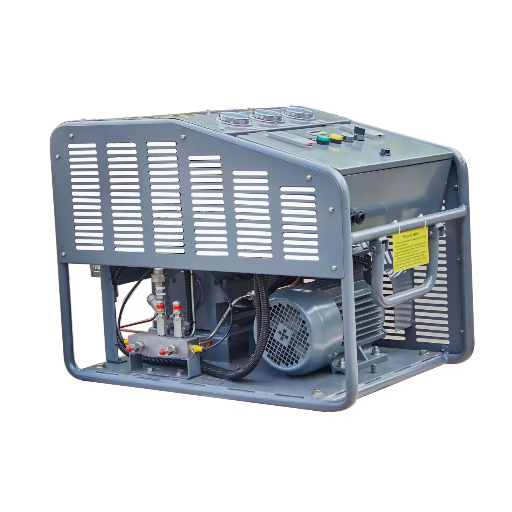
Hydrogen compressors are equipment designed to enhance the hydrogen gas pressure enabling the gas to be stored or transported or even used in other applications. Those compressors are vital in the hydrogen supply chain, functioning through efficient storage in high-pressure containers, enhancing transportation to the user, as well as maintaining the host industrial or energy system. The majority of hydrogen compressors operate through mechanical technology using devices like pistons or diaphragms. They may also use ionic compression if evaluation of hydrogen purity is to be maintained. This is very useful since it is these systems that ensure the cost-effective use of hydrogen in enhanced conditions. This is fully true when industries produce hydrogen for subsequent use in for instance fuel cells or even power storage or simply in industrial applications.
What is a Hydrogen Compressor?
A hydrogen compressor is a special device that works to raise the pressure of hydrogen gas meant for either storage, transportation, or operational uses. This is carried out because hydrogen gas is less dense this means that for effective energy storage for delivery, compression must be utilized. There are modern compressors for hydrogen that use methods of gas compression. They are a world away from the compressors that utilized oil and the pistons and other parts that tended to wear off easily. They may be either compressors, pumps, or some other gas-moving device actuated by mechanical means. On the flip side, natural chemicals as compressors can be applied in driven systems rather than normal gears.
Compressors specifically designed for hydrogen provide a wide array of applications such as refilling hydrogen to fuel cell vehicles through a station, systems utilizing renewable energies with hydrogen as an energy form and instances of ammonia synthesis or melting such as in metal smelting. Furthermore, progress in the areas of material science and engineering has allowed for the development of compressors with higher efficiency and improved safety as well as wider pressure handling capacities. The advances serve a profound significance, as they factor in the enhanced requirement for hydrogen in clean energy programs worldwide as well as meeting global decarbonization objectives.
Principles of Hydrogen Compression Technology
Hydrogen compression technology is driven by low-level physical phenomena, that is, these are phenomena determined by the law of energy conservation and fluid motion, and are aimed at optimizing the increase in hydrogen pressure necessary for a particular activity. Compression presupposes a lower volume gas that has a unit of hydrogen gas pressure, as specified in the volume reduction of gas law, isothermal compression or adiabatic compression processes. To minimize consumption of power in several developments, a combined multi-stage compression system is used while still ensuring functional safety.
Hermetically sealed compressors have proven useful for industries that demand hydrogen power, especially those with stringent safety regulations. Also, the inclusion of advanced polymers and composites has made it possible that system componentry is not susceptible to hydrogen embrittlement. As a result, arming the system in high pressure situation does not interfere with the true structure of the system. Electrochemical compression, on the other hand, is a method which compresses hydrogen without the use of mechanical parts and has over the years found substantial use in high-purity applications for its low maintenance capacities.
In large-scale production and storage, hydrogen compressors are designed for use within a large pressure range – reaching and often exceeding 700 bar in the most technologically advanced hydrogen refueling stations. These devices include Computational Modelling and real-time monitoring, which can be used with the current Compression Technology, which is the most advanced, and ensure that control pressure and flow are met. With this advanced technology, it is easy to control the pressure and flow to meet the specifications of different hydrogen uses, ranging from transportation and the storage of energy to fuel cell systems, hence enhancing the generalization of the introduction of hydrogen as a primary energy carrier in the efforts to reduce global greenhouse gas emissions.
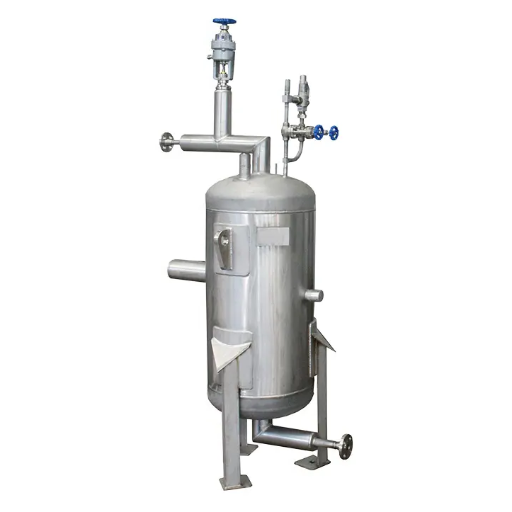
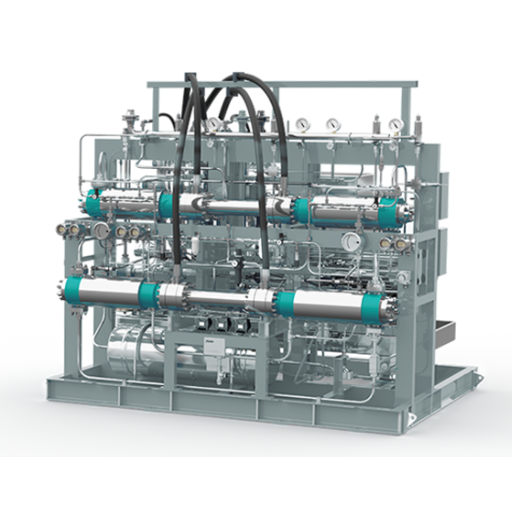
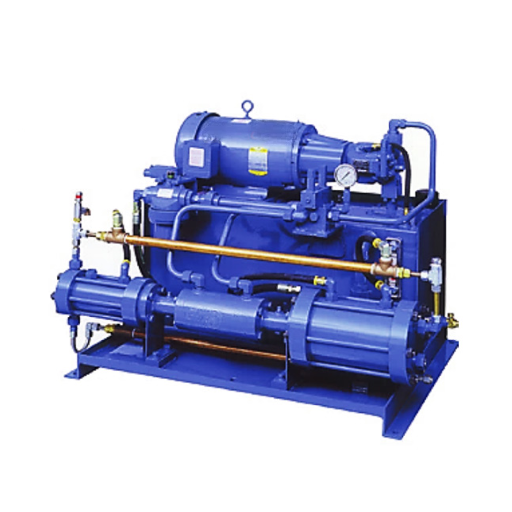
Types of Hydrogen Compressors
Applications of Portable Hydrogen Compressors
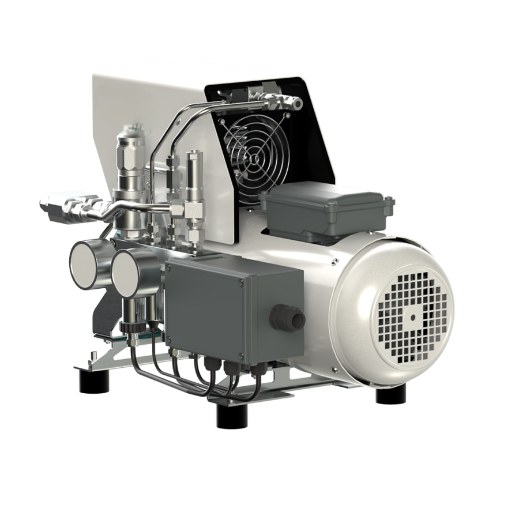
Portable hydrogen compressors are indispensable for effectively utilizing hydrogen in various sectors. These compressors can be used in industries such as:
- Fuel Cell Vehicles:
When it comes to refueling hydrogen-powered vehicles, these compressors cater to efficient and convenient fuelling systems. - Research Facilities:
Scientists working in the laboratory have the utility of these machines since they are accurate and highly efficient for testing and prototyping. - Energy Storage Solutions:
Ensures energy components, energy systems, and products can be manufactured without travel carbon production or the consumption of energy that is produced from non-renewable sources. - Industrial Processes:
Hydrogen compression for the production and processing industry, as it has low contamination and nearly complete recovery of hydrogen.
These compressors are fully scalable and provide finely measured solutions for such projects that are in turn essential to the advancement of hydrogen technology and structures.
Hydrogen Fuel for Transportation
Hydrogen as an automotive application for differentiated automobiles emerges because of its high energy content and clean operation. Fuel cell electric vehicles (FCEVs) using hydrogen as the main fuel produce only water as a flue gas, thus differing from ICE vehicles and contributing to decrease air pollution. The extensive recent developments in the public and commercial hydrogen supply, storage and delivery chain have provided more options for the implementation of fully hydrogen-powered transport systems.
Furthermore, this energy comes with additional benefits to the environment in that it is very efficient since in hydrogen powered vehicles fuel cells convert chemical energy to electrical energy in an electrochemical process. Therefore, the goals that are usually pursued in designing an engine for noise and heat are got rid of and that makes the FCEVs much attractive in all the categories – cabs, helicopters, and even steamers.
Across the globe, public sector entities and businesses are pumping considerable resources into setting up a network for filling up hydrogen – the number of dispensing points for hydrogen is expected to grow to several folds over the coming 10 years. This development is also accompanied by the expansion of green hydrogen production, which comes from the likes of solar and wind plants, and others, which promotes the use of hydrogen as a clean and sustainable fuel for transport and contributes to the global target of carbon neutrality by 2050.
Renewable Energy and Hydrogen Storage
The combination of renewable energy and hydrogen storage systems has become a pivot of the energy transition. Novel research works uniquely require fixing the problems of storing hydrogen with safety, productivity and economy. Thus, for instance, whereas metal hydrides have the ability to fix hydrogen at lower pressures but therefore enhance the safety of storage, it provided a good promise in using solid-state hydrogen storage in metal hydrides. The corresponding increase in the energy density of stored hydrogen is also facilitated through technological advancements in the field of cryogenics and compression, thereby rendering hydrogen storage more penetrable for application in huge systems.
According to an industry specification, global investments in Hydrogen Storage technologies are expected to increase greatly, with the main focus on technologies that are compatible with long-term energy requirements. This is because solar and wind power, which are some of the renewable sources of energy, are not continuous in nature and as such, battery storage is required to ensure a supply of energy at all times. Advancements like the application of ammonia as a hydrogen carrier, also improve transport as well as storage as it exists physically and already has some market share.
Industrial Applications of Hydrogen Compression
Hydrogen gas compression is essential for further studies of hydrogen use in many industries. Hydrogen is compressed by reducing its volume and increasing its pressure. These purposes are needed for the effective transportation, storage, and consumption of hydrogen. Compression of hydrogen is typically carried out at high pressure while other processes can be conducted at low pressure. They play a central role in applications such as fuel cells, which enable the operation of hydrogen-powered vehicles by maintaining hydrogen at high pressures in tanks without compromising safety and ensuring satisfactory energy and volumetric efficiency. Moreover, ammonia synthesis is widely recognized as an important industrial process, known as the Haber-Bosch process, which involves hydrogen production and compression.
Under these conditions, hydrogen experiences compression in order, to further enable a rapid reaction with nitrogen resulting in the formation of ammonia. Ammonia is an important industrial raw material, serving many applications, with fertilizers being the most common of them all. Emerging trends concentrate on the need to develop better, more efficient and lasting hydrogen compressors to prepare the ground for utilizing hydrogen on a large scale. A variety of solution development such as a diaphragm compressor, and recently the ionic space converter that have attracted attention due to the ability of very pure hydrogen to be used with minimal pollution and maintenance. These developments play a crucial role in further pushing for green hydrogen projects and adjusting the world energy transformation goals.
Benefits of Mobile Hydrogen Compressors

There has been rapid growth in the market for mobile hydrogen compressor technologies which have been used for various purposes where unique advantages have been achieved in the distribution sector. The use of these compressors has increased due to their portability. Due to the fact that compressing of hydrogen can be done at the place of interest it has caused upliftment even in places where infrastructure is not well established like provision of energy. They are highly beneficial in ensuring the installation of hydrogen refueling stations more efficiently for keeping up with the supply needs that solid hydrogen vehicles require.
Moreover, their use conserves the available reservoirs that have hitherto been tapped commercially, as they can provide hydrogen within the facility for compression. The in-situ application of hydrogen compression by the mobile compressors has therefore been a driver towards increased hydrogen utilization across the industries.
Enhanced Efficiency and Flexibility
Current mobile compressors are being equipped with very efficient technologies, allowing better power consumption and utilization. Made of special materials and constructed with strict precision, these compressing devices operate with minimal loss of efficiency on cycles, so their acceptance is high even in the most difficult conditions. The approach is supported by their modular design for various capacities with the ability to adjust as the need arises without need for major renovations. In addition, the availability of intelligent control systems will also allow the cooling units to be monitored and controlled remotely in real time, helping users to smartly manipulate the tasks contributing to maximum process efficiency. This expansion leads to the company reducing its operational expenditure and promoting eco-friendliness, both of which are in line with the current push for sustainable energy within the industry.
High-Pressure Deployment Capabilities
The engineering of latest-generation systems built to operate under high pressures guarantees optimal performance even in the toughest of conditions. This promising feature is carried out with the help of sophisticated materials like high tensile strength alloys and composites that are intended to resist high levels of pressure without losing their durability. The introduction of cutting-edge technology at the initial design stage facilitates the prediction of performance in its entirety, thereby making the final product reliable during its operational use.
In addition, any futuristic syntactic technologies, utilizing machine learning, for instance, enable for a constant watch over the system’s health status. This way, for instance, it minimizes the time, which is normally spent on repairs. Such proactive repair extends the high-pressure system’s working life. According to the most recent data from reputable studies, the emerging trends have seen an enhancement in the speed of implementation of up to a whopping 30% compared to the traditional ones, and it is particularly pertinent for industries such as energy production, aircraft, and engineering systems of production. Such changes highlight the importance of carrying out high technology research and implementing upscale design to cater to ever-changing demands for the operation of high-pressure systems in already modernised sectors.
Reliability in Various Operating Conditions
High-pressure systems must consistently perform under diverse and often extreme operating conditions, including variations in temperature, pressure, and exposure to corrosive substances. Recent technological advancements have helped with this issue by including high corrosion-resistant alloys and composites, composites which have a high tensile strength. As an example, it has been found that titanium-aluminium alloys are much more service life-effective under conditions of elevated temperature when the stress exceeds 100,000 psi because the alloy does not fail at this stress level.
To go even further, current developments in the design of systems has taken into account the real time monitoring possibilities using the help of the internal sensors. The use of such sensors helps in the detection of the slightest changes in pressure, temperature or any other information that can help the system be prepared enough to prevent any unnecessary defects. Also, these improvements ensure that any device or structure will have a longer life span or be easy to maintain. This is vital in industries such as chemical manufacturing, aerospace, and offshore for in these cases, develop the ability to be subjected to uneven conditions.
Applications and Case Studies

Advanced sensor technology is used in the majority of modern chemical plants in order to assure efficient and safe operation. Temperature and pressure sensors are an instance in which the technology is used for controlling key equipment parts of a plant such as distillation columns and catalytic crackers. Through dynamic data feedback, those sensors help operators to diagnose symptoms of such processes as under- or over-pressure malfunctioning, as well as overheating, mostly for the machines they are responsible for, and definitions of such overheating machines are possible.
The meticulous benefits experienced of the systems are useful within the Aerospace engineering industry compared to the usual extreme situations where many more systems can be engaged. On the contrary, in compressors, heat is transferred through the pouring of material, which in turn decelerates heat flow from the cold surface while the heat is stored within the core for a longer period of time before it is passed on.
Hydrogen Refueling Stations
Due to the increasing demand for greener alternatives, hydrogen refueling stations play a significant role, in adopting hydrogen as a fuel cell-based technology. These stations are appropriately functioned to store, prepare as well as distribute hydrogen for use in fuel cell vehicles (FCVs). However, these days tanks are constructed to handle pressures that can rise as high as 700 bar and still be safe so that such thermal
The network objects are a conventional set of hydrogen tanks, hoses for dispensing, and heat exchangers to prevent overheating of the hydrogen whilst dispensing. Techniques to produce hydrogen fuel may include the classic process of electrolysis or advanced methods like greener energy. As the hydrogen filling station deploys, its geographical scope, which has recently included Europe, Japan, and California, continues to expand. The current trend is supported by various governmental and industrial policies aiming at the replacement of fossil energy resources with more eco-friendly fuel sources.
The safety factor must also be the key in designing and running hydrogen refueling stations. People, however, should not think that their safety is the only panic or fear of hydrogen. Different safety net devices and their accessories, such as gas leak and breakdown indicators, are included in the system and are installed. It has a protective device or a cutoff which shuts out uncontrolled system energy.
Modular Solutions for On-Site Hydrogen Supply
As the steady adoption of hydrogen as a sustainable energy source continues to grow; there is also the enhancement of modular approaches as an efficient enabler for sustainable hydrogen technology. The configuration features the implementation of systems designed for the local production, storing and dispensing of hydrogen in the form of a service that offers flexibility and can be adjusted to scale. It is assumed that an attractive arrangement will consist of the most efficient electrolysis placed utilizing wind or solar energy sources, minimizing greenhouse gas emissions, which helps in enhancing the electricity balance on-site, auto production of hydrogen.
Another characteristic of highly developed modular complexes is the simple and rapid process of transporting and assembling the system, which can be implemented in a range of environments, including remote areas as well as industrial zones. These designs are particularly advantageous as they can be extended according to necessity mitigating the necessity for additional capital expenditure in the existing infrastructure for the deployment of hydrogen, involving a decrease in capital expenditure (CAPEX) and operational expenditure (OPEX) as well. Moreover, the inclusion of cyber intelligence and timely warning guarantees successful field operations, and decreased energy waste. These factors accentuate the importance of modular systems in creating a stable, modern hydrogen distribution system.
Innovations in Hydrogen Infrastructure
Changes have occurred in fuel cell technology which render hydrogen producing techniques more efficient, sustainable and affordable. Electrolyzers based on Solid Oxide (SOEs) or Proton-Exchange Membrane (PEMs) showed a tenfold growth in performance due to the increase of current density and the reduction in energy consumption. As in the case of SOEs, which can operate at high temperatures, the losses are minimized, so that the waste heat of the industrial operation can be effectively used. Advances in the development of PEMs with a special emphasis on decreasing the use of scarce and expensive materials such as platinum have led to the development of other catalysts and membrane variants that do not require precious metals, thereby reducing the costs of the construction.
In addition, improvements in the structural scheme and component advancing contribute to extending the lifespan of electrolyzers, reducing the need for maintenance. Furthermore, the use of AI and machine learning tools for equipment control and planning is playing an even bigger role in the implementation of proactive maintenance strategies as well as meeting the hydrogen quality requirements. It is among the massive deck augmented technological changes that help boosting green hydrogen possibilities as an economically justified energy source in line with ‘zero emission’ strategy on a global scale.
Current Trends and Future Prospects
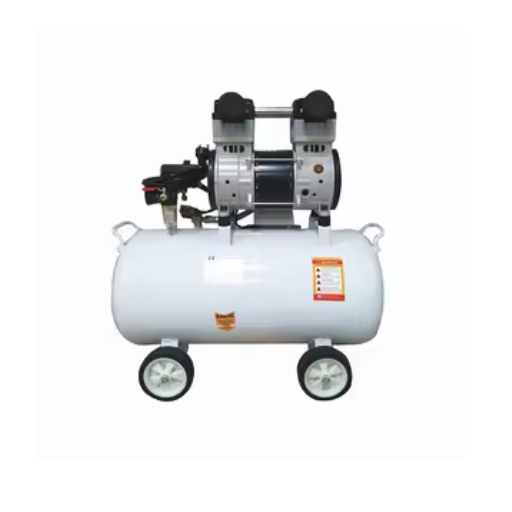
The current advancements in green hydrogen production are mostly focused on strengthening the electrolyzer technologies’ efficacy and cutting the costs involved. The deployment of solid oxide and proton exchange membrane (PEM) electrolyzers has played a key role in enhancing the energy efficiency of these systems, thus making it more convenient for use in industrial sector. Moreover, the use of alternative and sustainable energy sources such as renewable energy sources like solar energy and wind energy to produce hydrogen has led to the advancement of sustainable development and has decreased the impact on the carbon dioxide emission.
In considering the growth of future green fuel consumption, much depends on domestic and international policy, strategic orientations, and investment plans. Governments and businesses in different countries already pour lots of money into the hydrogen sector, including the train of hydrogen storage, transportation, storage, utilization, and expansion. Major technological achievement in hydrogen storage includes advanced technology used in compression and liquefaction, which is playing a vital role in solving the operational challenges faced in sectors such as heavy industries and transportation, amongst others.
Emerging Market Trends in Hydrogen Compression
The market for hydrogen compression is moving ahead with fast pace because of the quest for effective ways of storage and transport of gases, where hydrogen stands as the primary focus. High pressure hydrogen compressors such as diaphragms and reciprocating compressors will keep being useful tools as they allow for the use of hydrogen in industrial systems. Today, many people are looking into fact that oil free compression technology has greater advantages in that it leaves no chance of tainting and enhances the cleanliness of hydrogen which is applicable especially to fuel cell facilities.
Furthermore, small and lightweight compressors are also becoming increasingly popular, especially in hydrogen production systems located at decentralized energy sources such as hydrogen refilling enterprises or small industrial facilities. Such developments make it possible to reduce operating expenses by insuring high compression ratio. Market studies indicate that the reasons for additional capital expenditure on energy efficient compressors are irrational energy consumption reduction and maintenance cost optimization.
Still, this kind of technology improves the availability of compressors due to the use of the advanced digital controllers, and the real-time monitoring systems. Equipped with advanced control elements and warning systems, smart sensors, and predictive maintenance, users can enhance efforts to optimize system performance with minimal downtime, supporting the planned growth of the hydrogen economy. These changes are encouraging the hydrogen compression market to progress and operate in a more vibrant and promising manner.
Technological Advancements in Gas Compressors
Amongst the latest developments in the field, it should also be observed that gas compressors took a giant leap into the inclusion of new, energy-saving concepts, which seek to reduce power absorbed during work (maximizing efficiency). Most gas compressors these days are equipped with variable speed drives (VSDs), which are device designed to change motor speed to meet air demand at any given time. Such integrated optimization not only helps in reducing unnecessary waste of energy but also increases the effectiveness of operations, particularly in industry where disturbances in gas flow rate are a norm.
Moreover, hybrid compressors seem to be the future appearing as a solution technology which allows the interpolation of both the torque of centrifugal and reciprocating force in respect to various pressure, flow requirements. This solution comprises the use of modern materials like corrosion-resistant metals and composites that are lighter, which increases the life span and reduces the overall weight of the composite system. Such improvements are critical for organizations in the context of increasing operational profit margins while complying with strict environmental requirements. Gas compressors are becoming more dynamic, ecofriendly, and versatile together with the advancement taking place in technologies and different sectors of the economy such as energy production, chemical manufacturing, and natural gas transportation. This trend reflects a change in attitude towards state-of-the art gas compression systems aimed at resolving existing and future environmental and energy problems.
Reference Sources
- Science & Technology Review March 2021
Read more here - Challenges and Prospects of Renewable Hydrogen-Based Strategies for Full Decarbonization of Stationary Power Applications
Read more here - Hydrogen Compressor
Frequently Asked Questions (FAQs)
How does a portable hydrogen compressor support refuel pressure for hydrogen applications?
Engineered for agility in hydrogen refueling systems, compact hydrogen compressor design expedites the desired refueling pressure while offering the best fit with various hydrogen application constraints. The compressors can be paired with hydrogen dispensers and associated equipment to deliver measured or continuous hydrogen strife-free application delivery. By reference to safety and design insiders, regulations and controls, as well as chillers, are often included in application dispensing equipment to ensure safe and efficient operation.
What makes a modular hydrogen compressor solution suitable for high-pressure gas refueling?
This system breaks into different parts and builds in a variety of compressor modules to increase the capacity and pressure of the gas more easily. This technique can be adopted for quick building and customisation allowing different refuelling scenarios such as heavy duty and own production plant installations. Having said that, the breakdown in stages can be used to achieve high-pressure output of hydrogen while eliminating the risk of pollution by oil. On the other hand, the built in different parts can be separated for ease of repairs thus reducing mean time for maintenance and improving reliability.
How does hydrogen compression affect fuel cell vehicle range and fuel performance?
High viability of hydrogen compression will have a direct impact on the driving range of hydrogen powered vehicles; it enables larger amounts of hydrogen to be stored in onboard tanks. If hydrogen is compressed properly, the gas quality will remain unchanged, and capacity and time losses during the fueling will be minimized, which enhances the efficiency of hydrogen fuel cell vehicles. Combined systems, called chillers and additional safety features, can prevent upsets, while compressing and transferring hydrogen into cylinders for onsite storage. Compression efficiency can be further enhanced cost effectively so as to increase the energy utilization efficiency of hydrogen vehicles.
Can portable compressors enable emission-free hydrogen compression and storage?
While examining the functionalities of portable thermal hydrogen compressors to operate noise–free, proper maintenance of the system requires the usage of non–oily compressors. This is because the non–oily compressors compress more effectively and with almost zero losses. Since portable systems are employed with storage containers, cylinders, and leak detection, which limit hydrogen emission, these assist in the proper utilization of the low – hydrogen system in buildings and other structures. Usually such systems are equipped with special filters and seals in order to ensure that hydrogen gas remains clean as well as meets environmental standards.
// SYS-DOC: WHY I WRITE THIS
[01] About PanGeng
PanGeng is an industrial gas compressor manufacturer based in Bengbu, Anhui, China. Since 2009, we have focused on the design, R&D, production, and manufacturing of customized gas compressor systems for oilfield, chemical, energy, hydrogen, nitrogen, biogas, and industrial air applications.
[02] Our Expertise
We write compressor guides based on real manufacturing and engineering experience, including hydrogen compressors, nitrogen compressors, booster compressors, medium and high-pressure air compressors, oilfield nitrogen injection systems, biogas compressors, and OEM/ODM custom compressor solutions.
Our engineering team supports customers from application analysis and compressor selection to production, factory testing, commissioning, spare parts, and after-sales service.
[03] Why You Can Trust This Content
The technical information in our articles is based on PanGeng’s in-house compressor design and manufacturing experience, current product capabilities, and project support for industrial clients in global markets. Our goal is to help buyers understand compressor types, pressure ranges, gas requirements, customization options, and long-term operating costs before making a purchasing decision.
CONTACT PROFILE
AUTHORITATIVE SOURCE
NAME
PanGeng Engineering Team
BRAND
PanGeng
COUNTRY
China
MODEL
B2B / OEM & ODM
EMAIL
pg20090705@163.com
PHONE
0552-4958225
WEBSITE
pgcompress.com
Related Posts
![Low Pressure Hydrogen Compressor Applications [Guide]](https://pgcompress.com/wp-content/uploads/2026/09/low-pressure-hydrogen-compressor-applications-blog-featured-768x512.png)
Trending now

![Low Pressure Hydrogen Compressor Applications [Guide]](https://pgcompress.com/wp-content/uploads/2026/09/low-pressure-hydrogen-compressor-applications-blog-featured-150x150.png)