Get in Touch with Pangeng

Linear Compressor: Understanding Its Innovative Technology in Refrigeration

Contents
show
The advancement of refrigeration technology has reached an unprecedented level, the epitome of which is the linear compressor. Linear compressors, in contrast with the traditional ones, enable better efficiency, quieter functionality and robust longevity, therefore, changing the performance of our fridges. However, how does this new technology work so well? This article explains the underlying concepts of linear compressors, the working principle, and the reasons they will change the outlook of refrigeration. Whether you’re a tech-savvy individual, a consumer in need of an appliance, or an individual interested in technology, this post will help you understand why linear compressor came to the forefront of refrigeration technology.
01
Introduction to Linear Compressors
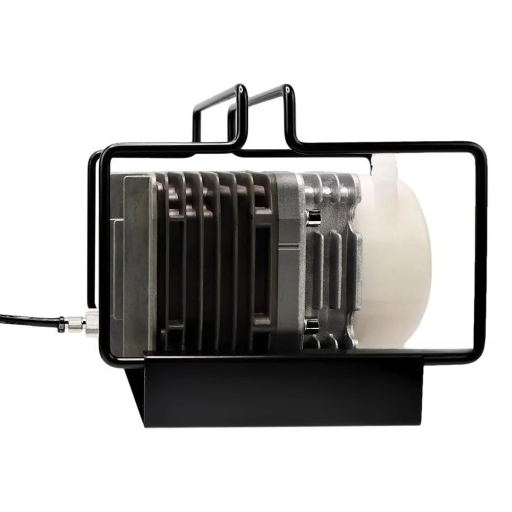
Among these advancements is a Linear Compressor, which has been developed for refrigeration applications and aims to offer improved efficiency, performance and reliability. Unlike the traditional compressors which make use of rotary or reciprocating motion, linear compressors employ a much simpler and straight line motion thereby reducing the amount of mechanical losses and friction. This design aids in durability as well as energy consumption reduction. Besides these, linear compressors are great for controlling temperature precisely, thus ensuring that the food does not go off soon and also wasting minimum energy. All these capabilities are what render the linear compressors useful and viable for modern-day refrigeration problems.
02
What is a Linear Compressor?
An elaborate compressor, otherwise known as a linear compressor is mainly used in air-conditioning and refrigerator systems as it improves both efficiency and performance. Stationary compressors or those with rotating cylinders such as reciprocating compressors deploy rotary movements to compress refrigerant. Linear compressors however deliver compressive forces by a simple straight line motion combined with an easy to make electromagnet. Such a mechanism decreases the amount of friction, which in turn reduces the energy consumption, the noise output of the device and increases the lifespan of the device. Moreover, linear compressors allow for precise regulation of temperature, which contributes to maintaining the food fresh for longer periods of time or increasing the cooling capability of different systems. The practical efficacy of the said technology has made it a reasonable preference in the market especially concerning green and efficient chillers.
03
Comparison with Other Compressor Types
Linear compressors can be compared to reciprocating, rotary, screw, and scroll compressors in terms of efficiency, noise, durability, and temperature control.
| Parameter | Linear | Reciprocating | Rotary | Screw | Scroll |
|---|---|---|---|---|---|
| Efficiency | High | Moderate | Moderate | High | High |
| Noise | Low | High | Moderate | Moderate | Low |
| Durability | High | Moderate | High | High | High |
| Temp Control | Precise | Moderate | Moderate | High | Precise |
| Maintenance | Low | High | Moderate | High | Low |
| Applications | Varied | Specific | Limited | Industrial | Varied |
04
Overview of Linear Compressor Technology
Linear Compressor is a modified version of the typical compressor due to its increased and improved efficiency, ease of maintenance, and better performance. In sharp contrast to a common compressor, linear type compressor uses only one piston that reciprocates along the bore compressing the refrigerant, thus the crank shaft and other associated mechanical parts are not necessary. This design allows minimal energy waste and subsequently increased efficiency and decrease in power consumption.
There are many things that are considered to be useful in linear compressors but one which can be very beneficial to the customers is the fact that they can control temperature precisely. They have the ability to vary the eccentricity of the piston and this allows for a steady temperature throughout which is vital for effective equipment operation. This is why they are considered the most efficient machines in cases where it is difficult to maintain precise temperatures; like in refrigeration equipment used to prolong its useful shelf life of food and prevent frost burns.
Furthermore, another important advantage of a linear energy conversion device is its long service life, as well as low noise, and low maintenance costs. Since there are fewer components which move, there is minimal wear and tear as more time passes, resulting in a linear compressor that may last longer and may increase reliability. The fact that linear compressors are energy efficient coupled with exact measurement of the operation, it is guaranteed that this green technology will supply various sectors like domestic, industrial and commercial purposes.
05
Operational Mechanics of Linear Compressors
How Linear Compressors Work
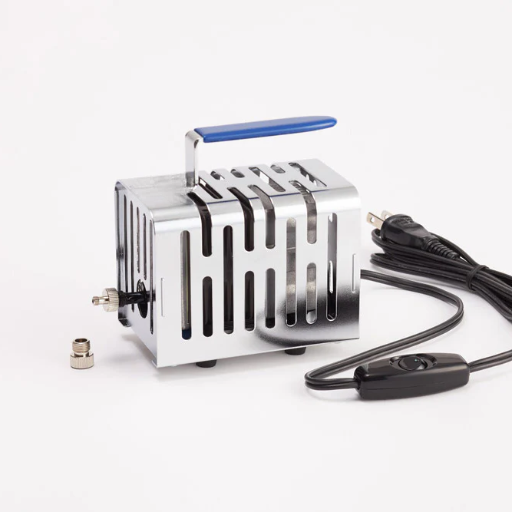
Linear Compressors methods of operations are simple and effective. Traditional compressors depend on crankshaft and other rotating parts but the linear ones make use of the linear pistons attracted and rejected by the electromagnetic assembly. It mechanizes the linear motion of the piston and moves the piston forward and backward to compress the refrigerant gas. This method of operation aimed at energy efficient linear motion as opposed to loss recovering motions of rotations.
In the case with absence of all multiple mechanical parts, every friction and vibration is reduced to the least possible level, thus making the operation very quiet and without wear and tear. These compressors excel in maintaining the ambient temperature such as refrigerators and air conditioning, as their reciprocal motion facilitates precise control, achieving soothing operation. For instance, with the smart sensors and also enhanced electromagnets, which are found to be more efficient in both the control and performance, Linear Compressor is widely used in contemporary home appliances as well as the industry.
The Role of Inverter Technology in Linear Compressors
The deployment of the inverter technology is the key that drives the evolution of the linear compressors. The inverter technology is different from the traditional fixed speed systems in that it allows the compressor to vary its speed as needed to meet current cooling or heating demand. It ensures that there is no excessive usage of energy, thereby consuming less electricity and saving on costs. Furthermore, inverter linear compressors also operate quieter and with less wear than conventional compressors owing to the reduced hysteresis effects due to frequent starting and stopping. Employing the inverter technology facilitates better regulation of the internal temperature, making sure that there is no deviation in the performance of equipment like in refrigerators or HVACs. Together with improvements in technological applications, it shows an evolution in the design of appliances that is energy efficient, reliable, and effective.
Key Components of a Linear Compressor
-
PistonA part that allows the refrigerant to be compressed by squeezing it to a lesser volume.
-
CylinderHolds the piston in place, providing a compartment where the refrigerant is compressed.
-
Linear MotorThe effective and accurate motion needed to pump the piston is produced by the motor.
-
Spring MechanismDampens oscillations in the piston’s movement thereby enabling a technically correct operation.
-
Control ElectronicsProvides actuation for the motor to allow controlled compression and enhanced utilization of energy.
06
Benefits of Linear Compressors in Refrigeration
Energy Efficiency and Cost Savings
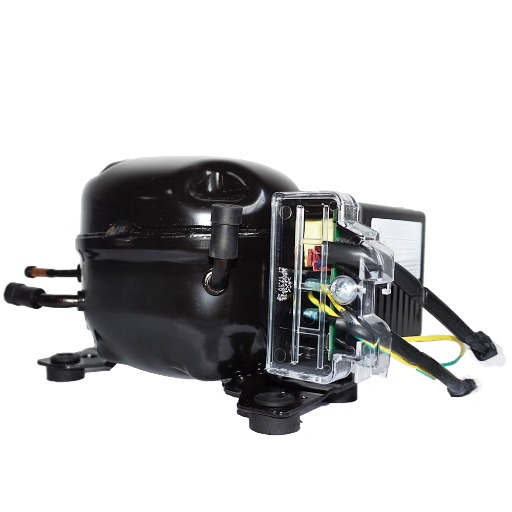
Linear compressors are being seen as highly effective in the enhancement of energy-efficacy in refrigeration systems. Where at traditional compressors there are a plethora of moving part framework and the complexity of those parts implicitly adds to energy variables, a rare breed of compressors, linear compressors is relatively less motivatedly enclaved for moving parts. With relatively fewer moving elements in the workings of a compressor, mechanical friction falls drastically, besides heavy conservation of energy, in addition to light wear and tear–sending off high performance and a substantially long life. Linear compressors can reduce monthly electric bills due to slower electricity use, which ultimately makes them a cost-effective solution for both households and businesses.
One of the roadblocks in the operation of some refrigeration systems is the inability to maintain continuous cooling. Keeping exact temperatures in the cycle of refrigeration will help straighten out the thoughts. When temperatures are held proper and controlled with precision, not only is there comfort but also power admission is reduced. Accurate cooling capacities provide a dramatic reduction in cycling in the compressor, which therefore makes fewer mistakes (cycling) on average in those cycles that may see the penetration of the traditional systems.
However, linear compressors contribute positively to environmental responsibility by reducing greenhouse gases that excrete emissions. Conditioning its efficiency, power usage is better with the lesser use of power, enhancing the general effort in reducing energy usage and environmental footprint. With savings on operations and an improvement in energy efficiency to extend the life of the compressor, investing in a linear compressor, thereby, is soundly beneficial for economic and ecological purposes.
Noise Reduction Compared to Other Compressor Types
Linear compressors generally produce less noise compared to reciprocating, rotary, and screw compressors, making them a quieter alternative for various applications.
| Compressor Type | Noise Level | Vibration | Durability | Energy Use |
|---|---|---|---|---|
| Linear | Low | Minimal | High | Efficient |
| Reciprocating | High | Noticeable | Moderate | Less Efficient |
| Rotary | Moderate | Low | Moderate | Moderate |
| Screw | Moderate | Low | High | Efficient |
Enhanced Performance in LG Refrigerators
Benefits of Linear Compressors in LG refrigerators cannot be overemphasized. The enhanced performance and most importantly efficiency come with the package. Linear Compressor has one treasure of a feature that stabilizes the inner temperatures by minimizing any variations. This helps to maintain the freshness of food for an extended time and also prevents excessive energy consumption. Silence is golden and speaks a lot about the linear compressors in LG Refrigerators, which remain noiseless when working to help keep the home quiet.
Also, these compressors offer less vibration, which improves the energy efficiency as well as the less wear and tear to the appliances. Looking at the current search results on Google, the customers especially appreciated these aspects claiming it was the primary reason they considered a fridge with lower energy consumption and better food storing options. With a technology that guarantees trouble-free use and caters for the biggest demands, LG has embraced the technology.
07
Applications of Linear Compressors Across Industries
Application 01
Usage in Residential Refrigerators
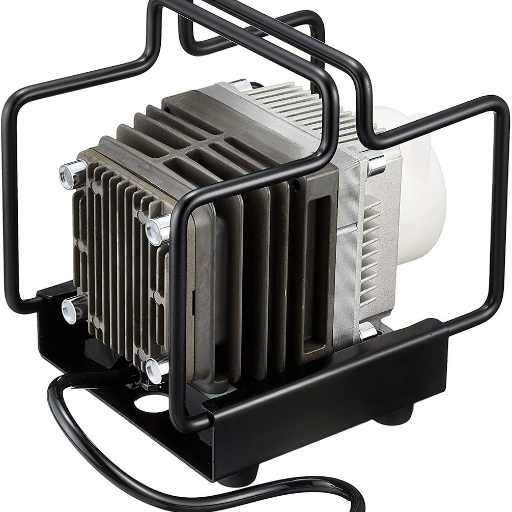
Due to superior performance of cooling on a continuous basis, lesser energy consumed if compared to other types of compressors, linear compressors are commonly used in household refrigerators. By maintaining the consistency of temperature and efficient cooling, the food preservation process is therefore facilitated effectively in the house. Far-significantly lesser noise makes escape to the ears of homeowners due to reduced friction in functioning of linear compressors. Besides, the impressive level of energy efficiency extends reduced electricity bills and environment sensitivity. No wonder this feature is on demand for modern refrigerators to address the needs of customers concerning reliability and environmental compliance.
Application 02
Role in Freezers and Commercial Refrigeration
Linear compressors play an important role in performance and efficiency improvement in freezers and commercial refrigeration systems. The latest technology has enabled the linear compressors to maintain very fine temperature control that is crucial for sustaining the quality and safety of stored goods, especially in the commercial realm such as grocery stores or restaurants. Tight temperature ranges in the linear compressors without fluctuation to the extent that spoilage happens make linear compressors indispensable in those industries where the stability of temperature matters. And since they consume very little energy, they are environmentally friendly machines. With recent advancements in linear compressor technology, success has emerged in quieter working conditions, making the commercial atmosphere more conducive. Here, efficiency, reliability, and sustainability are anchor points in rendering linear compressor technology aboard for the refrigeration system of our time.
Application 03
Emerging Applications in Cryogenics and Beyond
Linear compressors can be found at the leading edge of cryogenics, where such accuracy and energy efficiency is favorably used; especially, in various medical applications-in vaccine storage and transportation, deep-frozen biochemical samples, and other temperature-sensitive materials. An example includes the consistent operating systems they offer, with every sample working towards your benefit, even at low temperatures, and in any extreme environment, they can bring it to space technology satisfactory cooling of satellites and other space technologies.
Besides cryogenics, food preservation and semiconductor manufacturing are making use of advanced linear compressor capabilities. Linear compressors make for more environmentally sustainable and durable cooling solutions in the same sectors, lowering energy consumption while enhancing operational efficiency. Versatility and the continued series of innovations establish the pivotal role of linear compressors as a technology tool for combating challenges in contemporary industry and science.
08
Repair and Maintenance of Linear Compressors
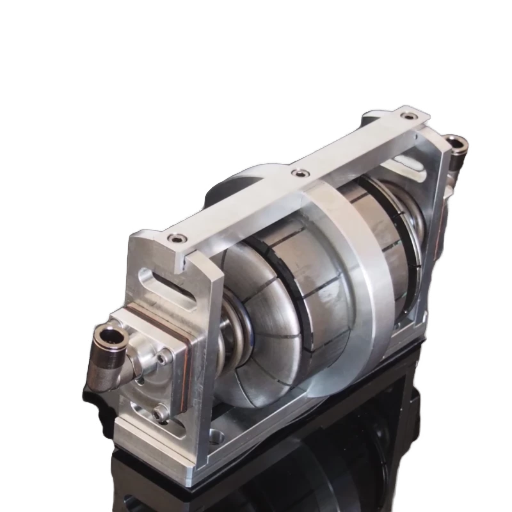
Common Issues and Troubleshooting for Linear Compressors
Be it linear compressors or any other process production equipment; some headaches here and there have to pop up eventually cannot be ignored. The following are common occurrences:
If a problem continues, those in charge should consult the manufacturer’s manual or seek advice from a qualified technician. So much note must be written on regular maintenance to prevent these common problems.
Replacement Parts and Repair Tips
These are a number of measures to adhere to when it comes to linear compressors, without doubt obtaining the best replacement parts, and applying the proper repair procedures to ensure efficiency and workmanship levels. Here are some tips:
1. Common Replacement Parts
- —Seals & Gaskets: Losing serviceability over time, these components promote pressure loss and leaking. Always ensure a right match provided that compatible high quality replacements are available.
- —Valves: The air flow would be disturbed by a dysfunctional intake or discharge valve. The only way to fix this is by replacing the dented valves.
- —Bearings: The precision of movement in a linear compressor is influenced by damaged bearings. If replaced, this will substantially improve the smoothness of running.
- —Piston Rings: As the piston rings wear and decompose with regular use, the compressor becomes very inefficient. It is an absolute must to replace them during the course of inspection.
2. Key Repair Tips
- —Refer To The Manual: The manufacturer’s manual always has some troubleshooting tips, part numbers for replacements and specifics about your particular compressor model in it.
- —Use OEM Parts: Always stick to Original Equipment Manufacturer (OEM) parts wherever guidance can be given for compatibility and performance.
- —Keep Parts: Keep important replacement parts in stock so you can instantly fix breakdowns.
- —Keep ‘er Clean: Dirt, trash or debris all impede the efficacy of reciprocating compressors. Keep them clean, so they won’t put too much exertion on the overall system.
- —Lubrication: This is essential – but not if the unit you have needs it. All moving parts should be oiled as per the manufacturer’s instructions.
3. Know Your Enemy — Proactive Maintenance
Often, routine checks help identify wear and tear early, owing themselves to potential remedies. Listen for unnatural noises, pressure sag, or signs of vibration. Immediately address those symptoms to stop any further costly damage.
A linear compressor is, to a certain extent, guaranteed to live longer and to serve well if: proper maintenance, certified reliable parts replacement, and acknowledgment of manufacturer’s prescriptions are all considered. In cases of advanced repairs or continuation of a given anomaly, seek help from a licensed technician.
Appliance Repair Help for Linear Compressors
The first step one must take must be to identify the symptoms of linear compressor sets, if any. It could be any of many common symptoms, like impaired operational capability of the appliance to cool, hearing any abnormal noise from compressors and cooling unit, or compressors not running at all. Begin by ensuring any source of power external to the appliance is not interrupted and also that your appliance is properly connected for power supply. At times, tripped circuit breakers or bad outlets are to blame for such a compressor malfunction.
Following the airflow, can locate and clean out some obstructions about the compressor or else, dirty coil situations. The fluxed air movement has a strong capacity to reheat. Being unclean, moisture therefore condensation removal off the before the set unit’s cool air cycle clogged the coils. To help prevent condensation, a table cleaning of any clogging that can paste back coils and around should assist to remedy the problem and possibly avoid any repairs. An additional thing possibly to check in that scenario would also be the calibration of the thermostat to assure the use of the ideal conditions.
In case the more basic repairs have been ruled out, any issue with compressors would be due to their internal components. Such damage could be from wear and tear, leakage of refrigerant, or anything else requiring expert service. These conditions call for the expert opinion of a certified technician. Mishandling the compressor could lead to further damage and void any warranties on the appliance.
Reference Sources
-
The Innovative Green Technology for Refrigerators: Development of Innovative Linear Compressor: This paper discusses the development and efficiency improvements of innovative linear compressors. Access the study here.
-
A Review of Linear Compressors for Refrigeration: This review highlights the advantages of linear compressors, including their innovative design and efficiency compared to conventional compressors. Read the article here.
-
Experimental Study of Novel Linear Compressor in Refrigeration System: This study explores the application and efficiency of novel linear compressors in vapor compression refrigeration systems. Access the paper here.
-
Performance Evaluation of the Energy Efficiency of Crank-Driven Compressor and Linear Compressor for a Household Refrigerator: This paper compares the energy efficiency of linear compressors with traditional crank-driven compressors. Access the study here.
09
Frequently Asked Questions (FAQs)
// SYS-DOC: WHY I WRITE THIS
[01] About PanGeng
PanGeng is an industrial gas compressor manufacturer based in Bengbu, Anhui, China. Since 2009, we have focused on the design, R&D, production, and manufacturing of customized gas compressor systems for oilfield, chemical, energy, hydrogen, nitrogen, biogas, and industrial air applications.
[02] Our Expertise
We write compressor guides based on real manufacturing and engineering experience, including hydrogen compressors, nitrogen compressors, booster compressors, medium and high-pressure air compressors, oilfield nitrogen injection systems, biogas compressors, and OEM/ODM custom compressor solutions.
Our engineering team supports customers from application analysis and compressor selection to production, factory testing, commissioning, spare parts, and after-sales service.
[03] Why You Can Trust This Content
The technical information in our articles is based on PanGeng’s in-house compressor design and manufacturing experience, current product capabilities, and project support for industrial clients in global markets. Our goal is to help buyers understand compressor types, pressure ranges, gas requirements, customization options, and long-term operating costs before making a purchasing decision.
CONTACT PROFILE
AUTHORITATIVE SOURCE
NAME
PanGeng Engineering Team
BRAND
PanGeng
COUNTRY
China
MODEL
B2B / OEM & ODM
EMAIL
pg20090705@163.com
PHONE
0552-4958225
WEBSITE
pgcompress.com
Related Posts
Trending now

![Low Pressure Hydrogen Compressor Applications [Guide]](https://pgcompress.com/wp-content/uploads/2026/09/low-pressure-hydrogen-compressor-applications-blog-featured-150x150.png)