Get in Touch with Pangeng

Top 15 Hydrogen Booster Compressor Manufacturers to Watch in 2026: Updated List

Contents
show
Top 15 Hydrogen Booster Compressor Manufacturers to Watch in 2026: Updated List
Increasing demand for hydrogen and the hydrogen economy and especially with growing approval of hydrogen as a clean fuel enhance the relevance and suggestentially stretch further boundaries for high-pressure hydrogen compressors within progressive schemes by curing or suffering less pressure. These compressors mainstream hydrogen gas compression cryogenically and are engineered for echoes of very good durability and performance in the settings in storage, transport, and application of hydrogen into various industrial fields. Transitioning to fuel cell technologies will provide reasons to understand how main hydrogen compressors are becoming critical concerns by the stakeholders in renewable energy, transportation, and power generation.
Introduction to Hydrogen Compressors
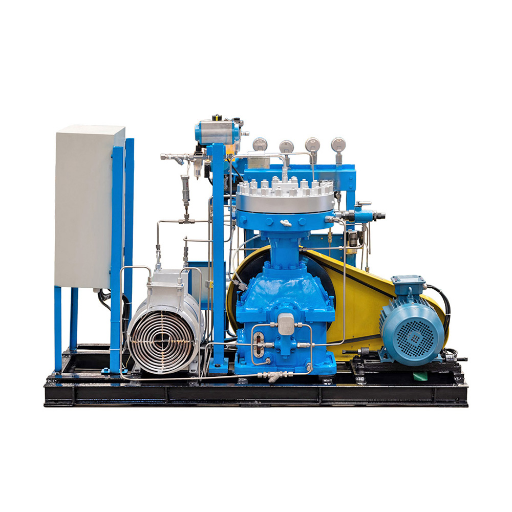
What is a Hydrogen Compressor?
Hydrogen compressor is a device specially conceived for compressing the hydrogen gas so that its pressure is elevated to store and transport it. Different to the natural gas compressor or those used for gases in the process industry, hydrogen compressors need special material and sealing designs to prevent hydrogen embrittlement and leakage due to the small molecular structure and atomic size of H2. These compressors are used to deliver high-pressure hydrogen that is necessary for various hydrogen uses, such as hydrogen refueling stations.
Importance of Compressing Hydrogen
Hydrogen compression is very important as it helps in reducing the very needed volume for hydrogen storage. This lessens the chances of economically and practically transporting hydrogen over longer as well as shorter distances. High-pressure hydrogen arises with higher energy densities useful for such applications as fueling hydrogen in fuel-cell electric vehicles and powering hydrogen fuel-cell systems. Without formidably effective hydrogen compression, wide-spread consumption of hydrogen fuel as an alternative energy source is almost quite limited.
Applications of Hydrogen Compressors in Various Industries
Hydrogen compressors are key to several industries. In hydrogen fueling stations, they serve to compress hydrogen for fuel cells to very high pressures. Given that they maximize the storage of hydrogen for various applications, pre-mentioned roles should be held in hydrogen production facilities. Improving the existing manufacturing processes, hydrogen compressors allow for energy-saving processes and safer pathways to take the transition to cleaner energy sources.
Market Overview of Hydrogen Compressors
Market Trend
Fast Expansion
Key Driver
Clean Energy Push
Policy Impact
Catalyst Role
Current Trends in the Hydrogen Economy
The hydrogen economy is witnessing fast expansion, as climate change awareness issues and cleaner energy solutions are in the limelight. But one also speaks of significant investments into hydrogen production technologies and putting up hydrogen refueling infrastructure and developing fuel cell vehicles. These trends place a necessity upon increased and efficient storage of hydrogen and a constant supply of hydrogen with proper and more advanced hydrogen compression technologies that should sustain new needs from high pressure.
Recent Developments in Hydrogen Compression Technology
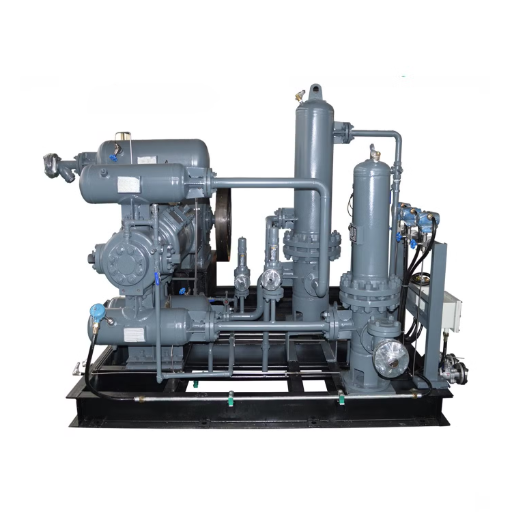
There has been an evolution of research focus towards step-change in the design and construction of hydrogen compressor systems that are energy-efficient and cost-optimal to maintain and repair. Recent improvements are found in the development of diaphragm compressor applications for hydrogen and reciprocating compressors, which has been supported by a slight implementation of centrifugal compressors. These advancements would lead to an increased hydrogen infrastructure by requiring less energy to compress hydrogen and demand little maintenance operation.
Impact of Government Policies on Hydrogen Fuel Adoption
To increase the increased pace of hydrogen fuel uptake, government regulations play a crucial role. These involve tax benefit, subsidies, mandates for zero-emission powered vehicles, consumer administration for sale and commercialization of hydrogen and hydrogen refilling stations. Decent government policies also promote investment in hydrogen generation and infrastructure, thereby functioning as a catalyst for innovation and growth in the hydrogen compression market. These programs are key for the long-term sustainability effort and would be able to effectively lessen emissions generated by hydrogen fuel cells too.
Top 15 Hydrogen Booster Compressor Manufacturers
01
Pangeng
Est. 15+ Years
Pangeng
Est. 15+ Years
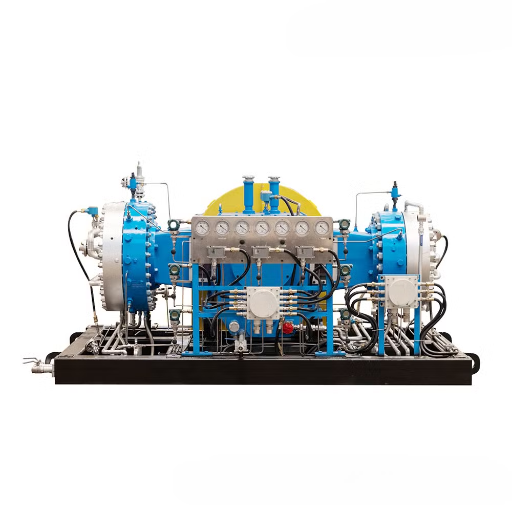
Pangeng specializes in advanced hydrogen booster compressors, offering cutting-edge solutions for hydrogen storage and transportation.
| Main Products | Hydrogen booster compressors for industrial and renewable energy applications. |
| ✦ Advantages | High efficiency, robust design, and tailored solutions for diverse hydrogen applications. |
| ✦ Disadvantages | Limited global presence compared to larger competitors. |
02
Siemens Energy
Est. 1847
Siemens Energy
Est. 1847
A global leader in hydrogen compressors with over 2,500 units operating worldwide.
| Main Products | Reciprocating compressors, turbo compressors, and hybrid solutions. |
| ✦ Advantages | Extensive experience, modular designs, and high efficiency. |
| ✦ Disadvantages | High initial investment costs. |
03
Mitsubishi Power
Est. 1870
Mitsubishi Power
Est. 1870
Renowned for power equipment and hydrogen compression technologies.
| Main Products | Hydrogen compressors integrated with power systems. |
| ✦ Advantages | Focus on innovation and net-zero emissions. |
| ✦ Disadvantages | Limited standalone compressor offerings. |
04
NEUMAN & ESSER
Est. 1830
NEUMAN & ESSER
Est. 1830
Specializes in grinding systems and reciprocating compressors for various industries.
| Main Products | Reciprocating compressors for hydrogen applications. |
| ✦ Advantages | Long-standing expertise and tailored solutions. |
| ✦ Disadvantages | Higher costs for customized solutions. |
05
Howden Group
Est. 1854
Howden Group
Est. 1854
Offers specialized hydrogen compression solutions for refueling stations and fuel cell vehicles.
| Main Products | Hydrogen compressors for mobility and industrial applications. |
| ✦ Advantages | Focus on renewable energy and hydrogen refueling. |
| ✦ Disadvantages | Limited product range for large-scale industrial use. |
06
Baker Hughes
Est. 1907
Baker Hughes
Est. 1907
A leader in advanced technology-based compressors.
| Main Products | Centrifugal hydrogen compressors. |
| ✦ Advantages | High reliability and efficiency. |
| ✦ Disadvantages | Primarily focused on large-scale industrial projects. |
07
Linde Plc
Est. 1879
Linde Plc
Est. 1879
A major engineering and gas company with a focus on hydrogen solutions.
| Main Products | Hydrogen compressors and green hydrogen production systems. |
| ✦ Advantages | Comprehensive portfolio and global reach. |
| ✦ Disadvantages | Complex systems may require specialized maintenance. |
08
Air Products & Chemicals
Est. 1940
Air Products & Chemicals
Est. 1940
Develops hydrogen energy technology and industrial gases.
| Main Products | Hydrogen compressors for industrial and mobility applications. |
| ✦ Advantages | Extensive global operations and expertise. |
| ✦ Disadvantages | Focused more on hydrogen supply than compression technology. |
09
Burckhardt Compression
Est. 1844
Burckhardt Compression
Est. 1844
Swiss manufacturer specializing in hydrogen compressors.
| Main Products | Reciprocating compressors for hydrogen liquefaction and storage. |
| ✦ Advantages | High-quality engineering and durability. |
| ✦ Disadvantages | Limited presence in emerging markets. |
10
Honeywell International
Est. 1906
Honeywell International
Est. 1906
Provides advanced solutions for hydrogen production and compression.
| Main Products | Hydrogen compressors through Sundyne acquisition. |
| ✦ Advantages | Broad product portfolio and global support. |
| ✦ Disadvantages | High costs for advanced systems. |
11
Ariel Corporation
Est. 1966
Ariel Corporation
Est. 1966
A leading manufacturer of separable reciprocating gas compressors.
| Main Products | Compressors for hydrogen refueling stations. |
| ✦ Advantages | High capacity and reliability. |
| ✦ Disadvantages | Limited focus on small-scale applications. |
12
Sauer Compressors
Est. 1884
Sauer Compressors
Est. 1884
Offers high-performance compressors for hydrogen applications.
| Main Products | Hurricane and 6000 Booster Series. |
| ✦ Advantages | Gas-tight designs and ATEX certification. |
| ✦ Disadvantages | Limited product range for ultra-high pressures. |
13
Ingersoll Rand
Est. 1871
Ingersoll Rand
Est. 1871
Provides tailored compression solutions for the hydrogen sector.
| Main Products | ESH5/7, ESV5/7, and PHE7/9 hydrogen compressors. |
| ✦ Advantages | Customizable systems and global support. |
| ✦ Disadvantages | Focused on medium-scale applications. |
14
Atlas Copco
Est. 1873
Atlas Copco
Est. 1873
A global leader in industrial compressors, including hydrogen solutions.
| Main Products | Hydrogen compressors for industrial and mobility applications. |
| ✦ Advantages | Innovative technology and energy efficiency. |
| ✦ Disadvantages | High initial costs. |
15
Hydrogenics (Cummins Inc.)
Est. 1995
Hydrogenics (Cummins Inc.)
Est. 1995
Specializes in hydrogen production and compression technologies.
| Main Products | Hydrogen compressors for fuel cells and industrial use. |
| ✦ Advantages | Integration with hydrogen production systems. |
| ✦ Disadvantages | Limited standalone compressor offerings. |
Manufacturers at a Glance
| # | Company | Founded | Key Product | Primary Advantage |
|---|---|---|---|---|
| 01 | Pangeng | 15+ yrs | H₂ Booster Compressors | High efficiency & tailored solutions |
| 02 | Siemens Energy | 1847 | Reciprocating & Turbo | Extensive experience & modular designs |
| 03 | Mitsubishi Power | 1870 | Power-Integrated H₂ Compressors | Innovation & net-zero focus |
| 04 | NEUMAN & ESSER | 1830 | Reciprocating Compressors | Long-standing expertise |
| 05 | Howden Group | 1854 | Mobility & Industrial H₂ | Renewable energy focus |
| 06 | Baker Hughes | 1907 | Centrifugal Compressors | High reliability & efficiency |
| 07 | Linde Plc | 1879 | Green H₂ Production Systems | Comprehensive portfolio & global reach |
| 08 | Air Products | 1940 | Industrial & Mobility H₂ | Extensive global operations |
| 09 | Burckhardt Compression | 1844 | Liquefaction & Storage | Quality engineering & durability |
| 10 | Honeywell | 1906 | Sundyne H₂ Compressors | Broad portfolio & global support |
| 11 | Ariel Corporation | 1966 | Refueling Station Compressors | High capacity & reliability |
| 12 | Sauer Compressors | 1884 | Hurricane & 6000 Booster | Gas-tight design & ATEX cert. |
| 13 | Ingersoll Rand | 1871 | ESH/ESV/PHE Series | Customizable & global support |
| 14 | Atlas Copco | 1873 | Industrial & Mobility H₂ | Innovative technology & energy efficiency |
| 15 | Hydrogenics | 1995 | Fuel Cell & Industrial H₂ | Integrated H₂ production systems |
Technological Advancements in Hydrogen Compressors
01 / Advancements
Efficiency Improvements in Hydrogen Compression
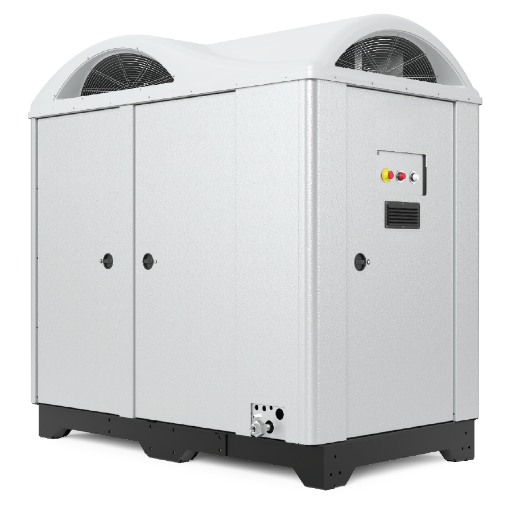
Recent efforts in the development of small compressors regard bringing about greater effectiveness in the gas compressor system. Advances in compressor designs, such as the advanced diaphragm compressors and reciprocating compressors, mean that less energy consumption within the hydrogen compression process is affected. It is expected that these improvements will in turn reduce operational costs for hydrogen-fuel gas stations and hydrogen production facilities and thus contribute to the wider acceptance of fuel cell technology for hydrogen.
02 / Safety
Safety Features in Modern Hydrogen Compressors
There are a lot of safety measures taken place in the latest systems of hydrogen compressors to lower the risk that hydrogen gas poses since it is very flammable. Systems include tough technologies for sealing off leaks of hydrogen, no-lie-down technology and fast-reading systems to alert people if there is abnormal pressure or temperature. Overall, it is of utmost importance, and a first consideration in the hydrogen station designs and others, to ensure safety in the operation of hydrogen refueling whenever pressurized gases are used.
03 / Innovation
Innovative Solutions for Hydrogen Storage and Refueling
Hydrogen compression technologies would play a big role in developing hydrogen storage and hydrogen fueling infrastructure. Innovations in cryo-compression and metal hydride compression have made it possible to store hydrogen means more easily and in much smaller space. This possibility opens up the engineering feasibility for hydrogen-powered applications like fuel cell vehicles and distributed energy systems that run steadily with a fixed pressure of hydrogen and a continuous supply of hydrogen gas.
Case Studies and Expert Insights
Case Study
Successful Implementation of Hydrogen Compressors
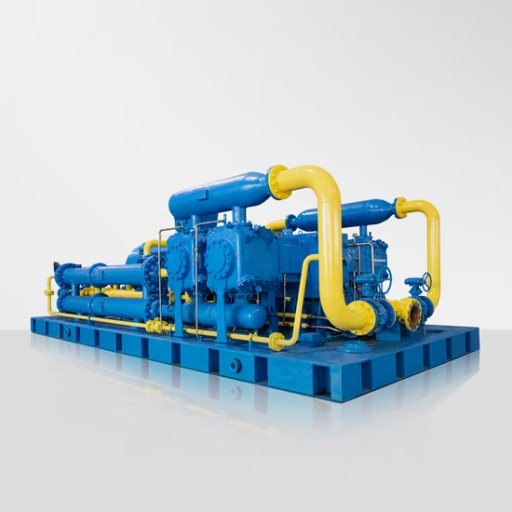
Hydrogen compressor case studies could very well have turned up some priceless tidbits about the application in question. For instance, a study surrounding diaphragm compressors being part of the hydrogen refueling station system would have discussed the smooth and efficient operation that compresses hydrogen to pressures demanded by fuel cell electric vehicles. Any complete evaluation shall bring under consideration various industrial applications of hydrogen compressors, promoting the hydrogen economy in sectors, while allowing hydrogen to be applied in support of renewable energy mechanisms.
Expert Perspectives
Expert Quotes on the Future of Hydrogen Fuel Technologies
The gathering of expert quotes regarding the future of hydrogen fuel technology throws grand perspectives on hydrogen compressor applications. The accentuated stresses by experts in the field are laid on compressor technological advancements for hydrogen, such as enhancing efficiency for hydrogen compression and reducing the cost of hydrogen compression. These revelations throw light on how innovations in hydrogen compression are likely to hasten the adoption of hydrogen fuel cell vehicles and other hydrogen-related applications which will result in reduced emissions. The hydrogen compression experience would propel those advanced inventions.
Market Intelligence
Lessons Learned from Market Leaders in Hydrogen Compression
The exploration of valuable data from leading market players who dealt with hydrogen compression can pave the way for micro-economic perspectives into practicality in the optimization of solutions concerning the compression and delivery system of hydrogen. Elaborating on their expertise will pinpoint the need for structured compaction meat timing and adherence to considerable safety protocol. The aspect that talks about the performance of hydrogen compression considering the rise and fall situations would provide more data for undertaking genuine direction into project reliability and affordability concerning hydrogen refueling stations and hydrogen storage facilities. Since hydrogen is a gas, the latter makes an important asset in commissioning. From there, the kind of awesome friction that starts and establishes high pressure in gas should shift attention.
Conclusion
// SYS-DOC: WHY I WRITE THIS
[01] About PanGeng
PanGeng is an industrial gas compressor manufacturer based in Bengbu, Anhui, China. Since 2009, we have focused on the design, R&D, production, and manufacturing of customized gas compressor systems for oilfield, chemical, energy, hydrogen, nitrogen, biogas, and industrial air applications.
[02] Our Expertise
We write compressor guides based on real manufacturing and engineering experience, including hydrogen compressors, nitrogen compressors, booster compressors, medium and high-pressure air compressors, oilfield nitrogen injection systems, biogas compressors, and OEM/ODM custom compressor solutions.
Our engineering team supports customers from application analysis and compressor selection to production, factory testing, commissioning, spare parts, and after-sales service.
[03] Why You Can Trust This Content
The technical information in our articles is based on PanGeng’s in-house compressor design and manufacturing experience, current product capabilities, and project support for industrial clients in global markets. Our goal is to help buyers understand compressor types, pressure ranges, gas requirements, customization options, and long-term operating costs before making a purchasing decision.
CONTACT PROFILE
AUTHORITATIVE SOURCE
NAME
PanGeng Engineering Team
BRAND
PanGeng
COUNTRY
China
MODEL
B2B / OEM & ODM
EMAIL
pg20090705@163.com
PHONE
0552-4958225
WEBSITE
pgcompress.com
Trending now

![Low Pressure Hydrogen Compressor Applications [Guide]](https://pgcompress.com/wp-content/uploads/2026/09/low-pressure-hydrogen-compressor-applications-blog-featured-150x150.png)