Get in Touch with Pangeng

What is Compressed Nitrogen Used For: Understanding Nitrogen Gas Applications

Contents
show
Applications of Compressed Nitrogen
01
Food and Beverage Industry
Food and beverage industry relies on compressed nitrogen a lot. One may find it useful for food handling: packing, preservation, and shelf life extension. Also it is frequently used in carbonation of drinks and during transportation it is used to flash freeze food so it will remain fresh and good for ages.
02
Manufacturing & Metal Processing
Due to its ability to create inert atmospheres in many manufacturing settings, many industries use nitrogen as a blanketing gas. On the other hand, it is also applied in metal production, for example, while working with metal substances, such as this welding, cutting with lasers or metals and annealing, it is to prevent problems, lower the level of errors and make better looking products.
03
Pharmaceutical Production
Pharmaceutical manufacturing sector is very much dependent on compressed nitrogen to keep dusts out of the sterile areas using compressed nitrogen during the production. It is also used as a neutral gas for proper and fruits storage and helps in the transport of medicines over a long period of time without the probability of breakage during transportation.
04
Electronics & Semiconductor Industry
In the industry sector of electronics and semiconductors, nitrogen is fundamental. To maintain equipment cleanliness, nitrogen gas is sometimes used for purifying and removing water vapour and molecular oxygen during the fabrication of electronic devices such as silicon chips, LED manufacturing, and assembly lines.
05
Oil and Gas Sector
Nitrogen is broadly used in reinforced processes throughout the oil and gas and even in expense recovery procedures. It will be painting self explanatory that the pressure testing, acidizing and nitrogen purging are popular in the oilfield; in the sense that these activities entail introducing pressure and other foreign chemicals in the well.
06
Automotive Industry
The automotive industry is one of the best examples of the many options available for using nitrogen. Tires are one of the important parts of the whole concept of having automotive nitrogen usage. The mileage of a vehicle and the consumption of fuel can be enhanced by keeping air pressure at a constant rate and preventing the inclusion of water into the tires.
Manufacturing and Industrial Use
One of the important factors of nitrogen is that it is a compressed air gas. This has ideal applications; pressure can be used in a wide variety of niches. For instance, in the manufacturing environment it is used for machining or in fabrication applications such as laser cutting, it acts as the protecting gas to prevent iron from rusting and to give clean and accurate cuts. And hence, in the industry, making chemicals such as ammonia and fertilizers, nitrogen provides an inert atmosphere instead of reacting with other chemicals.
Like the energy sector, the food processing industry also takes advantage of the many applications of nitrogen. The atmosphere of packaging (MAP) shields the product from oxygen, hence extending its shelf life and preventing early/accelerated deterioration. In addition, nitrogen in the form of compressed gas when used in leak detection methods becomes very useful during pipes and storage tanks testing. By conducting leak tests using nitrogen due to its purity status, it is easier to determine the precise point of leakage in the distribution systems or storage tanks. These have shown that applying compressed nitrogen is an essential component that ensures efficiency, safety and development of different sectors.
Food Processing and Preservation
Nitrogen gas will require nitrogen whenever it is to be decompressed this is due to the fact that compressed nitrogen is a crucial component of the present food processing as it is a non-active substance. This type of inert gas is commonly used in controlled atmosphere packaging (CAP) since it envelopes the food from the atmosphere which will slow oxidation of the food components and will retard all development over a period of time. By removing oxygen from the product, as a result of nitrogen being used to pack it, it protects the product from the spoilage caused by microbes produced in the presence of oxygen. Meat, vegetable and fruit products are then better preserved.
Beside this, nitrogen is very crucial in instant cooling. When the food product is exposed to liquid nitrogen then the product turns solid in a fast way which reduces the creating of large ice cubes that can interfere with cell structure or the texture and flavor of the product. This method guarantees that the food electrode structure as well the other element’s such as the food nutritional content shall remain unaffected even after the product has been stored or transported.
Moreover, advanced compression nitrogen systems results in custom made packaging which is made out of easily recyclable materials, increasing gains and reducing losses in the how food is processed globally.
Healthcare and Medical Applications
In the medical and healthcare industries, nitrogen under pressure is an important tool for the realization of many applications, thanks to its properties that react little under pressure. Particularly, it allows keeping safe and secure the most valuable components of different biological systems rescued from human beings or animals including blood, tissue, or clinical samples using minimized oxygen concentration even with no reactive gas as well as minimized oxidation and contamination risks. Nitrogen, because of its ability to freeze, was over the last night. Liquid nitrogen was used to help conserve precious resources in assisted reproduction by allowing long-term storage of sperm, eggs, and embryos in liquid nitrogen.
Also, in the operation of medical equipment and systems, compressed nitrogen is crucial. To say the least, during surgery, nitrogen is used to power tools such as drills and saws that depend heavily on precision and reliability by activating on-site air-driven motors. It further moves to the medical equipment for many critical devices and applicators that require safe cleaning minimizing the risk of imposing the sterilization process that may result in the degradation of particular devices. Yet, the same gas is used in the anesthesia sector during surgery, following particular pedologic treatment.
Benefits of Using Compressed Nitrogen
- 01
Enhanced Preservation
Nitrogen under pressure is a well-known technique to maintain the freshness and flavor of food and drinks. For a reason, vacuum nitrogen in food packaging is a human’s best friend because it can lengthen the storage of a given product without the use of additives. - 02
Improved Safety
Nitrogen, as a chemically inert gas, controls the combustion and explosion tendency in facilities and in technical surroundings during flammable substance operations. - 03
Material Protection
It shields within moisture and dust particles sensitive materials and apparatus are general effective trouble free and less moth eaten forms which combines proper functioning and maintenance expense. - 04
Cost-Effectiveness
If there is a need for any gas in compressed air system, nitrogen becomes most in most cases because it can also be the cheapest given the cost of other methods used and the mitigated risks of product and equipment damages. - 05
Versatility
Due to the numerous sectors it serves, e.g., medicine, engineering, the aerospace industry, and many more, it makes for various applications, including applications that require precision.
Cost-Efficiency in Operations
Use of the gas in operational structures yields towards anywhere that is Gazified nitrogen in work-flows can further reduce costs by improving plant efficiency and decreasing downtimes. For example, in processing of foods, where nitrogen presence is essential for the preservation of products and in such way reduces the harmful or spoiled products charged. Also, using nitrogen suppresses oxidation as well as corrosion in environments that prohibit the use of oxygen air such as in the manufacturing of electrical components hence the plants tools last longer and their maintenance is less costly.
Nitrogen Compression systems, on the other hand, present a better value over the long term in that they are reliable to use and require minimal maintenance. Nitrogen cost-effectiveness in a more contemporary perspective has been reinforced by the use of innovations in its production like the pressure swing absorption (PSA) technique. This method contributes greatly in cost savings due to the fact that it’s efficient in that one do not need to outsource nitrogen rather, it’s produced on site at a very low cost per meal. Moreover, these upgrades guarantee that companies keep their resources up and running while reducing the dependence on the outside workforce, hence the ability to maintain complete operational control and solvency.
Enhanced Product Quality
The road to better product grades is completed using compressed nitrogen gas in many sectors. Its simple character and ability to displace oxygen make it user-friendly. By providing a “zero oxygen” atmosphere, a compressed nitrogen deprived of oxygen enables the healthy use of materials resistant to oxidation, including those for electronics, medicine and food. As an example from food packaging, nitrogen, being inert towards all living organisms, can extend the shelf life by preventing decay and altering food flavor and texture. Also, for instance, in metallurgy, the presence of nitrogen in such technological operations as annealing and sintering deters the destruction of the three-dimensional matrix that is a triode and highly sought after.
Improvements in the gas purity monitoring and delivery systems now allow for a high purity nitrogen delivery intended on meeting industry standards. In a similar way, these days we have gas analysers that are capable of nitride with a purity of more than 99.99% which is a must for makers of semiconductors and other high precise medical use. Such designs serve not only to meet challenging conditions, but also to improve consistency and quality of production. In this context, expectations for the compounds have also gone up, so that at any rate the final products are expected to be in line with these requirements and ratified by both regulators and customers.
Compare Compressed Nitrogen with Other Gases
| Parameter | Compressed Nitrogen | Carbon Dioxide | Oxygen | Argon |
|---|---|---|---|---|
| Primary Use | Food preservation, manufacturing | Carbonation, freezing | Combustion processes | Welding and industrial uses |
| Contamination Risk | Very low due to inert properties | Moderate | Moderate | Low |
| Reaction with Substances | Non-reactive | Forms carbonic acid in water | Highly reactive | Mostly non-reactive |
| Storage Temperature | Ambient conditions | Low temperatures needed | Specific to use | Ambient cool conditions |
| Impact on Freshness | Enhances freshness and extends shelf life | Maintains through freezing | Aids in combustion freshness | Preserves inert environments |
| Kosher & HACCP Compliance | Fully compliant | Compliant in specific uses | Depends on use | Compliant for certain uses |
| Availability | Widely available | Widely available | Widely available | Readily available |
| Cost Comparison | Cost-effective | Moderate cost | Generally expensive | Moderate to high expense |
Common Usage Scenarios
-
F&BFood and Beverage Industry
Compressed nitrogen finds enormous use in food and beverage industry in the areas of packaging, preservation and preservation measures. Its non-reactive feature helps in keeping the atmospheric oxygen out, and therefore oxidation and spoilage are reduced, especially in products such as snacks, coffee, and meats. -
PHMPharmaceuticals
Given that nitrogen plays an essential role in reducing contamination during the manufacture and storage of pharmaceuticals, its use especially in the establishment of clean rooms, tank purging, shielding raw materials and medicine from moisture tends to be significant over the years. -
ELCElectronics Manufacturing
Electronic device manufacturers always use compressed nitrogen so as to hinder erosion during soldering. In other words, they optimize gas flows to make sure that they reduce chances of oxidation hence improving the solder quality which adds to the product and reliability of the electronics. -
INDIndustrial Applications
The use of nitrogen gas is employed in a multipurpose surface application, in which it is used as an inert gas, purging gas, nitrogen testing and so on. Such use is geared towards improving safety as well as attaining optimal performance in the operation of high pressure systems or inflating substances relatively high in hazards. -
O&GOil and Gas Industry
Compressed nitrogen is critical in improving productivity in the gas and oil industry, essential for recoating hydrocarbon wells, and evacuation, and for putting the pipeline in service during commissioning ensuring and minimizing operations at low and high state above safe limit.
Laser Cutting and Material Processing
Expounding out that nitrogen gas present an essential use in the laser cutting process and other machining activities for a given material. With nitrogen, it produces a clean, sharp, and hazard-free cut into materials such as stainless steel, aluminum, and others that are not iron-metals by the omission of nitriding gases. Notably, the use of nitrogen at high pressure also leads to a better edging feature, thereby reducing any post-dross and/or discoloration that is most unwelcome in the cutting operation of materials.
It is particularly true for the advanced manufacturing techniques that incorporate nitrogen in the process. The ability to produce precision parts with more stringent dimensions is important in building sectors such as aerospace, automotive, and electronics. Well, nitrogen is also inert and as a result it provides safe production as well as inhibits variations which result in it being common in applications that require exactness as well as repeated character and operational output.
Tire Inflation and Automotive Applications
In the automotive industry, nitrogen inflation has become a popular practice as it is known to improve the overall quality and productivity of tires. It is true that ordinary air, to a certain degree, carries moisture and it finds its way into the chamber under all working conditions. Many such factors are consistent with a markedly lower moisture content in nitrogen than in other gases. The latter quality further minimizes the risks of losing pressure under all working conditions. Recalling that improved fuel efficiency indicates dependable tire pressure is also due to the rather high stiffness of the sidewall and tread structure, which is a standard feature of high-performance vehicle tires.
3–4×
Longer Retention
Longer Retention
According to research, nitrogen-inflated tires can retain their original pressure for three to four times longer than air-inflated tires. This is an essential consideration when it comes to fleet and long-haul operations.
Nitrogen inflation has many other properties including the capacity of tire to retain constant pressure for a longer period of time in case temperature changes abruptly and hence the reason for its adoption by modern vehicle manufacturers as safety and operational tool.
Cryotherapy and Medical Procedures
Cryotherapy is a new form of treatment used in many medical fields that is the use of low temperatures. Individuals undergoing this treatment are subjected to exceptionally low temperatures below zero degrees Celsius. The goal is to eliminate the pain and swelling and minimize tissue damage. Over the years, cryotherapy techniques have been much improved and can now be used in patients who are suffering from long-term pain disorders, sportspersons who need quick muscle recovery and patients who require some procedures in dermatology for the treatment and removal of lesions out of their skin such as removing some types of warts or precancerous lesions.
There is scientific data confirming that directed cryotherapy can induce vasculogenic and immunological processes and thus speed up restoration, without causing the side effects associated with other aggressive treatment modalities. Moreover, WBC chambers are increasingly used in medicine and in particular in physiotherapeutic procedures due to a far more widespread systemic anti-inflammatory effect of cold upon the body in a microsecond cold environment. With katayanagi prosthesis and approaches that modern medicine boasts as well as elevated research and design activities in the field of cryopreservation, it is obvious that straightforward cryotherapy is rather a wave in the development and usage of medical services with certain needs and goals.
Safety Considerations for Compressed Nitrogen
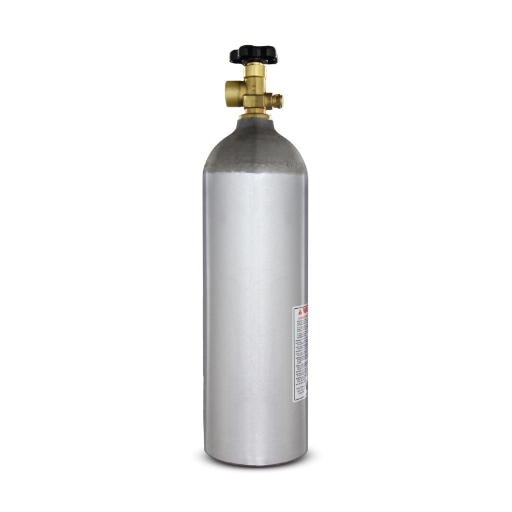
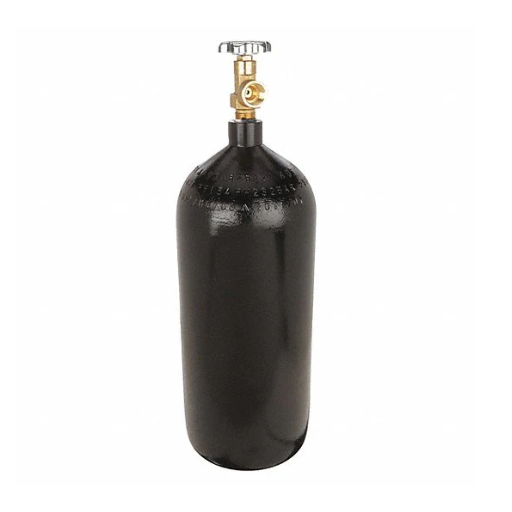
When working with nitrogen in its gaseous state, it is important to follow safety measures to avoid hazards and comply with guidelines. Nitrogen possesses no flammable properties, is stable and, however, in enclosed settings poses a potential risk of suffocation as it tends to dispel and replace oxygen rather rapidly. Whenever nitrogen is used in a certain work environment always ensure that the work area is well-ventilated. It is advisable to securely store cylinders in an upright position and avoid putting them in so that they are not leaning because they should not be positioned in close proximity to heat sources or exposed to direct sunlight as these may cause them to explode. The use of regulators and accessories specifically designed for nitrogen systems is therefore a key factor in ensuring system safety.
Proper Handling and Storage Protocols
In order to minimize the possibility of structural damage or disruption in the forces of balance by internal excessive pressure gentlemen, it is wise to girth the cans securing them on the bottom by brackets or chains to ensure that there aren’t any risks of tripping at it or happening, even additional safeguards would be useful then. The wrong dimension of handling a compressed cylinder can cause the seal to leak catastrophically, particularly when a freed cylinder tips over or that pin is lost and the valve opens sticky enough but this locks the cylinder in because there is no more gas in the cylinder which is an additional hazard to public safety.
Make sure that when cylinders are being moved, rolling them on a stack of chairs; they are only steered approved carts with gate-latching features since no more movement can be made with the can in this position. It is important for the storage areas to be marked with proper signs and signal the correct warnings so as to aid in the detection of the staff inside and to make sure all the safety standards of OSHA, ANSI, etc. are met. These actions are typically effective for gas safety systems, which drastically reduce accident exposure, hence congruent with the norm in the particular field for storing compressed gases.
Regulatory Compliance and Best Practices
One way to ensure operational safety and compliance with the safety rules is to approach differently to the handling of compressed nitrogen gas. Handling procedures dictate that cylinders be checked for damage, care taken against loss or defacing or when the individual is engaged in handling the same on proper lift-to loads positions, and no other supplies or materials that might cause loss of the protective structure be used. It is equally important to train the employees to know how to read and understand the filling markings on the cylinder, the adhesive labels, and the Material Safety Data Sheets (MSDS) of the substances, as it specifies the liabilities of every chemical which further makes it safe for the trained staff to handle them in case of accidents.
Companies and their staff must take health and safety very seriously. Whenever personnel are required to use personal protective gear such as, for example, safety goggles, gloves, or respirators, it is essential to emphasize that the personnel actually uses and do not misuse such equipment when in circumstances where Nitrogen is applied for example in confined spaces. It is also a requirement of the American Society of Mechanical Engineers (ASME) and the Compressed Gas Association (CGA) that specifications in all procedures ensure that preventive electrical circuitry is provided.
In addition, businesses might be interested in the consideration of automatic monitoring for working environments that might need it, such that pressure levels and other environmental factors can be tracked in real time. By applying all of these methods together with refresher training, companies can ensure operational safety; ensure employee safety; and meet the ever-changing regimes in as per standards available in safety and occupational health programs.
Preventing Accidents and Misuse of Compressed Nitrogen
In an effort to reduce hazards and the abuse of compressed Nitrogen, it becomes necessary to educate interested parties in storage, the working culture, and expectations from the facility. Nitrogen stored in cylinders must always be kept in secure, well-ventilated premises, away from heat sources, naked flames, or direct sunlight to prevent the cylinder from exploding or breakdown due to overstated temperatures. Equally important to note in this regard, the cylinder must be properly restrained in an upright position to prevent tipping over, which is likely to cause damage such as cracking or leaks.
Effective training of employees on safe handling of compressed nitrogen in the work place to avoid accidents. There are measures put in place to prevent an individual from being surprised by a cylinder where thinning, corrosion for rust and cracks on the inner walls are determined they deem the cylinder unusable or dangerous. Despite the risks involved one is required to utilize that PPE which is suitable to the part/area one is working on their hands, for example, in combating cold burns when one is transferring liquid nitrogen.
It is advised to install operational system with pressure regulator and emergency devices to keep gas flow and gas pressure controlled when operating compressed nitrogen in order to avoid a system over-pressurization or inadvertent gas release. When the pressure is too abnormal to be too high or low, another added precaution is the provision of a throttle, which comes in as an automated closure device that closes the throttle even in the event of equipment failure. If a combination of these precautions and strict safety rules is observed, there are fewer chances of any accidents occurring and also the protective utilization of compressed nitrogen gas is now possible.
Emerging Trends and Innovations
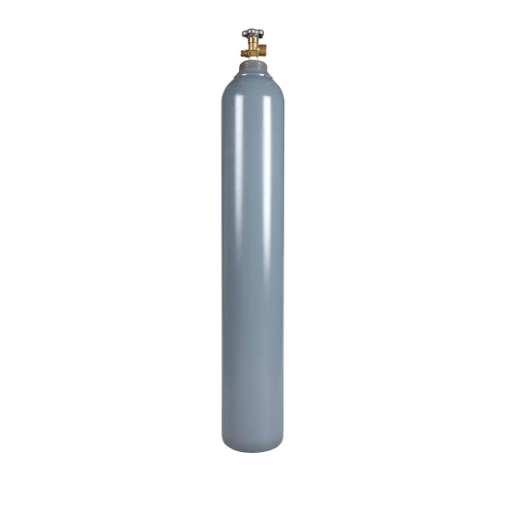
Recent improvements in the efficiency of nitrogen compression to focus on performance, ecology and safety. As evidenced by rising number of modern high-performance nitrogen machinery which have the ability to produce nitrogen on location without the need of transport. Moreover, purity and output of nitrogen obtained by means of pressure swing adsorption (which is an improvement on the molecular sieve) or membrane technologies has reached new heights over the years, yet power demand has been declined. Smarter construction particularly heavily utilizes computerized maintenance-management systems, and with the inclusion of advanced functionalist systems within the broad Internet of Things, users can keep tabs on pressure, flow, and nitrogen usage in real time, outstripping previously available service provision and troubleshooting.
Advancements in Green Technologies
Among the latest technical inventions with the use of nitrogen is the green technology of renewable energy – solar and wind energy, which is integrated into the system of nitrogen production. By employing renewable energy for the power of air compressors and auxiliary systems a facility can cut the emissions of greenhouse gases and operational carbon dioxide. With the facilities, where on site photovoltaic panels are incorporated, it is possible to deliver electricity directly to the compression units and therefore assure self sustained and even remote location activities.
Furthermore, the progress in energy-retaining devices, such as ion-lithium or flow batteries, has given way to the continuing working of nitrogen-producing equipment during downtime of renewable energy supplies. The contemporary setups are able to provide high efficiency with variable speed drive (VSD) technology compressors which adapt their compression rate and power respectively on an as per required basis thus helping in further minimization of energy use. These improvements are remarkable and provide an immense platform for addressing sustainable nitrogen compression and achieving the global desire for net-zero carbon emissions, as well as for sustainable industrialization.
Sustainable Industrial Practices with Nitrogen
One factor that illustrates the trend of nitrogen in industries is that nitrogen is actually far from a finite resource as many tend to believe. It is a relatively abundant resource which is quite unreactive. Nevertheless, techniques and technologies have still been developed to use nitrogen industrially especially in directions focused at limiting the impact on the environment. Certainly with one such process being the processing and reinforcing of steam, the opportunity utilization of nitrogen is also very deep and diverse to minimizing energy efficiency. Good news is that resource efficiency through reduced energy consumptions is now manageable with enhancing nitrogen purity levels. This does not only save charges but also complies with the environmental legislation on production.
Such industries are also using nitrogen for green purposes, such as environmental protection. Nitrogen is used in environmental applications, such as blanketing volatile atmospheres in chemical manufacturing and inhibiting oxidative reactions in Food technology to prevent food waste and extend the shelf life of food products. Modern studies have demonstrated the significance of nitrogen for improving energy storage systems, with an emphasis on batteries and nitrogen-doped carbons being produced to enhance electrochemical performance. The multifaceted uses require one to question whether the versatility of nitrogen corresponds to the ideal industrial set-up which encourages not only progressive designs of technology but also long term environmental protection.
Future Applications and Research Directions
The use of compressed nitrogen is an area that is continuously growing across a number of advanced industries. This is facilitated by the ongoing studies being done on its properties and potential applications in many fields. Many such Inventions fall under the category of additive manufacturing, which is metal 3D printing in particular where compressed nitrogen is interestingly considered to create an inert atmosphere, limiting the risk of oxidation. Because of this, all manufactured parts are stronger and more accurate due to reduced contamination, most notably in aerospace and healthcare applications.
There are other areas of research and development as well, in which employing compressed nitrogen in green energy systems can be seen as a novelty. Very often researchers contemplate its use in energy storage, with the compressed air energy chambers (CAES) being one among the most popular devices in this regard. The addition of compressed nitrogen to any of these energy storage systems is of great benefit in the improved thermal management of the system to add great modifications in energy usage that is beneficial in respect to sustainable energy development.
Compressed nitrogen is found to be more effective in environmental remediation as soil and groundwater treatment. These applications are enhanced by nitrogen pressure provided in the soil or ground to remove harmful organic vapors or gases. This is the determination of a brief pressurized nitrogen injection below the saturated zone to the injection wells helps hasten cleanup. One of the main challenges of expanded nitrogen use can be a shortage of skilled manpower. Despite the authorities’ efforts, the availability of a skilled workforce in the country for nitrogen projects remains elusive, primarily due to higher wages in overseas countries.
Frequently Asked Questions
What are common industrial applications of nitrogen gas and compressed nitrogen?
+
Gaseous nitrogen is a regular essential in most industries, in ways such as creating inert atmospheres, blanketing solution of nitrogen, and also as a weld gaseous shield. Those tires with nitrogen-fills are familiar with racers and some road users; racing tires are also air virgin if filled with nitrogen. It is also applied in the field of food technology which is in preventing the chemically fast oxidation thereby, preserving the food and is also used in electronics such as protecting the circuit and electronic components while soldering. Whether supplied in high-pressure metal containers or self-contained, nitrogen helps make most processes safer by eliminating the risk of excess oxygen.
How do nitrogen compressors and nitrogen generation work for on-site nitrogen?
+
A nitrogen compressor is a machine that sucks in the air and mechanically increases its pressure to discharge it; a nitrogen generator is a device that traps the air and selectively extracts nitrogen either through a permeable membrane or pressure-swing adsorption process thereby enabling production of nitrogen at the source. Generating one’s own nitrogen means that no costs are incurred in purchasing a nitrogen bottle and hence is necessary for many applications, from simple technology requirements like low purity of the nitrogen gas, as in aeration, to very high purity required in high-tech equipment. In addition, nitrogen is used in science labs and industries, where one of its functions is as an anhydrating agent to prevent oxidation or pollution caused by oxygen.
What are the uses of compressed nitrogen for providing an inert atmosphere?
+
Among various industrial gases that are commercially available, nitrogen is an inert gas largely used to create a protective or inert atmosphere, which suppresses the progress of slow and rapid oxidation and decreases the danger of fire in the storage and processing facilities. Nitrogen protects soil and packages from spoilage and is used for firefighting purpose as well as during nitriding of chemical equipment and storage units. Another process that utilizes Nitrogen is during processes that are susceptible to influence by stray oxygen atoms, such as nitrogen – welding and microchip manufacturing. Reducing oxygen levels by blowing nitrogen into the vessels also protects products and facilities from destruction.
Why is purity important when using high-purity nitrogen gas?
+
There are instances when high-purity nitrogen gas is essential, such as in manufacturing or quality analysis of coated electronic systems. If high amounts of purity are handled, there is almost no chance that the machinery will react inappropriately or the components or nearby chemicals will get contaminated during the chemical processes. Nitrogen can be obtained in its gas form and used either for very specific calibration standards or for particular instrument testing. The proper pressure yields higher solution percentages while preserving safety in the process.
Reference Sources
- Thermodynamic Modeling and Mechanical Design of a Liquid Nitrogen Vaporization and Pressure Building Device — Read more here
- Nitrogen Compressors — Read more here
// SYS-DOC: WHY I WRITE THIS
[01] About PanGeng
PanGeng is an industrial gas compressor manufacturer based in Bengbu, Anhui, China. Since 2009, we have focused on the design, R&D, production, and manufacturing of customized gas compressor systems for oilfield, chemical, energy, hydrogen, nitrogen, biogas, and industrial air applications.
[02] Our Expertise
We write compressor guides based on real manufacturing and engineering experience, including hydrogen compressors, nitrogen compressors, booster compressors, medium and high-pressure air compressors, oilfield nitrogen injection systems, biogas compressors, and OEM/ODM custom compressor solutions.
Our engineering team supports customers from application analysis and compressor selection to production, factory testing, commissioning, spare parts, and after-sales service.
[03] Why You Can Trust This Content
The technical information in our articles is based on PanGeng’s in-house compressor design and manufacturing experience, current product capabilities, and project support for industrial clients in global markets. Our goal is to help buyers understand compressor types, pressure ranges, gas requirements, customization options, and long-term operating costs before making a purchasing decision.
CONTACT PROFILE
AUTHORITATIVE SOURCE
NAME
PanGeng Engineering Team
BRAND
PanGeng
COUNTRY
China
MODEL
B2B / OEM & ODM
EMAIL
pg20090705@163.com
PHONE
0552-4958225
WEBSITE
pgcompress.com
Related Posts


Trending now

![Low Pressure Hydrogen Compressor Applications [Guide]](https://pgcompress.com/wp-content/uploads/2026/09/low-pressure-hydrogen-compressor-applications-blog-featured-150x150.png)