Get in Touch with Pangeng

Oil-Free vs Oil-Lubricated Nitrogen Compressor: A Comprehensive Comparison

Contents
show
Nitrogen compressors that use oil are important for the different industries that require efficiency, reliability, and accuracy and can achieve critical applications. In most cases, when determining the elements that go into the nitrogen compressors, the principal concern is deciding between oil-free and oil-lubricated compressors. These two types of technology are associated with some significant pros, cons, and connotations, depending on the corresponding working conditions in the industry. This paper attempts to adeptly compare oil-free and oil-lubricated nitrogen compressors, particularly in terms of their underlying technology, the levels they achieve, the care and maintenance requirements for the assets, and their cost-effectiveness. It is only at the end of the article that you will be in a position to know which type of compressors will aid your goals most and how this decision would be thought out and arrived at.
Introduction to Nitrogen Compressors
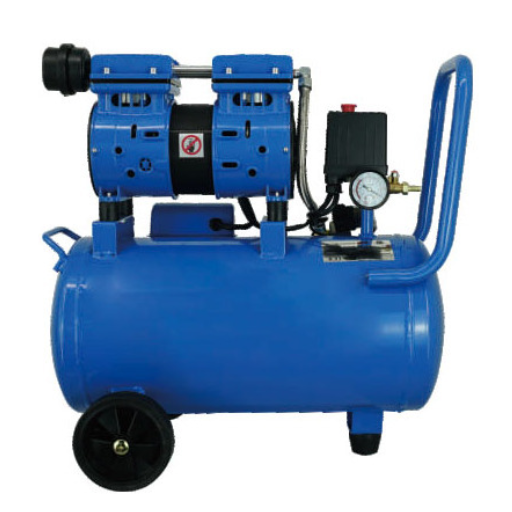
Nitrogen compressors are designed to increase nitrogen gas pressure through machines that serve various utilization in industries. These are very important in various sectors such as food preservation, chemicals processing, producing electronic gadgets, and in hospital related activities. Mainly, these work by first pulling in nitrogen gas and then compressing it until it reaches the appropriate pressure levels after which it is required in a particular process. The two common compressors that is without oil and with oil serve different industries as one is only in a condition to compress gases. Being aware of these distinctions is extremely useful regarding the choice of a compressor concerning output, servicing frequency, and finally in a cost accounting sense.
What is a Nitrogen Compressor?
Basically, nitrogen gas compressor is a specific equipment necessary for compressing nitrogen gas to a prescribed pressure that is suitable for various uses in the industries. Naturally, as the pressure of nitrogen gas rises it is easier to convey, store and utilise this non active gas in various processes like chemical process industry, food industry, electronic industry, and even metal industries. Latest nitrogen compressors are equipped with intricate systems that guarantee performance of the machines and safety and reliability during use. These systems are made of sections such as compression chambers, valves, and cooling systems including filters intended for this type of gas and required pressures. Estimating the effectiveness of a nitrogen gas compressor often includes its discharge rate, the maximum output pressure achievable, power requirements, and also why it would be necessary.
Importance of Compressed Air in Various Industries
Compressed air plays a crucial purpose within many industrial sectors owing to its agility and meaningful power provision in many different processes and activities. In the industrial context it helps decrease the use of natural hand power and facilitates the use of compressed air to power equipments tools and manages the movement of materials over the process. As a processing fluid of many kinds, the other specialized and convenient application of compressed air is the pneumatic control systems which are used to implement experts from the energy-saving heating and cooling technologies like the pure cooling system or bulletproof shell, to carry cool air inside or heat the interior of the work space in the most effective way.
It is also important to mention that, especially in sectors such as the pharmaceutical or food and beverage industry, the air can play a significant role in packaging processes and product transfer, as well as in maintaining uncontaminated and sanitized working environments. There exist more advanced filtration elements which together with the air allow for an extremely clean working environment, making sure that it does not contaminate the sensitive machine elements. The sector also dedicates the use of compressed air in some of the operations like exploration, monitoring, and very advanced forms of control. It thus means that even in such stringent environments, high-pressure energy delivery is possible over a relatively long period without significant interruptions, and this circumstance emphasizes the compressor as a useful component in industrial functions and equipment.
Overview of Oil-Free and Oil-Lubricated Options
| Parameter | Oil-Free Compressors | Oil-Lubricated Compressors |
|---|---|---|
| Air Quality | Contaminant-free, suitable for sensitive uses | May contain trace oil particles |
| Maintenance Needs | Lower, no oil changes required | Higher, requires regular oil changes |
| Operating Costs | Reduced due to minimal consumables | Higher due to oil and filter expenses |
| Application Suitability | Medical, food, and electronics | Heavy industries and general use |
| Durability | Moderate, limited by coating lifespan | High, designed for robust performance |
| Energy Efficiency | Typically lower, additional features required | Generally higher, optimized systems |
| Environmental Impact | Eco-friendly, no oil disposal required | Oil disposal impacts environment |
| Initial Investment | Higher, advanced technology included | Lower, standard technology applied |
| Noise Levels | Often quieter due to fewer components | Louder due to mechanical oil systems |
| Lifespan | Shorter for high-demand operations | Longer when properly maintained |

Oil free nitrogen compressor is a mechanical device that is designed specifically to compress nitrogen gas without the use of oil for lubrication or cooling inside the compression tank. In this arrangement, any amount of oil used does not mix with the nitrogen and silencer. The process of doing this ensures high purity gas of nitrogen is released. The restrictions in place in order to achieve this comes with a significant number of positive side effects, which are enabling the device to deliver nitrogen of the desired qualities at the output port. Prevent contamination of the nitrogen by the oil which is fulfilling of the cushioning role in the nitrogen which is clean packed.
Definition and Functionality of Oil-Free Compressors
Oil-free compressors are constructed in a fashion that they don’t depend on lubricating oil in the compression chamber which would otherwise cause the medium to get contaminated. They use some materials instead of oil such as Teflon-coated or carbon-reinforced parts to ensure the proper, healthy functioning. These types of compressors have the ideal features paramount for areas which must observe the strictest air cleanliness measures such as medical facilities, the production of chemicals or other high purity environments.
Most contemporary oil-free air compression technologies are often utilized in advanced designs with two-stage compression and intermediate cooling, to provide enhanced system efficiency and consistent operation. Quite a few devices are also able to qualify for certification in accordance with ISO 8573-1 Class 0 requirements. This shows that most of the compression units are not only compliant with the safety measures required by law, but they are reliable in their operation because of the filtered contamination capabilities. What’s more, such compressors are designed to cut down the use of power, besides other attributes like frequency changers and intelligent control systems which help in saving costs, and preserving the environment.
Advantages of Using an Oil-Free Compressor
- 01
Air Quality Compliance
There are certain segments within the compressed air usage industries which demand a higher quality of compressed air. The Pharmaceutical, Food, Beverage, and Medical Fields are repeat customers of this compressed air standard due to the critical cleanliness required in their production process.
- 02
Reduced Maintenance Costs
Compared to oil lubricated compressors, machines of the oil-free type do not call for frequent oil changes, oil separation equipment or replacement of filter cartridges. In simpler terms, maintenance costs are reduced during the use of such equipment.
- 03
Energy Efficiency
Alternatively, oil-free compressors nowadays come in computer control systems able to adjust the control at optimal pressure. Claims have been made within the industry; however, that the use of this technology in compressors in which the service or air flow is regulated can provide a saving of up to 35%, thus reducing operation costs, and environmental footprint.
- 04
Environmental Sustainability
The fact that oil-free compressors do not feature oil in the compression chamber dispels the risk of oil loss into the surroundings. Consequently, oil free compressors become the rationale environmentally friendly measures as they help to achieve the goals of limiting industrial ecology and oil loss.
- 05
Enhanced Operational Reliability
One issue with air compressors is the oil in the compressed air itself. It can cause clogging, tool and equipment loss, and in some severe cases, system shutdowns. This is where non-oiling methods may be beneficial, to get rid of risks due to contamination, and conflicts with tool running or project execution are removed. An oil-free air compressor is very useful in this respect.
- 06
Improved Product Safety and Integrity
In some cases, industries including the pharmaceutical and food industry demand clean spaces in order to conform to regulatory guidelines set forth in bodies like the FDA and ISO standards. Such compressors provide air whose degree of purity is so high that it can maintain such consumer needs and quality objectives competently.
Applications for Oil-Free Air Compressors
01
Pharmaceutical Manufacturing
In the light of consumables, especially in pharmaceuticals, this is the main reason with the FDA and the rules of cGMP in mind. On tablets, capsule fillers, and even sterile in-house production, oil-free air compressors are used, which help the products stay perfectly pure and are in agreement with all industrial regulations present.
02
Food and Beverage Industry
When creating consumable goods, there are often very strict rules and regulations regarding cleanliness and safe practices. It is quite often that oil free compressors come in handy especially in the food packaging, the beverage filling and the pneumatic applications where the use of oil can add contaminants into the products complying with the air cleanliness of ISO 8573-1C0.
03
Electronics Manufacturing
The further staging process of assembling the equipment requires particularly pure components which with the use of oil-free compressors prevents this. This once again provides assurance to technology users that incase functionalities of semiconductors or circuit boards are required, challenges in optimum functional efficiency will not occur.
04
Healthcare and Medical Applications
In medical science institutions, perfectly conditioned and properly compressed air is used in medicine such as with respiratory, surgical and in other treatment-related procedures. It is because saliva is controlled and not stomped on oil free compressors which limit aspiration during such procedures are fitted in other oil free nebulizer guides so that there is no air to contaminate the patient sites.
05
Automotive Industry
Compared to painting operations as well as general production lines for the automobile industry, which are very crucial, air which is free of oil assist with these processes. This ensures efficient painting or coating processes, oil free air limits oil deposits that cause defects and consequently sustains the appearance and the quality of vehicle surfaces as can be obtained.
06
Textile and Printing Sectors
Furthermore, there are many instances where in textile industries and commercial printers, contaminant free compressed air is required. One such example includes the use of oil-free air in place of standard compressors in the production of dyed fabrics and printed materials. In this case, prevention of damages in the cloth and equal perfection in the print quality is maintained in all produced batches.
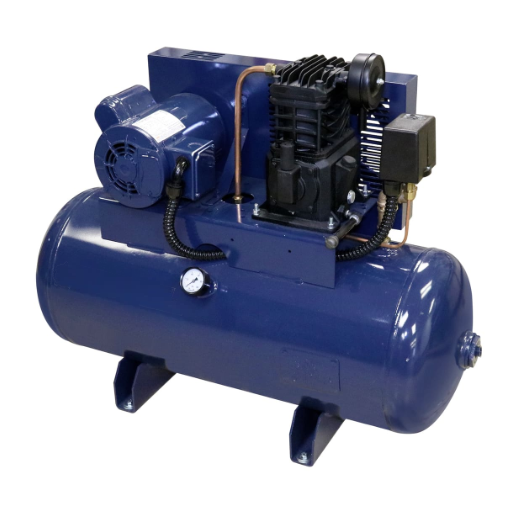
An oil-lubricated nitrogen compressor is meant and reasonably constructed to compress nitrogen gas by using oil in order to lubricate its mechanical components at the same time increase the pressure inside. Besides that, such compressors are considered reliable TO last during long-term applications under high pressure. However, it is necessary to construct in areas where the gas purity is vital and used protection system to prevent compressed air that leaves the unit from being contaminated by oil of any nature. To ensure the effective and efficient operation of such equipment it is important that such equipment is serviced regularly and that such equipment is operated more responsibly so that the account of economic factors is taken of the maintenance schedule so as to include instances for changing the oil and the filters more frequently.
Understanding Oil-Lubricated Compressors
The core, or rather the hardworking element of an oil lubricated compressor system is the lubricated piston or screw mechanism, that actually performs the compression of gas. Trying to keep things simple, oil here serves two main purposes: preservation of moving mechanical parts, and cooling off the heat generated during the compression process. In reality, we observe rather complex cases, where the system involves a properly adjusting oil lubrication processes, with accompanying oil circulation relays, in order to collect oil, which was on the valve plate, back to the running part of the compressor.
Effectively engineered filters and separators play a big part in the control of oil found in the system. It appears how the elements stop carryover of the oil content to the compressed gas output thus enabling separation of nitrogen or any other gases to near purity levels. Advanced compressors are also provided with control systems, even including the modern pace of monitoring and automated control systems, which show the key performance indicators of the compressors as well as the pressure, temperature, and oil levels of the system in real-time, especially the elimination of various machine failures while using the machine.
Benefits of Oil-Lubricated Compressors
- 01
Enhanced Durability and Longevity
An oil-lubricated system is the answer for getting rid of friction energy as well as wear. As a result of that there is an increased life span of the compressor, thanks to the fact that most of them can run for tens of thousands of hours when for instance proper care of them is executed.
- 02
Superior Cooling Performance
When oil is present in the system, the heat that is due to the compression process is absorbed. This means that it also protects the vital parts of the system from getting heated thus allowing them to work continuously even under heavy work loads.
- 03
Higher Efficiency Levels
Fixed compression ratios, operational pressures and flowrates of oil-lubricated compressors are higher compared to oil free compressors. This allows for more gas or air to be compressed as well as their mechanical efficiency to be enhanced while at the same time minimizing operational costs.
- 04
Noise Reduction
It helps in damping various flexural and torsional vibrations experienced in a system especially oil-free compressors, associated with vibration-induced noise. Thus oil lubricated compressors are ideal for applications where the operational noise levels have to be maintained within the required limits.
- 05
Handling High Pressure and Large Capacity Applications
Intended to operate at higher pressures and to provide more potential output, these types of compressors can easily be considered to have an application as power sources for pneumatic tools, manufacturing operations and even chemical and energy plants.
- 06
Cost-Effectiveness
While oil-lubricated air compressors do have occasional requirements for oil changes and filter relays, the total cost of ownership of these compressors is on the lower side, quite better than other kinds of compressors.
Common Uses of Oil-Lubricated Air Compressors
01
Industrial Manufacturing
Oil-lubricated compressors are an indisputable part of the industrial practice especially during processes that require abundant air power with maximum efficiency. This is because they are mainly used in the mobilization of pneumatic machines such as power presses, conveyor belts and even the systems for molding injection. In the case of automotive, those that participate in the manufacture of automobiles depends on these particular kinds of compressors so as to carry out the activity efficiently alongside increased output.
02
Construction
Companies in the building and construction industry mainly rely on compressed air when using tools like jackhammers, nail guns, and sandblasters. Oil type and compressors are used in these applications as they can achieve high pressure, can be used for heavy use in high pressure, can be used in each environment, and can be utilized in each environment without high pressure cilinder in the mounting.
03
Chemical and Petrochemical Processing
Air compressors are a necessary aspect of the operations of the chemical and petrochemical sector where the involving processing of products, compression of gases, and maintenance of pressure of pipeline systems take place. The external cooling circulated and the amount of lubrication added to an oil flooded compressor make them best suited for use in combustible things and substances.
04
Energy Sector
The oil type and compressors come in handy especially in cases of the energy-producing facilities such as power plants for the equipment, e.g., air coolers, turbines among others which are integral to the functioning of the plants. The efficiency and size of these compressors makes it possible to observe low downtime for this machines within the operational time-thereby maintain grid power stability.
05
Aerospace and Aviation
A lot of colleagues from the fields of aerospace and aviation rely on compressors lubricated with oil in order to use certain precise apparatus and tools during the repair, assembly and other operations concerning aircraft. Moreover, pressurized air created by this mechanism is employed to test different components under particular atmospheric pressure which must adhere to safety norms.
06
Food and Beverage Industry
Even though different kinds of compressors – oil free compressors are preferred in this context – are used for manoeuvring during the handling of food, oil lubricated compressors are still in use in less demanding cases like packaging; use of pneumatic conveyors, and cleaning systems. Use of proper filters ensures the cleanliness of the air to meet ranking required by authorities.
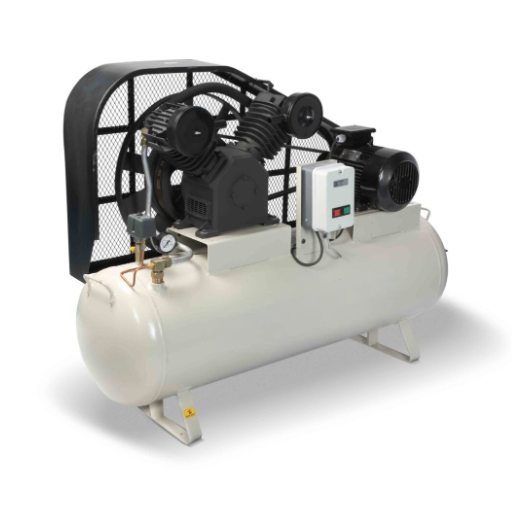
The key distinctions between oil-lubricated compressors and oil-free compressors are mainly centered on their setup, upkeep and relevant usability. The oil-lubricated compressors make use of oil for the purpose of lubrication and cooling inside these compressors so they can easily endure the harshness of high pressure such as encountered in industrial processes. As an example in industries such as this, it is necessary to alter the oil on a regular basis, fit filters so as to avert the contaminants from contaminating the delicate systems within.
Conversely, the oil-free compressors do not use oil within the compression chamber due to sophisticated designs that reduce friction through the use of particular materials and technologies. For systems mainly intended for processes which require a high level of clean air, say in the medical or the electronics industries, the use of oil-free compressors ensures that no oil will ever be found in the compressed air.
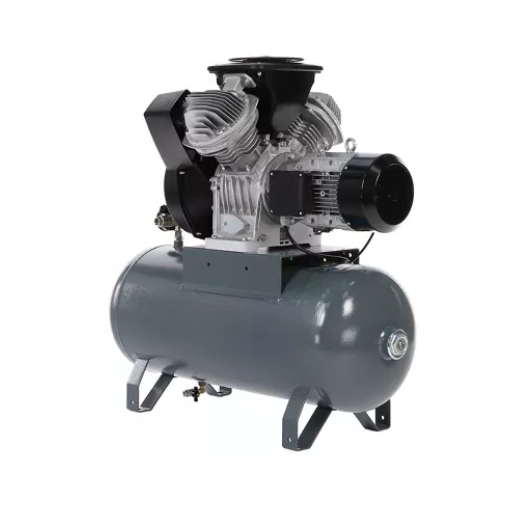
When it comes to choosing between an oil-free and oil-lubricated compressor, the most essential factors would be the kinds of compressors applications want to achieve. It is an obvious thing that the oil-free type of compressor will be most sought for applications that require the crests of kitchen quality of air such as food and beverages industry, pharmaceuticals industry, electronics industry etc. These kinds eliminate oil contamination risks which means fulfilling quality and safety regulations is a sure thing. However, due to specialized care and maintenance, they tend to have associated high capital costs.
On the other hand, oil lubricated compressors, are more naturally suited to heavy duty industrial applications where the air purity is a bit less stringent. They are more cost-effective in the long run, offer better efficiency and have, if not all, most of the advantages of oil-free compressors. Maintenance for instance would involve frequent refilling with oil for optimum performance, this means that they have longer life in operation when continuously used.
Factors to Consider When Choosing
Diverse elements need to be concentrated on when opting for an air compressor. The very first one commences on the airflow capacities in cubic feet per minute (CFM) the compressor should be able to hold. Sizing that is very important because your equipment and the tools that you are using would have a demand that is normally adjustable from the part and that the compressor connected to them would not be overloaded while attempting to meet this demand. Moreover, the effective operating pressure, often indicated in pounds per square inch (PSI) would have to adapt to the pressure settings of the instruments.
In addition to the parameters discussed above, it is pertinent to note that energy efficiency is also important as it plays a significant role in the cost to operate the system. Furthermore, as part of energy rating dimensions including the power in form of kilowatts (kW) or energy efficiency certificates, can also assist in showcasing the extent of power consumption. As this is the case, and particularly where it is essential to minimize vibrations, particularly in places such as homes or offices, one should not forget to pay due attention to the sound energies employed in the compressors or the generator.
The type of compressor, whether it is oil-free or lubricated with oil, must match the air purification level which is specified for the kind of action. In the case of activities related to the food and beverage or pharmaceutical area, oil free air compressors represent the best alternative due to very strict cleanliness standards. In this regard, oil injected compressors are more suitable for heavier industrial work with substantial longevity and power.
Cost Analysis: Oil vs Oil-Free Options
From the perspective of analyzing the cost aspects of oil-free and oil-lubricated compressors, several other elements come into play. Free oil compressors typically have a higher acquisition cost since they require state of the art technology and design in order to avoid oil contamination impairment risks. This is a good, albeit costly decision for industries working under the constraints of the pollutant purity of the air. As for the maintenance expenses, it is a fact that oil free compressors generally incur lower expenses due to the absence of the need to frequently change oil or handle oil focused waste.
Conversely, air compressors that use oil require buying less oil, so it’s not as expensive for the customer to acquire it. There are still regular changes of oil and thus the machines are bound to be more expensive when it comes to after-purchase maintenance because these oil-lubricated compressors normally undergo oil change, filtration, and contamination control. Ceteris paribus, however, the economy is also traditional in that sense; that is to say that whether lubricated by oil or not, a compressor’s capacity utilization, for example, could make it worthwhile.
In the end, the overall cost for ownership can be estimated to be of either type in most cases, depending on which costs shall be taken into account: use case, lifetime, maintenance and power costs. Therefore, the top most objective for the executives of an entity can be said to be the justification of the investment decision whereby they will reclassify the common investment cost as the expected income based on determining an intended need for a particular function.
Reference Sources
- Study on Nitrogen Barrier Protection of an Airend Oil-Free Compressor Bearings in H2 Compression
Link to source - Nitrogen Compressors
Link to source
// SYS-DOC: WHY I WRITE THIS
[01] About PanGeng
PanGeng is an industrial gas compressor manufacturer based in Bengbu, Anhui, China. Since 2009, we have focused on the design, R&D, production, and manufacturing of customized gas compressor systems for oilfield, chemical, energy, hydrogen, nitrogen, biogas, and industrial air applications.
[02] Our Expertise
We write compressor guides based on real manufacturing and engineering experience, including hydrogen compressors, nitrogen compressors, booster compressors, medium and high-pressure air compressors, oilfield nitrogen injection systems, biogas compressors, and OEM/ODM custom compressor solutions.
Our engineering team supports customers from application analysis and compressor selection to production, factory testing, commissioning, spare parts, and after-sales service.
[03] Why You Can Trust This Content
The technical information in our articles is based on PanGeng’s in-house compressor design and manufacturing experience, current product capabilities, and project support for industrial clients in global markets. Our goal is to help buyers understand compressor types, pressure ranges, gas requirements, customization options, and long-term operating costs before making a purchasing decision.
CONTACT PROFILE
AUTHORITATIVE SOURCE
NAME
PanGeng Engineering Team
BRAND
PanGeng
COUNTRY
China
MODEL
B2B / OEM & ODM
EMAIL
pg20090705@163.com
PHONE
0552-4958225
WEBSITE
pgcompress.com
Related Posts


Trending now
![Low Pressure Hydrogen Compressor Applications [Guide]](https://pgcompress.com/wp-content/uploads/2026/09/low-pressure-hydrogen-compressor-applications-blog-featured-150x150.png)