Get in Touch with Pangeng

Nitrogen Compressor Rental vs Purchase: Which is Better?

Contents
show
The choice to buy or rent an advanced piece of equipment such as a nitrogen compressor will help determine how efficiently organizations can operate and what final costs will be. Nitrogen compressors are the main measures which are applied in various sectors, ranging from oil and gas to food packaging, and businesses of all sizes are faced with this issue. Is it necessary to spend money on a nitrogen compressor or renting is a better option? Each of these options benefits in one way or another and also has its disadvantages and therefore choosing between them is dependent upon a number of factors such as the nature of the operations, the financial capacity of the business and the future plans of the business. The next sections will discuss in detail how these elements should be put into check and the comparison will also be facilitated aiding business strategy.
Brief Introduction to Nitrogen Compressors

Nitrogen compressors are purpose-built machinery that receive nitrogen gas under ambient conditions and then compress it to a desired pressure level. Diversified industries such as making products, food and drug packaging, pharma as well as other kinds of chemical production make use of these compressors. The nitrogen compressors guarantee that nitrogen is conveyed at the necessary pressure and the necessary volume to perform tasks like blanketing, blowing and shelf-life enhancement. The selection of the right nitrogen compressor involves addressing issues such as the required flow rate, and the required pressure, required as well as the energy used and how much time would be used in maintaining and looking after the equipment. By ensuring that the operational environment of the application is taken into account and that the equipment can deliver, inexpensive yet very useful equipment is well able to perform.
Understanding Air Compressors and Nitrogen Generation
Air compression systems are the main auxiliary units that are placed after the nitrogen generator and help to entrain the associated components such as the air cooling tower, the heaters, the compressed air distribution systems, etc. The technical performance and efficient work of the air compression system will depend on the type and quality of the compressor reticulation employed within the nitrogen production plant. Components of the air compression system – compressor electric motor, cooling system and the air cleaner will be under consideration in this report.
Electric motors should be designed with optimal energy consumption in mind and with that, enhancements like variable speed drive (VSD) facility are provided by some manufacturers. The cooling system is also equipped with modern technologies to mitigate chances of overheating hence prolonging the life and the operational efficiency of the system. The filters should not only be good but the best available to clean some medication from the air. Otherwise, the whole nitrogen-producing system may be disturbed.
The Importance of On-Site Nitrogen Supply
With the need to dispatch nitrogen to various production facilities reduced by on-site nitrogen generation, nitrogen that is directly applied at the point of use helps to save all the costs incurred in the packaging, transport and successive deliveries. Another advantage of the on-site nitrogen generating systems is that there is always enough stock ensuring that no production downtimes occur due to late or non-delivery or inadequate stocking.
Cutting-edge nitrogen generators are specifically designed to produce high-grade and especially pure nitrogen according to particular industrial needs. This function is important, for example, in cases where food is packed, drugs are produced, and computer chips are assembled; the quality of nitrogen used in these processes must be controlled. Another point is that the nitrogen generation units are flexible enough to be adjusted due to the fact that some facilities will not require the same output as other facilities, at critical periods in the supply chain, in the absence of exaggerated levels of fixed assets.
For instance, onsite nitrogen generation cuts down on greenhouse gas emissions that are associated with the supply and transportation of delivered nitrogen. The practice is therefore helping in the realization of sustainability activities and is in harmony with other environmental protection measures that people have put in place worldwide. In the end, it can be said that the application of onsite nitrogen production plant reduces production costs, is even faster and safer, and prevents the needed nitrogen from being delivered unnecessarily.
Overview of Rental vs Purchase Options
Scroll horizontally on smaller screens to view the full table.
| Parameter | Rental Option | Purchase Option |
|---|---|---|
| Initial Investment | Low upfront cost | High upfront cost |
| Maintenance Responsibility | Provider handles maintenance | Owner handles maintenance |
| Flexibility | High — suitable for short-term needs | Low — ideal for long-term operations |
| Availability | Immediate access with minimal lead time | May require procurement and setup time |
| Long-Term Cost | Higher cost over extended periods | Lower cost over long-term usage |
| Downtime Support | Provided by rental company | Owner responsible for managing downtime |
| Customization Needs | Limited customization available | Fully customizable as per operational needs |
| Asset Ownership | No ownership, operational expense | Full ownership, capital asset |
| Upgrade Options | Easy to upgrade with rental agreement | Requires additional investment |
| Contract Requirements | Short-term and flexible contracts | Long-term commitment required |
Cost Considerations for Rental vs Purchase
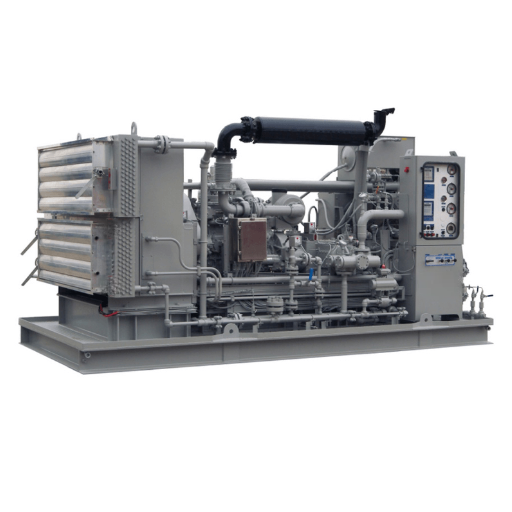
When choosing whether to purchase nitrogen compressors, the cost implications vary according to the functional and financial needs. Renting can be more suitable since it comes with a lower initial outlay as maintenance is included in the rental contract and a lot more convenient for brief or uncertain duration projects. On the flip side, buying is accompanied with a large capital expenditure but has attractively business-friendly operations due to thinner expense lines; like utilities for electricity consumption, to levels of unnecessary usage of stationary. Businesses therefore face the challenge of satisfactory consideration of the trade-off between the merits of renting and owning assets for the full life cycle to ensure optimum benefits are achieved.
Initial Investment and Total Cost of Ownership (TCO)
Assessing the overall initial expenses and costs of ownership of nitrogen compressors, accounting just to the general buying price is essential. Nitrox compressors can vary in price a lot, depending on the type of compressor, capacity, and some additional features, where purchase prices for the industrial use compressors range in hundreds of commercial use compressors range over one hundred thousand dollars. In addition to that TCO includes and maintenance, energy consumption repair and potential loss of production costs. Where an energy efficient unit may cost more to buy, it will however give the lowest electrical bill at the end and thus the best value for money.
In addition, the improvement of compressor technology allows significant reduction of energy consumption especially due to the use of VSDs and energy recovery systems. The cost of maintaining machinery which will include costs associated with routine servicing, buying and replacing of wear parts (e.g., filters, valves, among others), and labour charges, are other crucial areas that one should not overlook as they can lead to unpleasant surprises. Aside from the issues relating to wear and tear, the issue of state design, more specifically thermal expansion volumes or the length of time an application functions also raises similar concerns. It is important for companies to carry out a comprehensive analysis of all lifecycle costs to compare the various platforms and invest only in nitrogen compressor that balances their functional and financial expectations within the provided time.
Comparing Rental Costs of Air Compressors
The cost of hiring a compressor is underpinned by a mix of conditions that also include compressor configuration, size, pressure generated, and the period it is hired. Where mobile compressors are usually cheaper than large built up compressors employed in industrial terms as these ones are used in accomplishing smaller jobs whose air consumption is moderate compared to the large models. On the other hand, the hire of high-capacity industrial compressors which are used wherever there can be no letup in work that requires the utilization of high-pressure air most of the time always translates to higher rental figures.
Cost is also affected by other conditions like energy saving abilities of the compressor or its ease of operation. For example, such like compressors may come with VSDs (Variable Speed Drives) and might cost higher in terms of rent, but they can help in saving power during operation, which is well acceptable. Moreover, in most cases, repair and machinery maintenance is usually done periodically according to the rental contracts which help to lessen the chances of such unforeseen costs or losses accruing, but this of course increases the total cost spent.
The importance also arises from the location of the venture and the level of demand for the product. Rents in urban and potentially industrial areas will often be high leading to heavy competition and lower rents in the countryside and other places which are not as industrialized. Trends in the market related to the prices of goods and services are seasonal for illiquid goods, especially in industries which are capital intensive such as construction where certain equipment demand is only seasonal. By analyzing these peaking regions and correlating them with certain project demands, firms are able to conclude while considering the trade-off between the cost and the ability to deliver.
Long-term Financial Implications of Ownership
Nitrogen compressors incur substantial operating costs, which might be even more noticeable in the long term when taking into consideration energy costs, maintenance aspects and possible future improvements. In this regard, energy consumption is often the most significant aspect because compressors usually work at high kilowatt loads when fulfilling industrial requirements. A new generation of models that offer some energy saving functions may help in this case, although the unique characteristics of these products could pull the initial purchase price. There are also implications of the recommended maintenance for preventive purposes which involves changing parts, oiling and calling in people which is an out-of-pocket cost.
Considering the fact that nitrogen compressors are an offense that adds to the wealth of any economy, they cost a lot of money. And the cost of the equipment decreases with time which is a major factor in finances. Depreciation techniques either in the form of straight-line, or declining balance shows the lessening value of an asset thereby assisting in estimating when a relevant replacement should be made or how. Depreciation techniques, also called accounting for decline in asset value, are helpful when calculating taxable profits or in making opinions regarding a corresponding capital expenditure. A compressor that is handled well would be in a working condition for 10-15 years under normal working conditions, but use and improvements in technology can extend the amortization period, if it remains relevant or brings about variations to the equipment.
Maintenance and Efficiency
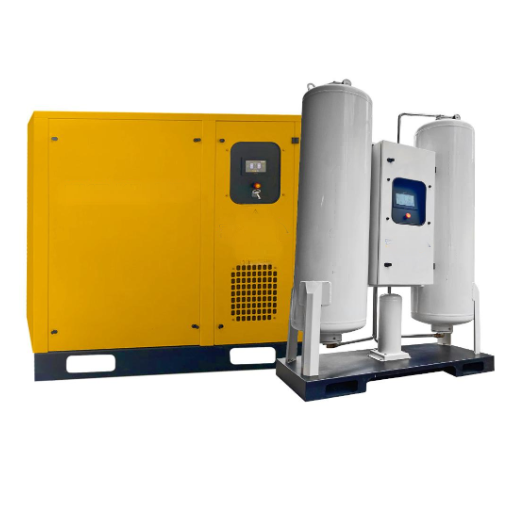
Nitrogen Compressors which are operated within defined parameter and then maintained well can be expected to last a long time, hence the question of their repair is crucial. In simple terms, any nitrogen compressor needs proper attention otherwise the users will be responsible to undertake the manual services such as filter changes, survey of visible air compressor discharge line leaks, check the oil level in lubricator tanks. Without doing them there may be no reduction in the cost of repairs or power consumption consumed and this may bring about more damages due to wear and tear of the machines.
Appliances also play a vital role in energy conservation as efficiency does. It is influenced by the classification of the compressor according to the requirements of the system, the residence temperature and also the effective compression ratio. Such a practice as over-loading or underloading of a mechanical device most specifically a compressor, leads to the reduction in its efficiency and higher operating costs. Simply installing VFDs on compressors can deliver good results by conserving more energy. Conducting regular performance assessments and maintenance not only help prevent problems but enable an efficient use of the compressor for the span of its life.
Essential Maintenance Tasks
- ▸
Filter changes and inspection of air compressor discharge lines - ▸
Checking oil level in lubricator tanks - ▸
Regular performance assessments and diagnostics - ▸
Leak detection and pressure drop monitoring
Maintenance Needs of Rental vs Owned Compressors
When contemplating the contrasting upkeep requirements of rentals and owned compressors, different areas come into focus. Rented compressors are usually included in regular maintenance and repair activities in every lease. This signifies a fact that clients do not have to worry about the maintenance but instead this is the responsibility of the equipment’s rental provider. The main benefit of such a situation is that the user does not have to bear the costs and all the headaches related to maintenance, as these are the rental company’s liabilities. Furthermore, compressed air hired machinery is often new or in good shape and is replaced or upgraded after some time within service; thus avoiding wear out related issues getting out of hand.
On the other hand, when compressors are owned by the user, the requirements change greatly. In order to make sure that the active service lifetime of the unit compressor is sustained as well as possible, a well-structured proactive maintenance plan is necessary to keep compressors. Federally owned equipment does not fall into a such category as enlisted, relatively extensive user guides can be provided, but some proactive user-based maintenance is required. The physical maintenance requirements also increase significantly with cooperative better utilization of the provisioned lifespan as multiple parties then have access to the equipment even though the said equipment may or may not be owned by said parties.
Efficiency of Compressed Air and Nitrogen Generators
Many variables and methods exist which affect the performance of the compressed air and nitrogen generators. Nonetheless, energy is the most limiting factor as according to the second law of thermodynamics, 90% of energy consumed by compressors is normally turned into heat pointing out the need to conserve and utilize heat in the system as a whole. The Energy efficient Generators are those new models with the energy saving operation possibilities like variable speed drive (VSD) and other similar technologies allowing adjustment of the power delivery to the fluctuating demand hence eliminating unnecessary consumption of electricity energy.
In addition, the design of the air purification and separation system also correlates to the efficiency. The correct filtration reduces the amount of core contamination, maintains the same level of purity in the solution and balance in the solution, and also reduces the wear and tear of the internal elements such as valves. Pressure swing adsorption (PSA) and membrane technology enhancement, which are used more for nitrogen generator equipment, are obligatory in increasing efficiency of gas separating different gases, namely, decreasing different losses and increasing different yields.
Usual maintenance, helped by real-time diagnostics, helps to sustain the performance level by quick detection of leaks and pressure drops. Research has shown that even minimal malfunctioning in the compressed air distributor can cause power losses up to 30%. The use of leakage detection devices and plugging in such operational vulnerabilities significantly allows better efficiency metrics to be achieved. Employing such other means as appropriately constructed filling tanks, well-tunable valves and control systems, additional protective measures also contribute to the proper operation of equipment.
Flexibility and Usage Scenarios
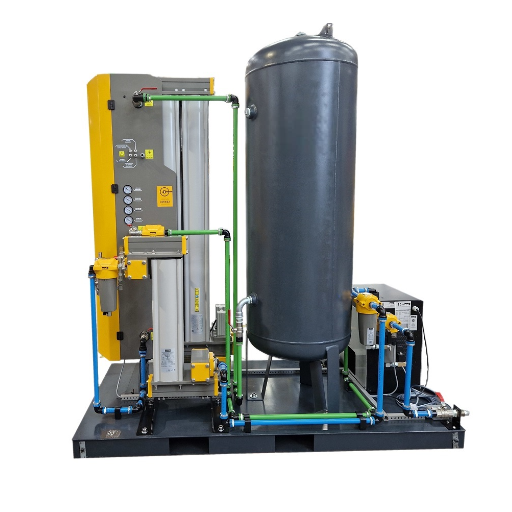
When it arrives to helping a plethora of needs, nitrogen compressors may be designed so that they are the best friend. Businesses of all types, in various market segments, find themselves with air compressors. For example, consider food packaging applications where nitrogen is used to maintain safety of food, or pharmaceutical industry where nitrogen is indispensable in order to safeguard from oxygen. Moreover, a very critical role is played by nitrogen compressors in the sectors of chemical and metal processing, as they help in disposing oxygen efficiently by providing with readily available and reliable inert gas. It is often feasible for the vapor phase arrangement to be installed and, at the same time, be able to adapt to the compressors output range as the system is normally modular. It is most appealing since in certain occasions they can be placed in even extreme weather or industrial conditions and run without any problem.
Scenario A
When to Consider Rental Air Compressors
It is evident that rental air compressors have been in use as interim solutions for many businesses which do not have constant air compression requirements. Projects that do not take long to execute, as well as seasonal growth of a production process, or failure of a machine are events where new machinery would be costly and unobtainable and in which compressors become a solution for such activities. Renting makes it possible to use high-level solutions in air compression without acquiring it through one’s own resources which in this case is money.
Apart from the convenience aspect it also includes the supply of maintenance breakdown services, which can be as short or as long as the lease term. Such categories as construction, manufacturing, power and other associated sectors would often have distressed operations at times, or would experienced spikes in demand and hence would request for rental air compressors. In terms of equipment types and capacities, rents provide valve-enhanced schedules allowing for maximum flexible operations. As a strategy of minimizing labour costs and resource use, it allows a business to sustain production.
Scenario B
Situations Favoring Purchase of Nitrogen Generators
The decision to purchase or not a nitrogen generator is often made under conditions of uncertainty that require long term nitrogen supply that is cost effective, operation appropriate, and dependable or failure. Making sure that the requirement from the third party is not often required Companies who need constant and consistent nitrogen on their site can invest in nitrogen generator and that way minimize the impact of the recession. They reserve not only the strategic nitrogen supply but also the costs that they would otherwise incur with regards to ongoing nitrogen delivery challenges.
Such activities as food products packaging, chemical labs and semiconductor manufacturing run through more nitrogen than average; hence, this demand calls for nitrogen generators as they do not have limitations on the amount of nitrogen likely. This enables them to produce high purity nitrogen on site as needed without the fear of going out of compliance. This in turns reduces the cost of nitrogen that would have been paid for under utilization which is common in the case of bulk gas and provides nitrogen which is expensive to deliver excess amount of it.
Generating nitrogen onsite has other advantages as well in terms of control over production parameters which is very essential in operations where purity level is specific mostly in the case of making products in chemical zone such as the pharmaceuticals or in the greenhouse gases and other processes affecting refining procedures of oil and gas. It is perhaps common knowledge that investing in a generator can be more economical in the constant use and/or over long periods since it would become possible to recover the purchase costs, with initial outlay being able to be forgiven over the span of the operation.
Evaluating Your Project Needs and Durations
It is imperative to ensure that the several aspects are kept in mind for optimal project requirements scheduling and utilization. A good start point, this is, the prevailing level of nitrogen in the air and the quality required for a particular purpose. In some cases, clean rooms cannot afford required gases for mass spectrometry like nitrogen and may buy systems to support their clean room for manufacturing purposes. It is essential that these parameters are taken into account as they will help in coming up with the right size of the generator that is best to meet operational requirements and prevent either over sizing or under-sizing of the system.
On top of what has been mentioned, we do not foresee that the project will last forever; in fact, the project will have a schedule. When it comes to short term endeavors, hiring of equipment may not be a bad idea, but as such needs become long term, purchasing of a nitrogen generator will save you a lot of money. In fact, research reveals that the acquisition of a generator becomes profitable within few years incurring additional costs rather than the system subject to continual updates. On the other hand, in order to avoid early depreciation, it is necessary to focus on future prospects growth and purchase a modular cover for that matter which is within its growth in capacity parameters.
A generation of reliable forecasts and understanding of the utilization patterns will allow you to take analytical actions that will address the existing needs and the strategic goals of the company. In such a tactic, you can also access industry professionals for their ideas or study the documentation further to enable you to make the purchase with the specifications that you require without any overspending or underspending.
Conclusion and Recommendations of Nitrogen Compressors
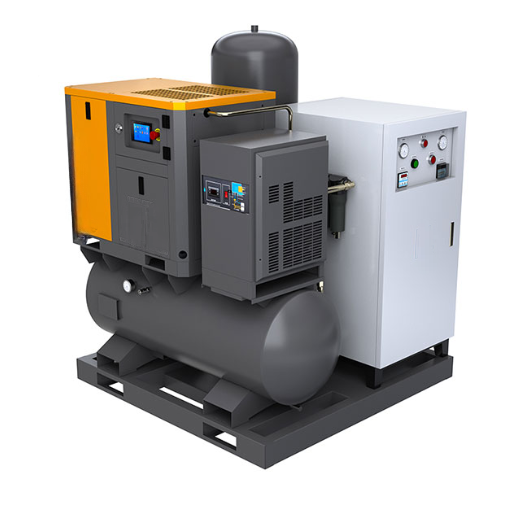
When there is a need to find a solution for some certain existing situation where the problem needs to be dealt with immediately, and it involves short-term lending, then buying a machine is a complete wastage. Also, the decision to buy or rent a nitrogen compressor depends upon the reasons behind their purchase or usage in the long-run. This is usually a cheaper option for the businesses as it provides them with more flexibility and quicker measures without the requirement to cultivate sufficient capital for compressor purchase.
In contrast, rental businesses in need of nitrogen compressors for extensive stretches should just opt to buy them. The access related to the usage of a nitrogen compressor or Nitrogen compressors guarantee the availability of the said services and tends to lower the charges for the services in the long run as compared to rented facilities. Yet still, an effort is made to even consider the initial lump sum credited for the asset’s purchase, the serviceability expenses, including its potential risks of becoming aged.
Final Recommendations Based on Usage and Needs
For your nitrogen compressor allocation needs, it is advised that you take into account the operations as well as the pertinent industry performance standards. Based on previous research content, there is really no argument when it comes to circumstances demanding maximum flexibility – rental services are the preferable choice, especially if operating linearly or on a project basis. A lot of outside borrowing with its almost impossible to access and at an exorbitant cost forced the use of rental compressors during high demand periods. This also meant that owners had to invest in large sums of money to purchase equipment which could only be used when there was vessel activity. As regards shipping services, this was not a problem since ships were always active and it was expensive to dry dock them, hence ownership of all the equipment was more economical.
It has been observed that the importance of assessing the efficiency of a fog compressor and its impact on the ecology is ever more underlined especially in the recent reports. Use of efficient and newer types of compressors, it has been observed, saves much of such operating costs as the “running and utility” expenses which other best practices would not achieve. For the compressor system, it is always necessary to set a dedicated maintenance strategy to reduce both the repair time and the number of failures in case of a compressor break down or issues developed. Banking on the advantages of predictive and IoT technologies, maintenance should be treated as an essential and persistent activity achieved by regular monitoring. In view of the above components, stakeholders can come up with a strategy that fits business objectives without overcommitting resources or contravening good business practices.
Making the Right Choice for Your Business
A decision as to the acquisition of nitrogen compressor equipment involves a complex set of criteria, including utilization rates, level of operational costs, and long-term demands on the operation. In cases where companies experience seasonal work or when there is inadequate capital to make a purchase, leasing the equipment happens to be the workable option. In cases of renting, opportunities such as the availability of modern equipment in good maintenance and compatibility with safer attachment of additional equipment, help to mitigate the organization’s responsibilities for ownership. On the other hand, in some cases, it may also make better sense for the organization to purchase the existing and manage and maintain it actively as other may see this as a waste of investment when other resources for this equipment are already available in the market.
Companies must evaluate the total cost of ownership (TCO), which encompasses all aspects including investment cost, warranty costs, maintenance costs, and downtime costs. Also, taking the outlook of business and knowing it in advance is a must to reveal what the best possible option is. This is equally as possible by using a good provider with upfront prices and excellent customer service, regardless of whether one would wish to lease or buy it. Making selections that are sound in both strategic perspectives, the financial and the operations should be the fundamental goal of the organization in order to be successful in the long run.
Frequently Asked Questions
How does rent affect the industry’s use of nitrogen compressors?
When air or nitrogen systems for industrial use are mentioned, the opportunities that open up are endless. Leasing can be not only efficient and profitable for both the contractor and the customer, but also safe, particularly with the end of life of older equipment to avoid obsolescence. As such, this is typically favored for use in absorbing peak or temporary loads, which is the case many projects with limited timeframe makes buying such equipment very impractical. Using that logic, the arrangement of even purchase policy may be weakened or modified with the use of per-day and renting possibilities.
Can an evaporator be included with rental units when weighing the nitrogen compressor?
While many rental units may come with an evaporator or liquid nitrogen handling units accessory, there are no refrigerant issues to have incompatibility logistics issues. This arrangement is economic for businesses that need nitrogen to function without putting money into other installations and processes, as well speeds up the equipment’s installation process. Besides, the inclusion of an evaporator in the rental equipment makes it possible to eliminate some risks related to the use of nitrogen cylinders and compressed gas that should be discharged by human beings.
Will renting provide peace of mind when evaluating a nitrogen compressor?
When compared to owning, a rental typically offers a relief in that maintenance, support and repairs are some of the benefits included in the rental signed agreement, guaranteeing that nitrogen runs are always available and minimizing unexpectable maintenance periods. When concerned lines of business are deeply reluctant to deal with repairs, renting offers such support outside of nitrogen cylinders storage or additional equipment for air. Experience over the terminals of equity in output and added value also adds to the convenience of this agreement especially if interruptions in the supply chain will result in an estimated loss of income and functions of the organization.
How does cost control influence the decision for a nitrogen compressor?
Among the economic aspects that determine whether you should rent or purchase, the question of cost is paramount. The point is that when one rents, the expenses are predictable and are also safer from the point of view of cost saving as one can only focus on the expenses for the specific period of time. The situation is different in the purchase situation, where cost is more of a focus because the total cost of ownership is considered and this may include not just the capital investment but maintenance, truck deliveries of liquid nitrogen, as well as the cost of nitrogen in cylinders or compressed gas and many other costs.
Reference Sources
- Market Analysis and Investment Thesis on the Leading Industrial Gases Company in the United States: Air Products (NYSE: APD) —Read this article
- Market Uptake of Renewable Gases —Read this article
- Nitrogen Compressors —Read here
// SYS-DOC: WHY I WRITE THIS
[01] About PanGeng
PanGeng is an industrial gas compressor manufacturer based in Bengbu, Anhui, China. Since 2009, we have focused on the design, R&D, production, and manufacturing of customized gas compressor systems for oilfield, chemical, energy, hydrogen, nitrogen, biogas, and industrial air applications.
[02] Our Expertise
We write compressor guides based on real manufacturing and engineering experience, including hydrogen compressors, nitrogen compressors, booster compressors, medium and high-pressure air compressors, oilfield nitrogen injection systems, biogas compressors, and OEM/ODM custom compressor solutions.
Our engineering team supports customers from application analysis and compressor selection to production, factory testing, commissioning, spare parts, and after-sales service.
[03] Why You Can Trust This Content
The technical information in our articles is based on PanGeng’s in-house compressor design and manufacturing experience, current product capabilities, and project support for industrial clients in global markets. Our goal is to help buyers understand compressor types, pressure ranges, gas requirements, customization options, and long-term operating costs before making a purchasing decision.
CONTACT PROFILE
AUTHORITATIVE SOURCE
NAME
PanGeng Engineering Team
BRAND
PanGeng
COUNTRY
China
MODEL
B2B / OEM & ODM
EMAIL
pg20090705@163.com
PHONE
0552-4958225
WEBSITE
pgcompress.com
Related Posts


Trending now
![Low Pressure Hydrogen Compressor Applications [Guide]](https://pgcompress.com/wp-content/uploads/2026/09/low-pressure-hydrogen-compressor-applications-blog-featured-150x150.png)