Get in Touch with Pangeng

Booster Compressor vs Air Compressor: Differences

Contents
show
Understanding Compressors
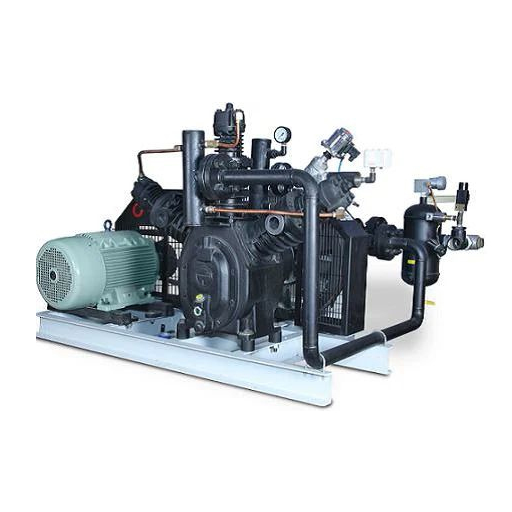
As we know compressors, in any form, are mechanical devices that use one of various types of compression systems which deliver substantial amounts of air or gas at enhanced pressure levels. These devices are predominantly used within industry, business, and homes. They are mainly employed to run machines and provide the needed ventilator services in various operations which needs air or gas at high pressure. Depending on the flow rate requirements and the compression ratio, there are two general types of compressors: the positive displacement and the dynamic compressors. Positive displacement compressors, such as reciprocating and the rotary screw compressors, function by confining air within a chamber and then forcing it into a smaller space. Dynamic compressors like the centrifugal compressors accelerate the air by centrifugal force, lowering its pressure and velocity.
Definition of a Compressor
A compressor, is a machine, which is designed for increasing pressure of gases by reducing their volume using two common types of methods: positive displacement and dynamic compression. A compressor of ordinary construction is composed of several main systems, these are: a compression chamber, a driving unit (an engine, an electric motor), cooling systems and control system. Moreover, in view of extensive application of compressors and their significance in industry, many others are constructed using different advanced materials and techniques. The two most significantly utilized applications of the compressor takes note of the following performance characteristics such as the pressure ratio, the volumetric ratio and the specific energy consumption that indicate the bounds within which it can be used from household to industrial purposes.
Types of Compressors
| Type of Compressor | Key Features | Applications | Efficiency | Pressure Range |
|---|---|---|---|---|
| Reciprocating Compressor | Piston-driven mechanism | HVAC systems, gas pipelines | Moderate to high | High-pressure applications |
| Rotary Screw Compressor | Continuous rotating screws | Manufacturing, industrial tools | High | Medium to high |
| Axial Compressor | Airflow parallel to shaft | Jet engines, power plants | High | High |
| Centrifugal Compressor | Radial impeller mechanism | Gas turbines, chemical plants | High | Low to medium |
| Scroll Compressor | Fixed and orbiting scrolls | Refrigeration, air conditioning | Moderate | Low-pressure applications |
| Diaphragm Compressor | Flexible diaphragm mechanism | Petrochemical, rare gas compression | High | High-pressure, clean gas |
| Vane Compressor | Rotating vanes within a casing | Automotive, small-scale industries | Moderate | Low to medium |
Key Differences Between Booster Compressors and Air Compressors
| Parameter | Booster Compressors | Air Compressors |
|---|---|---|
| Primary Function | Increase existing compressed gas pressure | Generate and provide compressed air |
| Pressure Capability | Very high pressure output | Moderate pressure levels |
| Design Complexity | Complex, multi-stage systems | Simplified, single or dual stages |
| Application | Industrial, oil & gas, and laser cutting | Automotive, tools, and general industries |
| Cost | Higher due to specialized components | Affordable, widely available |
| Efficiency Under Load | Optimized for high-pressure operations | General efficiency for most tasks |
| Portability | Typically stationary, less portable | More portable, compact designs |
| Maintenance Requirements | Requires specialized and regular maintenance | Easier maintenance, lower service intervals |
| Gas Type | Often handles rare and inert gases | Primarily used for surrounding air compression |
| Output Quality | Very clean gas output | May require filtration for clean output |
Booster Compressors and Air Compressors
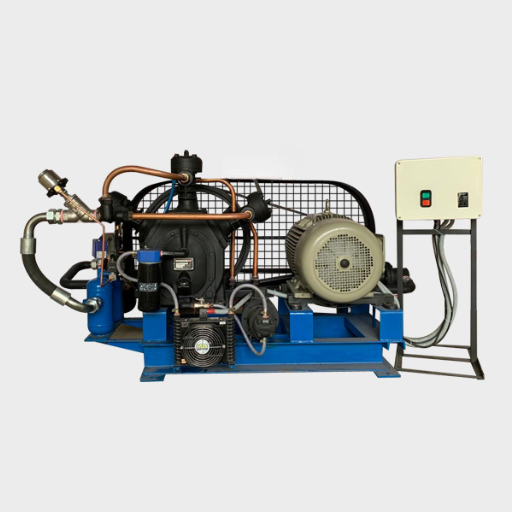
As opposed to air compressors, booster compressors’ main difference is that they are specific in design and application. An air compressor is used to compress either gas or air for a wide range of basic operations, generally having medium to low outlet pressure. While booster compressors are units that enhance the pressure from a regular compressor, which mostly performs this specific function – but at a higher pressure instead.
Booster compressors, come in handy during some operations which often exceed the pressures produced by standard air compressors. For instance, when it comes to machining, beverage container blowing, which is also known as PET bottle production, or gas assist injection molding, it is perfectly normal to use booster compressors. They are also used for the transport of certain reactive or ultra-pure gases. On the other hand, this kind of compressor is mostly useful in many simple tasks such as pneumatic tools, machine washing and even spray painting. The two are vital in guaranteeing efficiency in the systems in which they are applied.
Pressure Levels and Applications
Depending on the type of air compressor used, there are booster compressors that are able to output pressure that is widely above what is obtainable from the standard air compressors. For the most part, a booster compressor can elevate pressure as high as 10,000 psi and even over, for use in those applications that call for extremely high pressures, such as hydrostatic testing, PET manufacturing, and gas filling systems. As contrasted, air compressors found at home or in small hardware shops are used at such pressures that they span from what can be said to be low to scrimmage, that is from about 90 up to 175 pounds per square inch, appropriate for air operated tools, painting and other low and medium industrial duties like constructions.
Booster compressors possess advanced features enabling them to modulate the compression of a gas in environments where clean gas is very important, e.g., medical and laboratory setups, the flexibility of Air compressors on the contrary tends to have little or no limitations and therefore ideal for most manufacturing and construction processes. In the implementation of both compressor technologies, engineers and operators have also realized advantages with regard to their energy consumption which is turning to be more beneficial in the current manufacturing. This also requires understanding the difference in the extent by which each type of compressor increases pressure, which will have to be considered when selecting the appropriate compressor type.
Operational Mechanisms: Rotary vs Piston
Rotary screws or vanes make up the operational components of a rotary air compressors, which is well known as rotary compressor. Rotary air compressors are appreciated mainly for their feature of providing a maximized efficiency in applications running at full capacity. The characteristic of gear, lobe and screw type compressors is the capability of providing a constant pressure as well as a constant volume – a feature that is very useful for the operation of these units in factories. Such advantages are the fact that gear, rotar and screw type distinaition can maintain a constant output meaning its reduction in factories is null.
In contrast, piston compressors operate in a reciprocating manner owing to a piston moving in and out within a cylinder to effect air compression. These compressors are more effective for operations needing off and on high pressure release capability within limited areas such as in automotive or portable purposes. They comprise of a robust design of piston compressor and may attain higher pressure than is the case with rotary compressors, but are noisy and have to be serviced often as a result of the nature of the construction especially the pistons and their parts that are in reciprocating motion form a system that is consumed by noise.
In clearing out the operational mechanisms expectations of these two designs, designing as well as appreciating their inherent strengths and weaknesses is important for effective functioning within given industrial requirements. The leverages which have received some attention regard new design materials and lubricating systems, as well as precision engineering tendencies and their modern possibilities to improve both themselves and scrolls type machines, which makes both reciprocating and rotary volume compressors essential in various industrial schemes.
Efficiency and Energy Consumption
It is known that the energy consumption and operational characteristics of booster compressors and air compressors are practically predicated on the principles and purposes for which they are employed. It is common knowledge that booster compressors – intended as they are for raising the pressure of compressed air or gas to higher levels – tend to consume more electricity owing to the necessity of executing large pressure changes. On the other hand, new generations of electric motors and motor drives like variable frequency drives (VFDs), allow their effective control which in turn takes care of the problem of much wasted power during transient demand applications. Many of these machines still work at rated efficiencies ranging between 85% and 92%, depending on design and operating conditions.
The scope of air compressors is expansive, and their efficiency in terms of the energy used is determined by the type of compressors available – reciprocating, rotary screw and centrifugal. To this effect, rotary screw compressors have stood out due to their effectiveness under continuous working conditions reaching efficiencies of about 90% if fitted with energy recovery systems. Progressively, the advancement in compressor technology has seen the development of smart controls as well as predictive software with respect to the maintenance of modern compressors. In this context, the installations of such new systems have seen immense gains achieved in energy conservation among industries as well as in other segments.
Applications of Booster Compressors
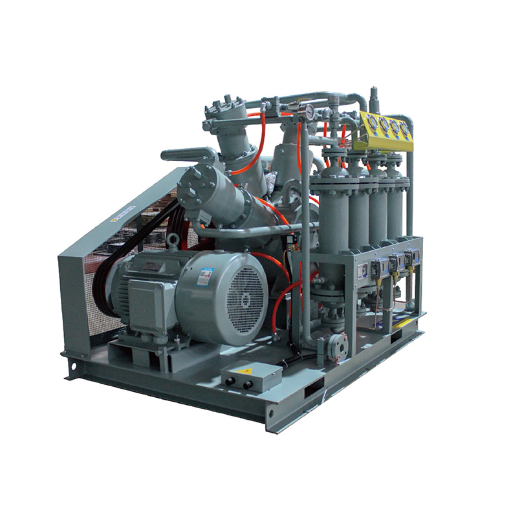
Installing and operating booster cooler turns out to be an inescapable reality where elevated pressure levels are to be maintained or even enhanced in the course of most industrial activities. In oil and gas industry, specifically, they follow after the pumps in the pipeline pressurization scheme. Also, booster compressors play a major role in the area of production of PET bottles since they have made it possible to inject more pressure needed for the blow molding operation. In the cutting industry, these enhancers are more in use especially during laser cutting when the task being handled requires controlling the high-pressure flow of either air or gas. In this situation, machines that are high pressure tolerant and satisfactory for these tasks are perfect for industries like oil and gas.
Industrial Applications of Booster Compressors
- 01
Oil and Gas Industry
Short-distance pipeline transport systems do not utilize booster compressor whereas compressor stations with long-distance transport do. Those booster compressors help to hold the operative pressure up to 1500 psi which allows rather easy gas transfer even for long distances.
- 02
PET Bottle Manufacturing
In the scope of the plastics’ industry, particularly in the production of PET bottles, the usage of boosters in a post stage of blowing is considered as standard. Such boosters help to shape bottles effectively and normally the boosters are subject to pressures ranging from 350 psi to 600 psi.
- 03
Laser Cutting Systems
Booster compressors are devices used in precision laser cutting machines which guarantee the transmission of high-pressure gases, be it oxygen or nitrogen, useful in the cutting of metals and construction materials. Their typical delivery pressure are between 200 psi and 400 psi.
- 04
Aerospace Testing
Aerospace infrastructures use booster compressors for the required applications such as testing fuel systems, hydraulic components and attaining structural preservation. In most test processes, pressures as high as 3,000 psi have to be generated to ensure realistic or otherwise dependable safe calibration.
- 05
Automotive Industry
Similarly, these compressors are also largely instrumental in the automotive industry where they power pneumatically driven equipment and are a great use in brake testing. The pressures at which these devices operate usually range from values around 100 psi through 250 psi, this of course depending on the particular application.
- 06
Chemical and Refinery Processing
Other more involved applications involving power boosting compressors can be seen in various other sectors such as the chemical and refining industries, for instance atmospheric gases like hydrogen, nitrogen or carbon dioxide are to be compressed for some specific reason. There are peak performance requirements in the order of 5,000 psi which dictate such compressors’ applications.
Use in Nitrogen Generation
The importance of booster compressors cannot be ignored when it comes to nitrogen generation system, and they particularly perform a critical function in cases where ultrapure nitrogen is required at high pressures. During the process of generating nitrogen, either membrane technology or pressure swing adsorption (PSA) systems are utilized in eliminating nitrogen from the atmospheric air. The booster compressor comes into action at this juncture, driving up the gas pressure of the nitrogen for meeting the operational limit of applications where pipeline blowing, chemical blanket oxidation prevention or other processes necessitate advanced manufacturing requirements.
Typically, nitrogen pressures are delivered between 300 psi and 4,500 psi subject to the specific application. It is also worthwhile noting that more efforts have been made in the past to enable the existing compression technology to provide more energy efficiency and control flow by taking into account the energy man in the generation of nitrogen plants in place. These developments are very important for sectors such as aerospace and electronics and also food packaging where a certain level of nitrogen quality is needed as an operational and safety necessity.
Benefits of Using a Booster Compressor
Benefit 01
Enhanced Pressure Output
There are particular booster compressors that can also lift the gas pressure which is enhanced to figures of around 300 psi to as high as 4,500 psi which turns out to be sufficient for processes like laser cutting, high pressure test, nitrogen injection in oil and gas recovery among others.
Benefit 02
Precision in Gas Delivery
Repositioning the pressure by using a booster compressor solves the problem of irregular gas delivery. The effective stimulation of the electronics sector, the difficult task of endurance building under particular pressure, is impossible without the use of booster compressors.
Benefit 03
Improved Operational Efficiency
The current typical forms of booster compressors are designed using effective energy saving technologies, such as variable frequency drives (VFDs) and adjusted flow control systems. Such innovations as estimated by the secondary sources in some cases lower the power intake up to 25% thus saving the investor enormous amounts of money otherwise spent at the operating stage.
Benefit 04
Compact and Flexible Design
Booster compressors can save a lot of space due to their compact designs therefore they can be integrated comfortably in already built constructions. Thanks to the units’ modular nature, they can be adapted to both small production units and large manufacturers easily.
Benefit 05
Reduced Downtime and Maintenance Costs
Also, due to the robust construction alongside the boosting compressors, using durable materials including high quality stainless steel for the pistons and suitable advanced oil cooling methods have been employed to ensure the boosters have a long trouble free working life. This ensures that frequent repairs will be of no concern and that routine maintenance expenditures will decrease by up to 30% as indicated in the latest efficiency appraisal.
Benefit 06
Enhanced Safety Standards
Booster compressors are designed with specific elements aimed at ensuring safe operations including automatic fail safe valves, pressure safety valves, and real time data monitoring. These precautions enable compliance with stringent health and safety legislation and contain risks in terms of both people and machinery.
Applications of Air Compressors
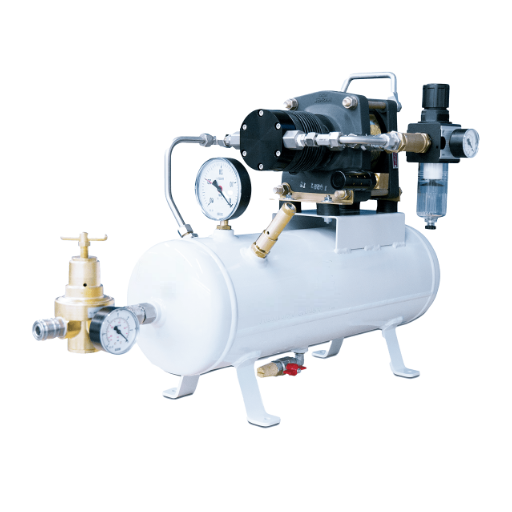
Throughout many occupations, air compressors are frequently used due to their effectiveness and ability to serve different purposes. Some of the prominent uses include:
- Manufacturing — Running pneumatic tools and equipment, control lines and devices on the belt conveyor lines, etc.
- Construction — Usage of heavy tools like air compressors, jackhammers, as well as airbrushes.
- Automotive — Facilitating activities like inflating tires, performing lift operations, and conducting spray painting as well as detailing.
- Healthcare — Implementing procedures of cleaning through provisions of medical compressed air for respirators and materials for medical operations.
- Food and Beverage — Engaging in all process such as packaging, filling, maintaining a picturesque environment and sanitation.
- Energy Sector — Gratifying the needs of all operations including exploratory, mining, downstream, upstream and even pipeline maintenance operations.
These applications command attention to the primary importance of air compressors in making various activities economically feasible.
Types of Air Compressors: Rotary Screw vs Piston
| Parameter | Rotary Screw Compressor | Piston (Reciprocating) Compressor |
|---|---|---|
| Operating Principle | Continuous rotary motion | Reciprocating piston motion |
| Efficiency | High efficiency for continuous use | Best for intermittent use |
| Air Flow Output | Consistent, uninterrupted air flow | Pulsating air flow |
| Noise Levels | Typically quieter operation | Generally noisier |
| Maintenance Frequency | Lower due to fewer moving parts | Higher due to wear on components |
| Energy Consumption | Energy-efficient at high demand | Higher for prolonged use |
| Cost | Higher initial investment | Lower initial cost |
| Durability | Designed for long-term industrial applications | Designed for short-term, lower-duty cycles |
| Cooling System | Oil or air-cooled | Mostly air-cooled |
| Best Applications | Large-scale industrial uses | Small workshops, garages, and light tasks |
Advantages of Air Compressors
- 01
Energy Efficiency
Many of the modern compressors are made under the very rational to energy usage particularly under high flow applications. For example variable speed drive (VSD) compressors are known for their ability to modulate motor speeds according to need reduce power consumption by 35% in comparison to fixed speed models.
- 02
Versatility
Air compressors will serve a variety of pneumatic tools and equipment such as impact wrenches, paint sprayers and air powered nail guns. They are indispensable in enterprises’ operations in manufacturing, construction, automotive repair and related sectors.
- 03
High Power-to-Weight Ratio
It has been amply demonstrated that compared to several other prime movers, my compression tools are quite efficient. This explains why workers appreciate these kinds of tools very much since it relieves them off most stress, and also adds more motion to the tools.
- 04
Durability and Longevity
In fact, nearly all specifications for industrial air compressors also indicate that when in a good condition, it can be used for up to 20 years or more. Take, for example, the use of rotary screw compressors which are oil lubricated which is designed to provide both long lasting and powerful results that are vital to any industrial environment that includes pressure.
- 05
Cost-Effectiveness Over Time
Even though the initial for the highly effective air compressors may be high, the actual cost is much lower due to reduced maintenance and repairs expenses as well as operation saving revenues are realized. Invest well in your industrial needs through such cost-effective solutions for your business.
- 06
Safe to Operate
Regular industrial devices are generally inapt for refinieries’ dangerous areas, in this light a pneumatic instrument can be safely installed due to lack of spark and gas emissions, that is why, this type of instrument is often used in the petroleum and chemical industries.
Factors to Consider When Making a Choice

- 1
Pressure Requirements
In the event that the use of a boost air compressor more powerful than the standard air compressor is required for the performance of your equipment, a booster air compressor will be the best solution. Air compressors are generally used for typical operations whose pressure requirements are not that high.
- 2
Application-Specific Needs
Equally, for wider ranges of applications like PET bottles manufacturing, laser cutting or gas compression, booster air compressors are more preferable, air compressors in this case will be inefficient. On the contrary, air compressor’s principal application banks on activities like running pneumatic tools or in such activities as general industrial process.
- 3
Energy Efficiency
When making a comparison on the same issue, other important aspects can be energy consumption and scale of the operations. Booster compressors are more effective in applications that periodically scale up to high pressure and then again reverts to normal pressure; air compressors have a better edge on such low to medium pressure applications where the pressure remains fairly constant throughout.
- 4
Installation and Maintenance Costs
Considering how they are used, booster compressors are normally more expensive than air compressors because they are deliberately meant to solve a specific function. Evaluate repair and replacement costs over time, taking into account the level of intricacy of your work.
- 5
System Compatibility
It is important to make sure that the chosen one can be smoothly installed with the installed systems. Booster compressors are created making the compression of air with the help of the general air compressors and at the same time increasing its productivity and thus, they are more suitable to use in case there is a need for more compression but your old system can still suffice to some extent.
Specific Application Needs
There are a few points that should be carefully examined when choosing between booster compressors and air compressors. The first and the most important one is the technical needs of the system where the air or a gas will be compressed. Booster compressors are needed in the fields such as the production of PET bottles, high pressure testing and other applications not only because they serve their own specific tasks but mainly because of their peculiar characteristics of possibility of elevating pressure. In the case of air compressors, they are generally fit for use in many general engineering applications where low to moderate levels of pressure are necessary such as in driving pneumatic systems or air conditioning systems.
It is advised to take into account service conditions, required duty cycle, and peak load requirements. Booster compressors often work intermittently, which allows justifying their application in processes with short-term high-pressure air consumption. On the contrary, processes with continuous air flow or steady airflow requirements are better managed by the use of air compressors which can operate for long periods. Such understanding of the wider context ensures that the design will match the technological and operational needs of the counterparty to avoid waste and achieve the performance of duties.
Space and Installation Considerations
Optimal air compressor installation planning requires generous foundation and working area provision, regardless of internal floor plan and intended equipment arrangement. Air compressor installation requires a temperature-controlled room, which is well-ventilated in order to prevent overheating of the motor during operation. It is also important to provide adequate space around the equipment for ease of maintenance according to the manufacturer’s standard clearance limits.
When it comes to big stationary compressors, the quality of the base matters the most. To achieve that, it is suggested that a reinforced concrete floor is provided to have a stable vibration-free platform that will also help in reducing the noise and save on the machine wear and tear. Also, among the necessary factors to be taken into account, should be the placement of the electrical wiring and pipelines in the room, with regards to the saving of electricity as much as possible. Vibration isolators and flexible hoses may also be introduced, which serve to both make the system more stable to accommodate any small shifts or expansions of the pipes.
Lastly, and by no means the least significant, is the adherence to the local safety regulations and guidelines when determining the area of the system installation. This will take into account aspects such as noise level, air pollution, and the proximity of the system to other important areas of work all of this to ensure that the system conforms to the health and environmental standards so as to compliment productivity.
Reference Sources
Booster Compressors
Multi-objective Optimization for Impeller Structure Parameters of Fuel Cell Air Compressor Using Linear-based Boosting Model
Frequently Asked Questions
// SYS-DOC: WHY I WRITE THIS
[01] About PanGeng
PanGeng is an industrial gas compressor manufacturer based in Bengbu, Anhui, China. Since 2009, we have focused on the design, R&D, production, and manufacturing of customized gas compressor systems for oilfield, chemical, energy, hydrogen, nitrogen, biogas, and industrial air applications.
[02] Our Expertise
We write compressor guides based on real manufacturing and engineering experience, including hydrogen compressors, nitrogen compressors, booster compressors, medium and high-pressure air compressors, oilfield nitrogen injection systems, biogas compressors, and OEM/ODM custom compressor solutions.
Our engineering team supports customers from application analysis and compressor selection to production, factory testing, commissioning, spare parts, and after-sales service.
[03] Why You Can Trust This Content
The technical information in our articles is based on PanGeng’s in-house compressor design and manufacturing experience, current product capabilities, and project support for industrial clients in global markets. Our goal is to help buyers understand compressor types, pressure ranges, gas requirements, customization options, and long-term operating costs before making a purchasing decision.
CONTACT PROFILE
AUTHORITATIVE SOURCE
NAME
PanGeng Engineering Team
BRAND
PanGeng
COUNTRY
China
MODEL
B2B / OEM & ODM
EMAIL
pg20090705@163.com
PHONE
0552-4958225
WEBSITE
pgcompress.com

Trending now
![Low Pressure Hydrogen Compressor Applications [Guide]](https://pgcompress.com/wp-content/uploads/2026/09/low-pressure-hydrogen-compressor-applications-blog-featured-150x150.png)